Funding Partner: Kindernothilfe Germany
Project Name: Reducing Child Labor in Gujara Municipality
Project Area: Gujara Municipality, Rautahat
Project Objective: To protect and promote child rights by strengthening child rights governance and mechanisms through the collective engagement of communities, CBOs/CSOs and local authorities in Gujara Municipality of Rautahat District.

Brief Summary of Project:
Project has been initiated in support of Kindernothilfe (KNH) Germany to reduce child labor and other child rights violations of Gujara Municipality. Project having overall objective of strengthening the child rights governance and mechanisms through the collective engagement of communities, CBOs/CSOs and local authorities in Gujara Municipality of Rautahat District. Gujara Municipality located at North West of Rautahat district having maximum numbers of brick kilns and forests where child labors is at its highest peak. Child labors is in practice from local residents as well as migrants from neighboring districts and India as well. The project have intervention with Local Government, Community Groups, Youth Groups, Child Clubs, Schools, faith leaders, service providers and other related stakeholders. The project has targeted to reduce child labor by 75% by the end of 2028.

- Child Labor Free Municipality Campaign
The project has initiated a child labor–free campaign in Gujara Municipality in close coordination with the local government. This aligns with the Child Labor Free Local Governance Guidelines, with a strengthened target to achieve child labor–free status by 2028, ensuring structured planning, monitoring, and accountability at the municipal level.
- Strengthening Child Clubs and Youth Groups
A total of 15 child clubs and 5 youth groups have been reactivated and are actively functioning at the community level. More than 150 youths and adolescents and 500+ children have been capacitated on child rights, leadership, and advocacy, enabling them to raise their voices against child labor and related issues.
- Parenting Education and Family Engagement
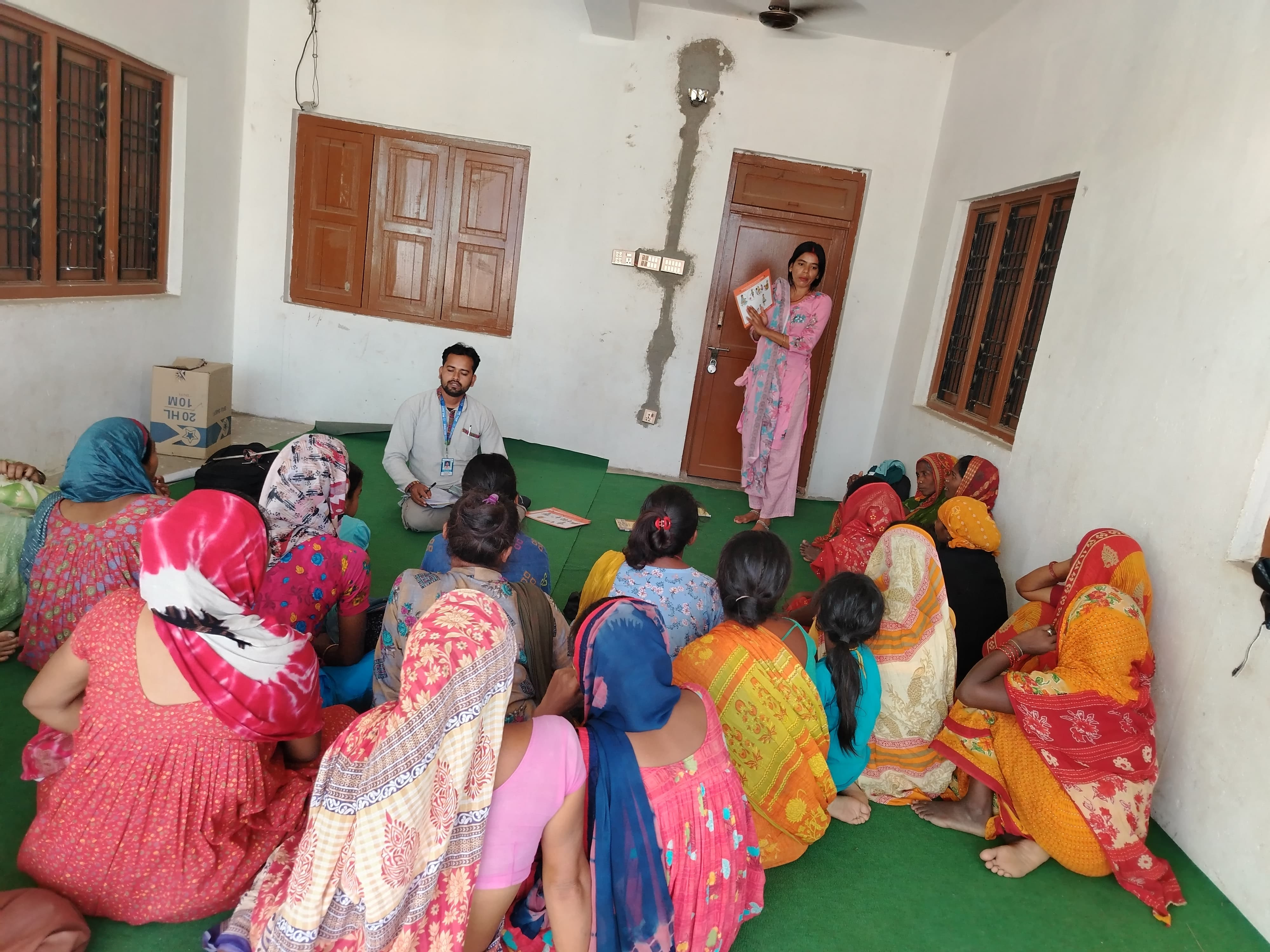
8 Parenting Education Groups have been established and strengthened using structured parenting modules. Over 200 parents are now better equipped with positive parenting practices, helping reduce reliance on child labor and promoting safe, supportive environments for children from marginalized communities.
- Engagement of Faith Leaders
The project has effectively engaged faith leaders to influence social norms at the grassroots level. Their involvement has supported awareness and behavioral change among families to reduce child marriage and promote child rights protection.
- Educational Support to Vulnerable Children
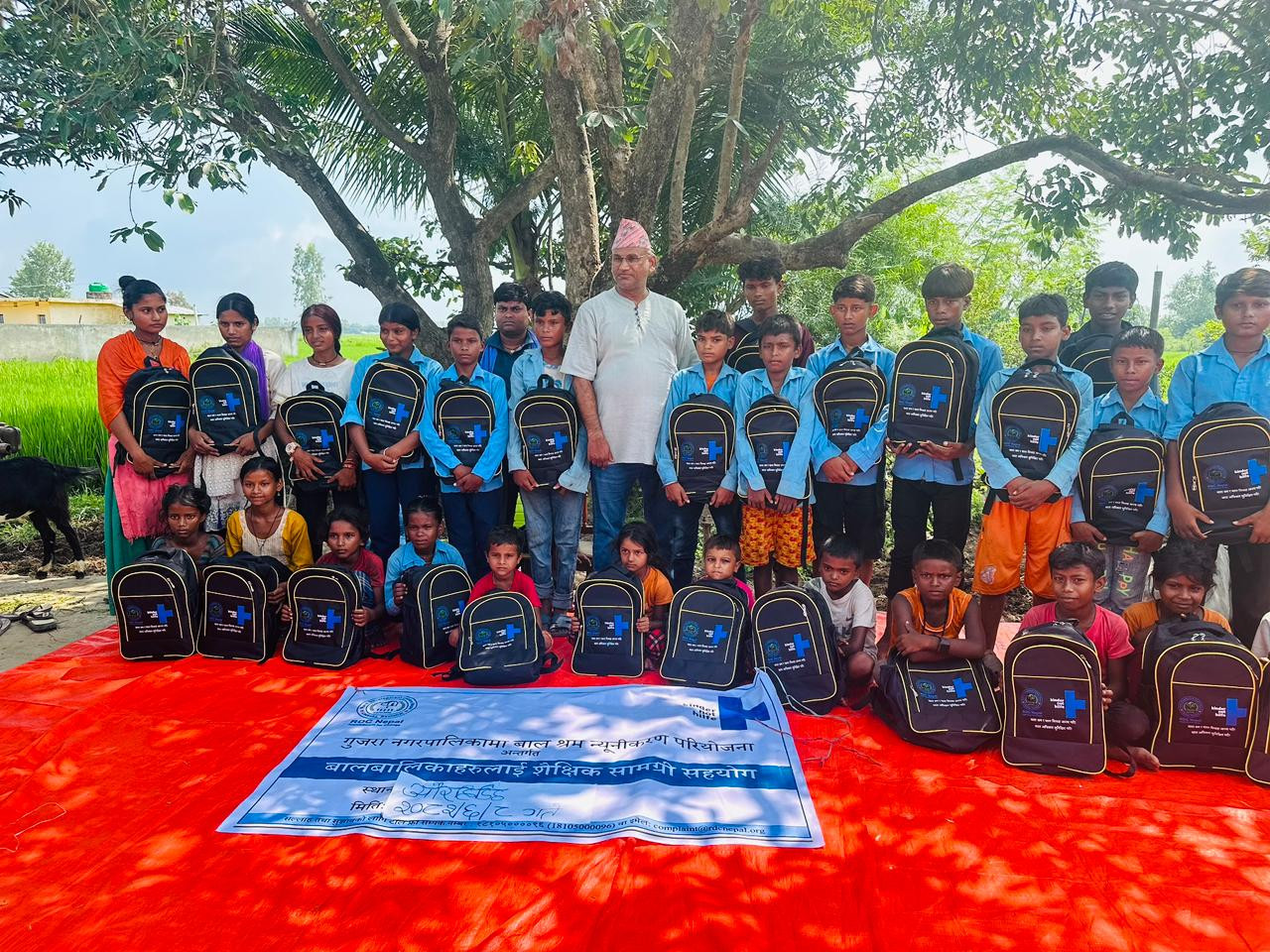
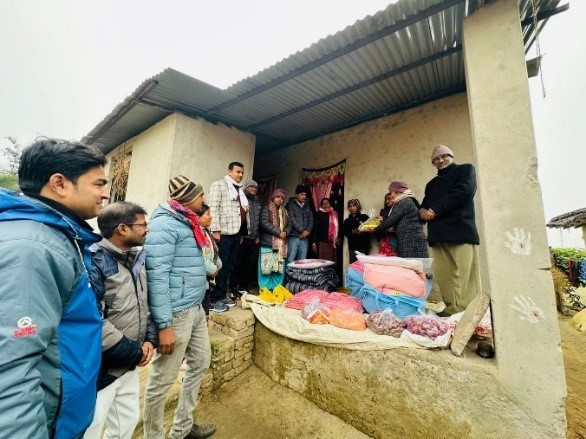
A total of 280 ultra-poor and marginalized students have received educational materials. This support contributes to school retention, reduces dropout risks, and prevents children from entering or returning to labor.
- Extracurricular Activities for Child Development
Various extracurricular activities have been conducted by child clubs and youth groups to strengthen children’s confidence, life skills, and awareness. These activities have enhanced participation both at school and community levels, creating child-friendly environments.
- Municipality-Level Extracurricular Engagement
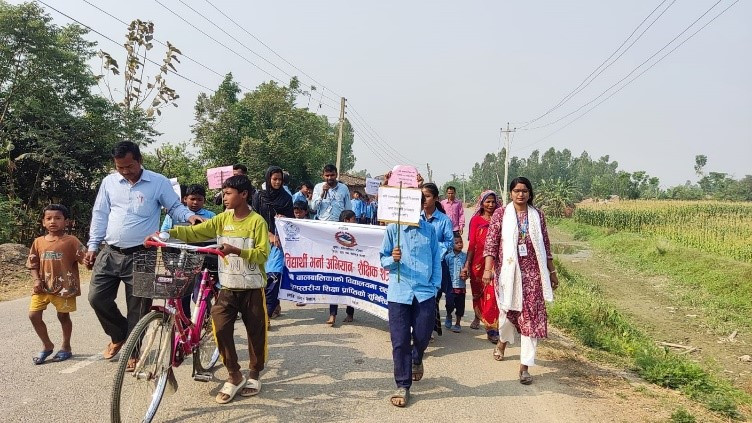
Child clubs and youth groups have led municipality-level campaigns, competitions, street dramas, and awareness events. These activities amplify advocacy against child labor and promote child rights through peer learning and public engagement.
- School-Based Child Rights Promotion
Schools have been actively engaged through child-led activities such as debates, quizzes, art competitions, and child rights sessions. These initiatives foster awareness, leadership, and active participation among students in preventing child labor.
- Coordination with District and Provincial Stakeholders
The project has strengthened collaboration with district and provincial authorities to align local initiatives with broader policies and frameworks. This includes coordination with line agencies to support enforcement, monitoring, and scaling of child labor–free governance practices.
- Advocacy for Child Labor Free Governance by 2028
Continuous advocacy efforts are being carried out with provincial and district stakeholders to accelerate progress toward achieving child labor–free local governance by 2028. This includes policy dialogue, capacity building, and integration of child labor issues into development plans and budgets.
- Integrated Community-Based Approach
Overall, the project adopts a holistic approach by engaging children, youth, parents, leaders, and government stakeholders. This integrated effort ensures sustainable impact in reducing child labor and strengthening child protection systems at all levels.