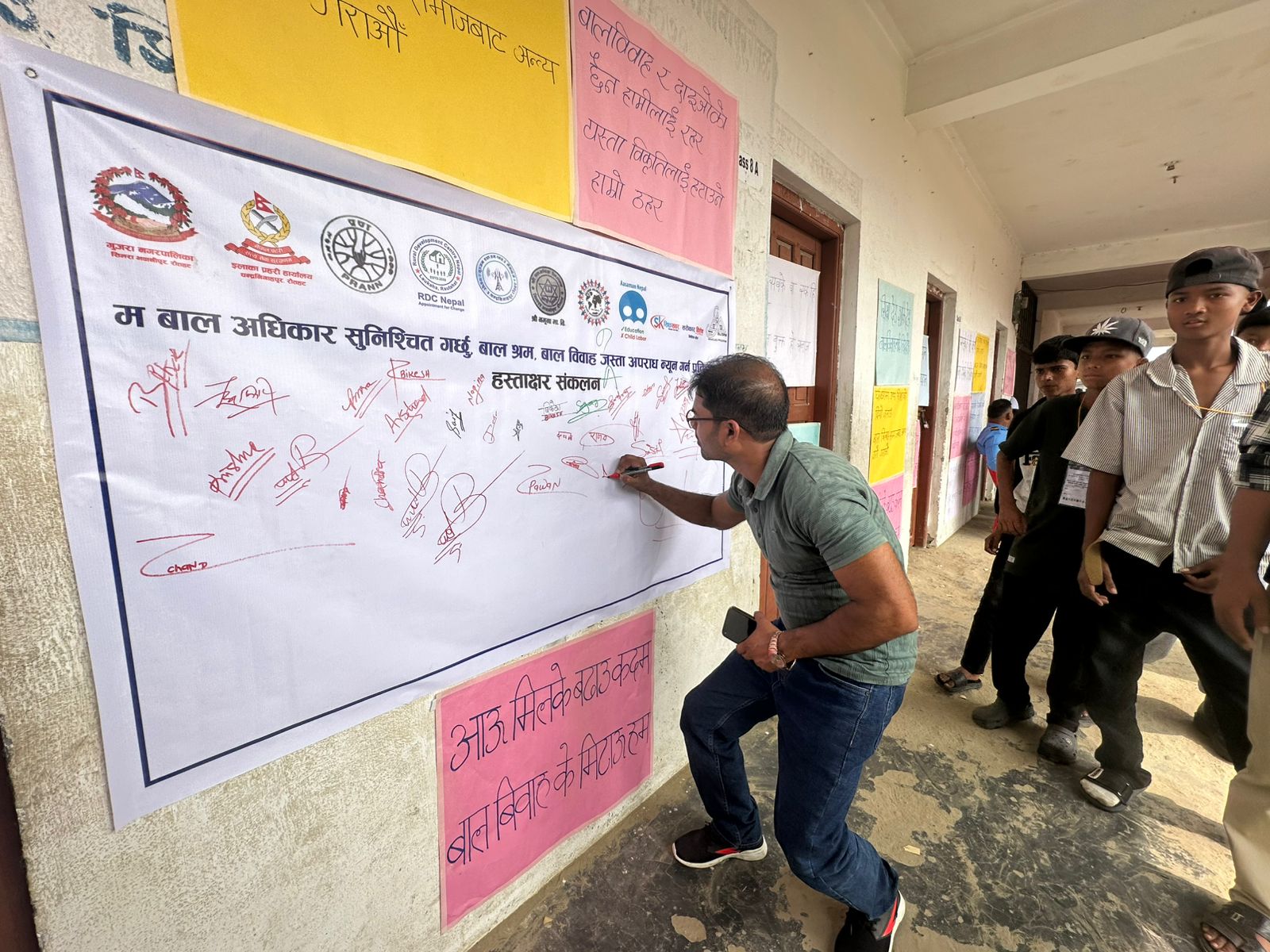
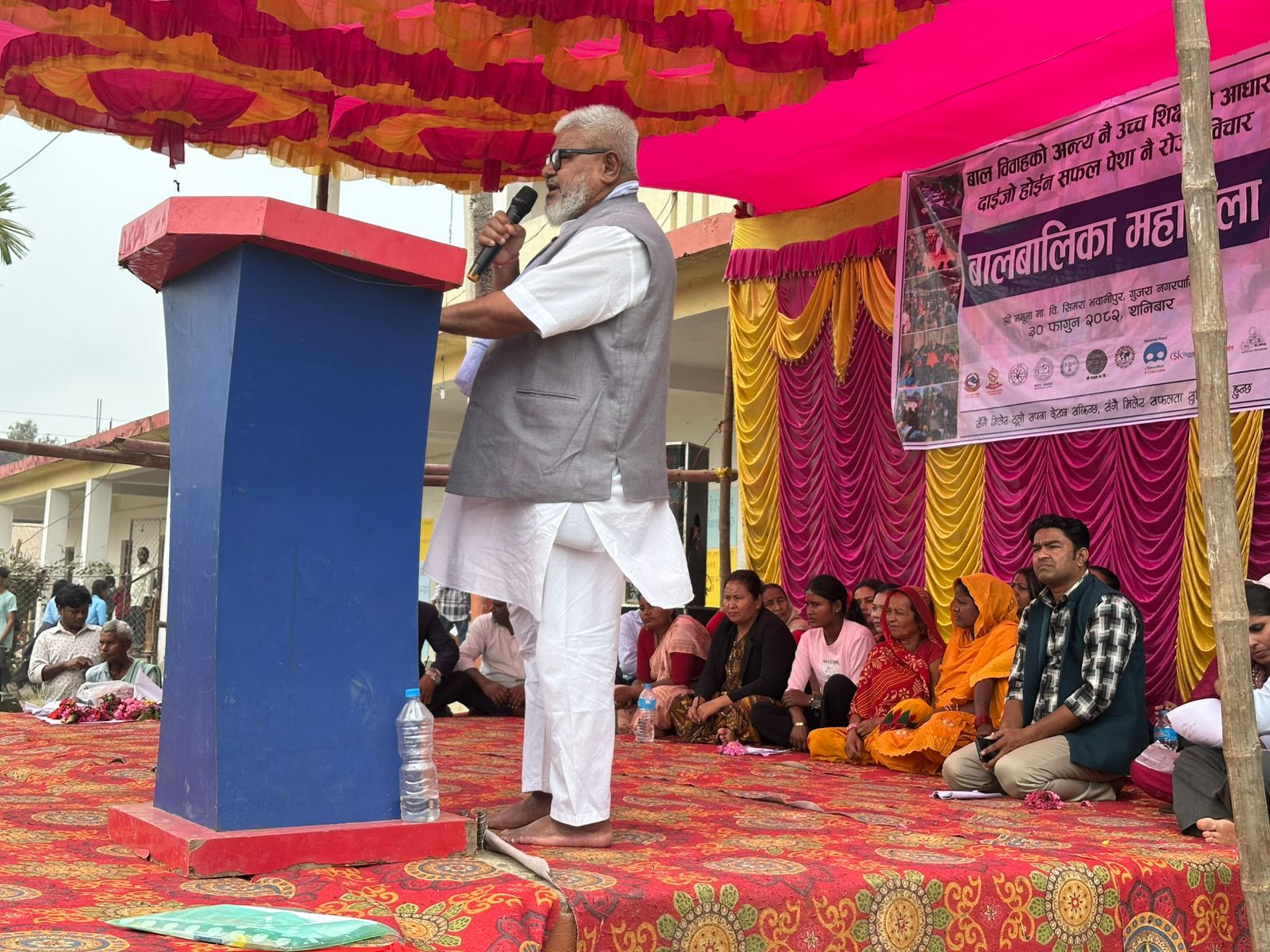
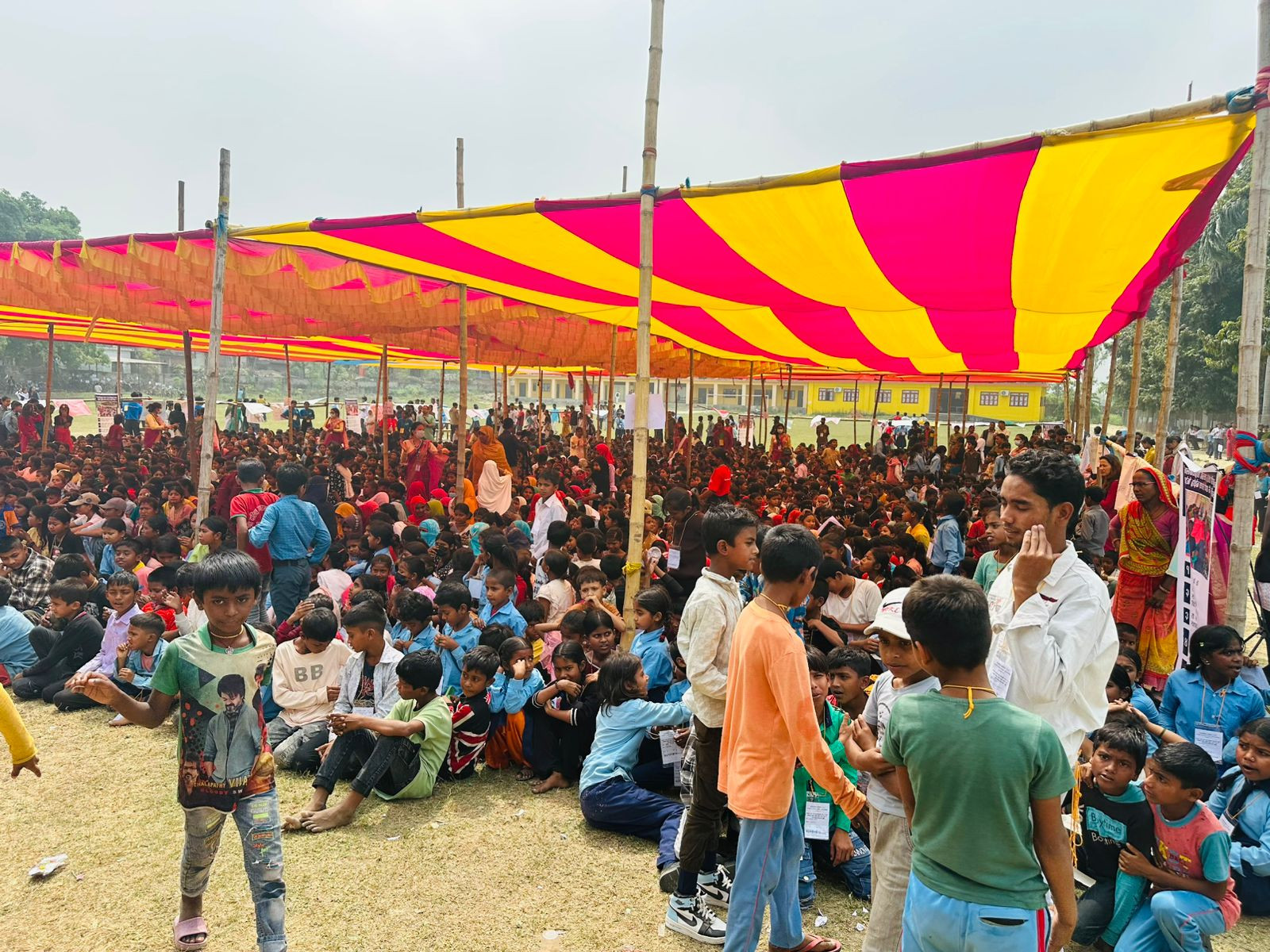
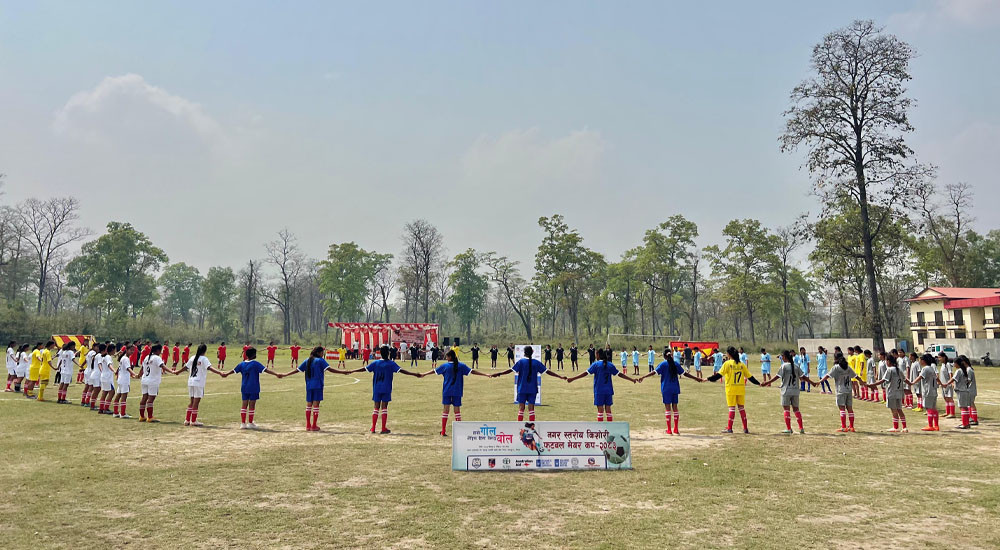
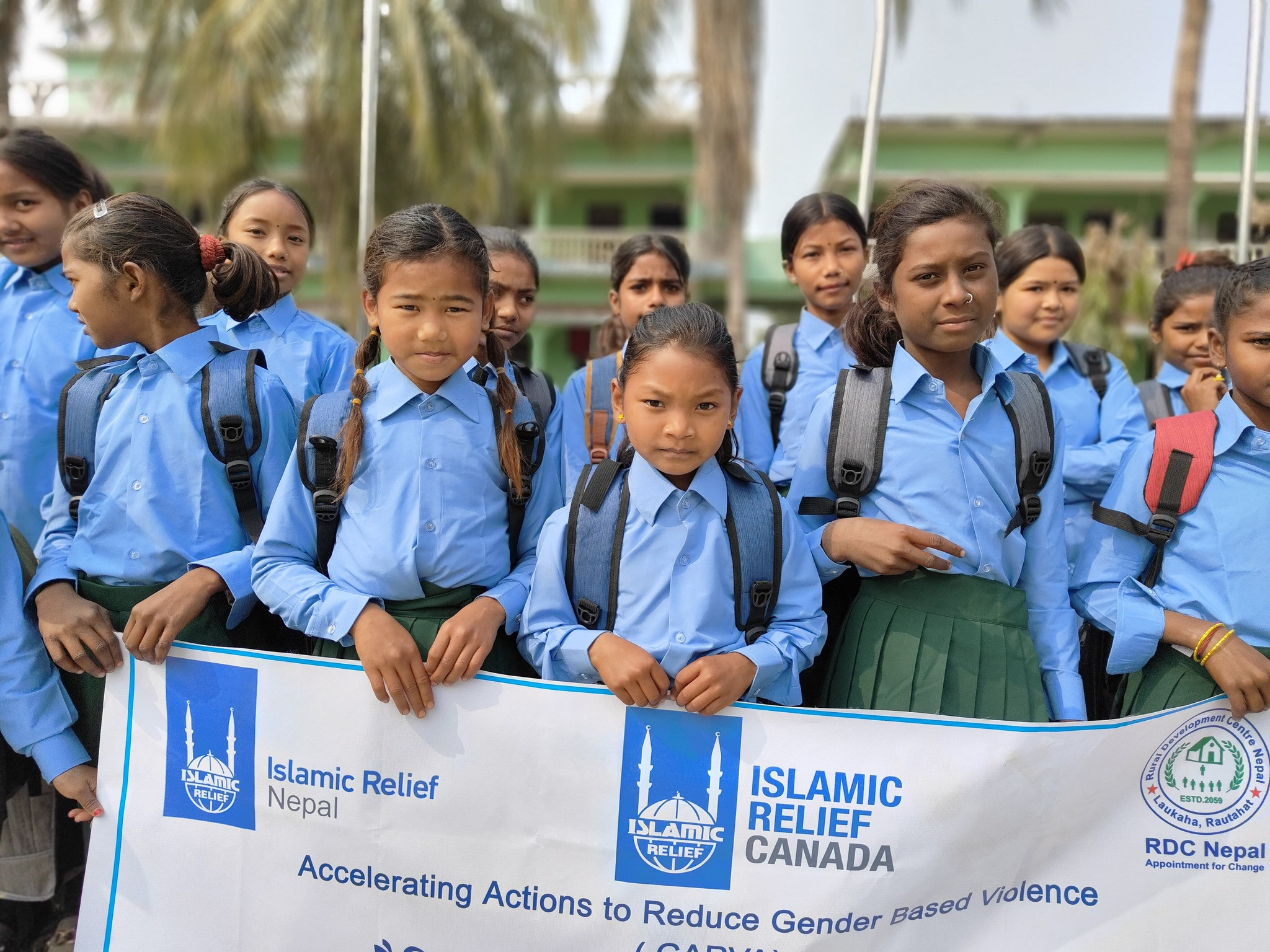
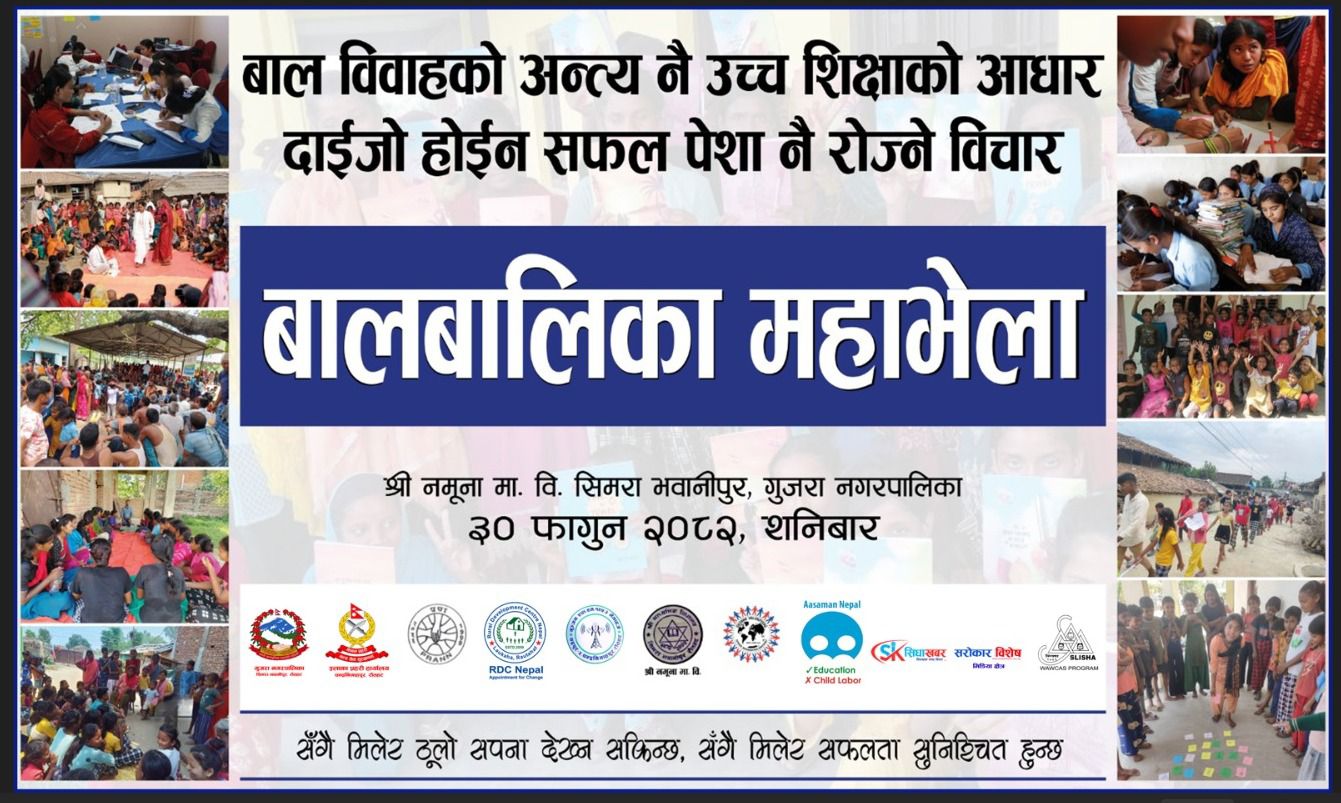
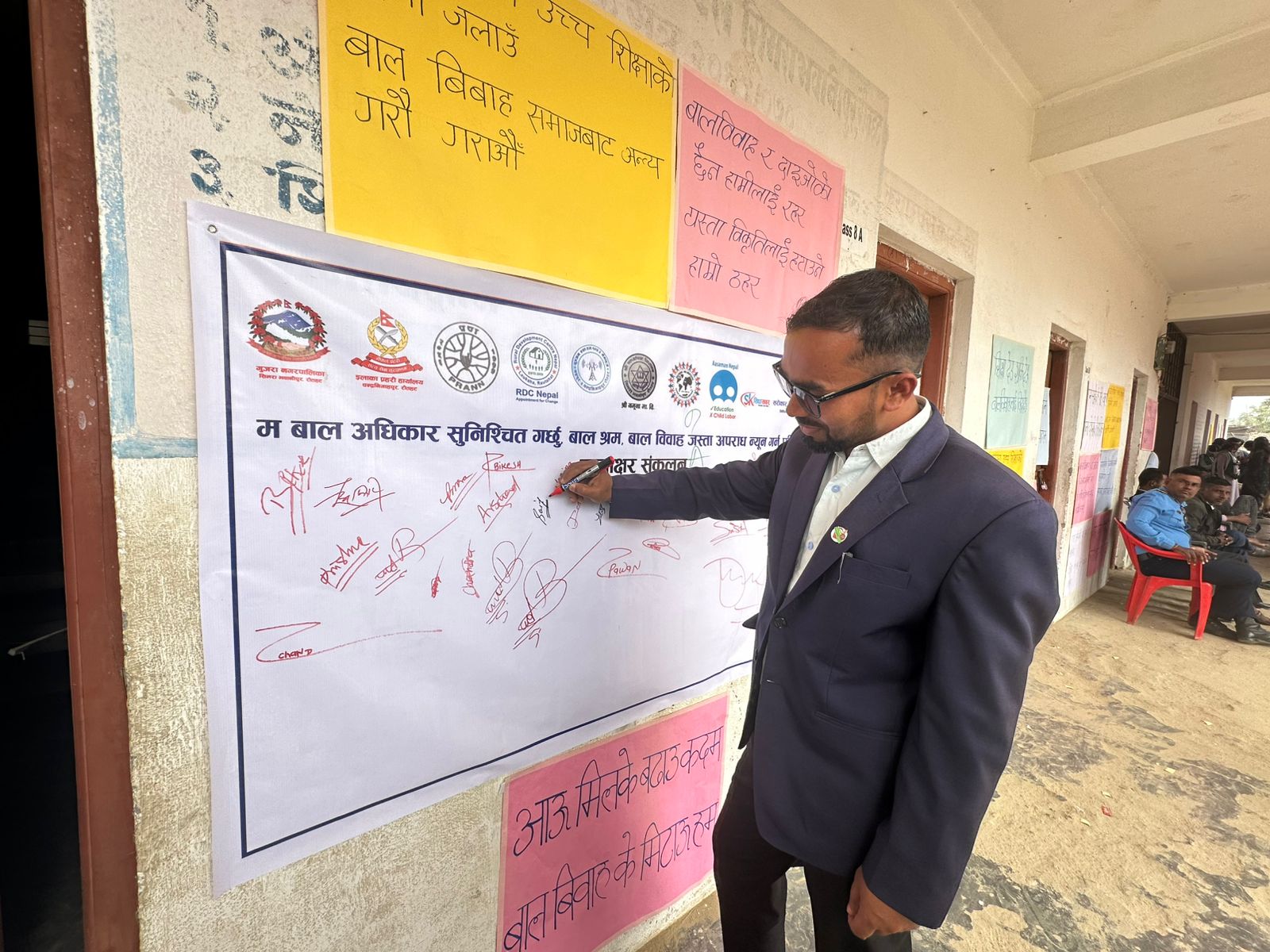
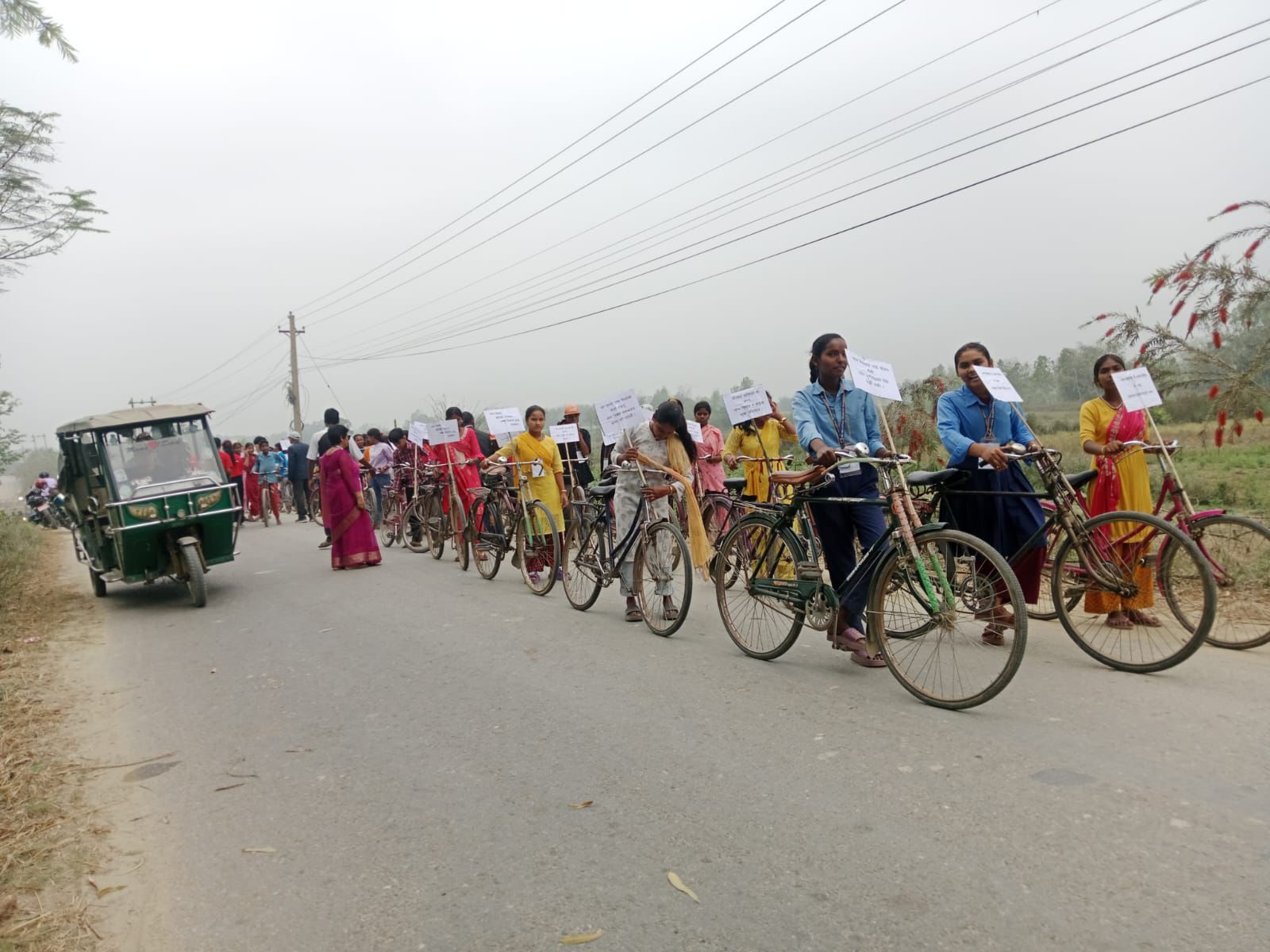
RDC Nepal र स्थानीय अन्य संघ संस्था को सहयोग र गुजरा नगरपालिका बाल बधिकार समिति को समन्वय मा आज बलचनपुर चोक र गुजरा लामहा पुलबाट दुईतर्फी रूपमा निकालिएको साइकल र्यालीसँगै बालबालिका महाभेला २०८२ भव्य तथा सभ्य रूपमा सम्पन्न भएको छ।
यस कार्यक्रमलाई नगर प्रमुख श्री सन्त लाल चौधरी, उप–प्रमुख श्रीमती रत्न लामा, बाल अधिकार समिति, RDC Nepal तथा शिलिशा, आसमान नेपाल संस्थाको सहयोग र समन्वयमा आयोजना गरिएको थियो।
महाभेलाको मुख्य एजेन्डा बाल श्रम र बालविवाह न्यूनीकरण रहेको थियो। कार्यक्रममा बालबालिका, अभिभावक, युवाहरू तथा विभिन्न संघ–संस्थाहरूको सक्रिय सहभागिताले बालअधिकार संरक्षण, शिक्षा र सुरक्षित भविष्यका विषयमा महत्वपूर्ण सन्देश प्रवाह गरेको छ।
“बालविवाहको अन्त्य नै उच्च शिक्षाको आधार हो, दाइजो होइन; सफल पेशा नै रोजौं” भन्ने सशक्त नारासहित कार्यक्रम सम्पन्न भएको हो।
✊ बाल श्रम र बालविवाह अन्त्य गर्दै सुरक्षित र शिक्षित बाल्यकाल निर्माण गरौँ।
Child labor and child marriage remain two of the most serious challenges affecting children’s rights and development in many parts of the world, including Nepal. Both issues are closely connected with poverty, lack of education, social norms, and limited awareness. When children are forced to work at a young age or are married before reaching adulthood, they lose the opportunity to enjoy their childhood, receive proper education, and develop their full potential. Addressing these challenges requires coordinated efforts from governments, civil society organizations, communities, and families.
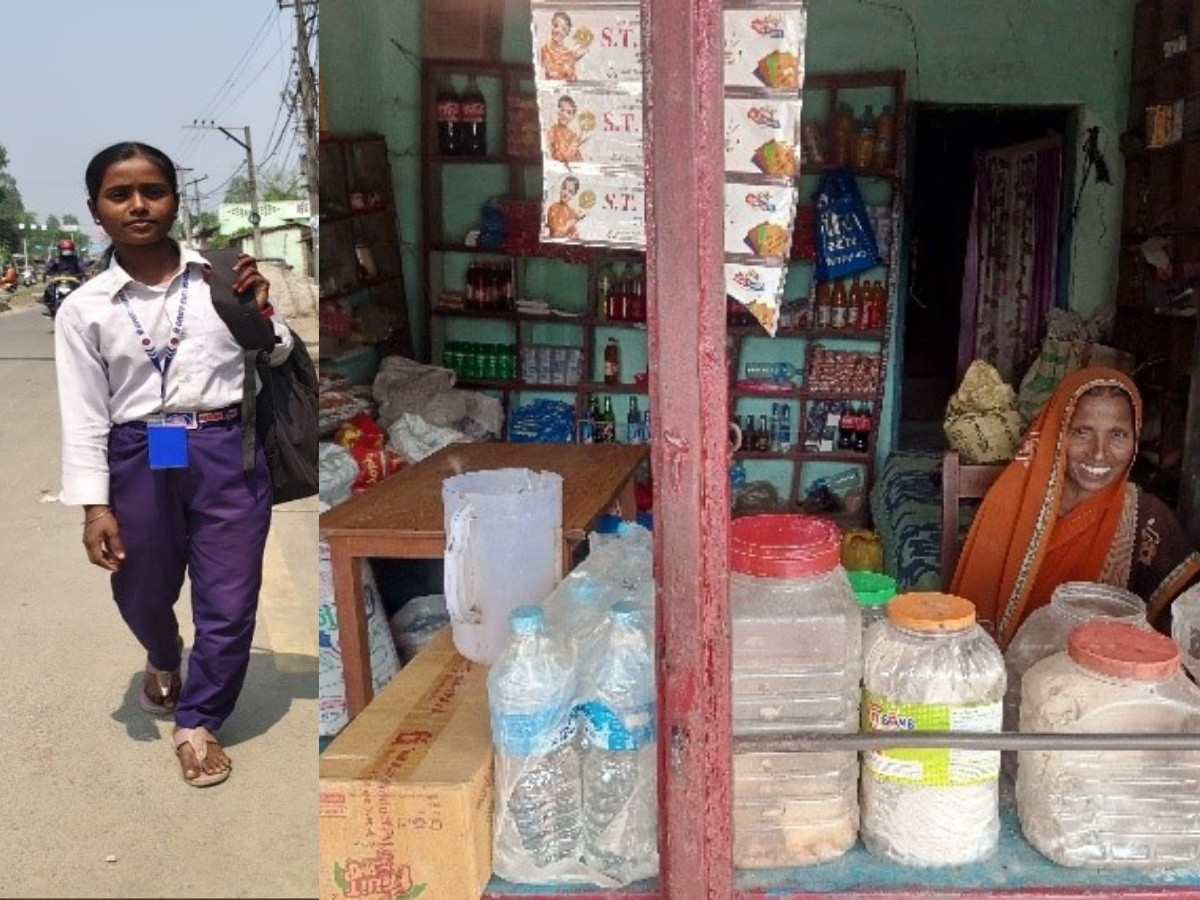
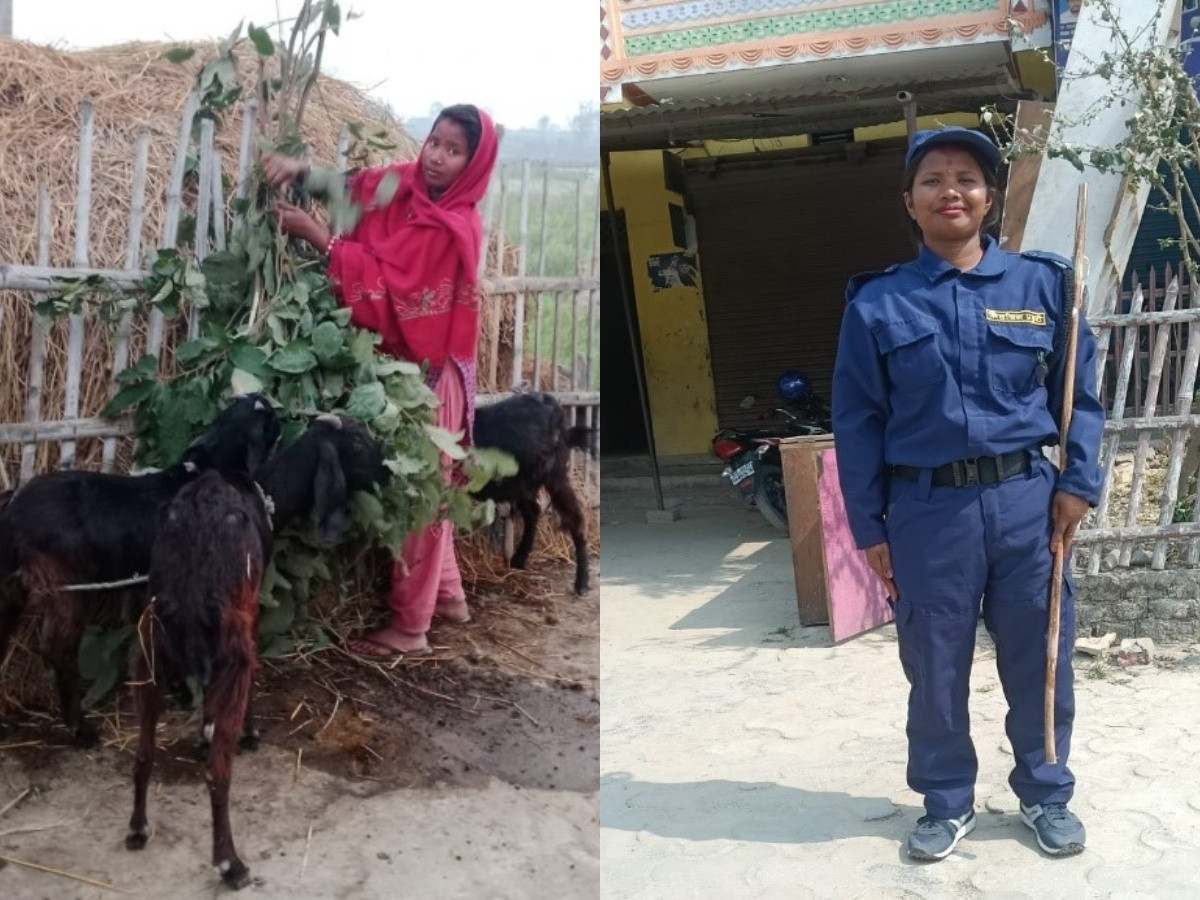
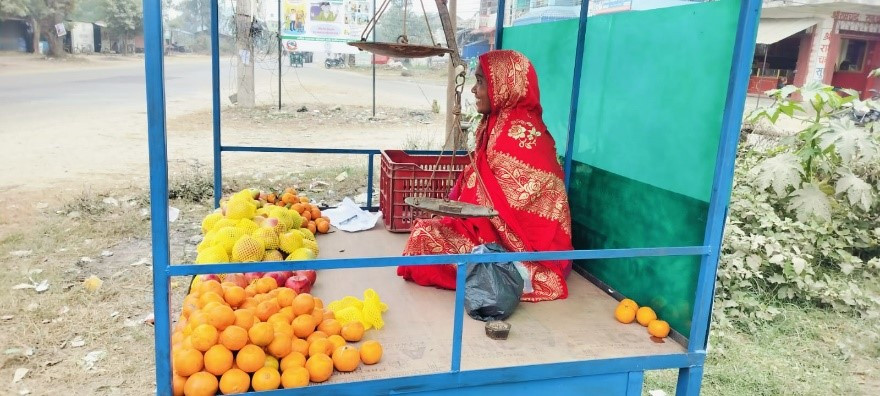
Child labor refers to work that deprives children of their childhood, education, and dignity, and that is harmful to their physical and mental development. While some light household tasks may be acceptable, child labor becomes a problem when children are forced to work long hours, perform dangerous tasks, or leave school to earn income for their families. In many communities, children are engaged in agriculture, domestic work, small shops, brick kilns, transportation, and other informal sectors. These activities often expose them to physical risks, exploitation, and long-term psychological harm.
Child marriage is another major violation of children’s rights. It refers to any marriage where one or both partners are under the age of 18. Child marriage affects girls more frequently than boys and often results in early pregnancy, school dropout, health risks, and limited economic opportunities. When a girl marries early, her chances of completing education and becoming economically independent are greatly reduced. Child marriage also contributes to cycles of poverty and gender inequality within communities.
There is a strong connection between child labor and child marriage. Families experiencing poverty may send children to work to support household income or may marry off their daughters early to reduce financial burdens or social pressure. In many cases, lack of education and limited awareness about children’s rights allow these practices to continue. Therefore, addressing both child labor and child marriage requires improving education, raising awareness, and strengthening child protection systems.
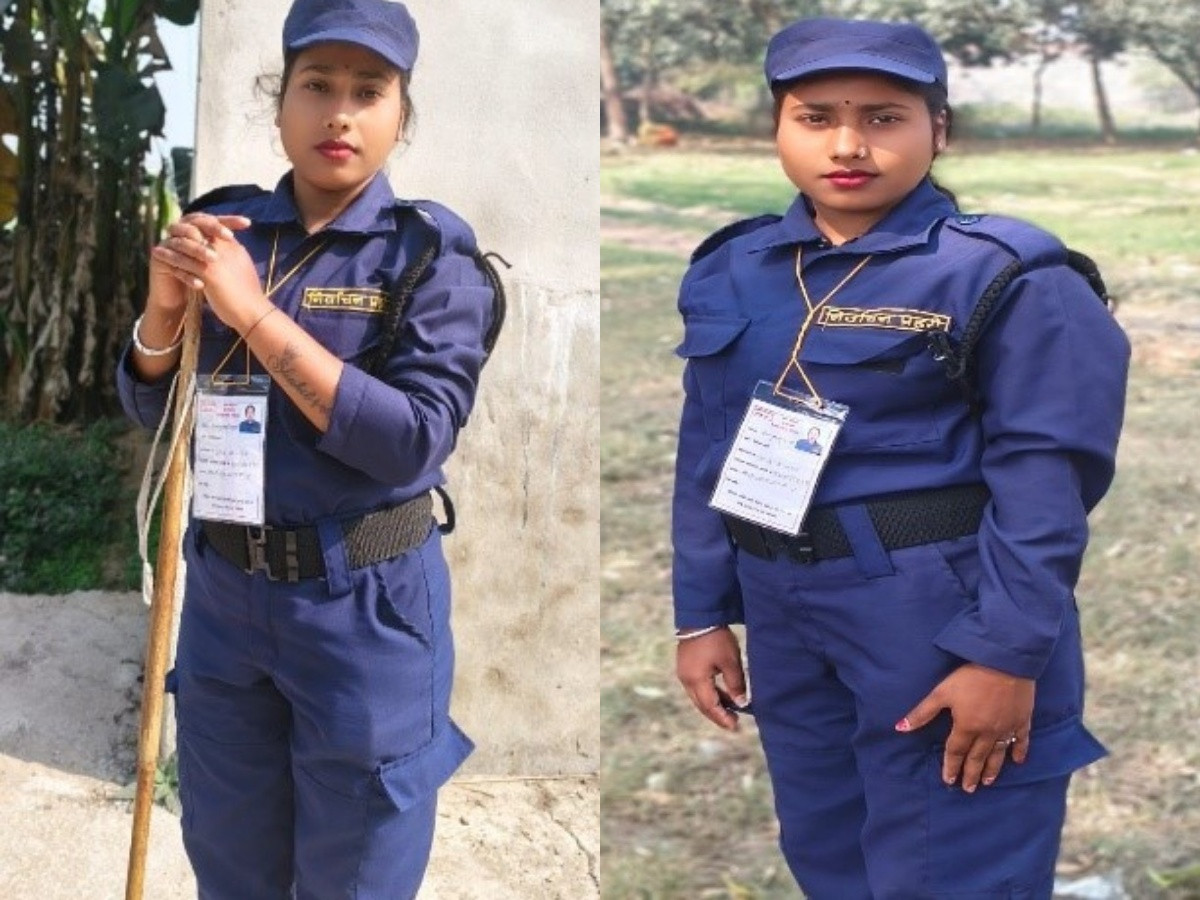
Local governments in Nepal play a very important role in reducing child labor and child marriage. With the federal structure of governance, municipalities and rural municipalities have greater authority to plan and implement programs that protect children. Local governments can develop child protection policies, establish child protection committees, support school enrollment and retention, and conduct awareness campaigns in communities. They can also monitor vulnerable households and coordinate with schools, police, and community organizations to respond to cases of child labor or early marriage.
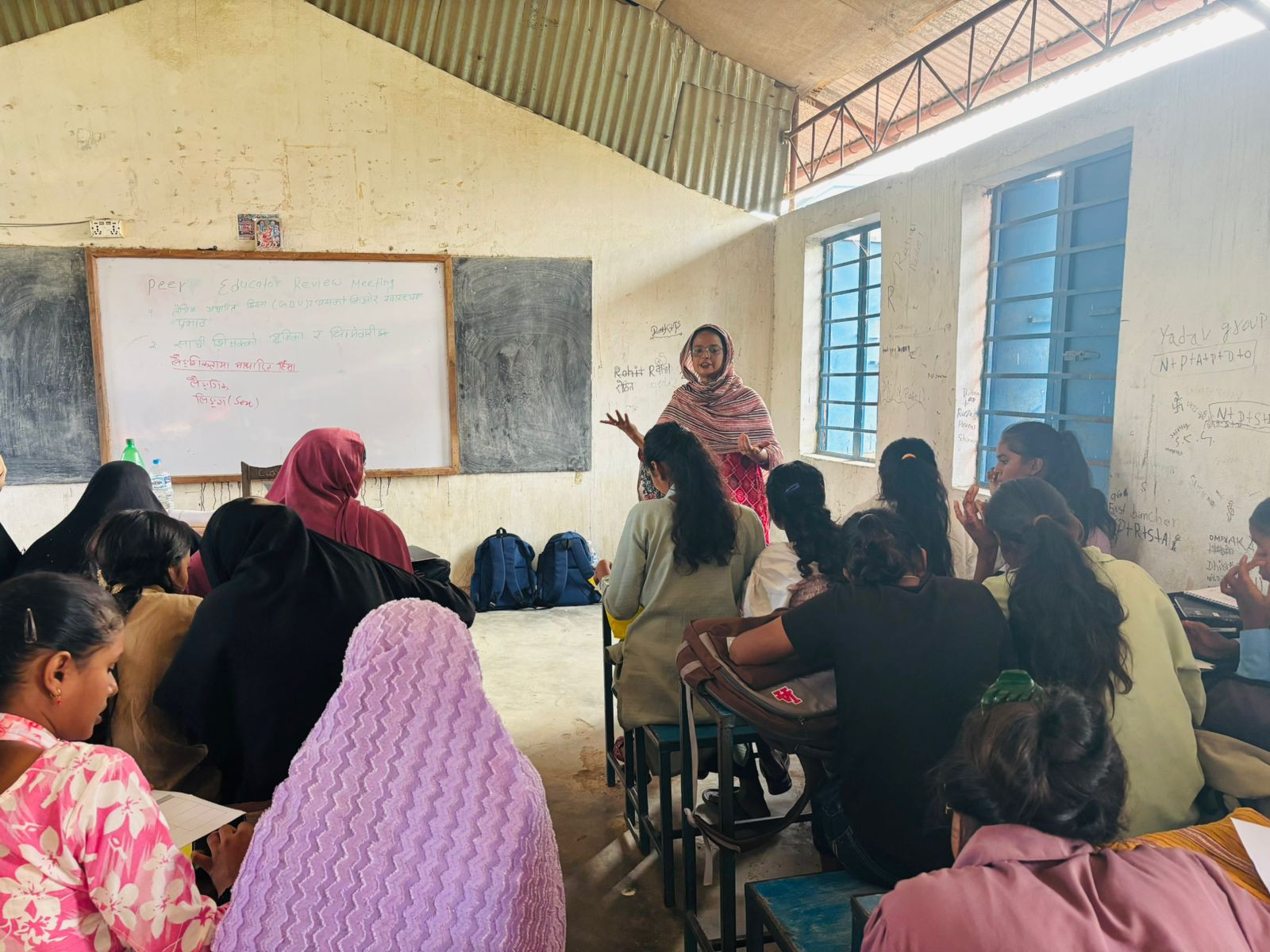
One of the most effective strategies used by local governments is promoting quality education and ensuring that children remain in school. When children are enrolled in school and receive support such as scholarships, school meals, or learning materials, families are less likely to send them to work or arrange early marriages. Local governments can also collaborate with community groups, teachers, and religious leaders to change harmful social norms and encourage families to prioritize children’s education and wellbeing.
Civil society organizations also play a crucial role in supporting these efforts. Organizations such as the RDC Nepal work closely with communities, local governments, and children to address child labor and child marriage through awareness, advocacy, and community mobilization. RDC Nepal has been actively engaged in promoting child rights, strengthening community structures, and empowering children and youth to raise their voices against harmful practices.
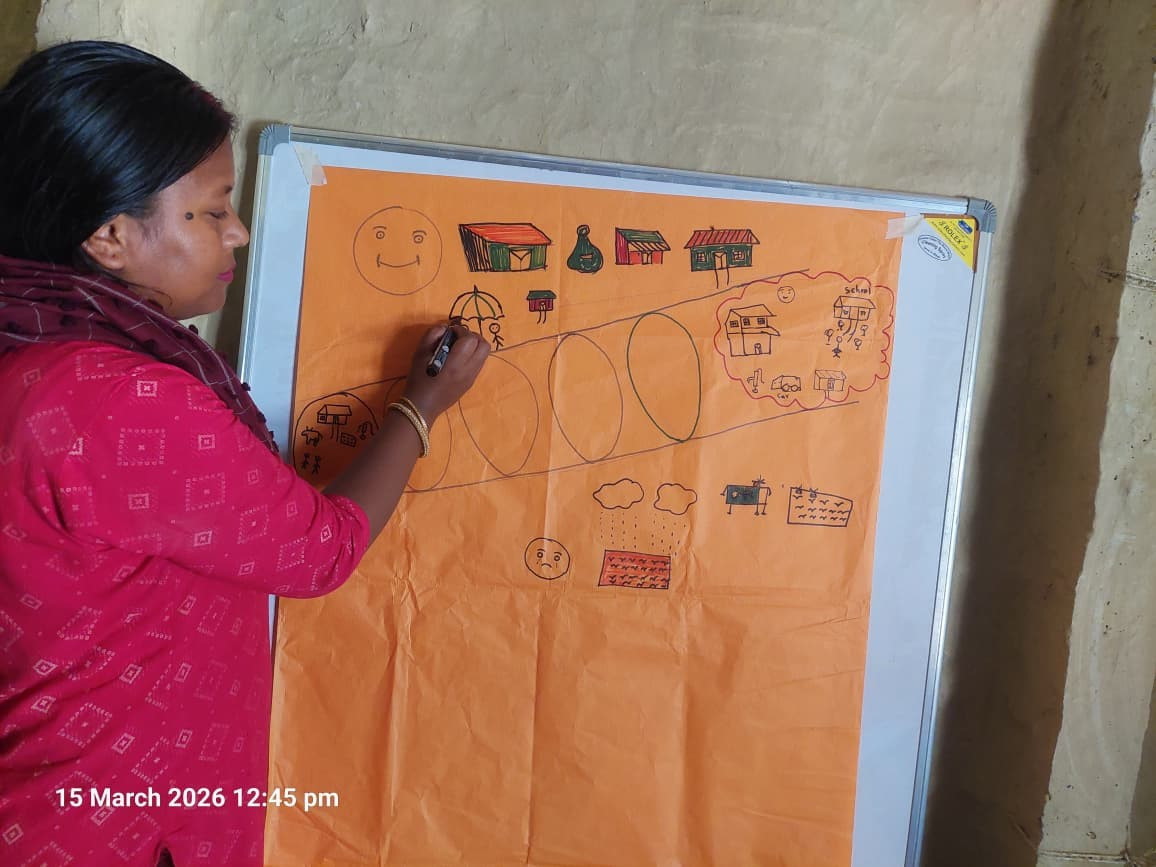
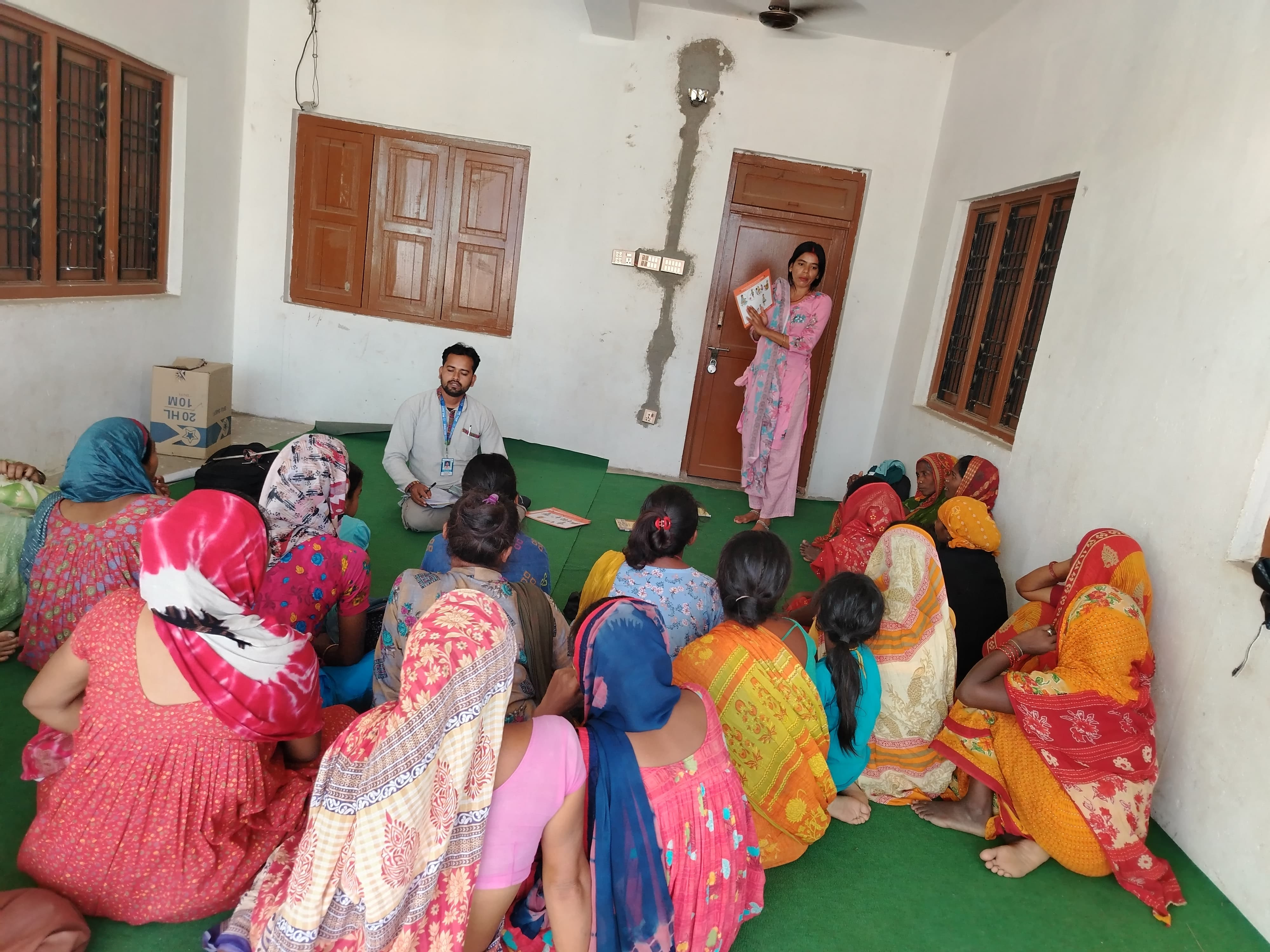
Through its programs, RDC Nepal works with child clubs, youth groups, and community leaders to spread awareness about the negative impacts of child labor and child marriage. These community-based groups help identify vulnerable children and families and support them in accessing education and social services. Child clubs, in particular, provide a platform where children can learn about their rights, develop leadership skills, and advocate for safer environments in their communities.
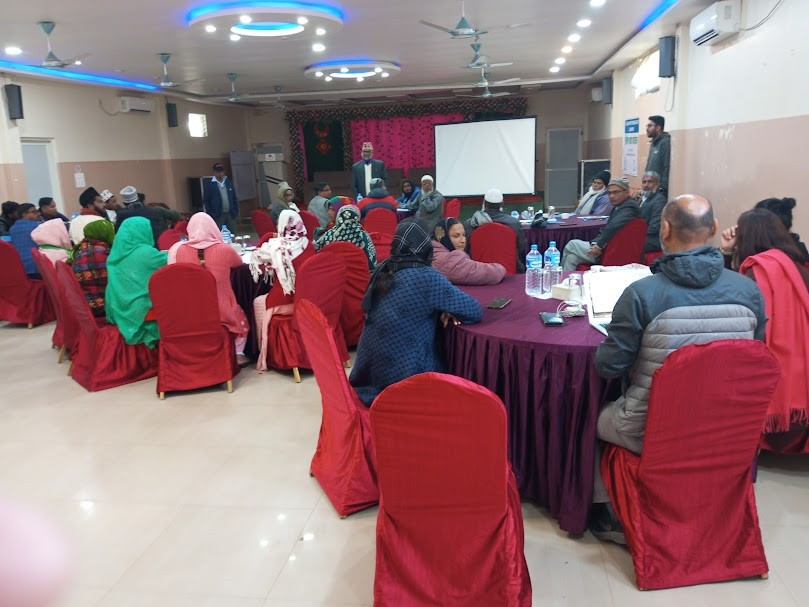
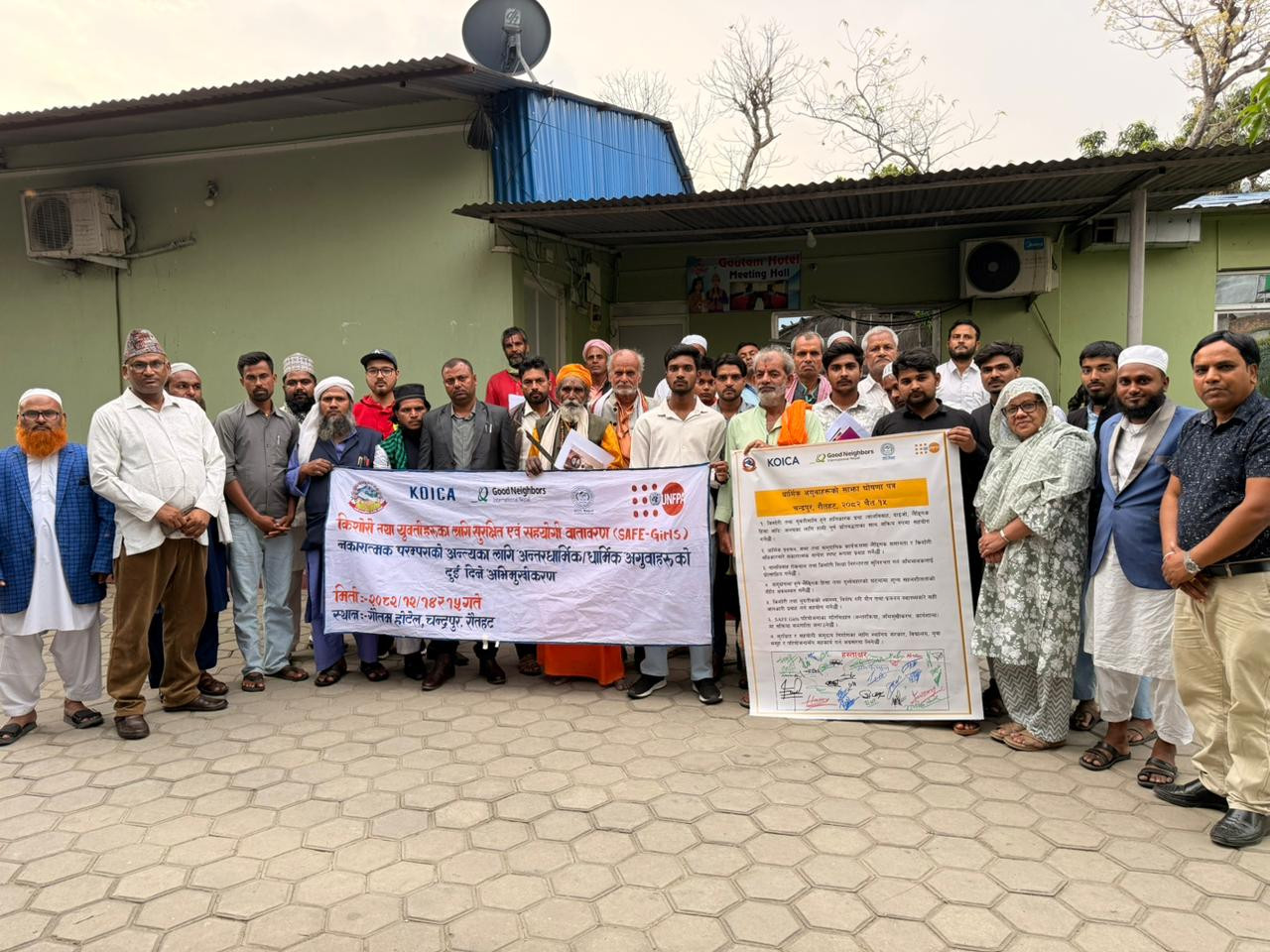
RDC Nepal also collaborates with local government bodies to strengthen child protection mechanisms. This includes supporting the formation and functioning of child protection committees, training local officials and community members, and facilitating coordination among schools, health workers, and social service providers. By working together, these stakeholders can identify risks early and respond effectively to protect children.
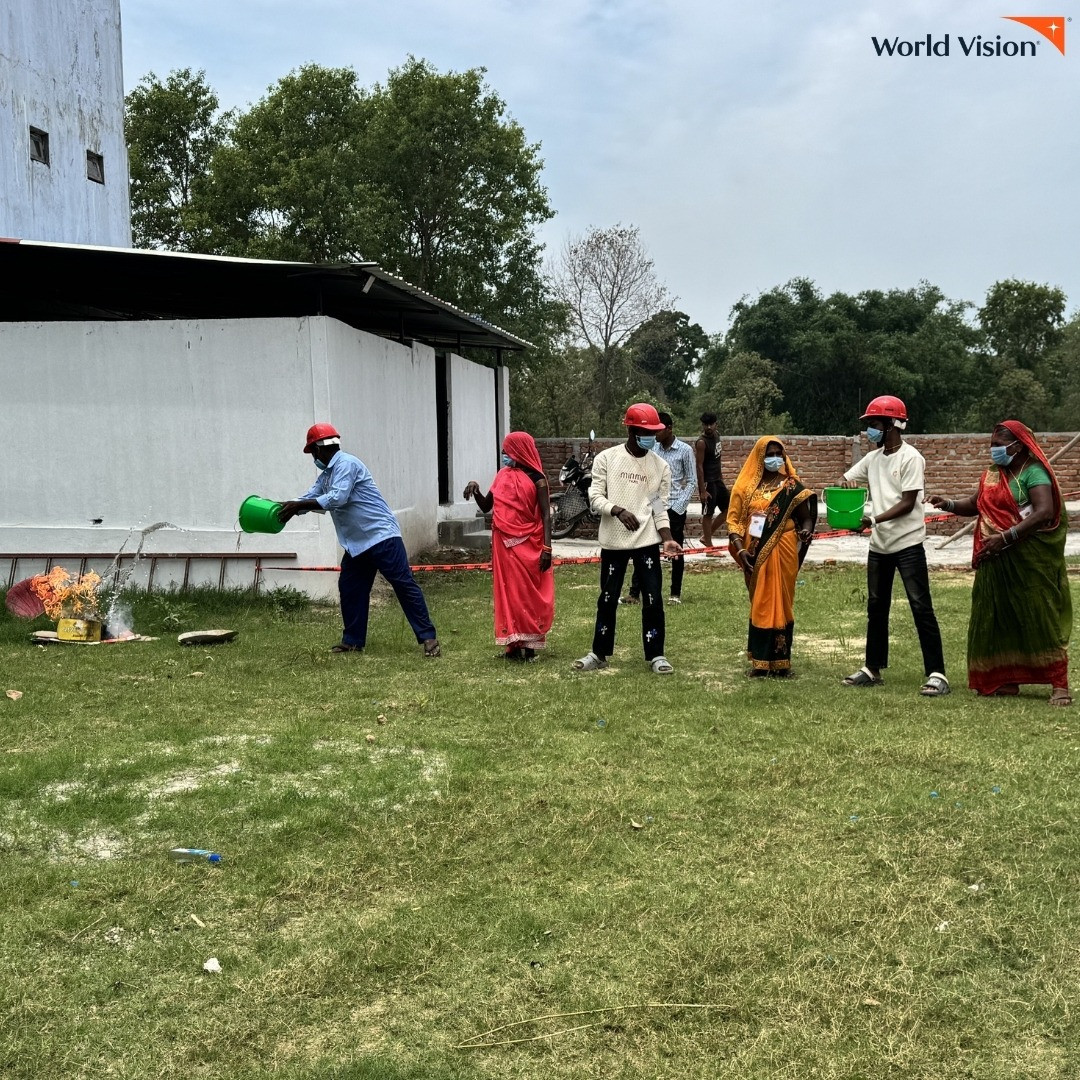
Another important area of work is community awareness and behavior change. RDC Nepal organizes campaigns, public events, school activities, and community dialogues that highlight the importance of education and the harmful consequences of child labor and child marriage. Activities such as bicycle rallies, children’s assemblies, and public discussions encourage community members to take collective responsibility for protecting children.
In conclusion, eliminating child labor and child marriage requires long-term commitment and collaboration. Local governments have the authority and responsibility to implement policies and services that protect children, while organizations like RDC Nepal play a vital role in community engagement, awareness, and advocacy. By strengthening education systems, empowering children, supporting vulnerable families, and promoting positive social norms, communities can create an environment where every child is free from exploitation and early marriage. Ensuring that children grow up safe, educated, and empowered is essential for building a more just and sustainable society.