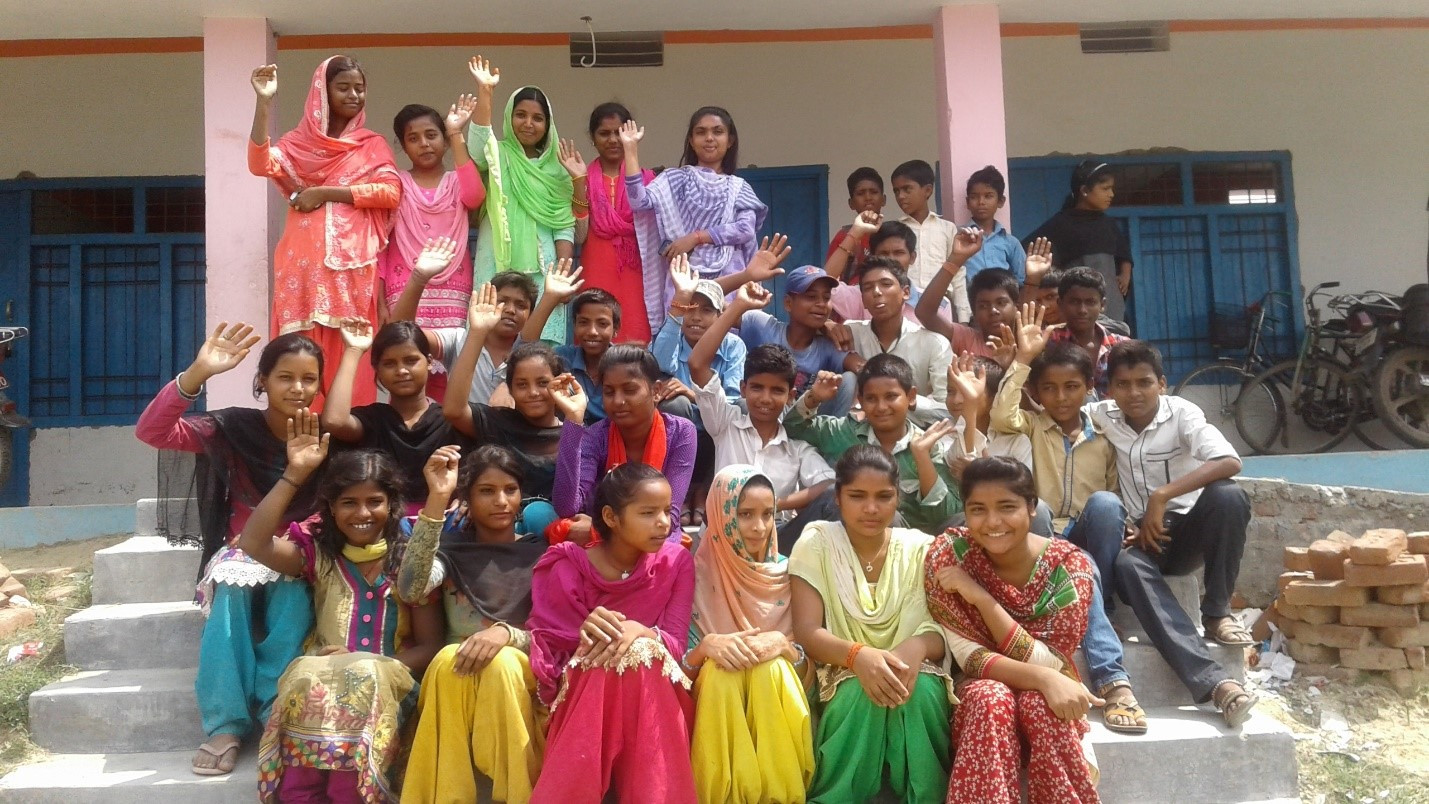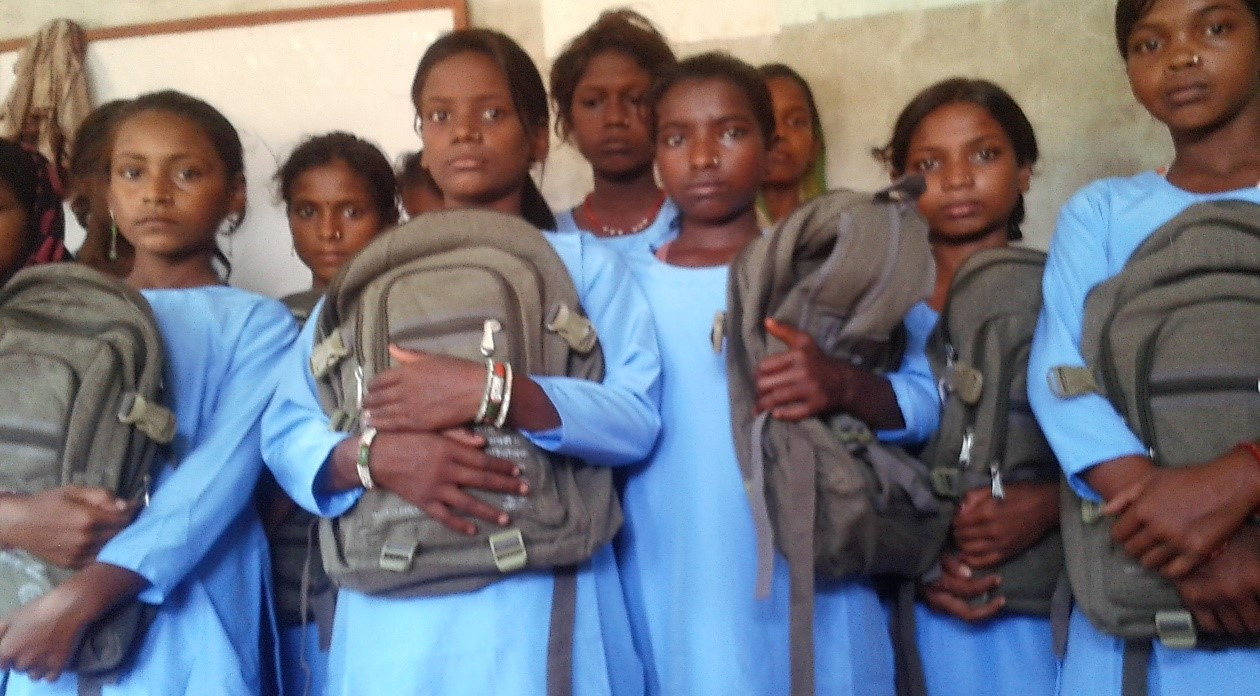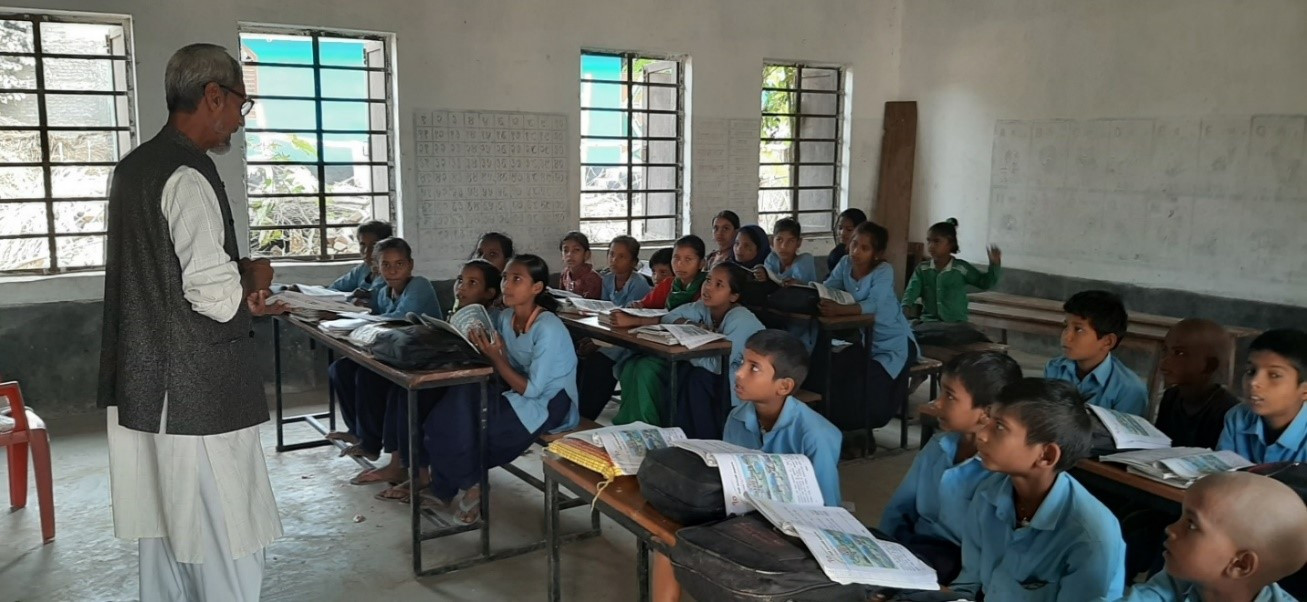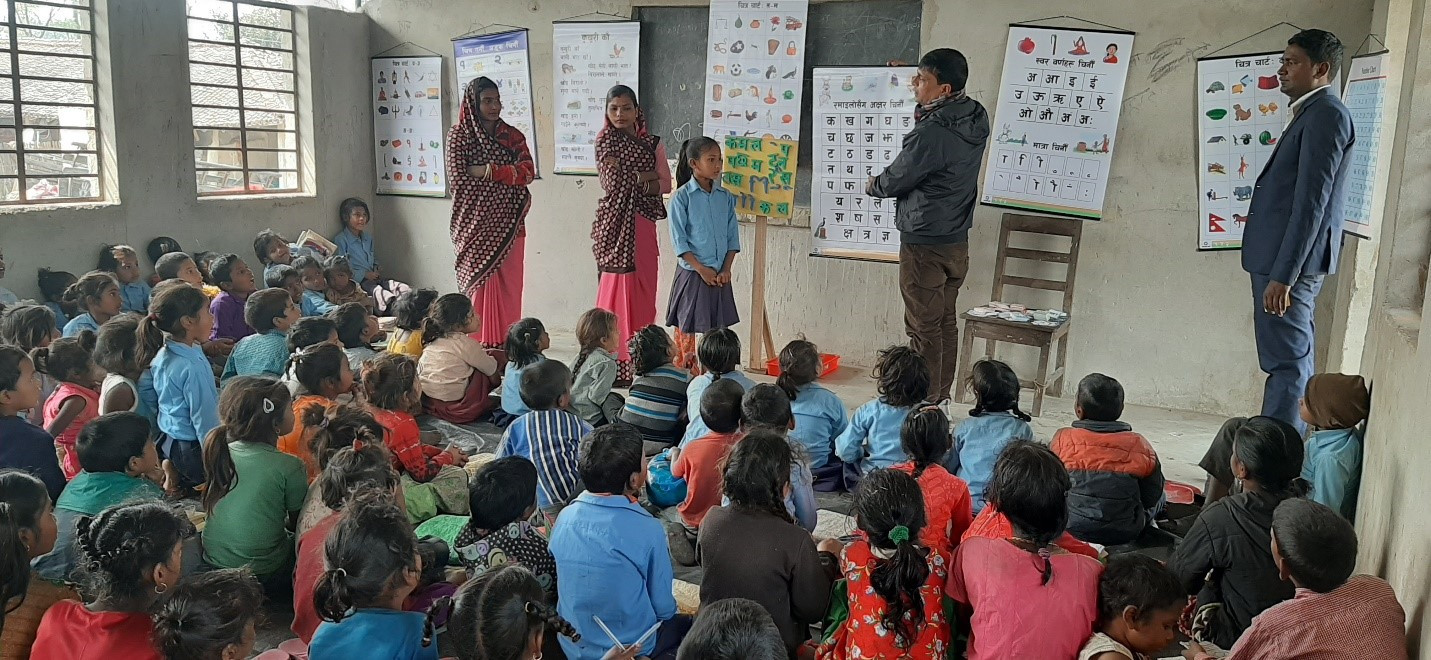
Under support of Kindernothilfe Germany, RDC Nepal initiated Reducing Child Labor in Gujara Municipality
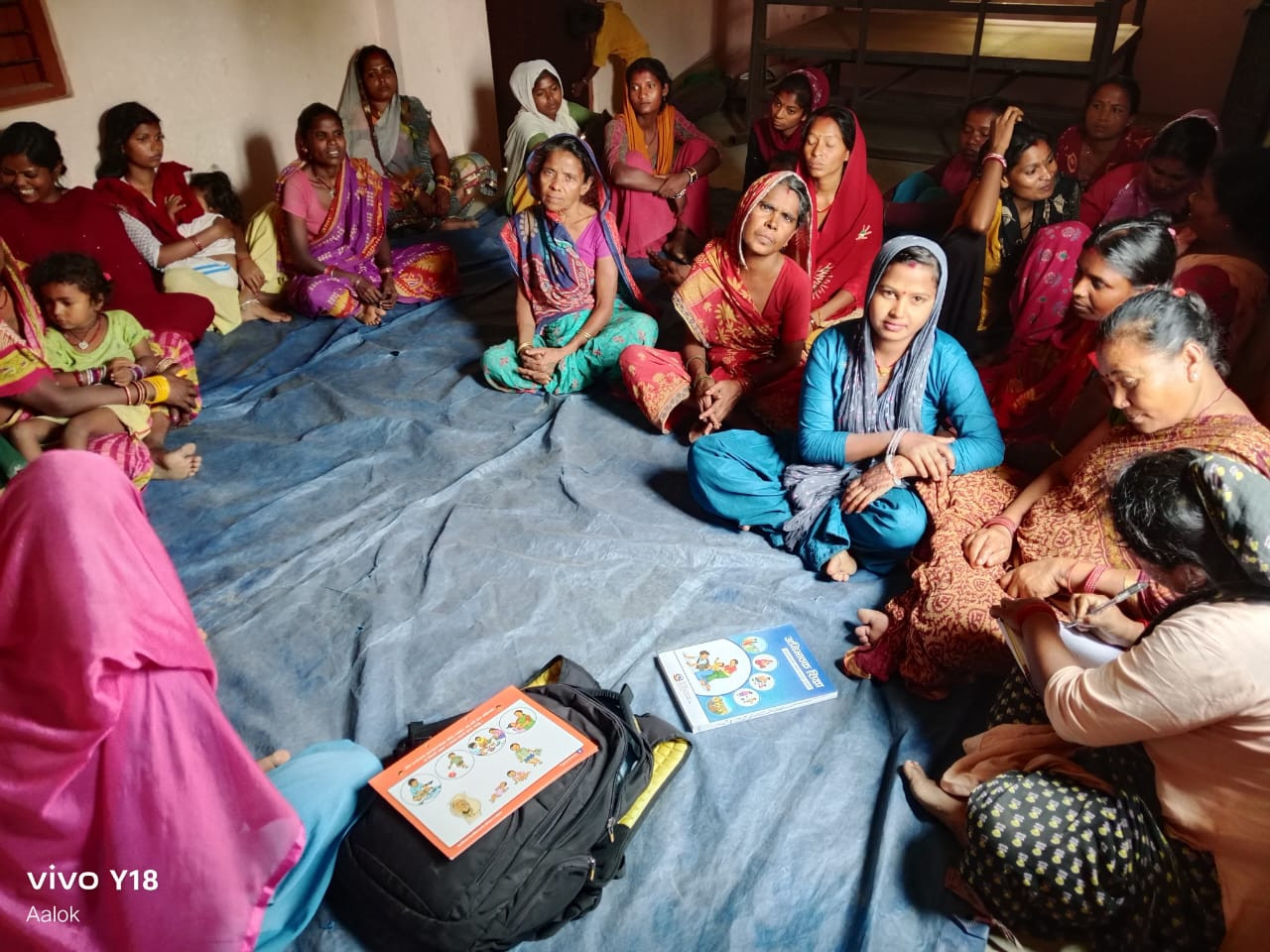
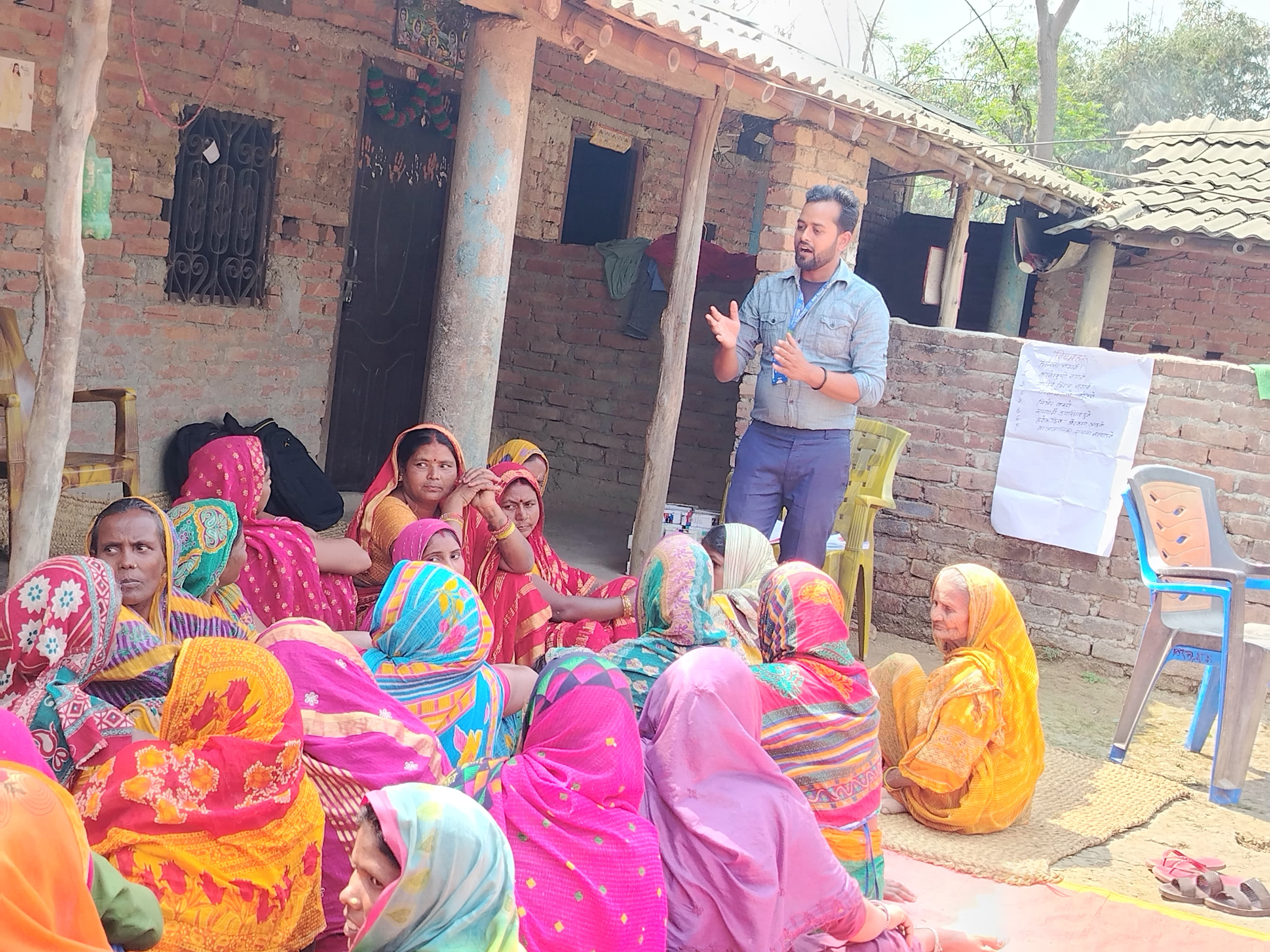
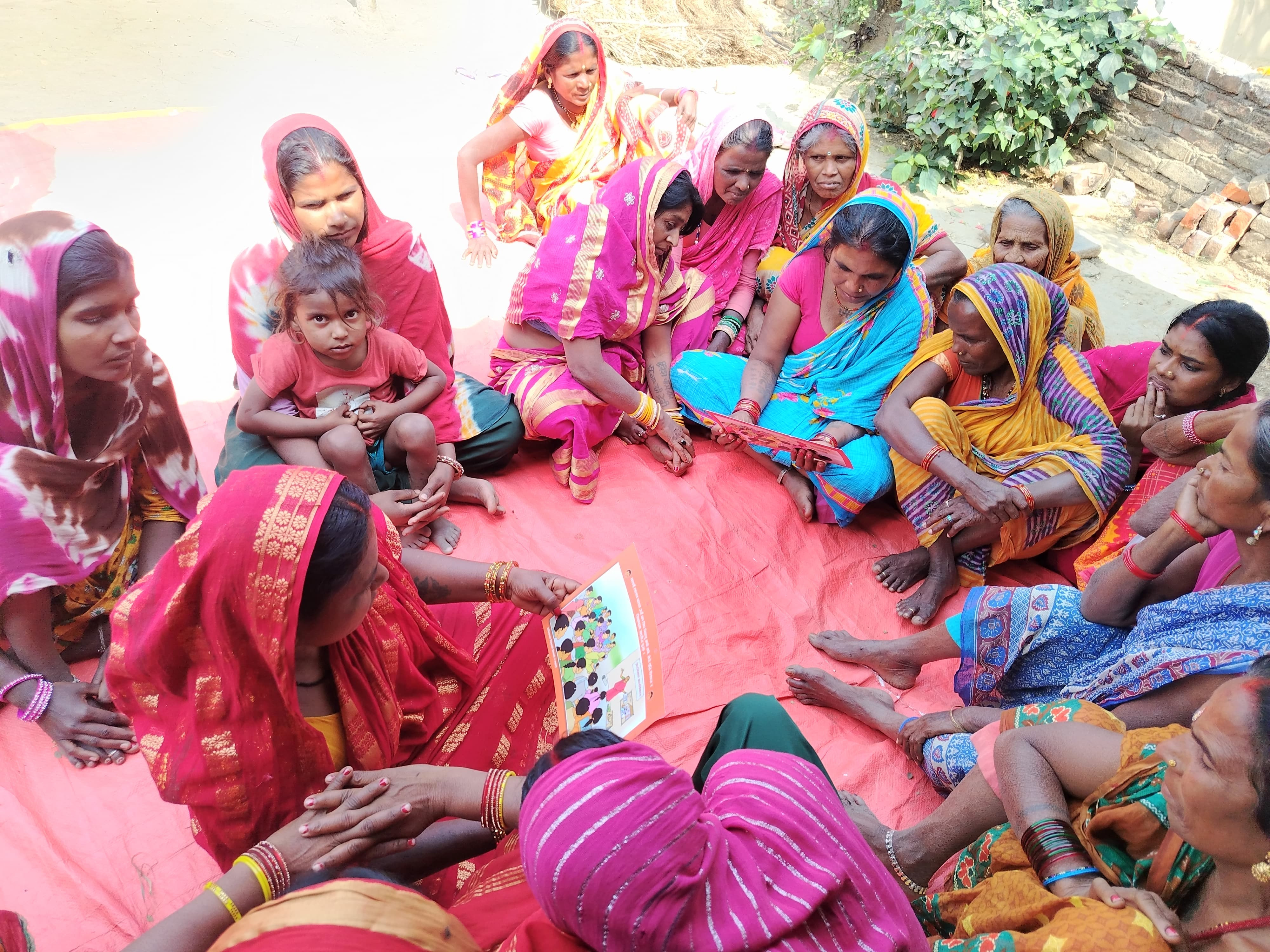
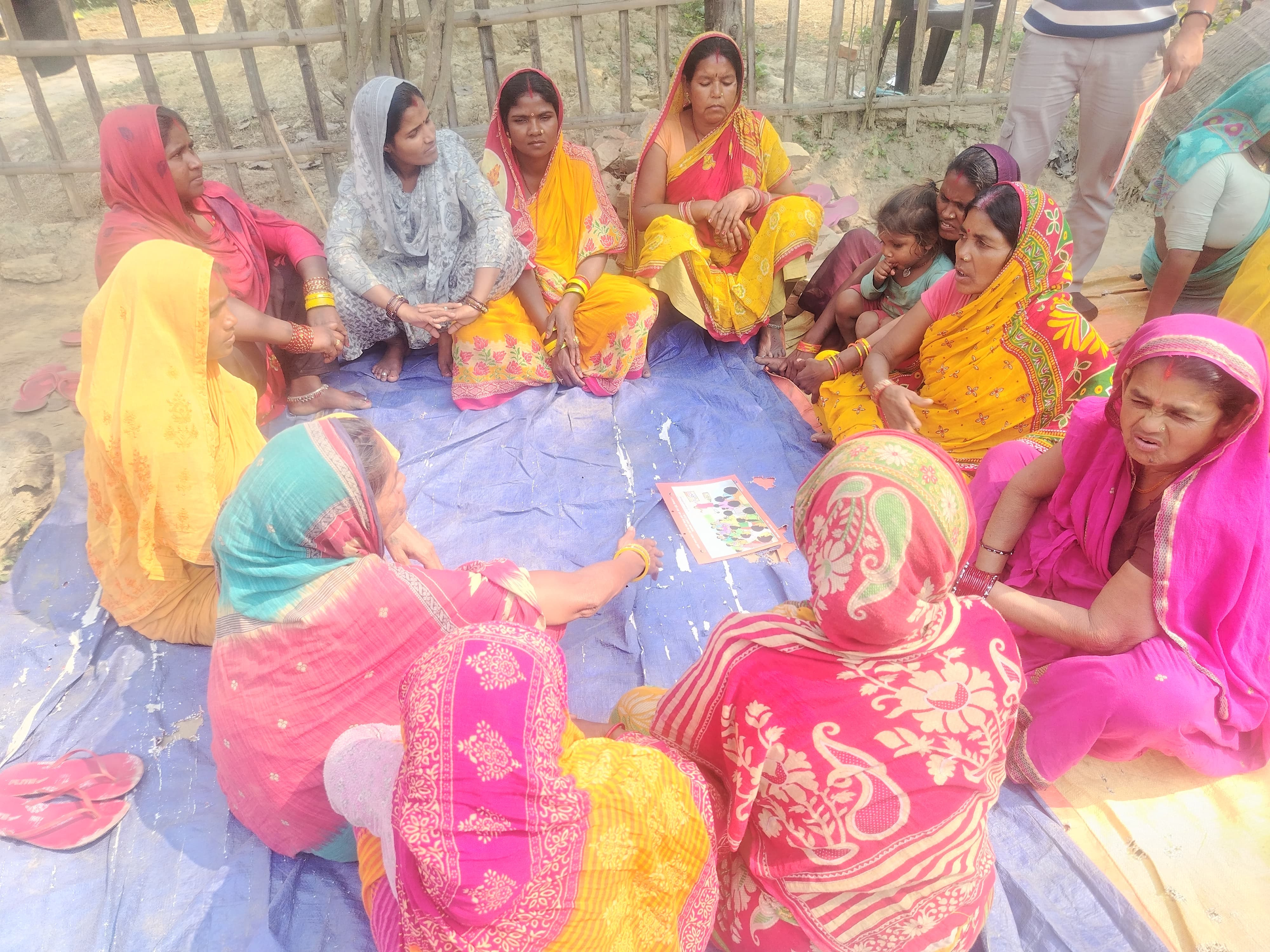
To address the root causes of child labor within marginalized communities, the project established and strengthened eight Parenting Education Groups (PEGs) as a community-based platform to enhance positive parenting practices. These groups were capacitated using the UNICEF Parenting Education Module, which provides a structured, evidence-based framework to support parents in creating safe, nurturing, and protective family environments for children. The intervention recognized that parental awareness, behavior, and decision-making play a critical role in preventing child labor and ensuring children’s well-being, education, and development.
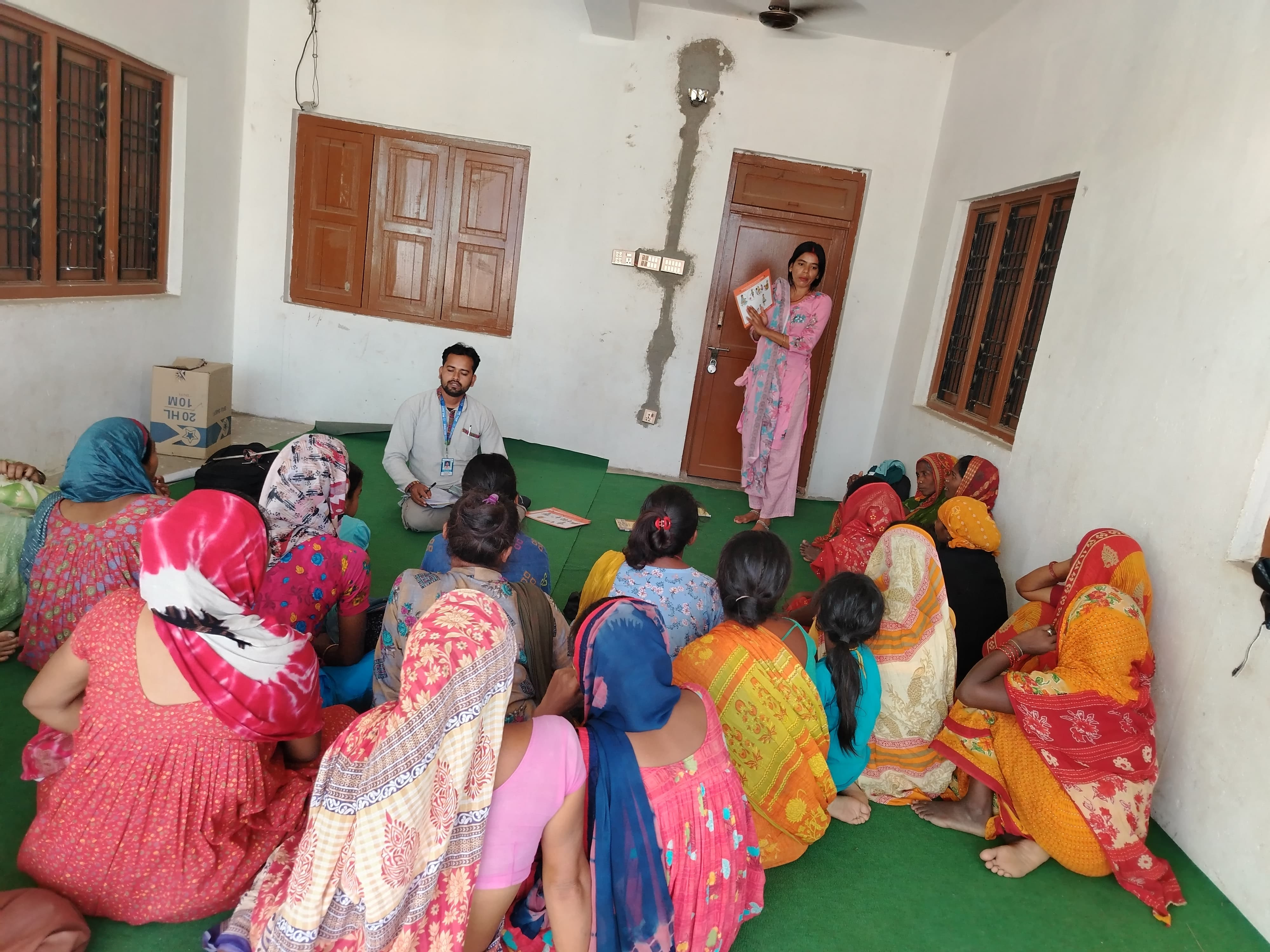
Through these eight Parenting Education Groups, more than 200 parents from marginalized and vulnerable households were systematically engaged and trained on essential parenting skills and child protection principles. The sessions focused on practical and context-specific parenting tips, including understanding children’s developmental needs, positive discipline techniques, effective communication between parents and children, and the importance of education over economic exploitation. Special emphasis was placed on helping parents understand the harmful physical, psychological, and social impacts of child labor, as well as their legal and moral responsibilities in protecting children’s rights.
The UNICEF Parenting Education Module served as the core training resource, ensuring consistency, quality, and alignment with international child rights standards. Facilitators used participatory and interactive learning methods such as group discussions, role plays, real-life case sharing, and reflection exercises to encourage active participation and peer learning among parents. This approach allowed parents to openly discuss challenges such as poverty, unemployment, social norms, and limited access to services, which often push families to involve children in labor. By addressing these challenges collectively, the groups fostered mutual support and problem-solving at the community level.
In addition to child protection, the Parenting Education Groups also promoted positive household practices that contribute to reducing child labor risks. Parents were sensitized on balancing household responsibilities without overburdening children, ensuring regular school attendance, and supporting children’s learning at home. The sessions also addressed gender roles and discrimination, encouraging equal care, education, and opportunities for both boys and girls. This focus helped challenge traditional norms that often normalize child labor, especially among children from marginalized backgrounds.

The capacitation of parents through PEGs has contributed to improved parental attitudes and behaviors toward child upbringing and protection. Parents reported increased awareness of children’s rights, greater confidence in using non-violent discipline, and stronger commitment to keeping children in school. As community-based groups, the PEGs also serve as sustainable local mechanisms for continued dialogue, awareness, and collective action against child labor beyond the project period.
Overall, the establishment and capacitation of eight Parenting Education Groups using the UNICEF Parenting Education Module has strengthened family-level protection systems and addressed child labor at its roots. By empowering over 200 parents with knowledge, skills, and supportive peer networks, the intervention has created a foundation for safer, more nurturing environments where children can learn, grow, and thrive free from labor and exploitation.