Amit’s Journey – Child Labor of Brick Kiln to School!
Background : Amit Chaudhary, a 13-year-old boy from Aurhidih, Ward-7, Gujara Municipality, lives in a small Dalit cluster of only 40–50 households. He is the eldest son in a family of four, including his parents and younger brother. The family’s situation is extremely vulnerable. Amit’s father, Rupnarayan Chaudhary (76 years), has suffered multiple paralyses and strokes, leaving him completely dependent on his wife, Prabha Devi Chaudhary (55 years), for basic care. Due to his father’s inter-caste marriage, the family was expelled from their original lineage and settled in the Dalit cluster, living with no land or sustainable income.
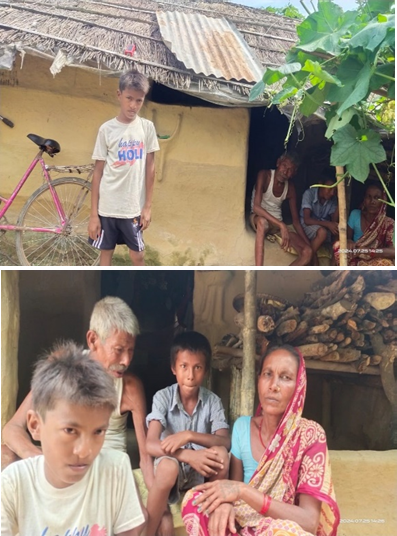
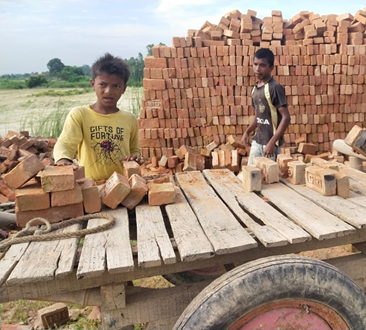
Given these circumstances, Amit was forced to shoulder major household responsibilities at a very young age. He had to work full days at a brick kiln, carrying and making bricks, earning only NPR 300 daily—well below the standard wage of NPR 500. The work was seasonal, lasting 6–7 months, and during the off-season, he traveled to other construction sites, sometimes staying 2–3 months away from home. The grueling labor and financial responsibilities forced Amit to drop out of school, depriving him of his childhood and education.
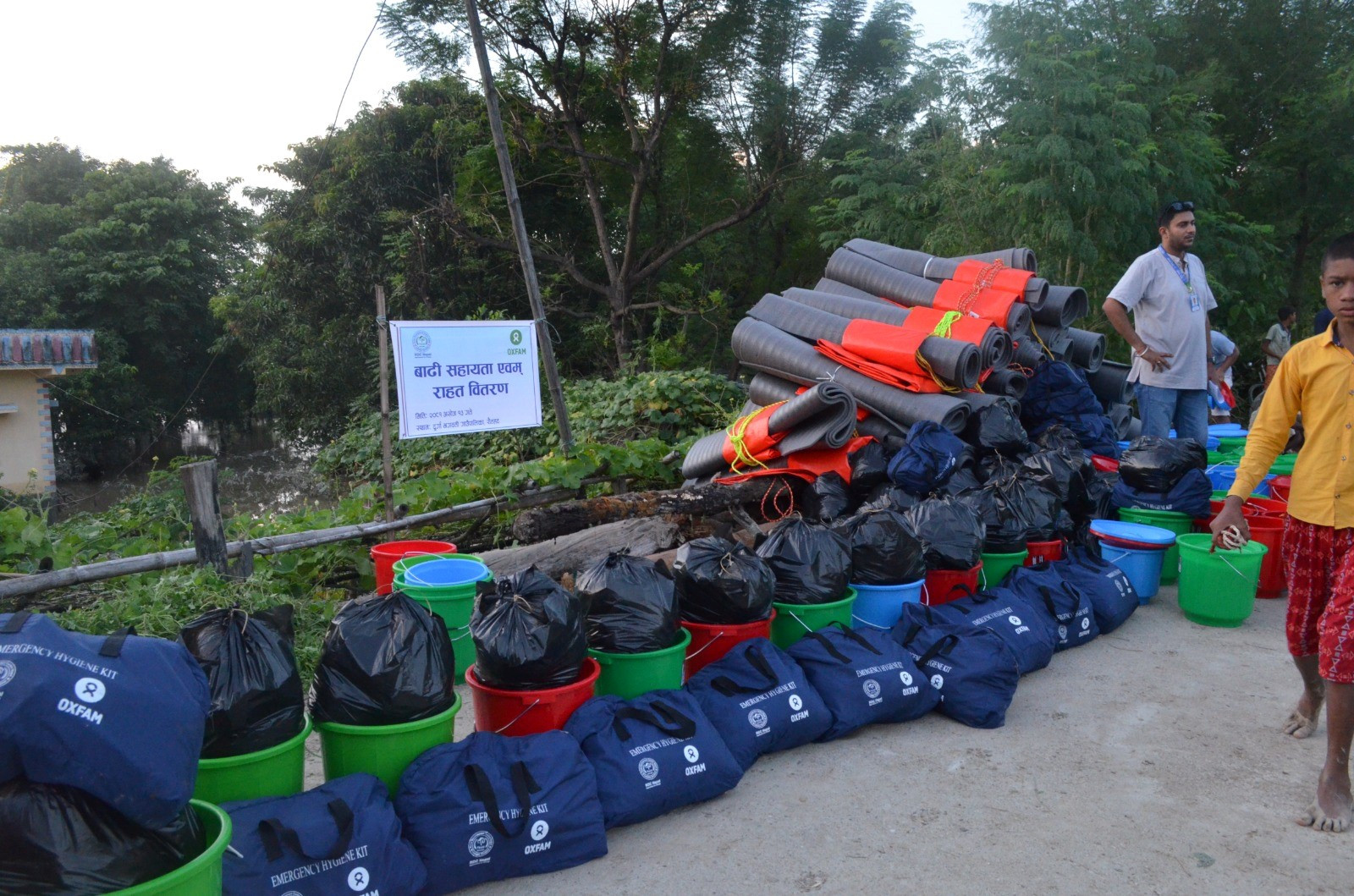
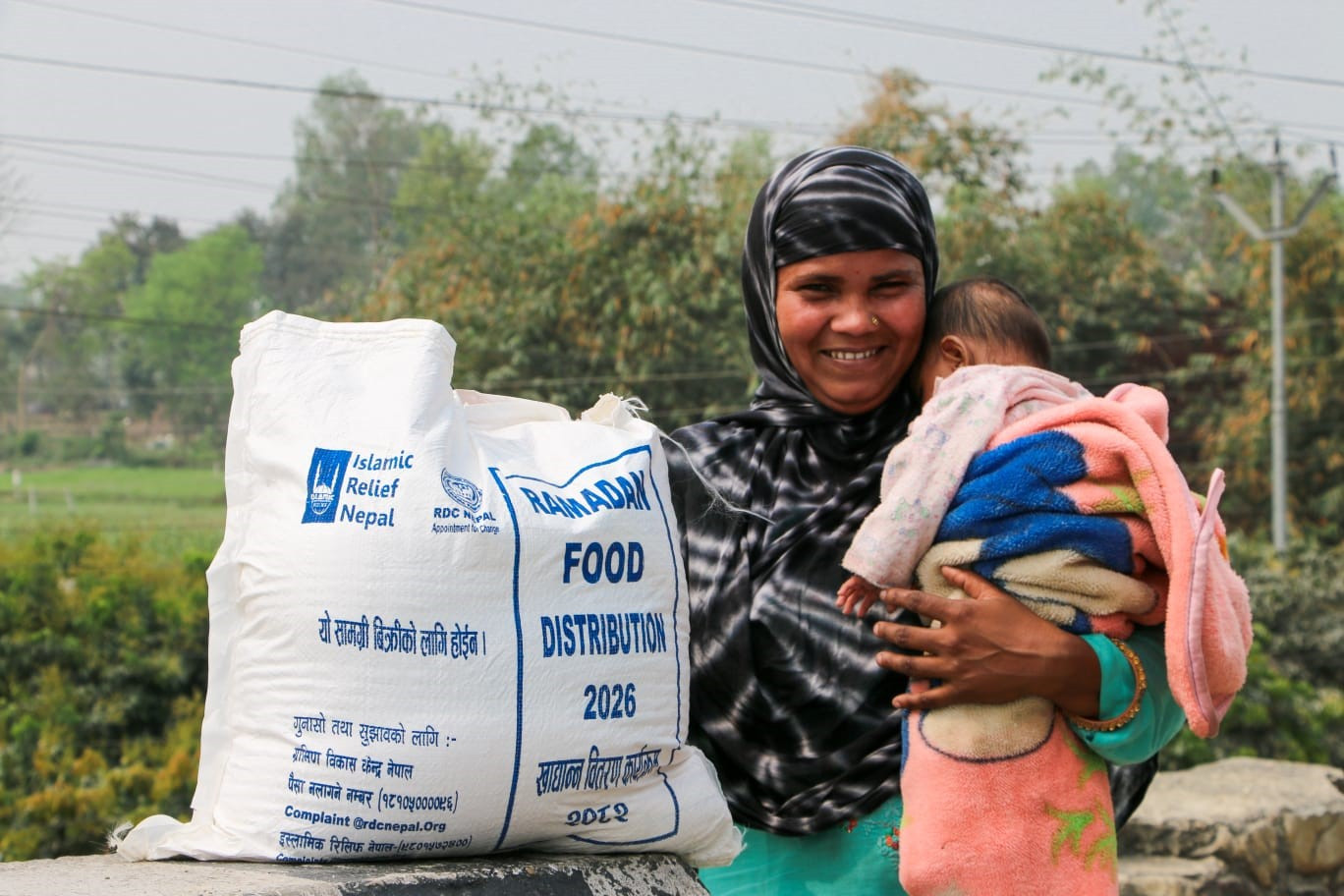
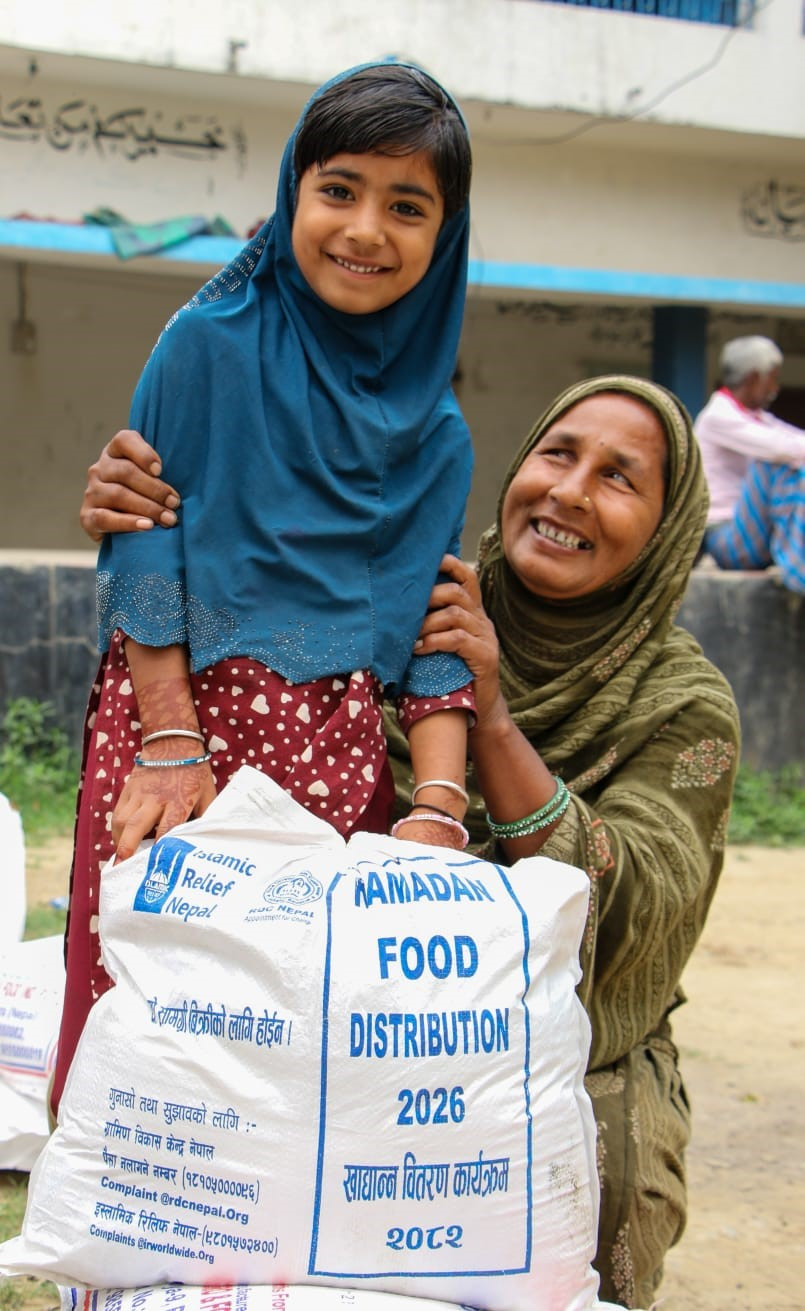
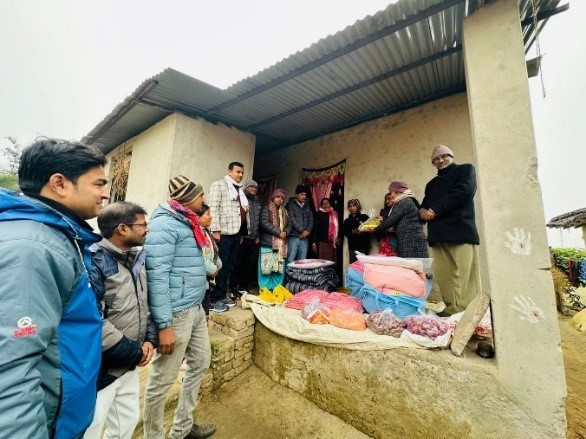
Project Intervention : Through the RDC Nepal Reducing Child Labor Project, supported by KNH, interventions were implemented in coordination with the Municipal Child Rights Committee (MCRC) and Ward Child Rights Committee (WCRC). The project encouraged Amit to return to school and provided immediate consumption support, including rice, lentils, potatoes, oil, salt, flour, and spices, to meet the family’s essential needs. Amit and his brother also received school supplies, bags, stationery, shoes, and winter clothing, ensuring that basic barriers to education were addressed.
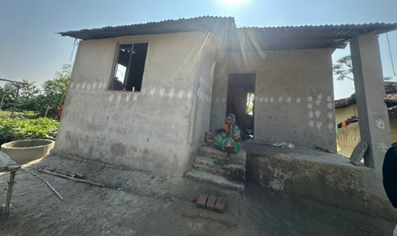
The family’s living conditions were improved through coordination with the local government and the provincial housing program. Their old, leaking hut was replaced with a new three-room house with a CGI sheet roof. These interventions significantly improved the family’s stability, allowing both Amit and his brother to attend school regularly.
Current Situation: Amit’s life has changed positively. He now attends school consistently and aspires to achieve success through education. While he occasionally undertakes labor work during holidays or for urgent family needs, his mindset has shifted toward long-term goals. Amit expresses determination to support his younger brother’s education and to build a better future for his family.
His mother, Prabha Devi Chaudhary, reflects on the project’s impact: RDC Nepal’s consistent support with food, clothing, and educational materials has allowed both her children to continue schooling. She is motivated to start a small business to contribute to the family income while ensuring Amit can focus on his education.
Conclusion
Through targeted interventions addressing both immediate needs and long-term barriers, the project has transformed Amit’s life, enabling him to resume schooling, alleviating extreme poverty, and providing hope for a sustainable future. This case illustrates the critical importance of integrated child protection, education support, and livelihood interventions in breaking the cycle of child labor.