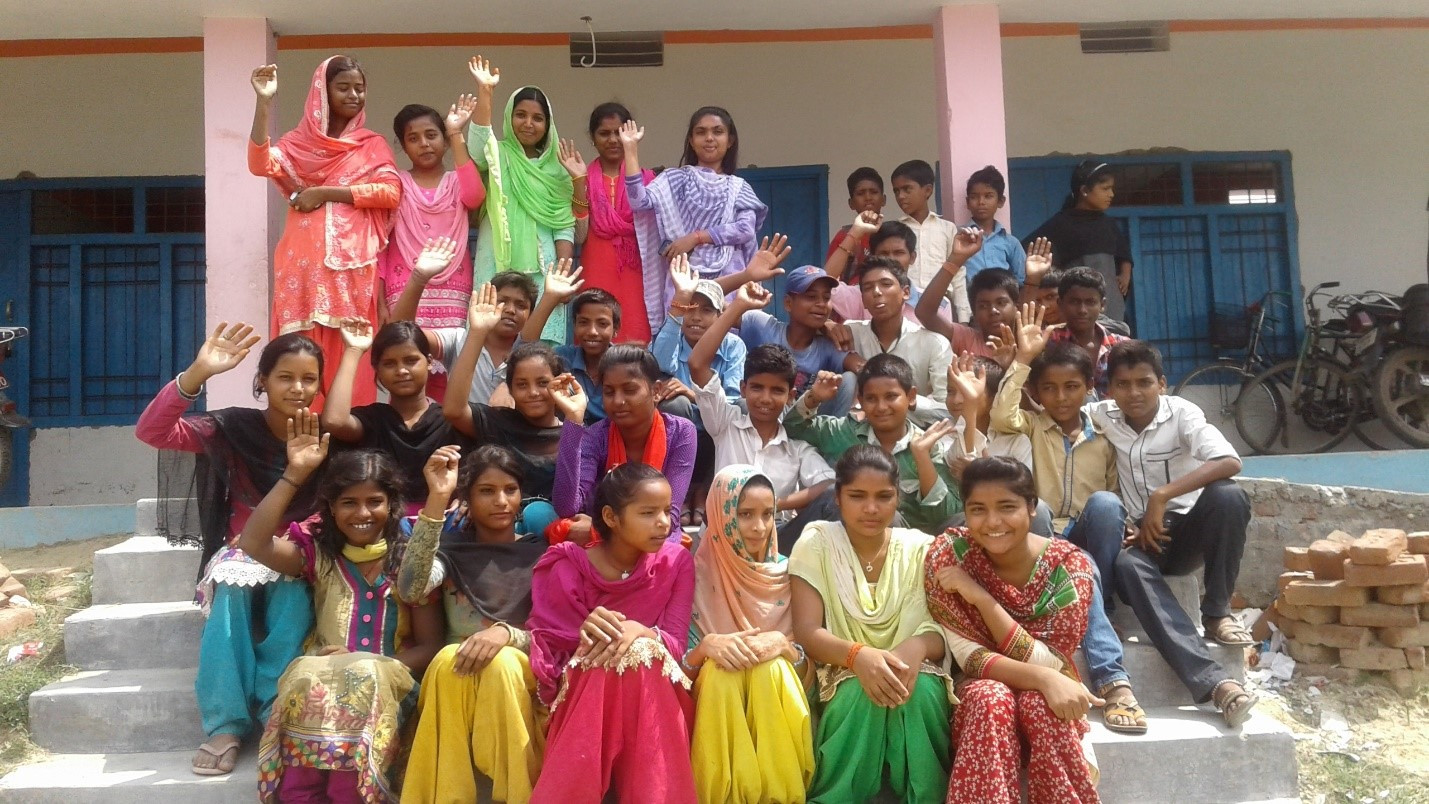
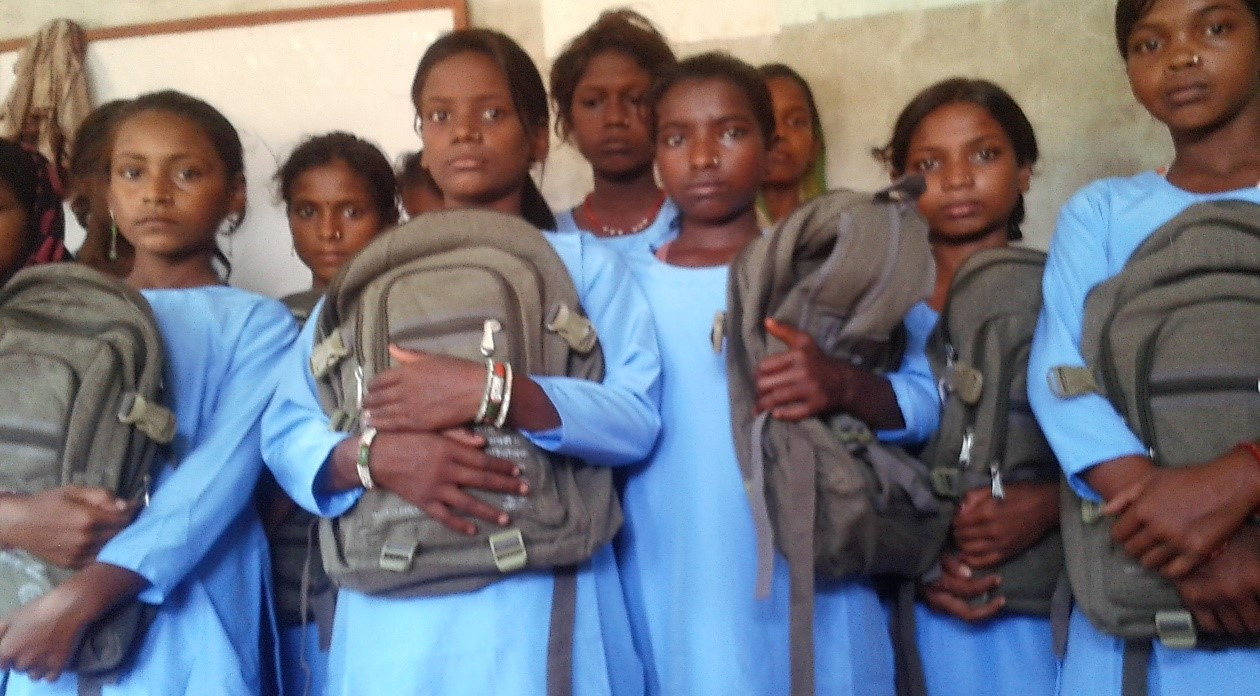
Under the Reducing Child Labor (RCL) Project implemented by RDC Nepal, tracksuits and shoes were provided to vulnerable children of Gujara Municipality with the objective of supporting their continued school attendance and minimizing the risk of child labor. This intervention addressed one of the key barriers to education faced by children from economically disadvantaged households—lack of basic school-related clothing and footwear.
In Gujara Municipality, many children from poor, marginalized, and labor-prone families are at high risk of dropping out of school due to poverty. Parents struggling to meet daily household needs often prioritize income generation over education, resulting in children being engaged in labor at brick kilns, farms, shops, or domestic work. In such contexts, the inability to afford school uniforms, tracksuits, or proper shoes becomes a significant factor contributing to absenteeism, low self-esteem, and eventual school dropout.

The provision of tracksuits and shoes aimed to reduce this economic burden on families while creating a supportive and motivating learning environment for children. By ensuring that children had appropriate and dignified clothing for school, the intervention helped restore their confidence and sense of belonging among peers. Proper footwear also played an important role in protecting children’s health and safety, especially for those who walk long distances to school or attend classes during adverse weather conditions.
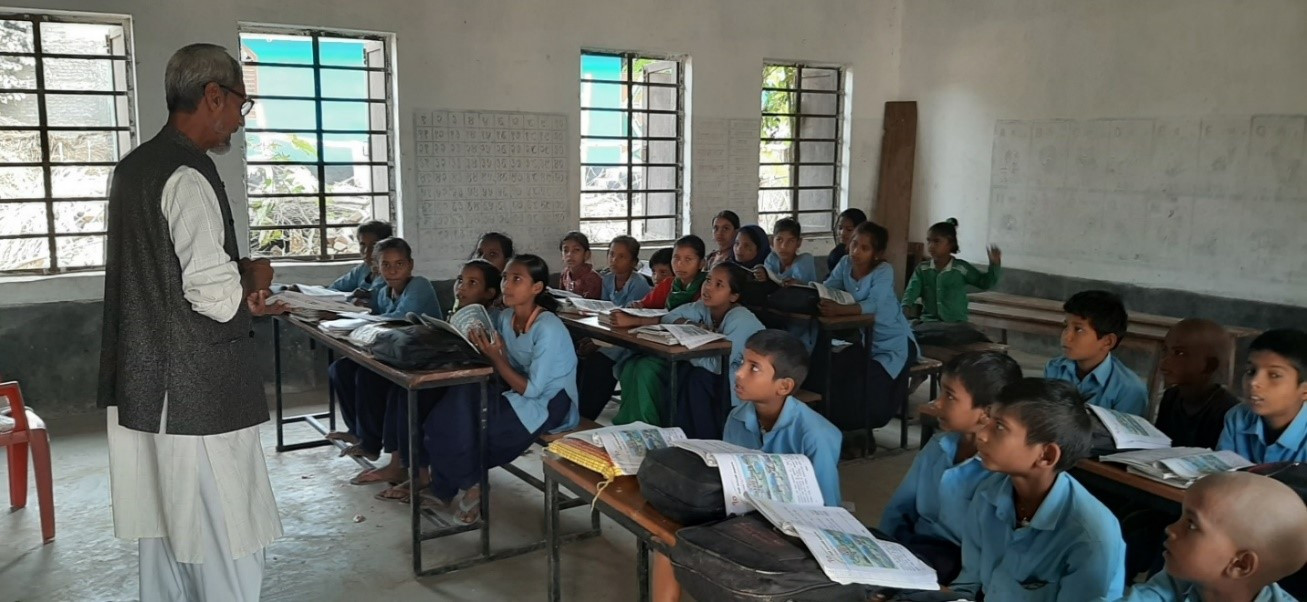
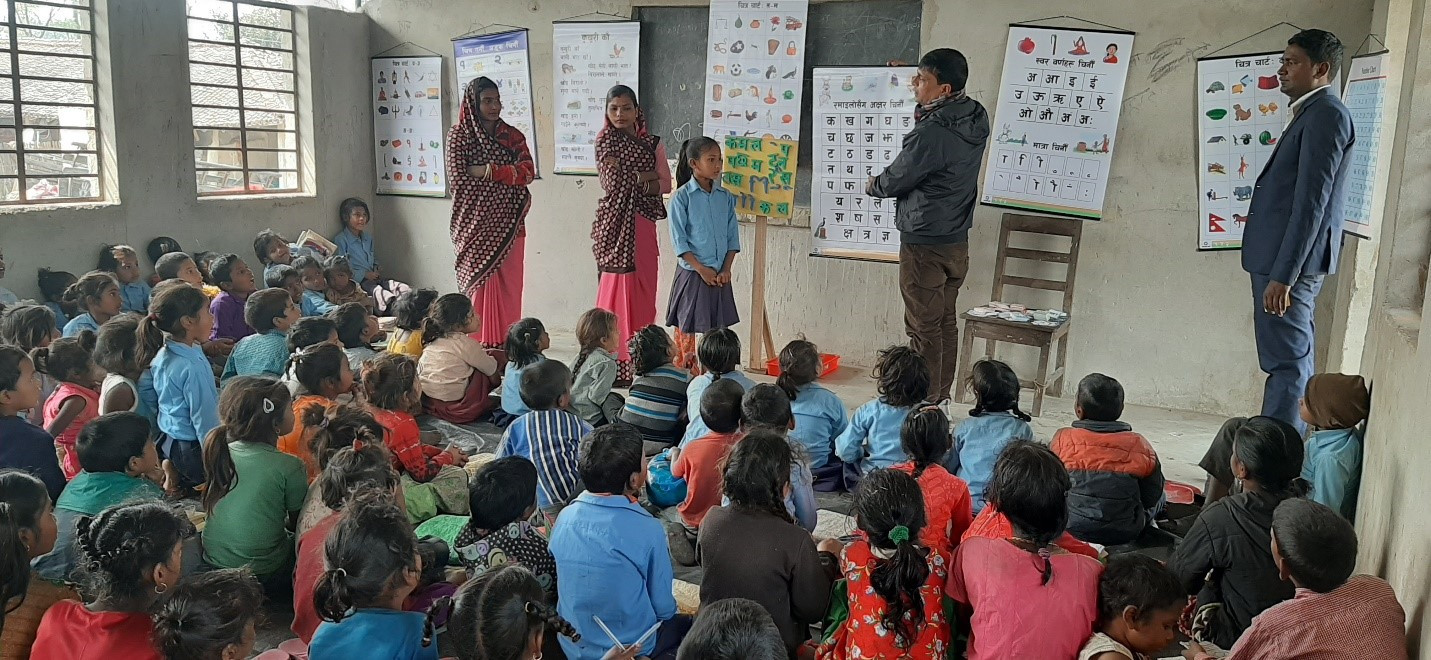
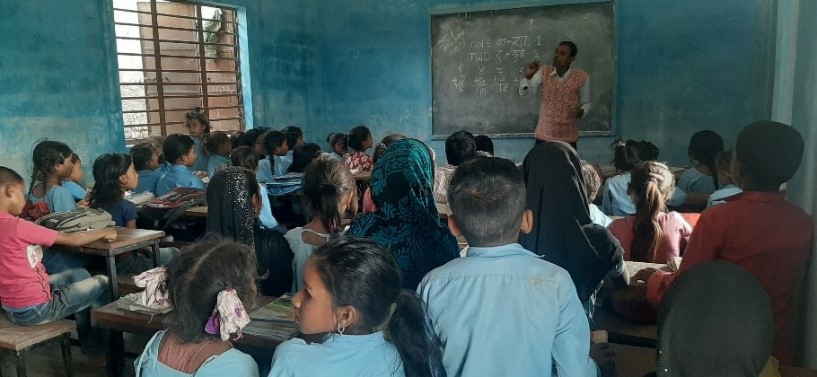
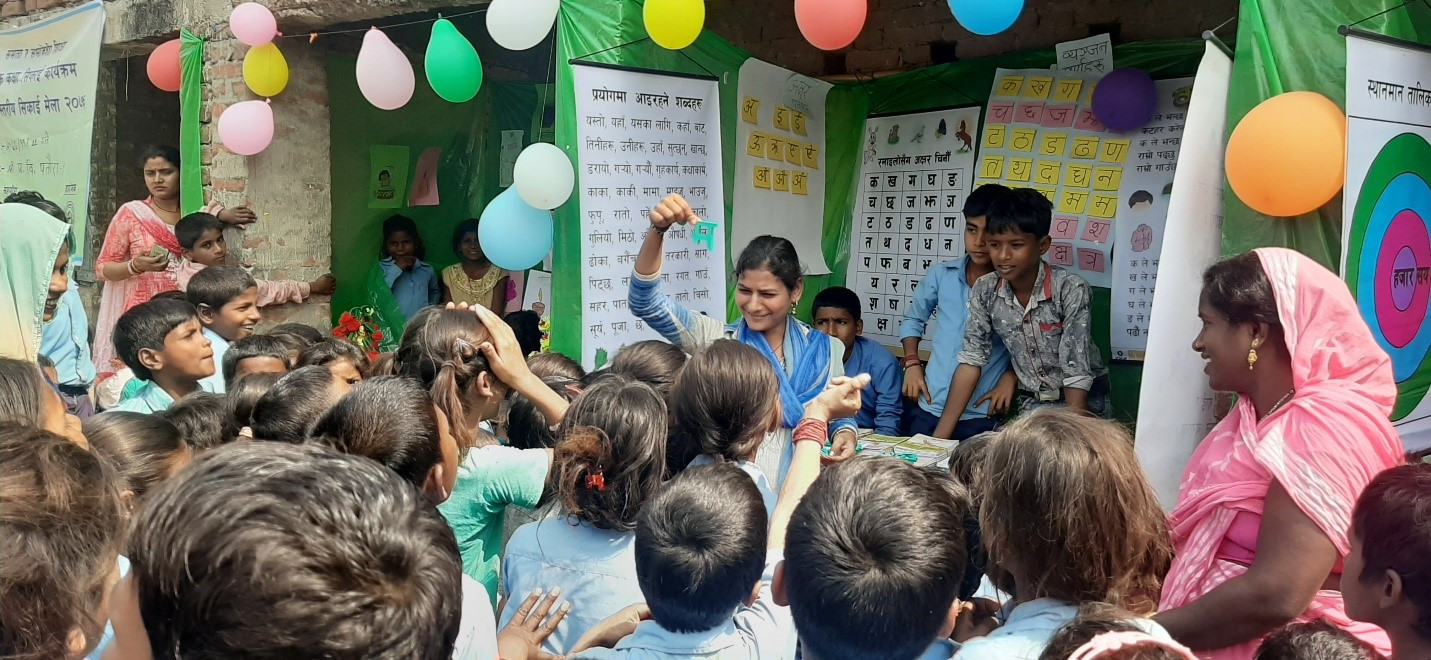
This support directly contributed to improved school attendance and retention. Teachers and school management committees reported a noticeable reduction in absenteeism among supported children, along with increased participation in classroom and extracurricular activities. Children expressed happiness and renewed motivation to continue their education, as the provision of tracksuits and shoes reduced feelings of shame or exclusion that often discourage attendance.
From a child protection perspective, the intervention significantly contributed to the prevention of child labor. By removing practical obstacles to schooling and reinforcing the importance of education, the initiative reduced the likelihood of children being pushed into labor by economic hardship. Parents, relieved of the immediate financial pressure, became more supportive of their children’s education and more aware of the long-term benefits of keeping children in school.
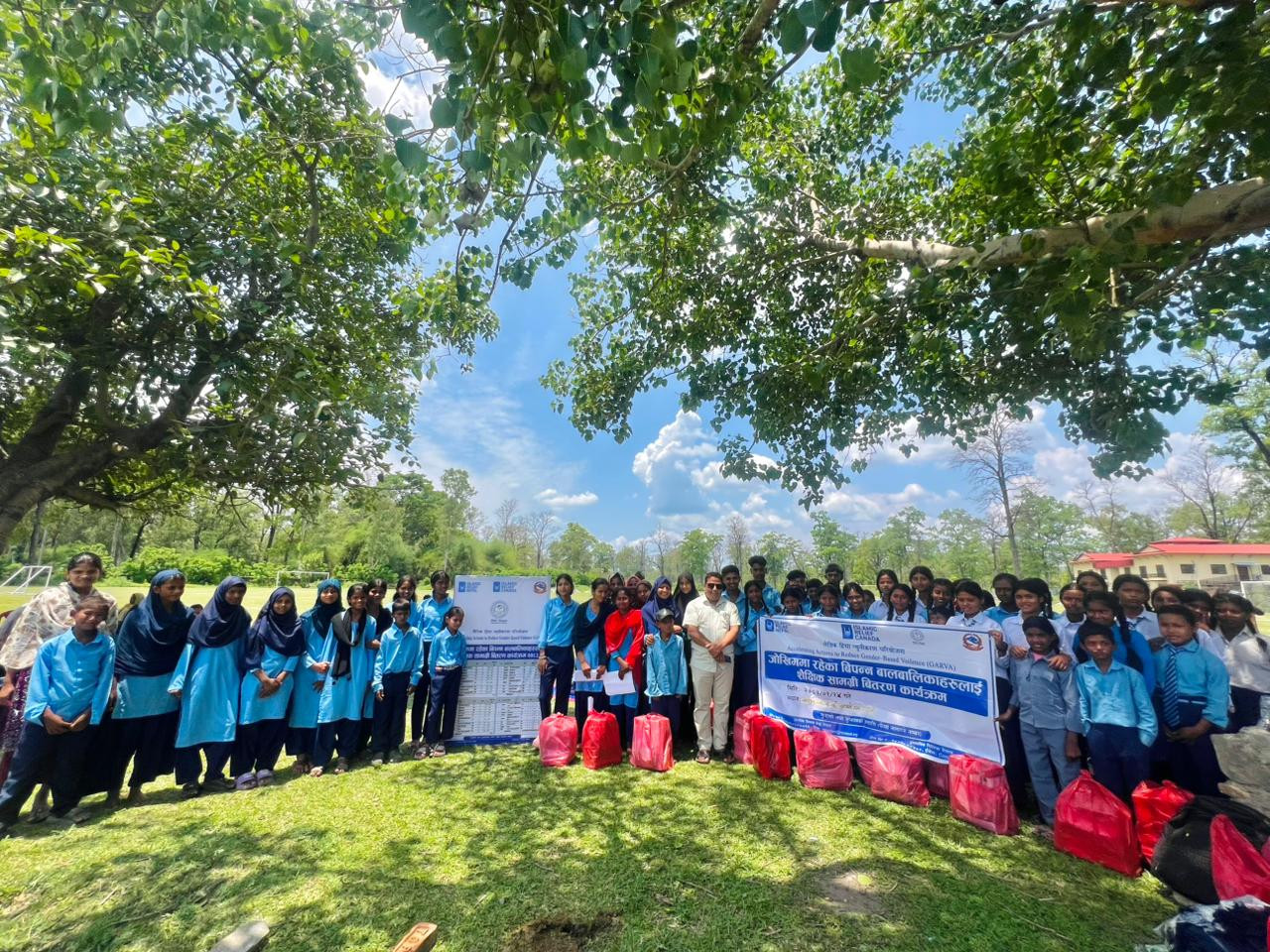
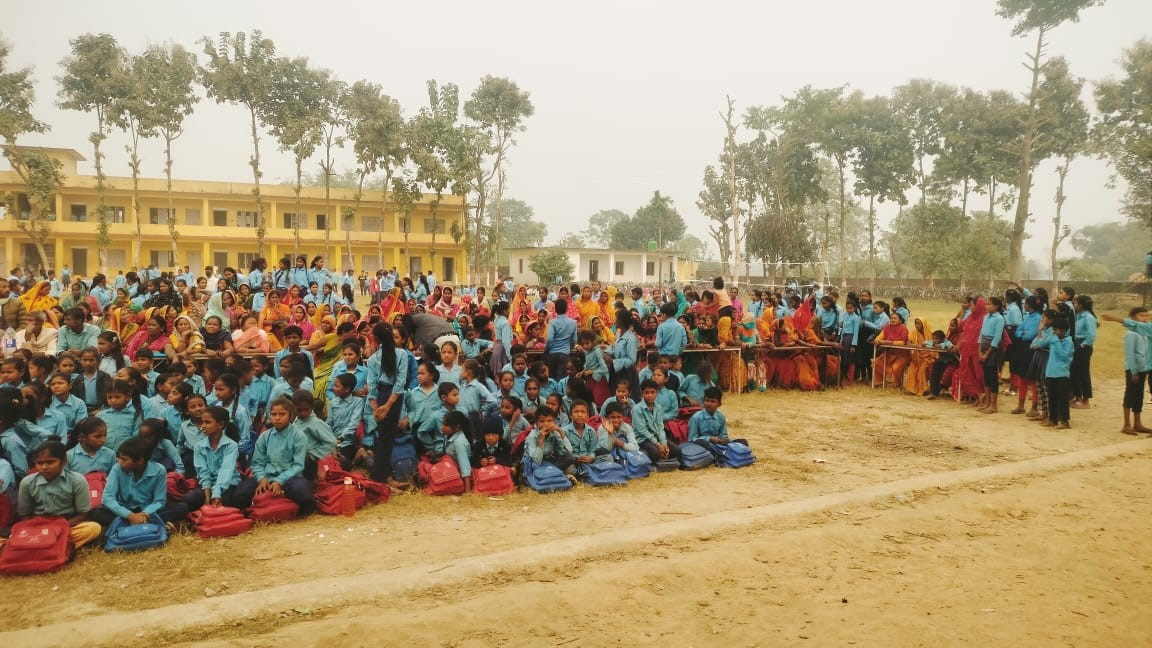
The distribution process was conducted in coordination with local schools, child clubs, and municipal representatives to ensure transparency, fairness, and targeting of the most vulnerable children. Priority was given to children from child labor–prone households, Dalit and marginalized communities, and families with limited or no income sources.

Overall, the tracksuits and shoes support under the RCL Project represents a practical and impactful intervention by RDC Nepal. By addressing immediate material needs, strengthening school retention, and reducing vulnerability to child labor, the initiative contributed meaningfully to the protection of children’s rights and the promotion of education in Gujara Municipality.