Funding Partner: World Vision International Nepal
Project Name: Nutrition and Resilience Livelihood Project - Protection community engagement and sponsorship project
Project Objective:
- Increase in children who are well nourished (0-5)
- Increase in boys and girls protected from violence
Brief Summary of Project:
The Nutrition and Resilient Livelihood Program is an integrated initiative designed to improve maternal and child health, strengthen local government capacity for inclusive and gender-responsive health systems and expand year-round access to nutritious food for vulnerable households. By focusing on the bottom income quintiles, the program supports families in meeting essential dietary needs while enabling the lowest 40% of households to grow their incomes above the national average. Through livelihood support and resilience-building measures, it aims to reduce poverty and protect communities from climate-related extremes and other social, economic and environmental shocks, ultimately fostering sustainable health and economic outcomes.
Child Protection:
RDC Nepal works to strengthen both formal and informal community systems that safeguard women and children, enhance children’s resilience and reduce harmful practices affecting vulnerable groups. While awareness-raising is recognized as an essential first step, the organization emphasizes the need for enabling systems that sustain the impact of child protection programs and campaigns against child marriage. In addition, RDC Nepal intentionally engages children in meaningful ways, fostering their leadership, life skills, and protective capacities to mobilize collective action on child protection issues. Through collaboration with local child rights committees (CRCs) and government bodies, RDC Nepal has contributed to the establishment and operationalization of local policies and services, thereby advancing child protection initiatives, securing resource commitments and influencing policy decisions.
Child Sponsorship:
Child sponsorship serves as a vital bridge between sponsors and vulnerable children, fostering transformative experiences while advancing the overall well-being of children. By creating environments that provide essential needs today and opportunities for tomorrow, sponsorship initiatives strengthen communities to ensure that all children are healthy, educated, protected, cared for, and actively engaged. Beyond supporting registered children, project activities extend benefits to entire families and communities, addressing barriers that hinder children from experiencing life in its fullness. Sponsors remain connected through progress reports, personal communication, and opportunities to encourage or visit their sponsored child, reinforcing the impact of their support. By the end of FY25, 6647 registered children had directly benefited from these initiatives, reflecting the program’s broad and sustainable contribution to child development and community resilience.
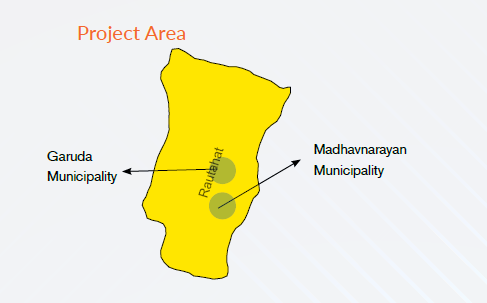
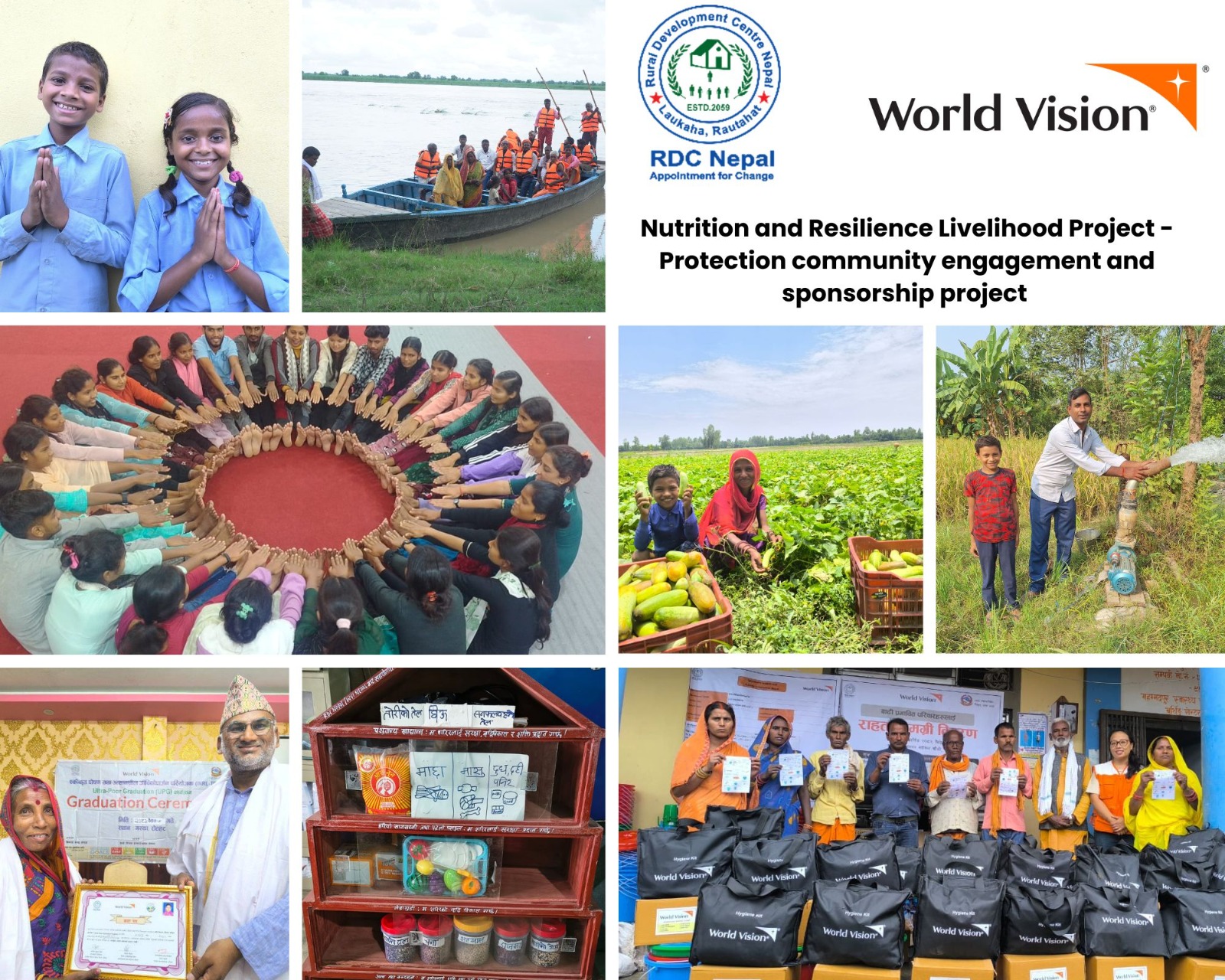 FY25 saw significant progress in improving nutrition and building resilient livelihoods for vulnerable families. Aligned with SDG 3, the program addressed malnutrition, poverty, and limited access to essential services through targeted interventions and evidence-based models like Positive Deviance Heart Plus and Citizen Voice and Action. The program operated across two municipalities, focusing on health and nutrition, livelihood, and resilience. Through the advocacy efforts of the Citizen Voice and Action (CVA) groups, a new building for the Jaynagar Health Post has been constructed. This advocacy has also helped improve services in peripheral health facilities, as new HP buildings are under construction. The quality of general OPD services has been improved, and some HFs arrange free ambulance services for pregnant women during delivery.
→To achieve the NFLG milestone, we have been working jointly with the Garuda and Madhavnarayan municipalities, declaring nutrition-friendly health facility status in Ward 8 and 9 of Madhavnarayan and Garuda, respectively.
→Among the total enrollment of 1,432 children in the Positive Deviance Hearth session (PDH) this year, 51.77% moderately acute malnourished children have adequate weight gain (≥900g), and 46.2% graduated during the three-month monitoring period. PDH is a community-based rehabilitation approach endorsed in the WVI-funded project in Garuda and Madhavnarayan municipality.
→64 ultra-poor HHs enrolled under the Ultra Poor Graduation (UPG) program have successfully graduated, bringing the total to 328 households (90%) graduating between 2021-25. This indicates that these households are moving out of poverty. Project interventions, including production input support, kitchen gardening, and livelihood promotion, helped 269 families (Dalit: 42.42%, Madhesi: 39.94%, Muslim: 17.63%) increase their income and provide nutritious food at home. As a result, the average household income has increased by USD 50, enabling parents to better meet child nutrition priorities.
→The project empowered 369 members, including 355 women, to adopt saving behaviors and improve household financial management through 19 Saving for Transformation groups, while promoting social empowerment. Access to financial institutions among households increased by 79%, from 21% to 100%, with families actively practicing savings and credit use. More than 82% of women reported participation in household decision-making, such as decisions regarding the purchase of household assets.
→Ward-level Disaster Management Committees were formed in Wards 7, 8, and 9 of Madhav Narayan Municipality. A two-day capacity-building training was provided, and as a result, all three committees are now fully active and functioning effectively.
→In FY25, child protection work focused on empowering children, strengthening systems, and addressing harmful norms. Over 1,500 children participated in empowerment activities, building their resilience and advocacy skills. Nearly 2,025 parents learned positive parenting techniques. Child protection systems were strengthened through local context analyses, strategic plans, and improved Local Child Rights Committees. Policy influence reached over 400 policymakers, promoting child-friendly local governance with children actively advocating for their needs. Faith leaders were engaged to address harmful social norms, and school safety was improved through awareness activities and a better complaint mechanism.
→Technical support was provided to 15 child clubs and 2 child networks in capacity building, regular mobilization, and the decision-making process.
→360 adolescents among whom 177 are girls, were capacitated on Rupantaran and life-skills training through 18 Rupantaran sessions.
→Rupantaran Peer Facilitators and child club members were mobilized to organize 18 drama events at working areas. These events aimed to promote behavior change related to nutrition, enhance good health, reduce gender-based violence (GBV), and raise awareness against substance abuse.
→To achieve the CFLG milestone, we have been working jointly with the Garuda and Madhavnarayan municipalities, declaring child-friendly local governance in Ward 8 and 9 of Madhavnarayan and Garuda, respectively. Till this period, grassroots-level indicator assessments were done, local CFLG committees were formed, policy gaps, technical and financial support were provided in the development of anti-child marriage procedure and child labor-free procedure, and a municipal 5-year strategic child development plan.
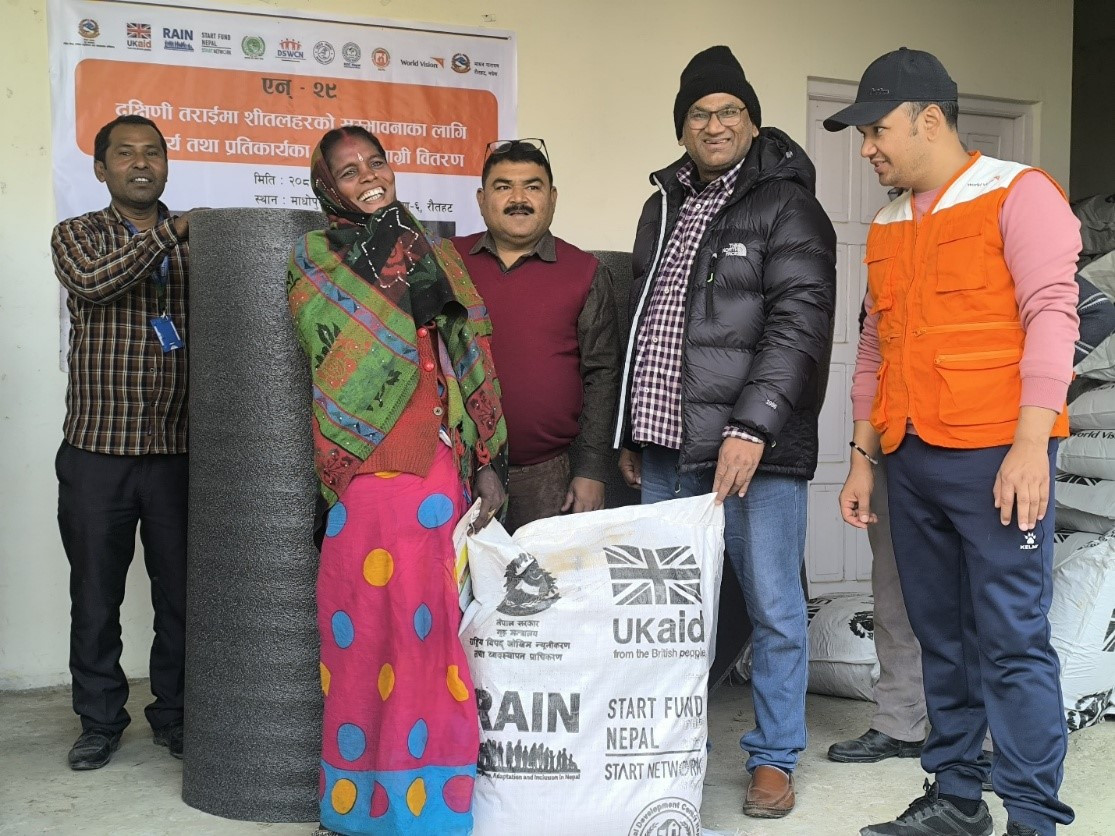
→RDC Nepal, in partnership with World Vision International Nepal and Start Fund Nepal, successfully provided life-saving relief to over 15,000 flood-affected people (2,500 households) in Madhav Narayan Municipality, distributing 1,495 food aid packages, 693 NFI kits, 500 kitchen kits, 500 hygiene kits, 500 dignity kits, nutrition top-ups for 410 pregnant and lactating women, conducting 10 psychosocial support events, and airing public safety messages on local radio, while actively incorporating community feedback, with a total support value of NPR 1.58 crore.
→ A total of 2,091 households in both Madhav Narayan and Garuda municipalities received orientation on drought and WASH-related information through IEC leaflets.
→Local disaster preparedness materials were handed over to Madhav Narayan Municipality, and wooden boats were provided to targeted farmers in Madhav Narayan Ward No. 8 to support safe crossing along the Bagmati riverbank.
→In Ward No. 08, Rajwada, support amounting to NPR 135,000 was provided to eight households for the construction of transitional shelters and the provision of bedding and furniture.