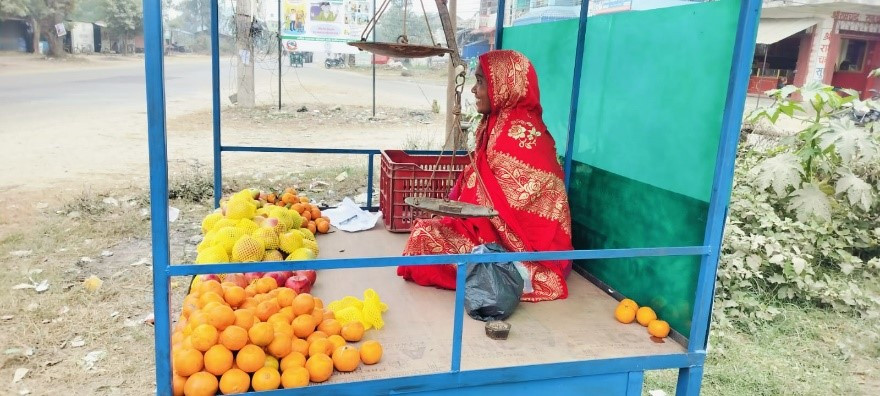
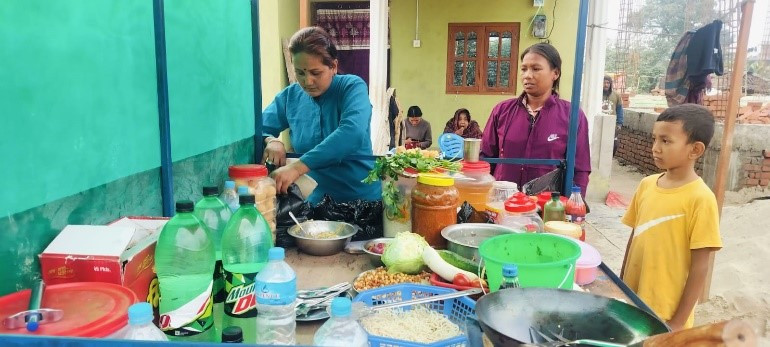
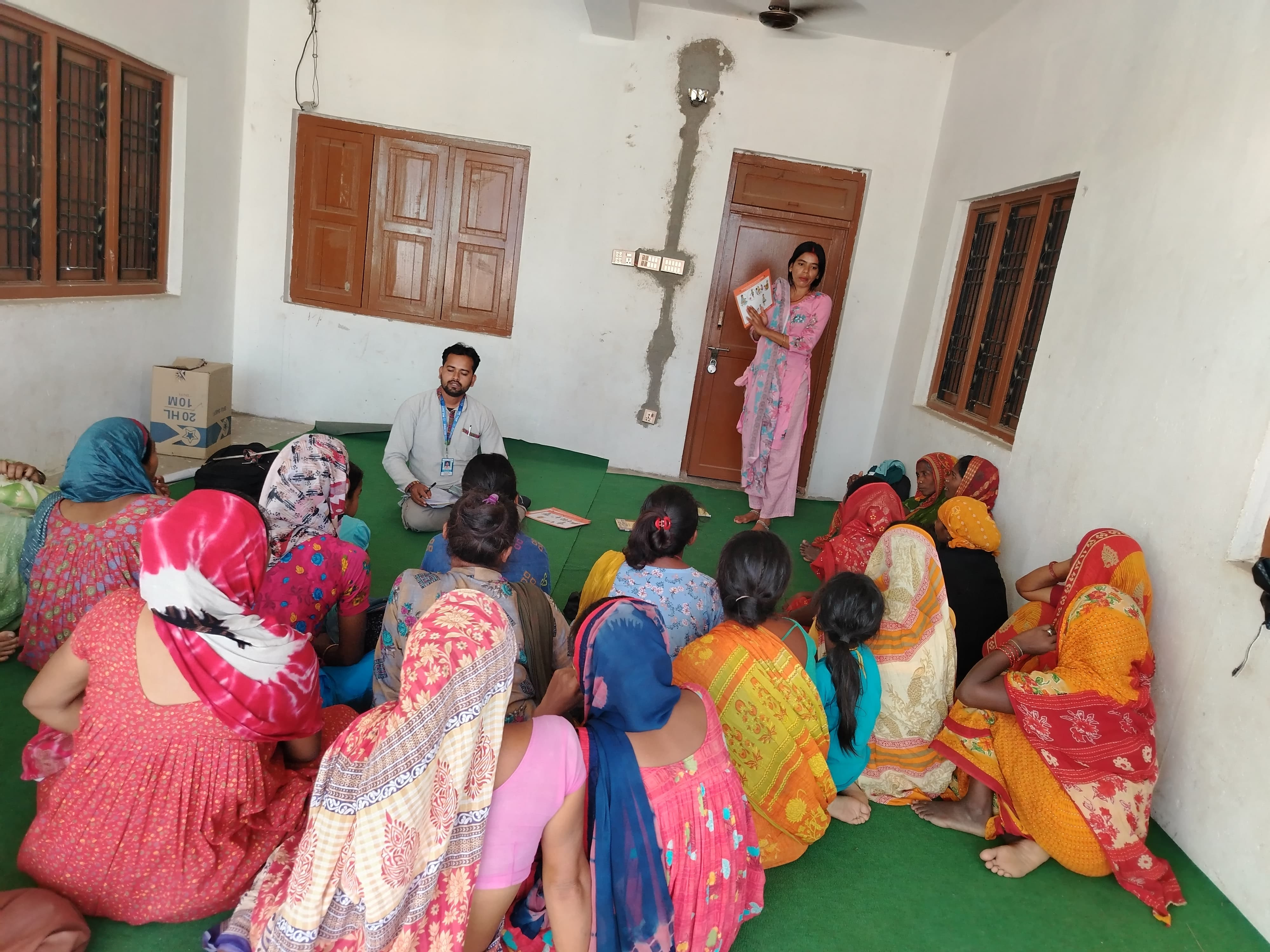
The “Empowering Her: Advancing Women’s Economic and Political Leadership for Climate Resilient Communities” project is a KOICA-funded initiative jointly implemented by Oxfam in Nepal and the Rural Development Centre (RDC) Nepal in Brindawan and Rajdevi Municipalities of Rautahat District. The project aims to strengthen women’s economic and political leadership and empower women in climate-resilient communities by enhancing their capacity to engage meaningfully in local governance processes. The initiative aligns with Nepal’s federal governance framework and seeks to ensure that women and marginalized groups are better represented in planning, decision-making, and development implementation at the local level.
The Constitution of Nepal promulgated in 2015 established a federal system of governance by granting local governments 22 exclusive rights and 15 concurrent rights, along with clearly defined executive, legislative, and judicial authorities. To operationalize these constitutional mandates, the Local Government Operation Act, 2017 and other supporting acts and regulations were formulated and implemented. These legal frameworks aim to ensure effective, efficient, transparent, and accountable public service delivery, promote local-level social and economic development, and encourage citizen participation in policy formulation and development initiatives so that communities can directly benefit from development outcomes.
To maintain uniformity and clarity in local planning processes, the Local Level Annual Plan and Budget Formulation Guideline, 2017 (revised in 2078 BS), was introduced. This guideline provides a structured seven-step planning process that local governments must follow while preparing annual plans and budgets based on their institutional capacity and local context. Elected representatives and local stakeholders play a vital role in translating community needs into development priorities and ensuring that plans are realistic, inclusive, and responsive to citizens’ expectations. However, effective participation in this process requires adequate knowledge of planning procedures, roles, and timelines.
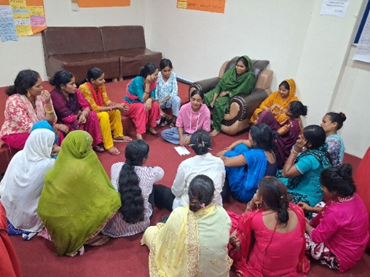
Although the Constitution guarantees equal rights to all citizens to access public services and facilities, in practice many groups remain excluded due to social, economic, and geographic barriers. Indigenous peoples, Dalits, women, persons with disabilities, senior citizens, and residents of geographically disadvantaged areas often face limited access to services and reduced participation in planning and decision-making processes. Recognizing these disparities, the Constitution has made provisions for special measures and targeted support to ensure equitable participation and benefit sharing. Addressing these gaps requires deliberate efforts to build awareness and capacity among marginalized communities, particularly women.
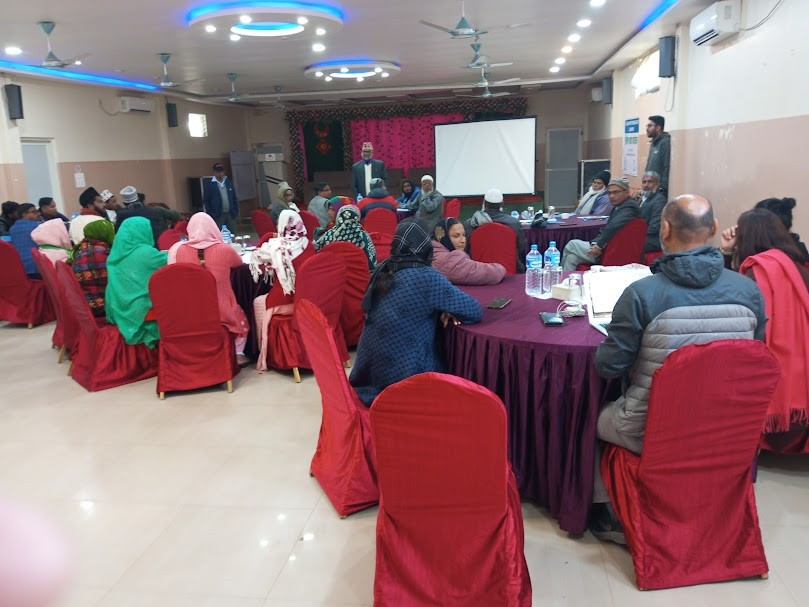
In response to these challenges, a three-day training on the Seven-Step Planning Process was organized under the Empowering Her project for women members of Women Empowerment Centers (WECs) established in Rajdevi and Brindaban Municipalities of Rautahat District. The training was conducted from 28 August 2025 to 30 August 2030 at Hotel Aarohi, Chandrapur. The training aimed to equip participants with practical knowledge of local planning systems and empower them to actively engage in the Local Level Planning Process, advocate for gender-responsive budgeting, and promote inclusive development priorities within their communities.
The main objective of the training was to inform selected WEC members about the government’s seven-step planning process from the community level to the federal level and to clarify their roles and responsibilities during community-level planning discussions. The training also aimed to encourage active representation of women in planning forums, enhance their capacity to submit proposals and budgets related to women’s empowerment and social development, and raise awareness about planning procedures, timelines, and institutional mechanisms. Additionally, participants were encouraged to share their knowledge with family and community members and motivate broader community participation in local planning processes.
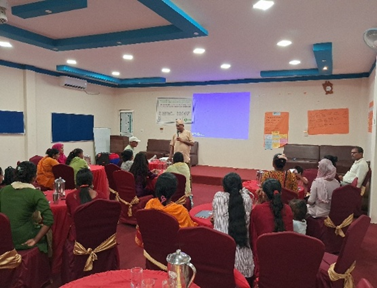
The training adopted a participatory and interactive methodology that combined lectures, group work, discussions, practical exercises, and role-play sessions. Expert facilitators delivered structured presentations on the Constitution of Nepal, the Local Government Operation Act, 2017, and the Local Level Planning and Budget Formulation Guideline 2078. These sessions provided participants with a strong understanding of the legal and procedural framework governing the seven-step planning process and helped them link constitutional provisions to practical planning responsibilities at the local level.
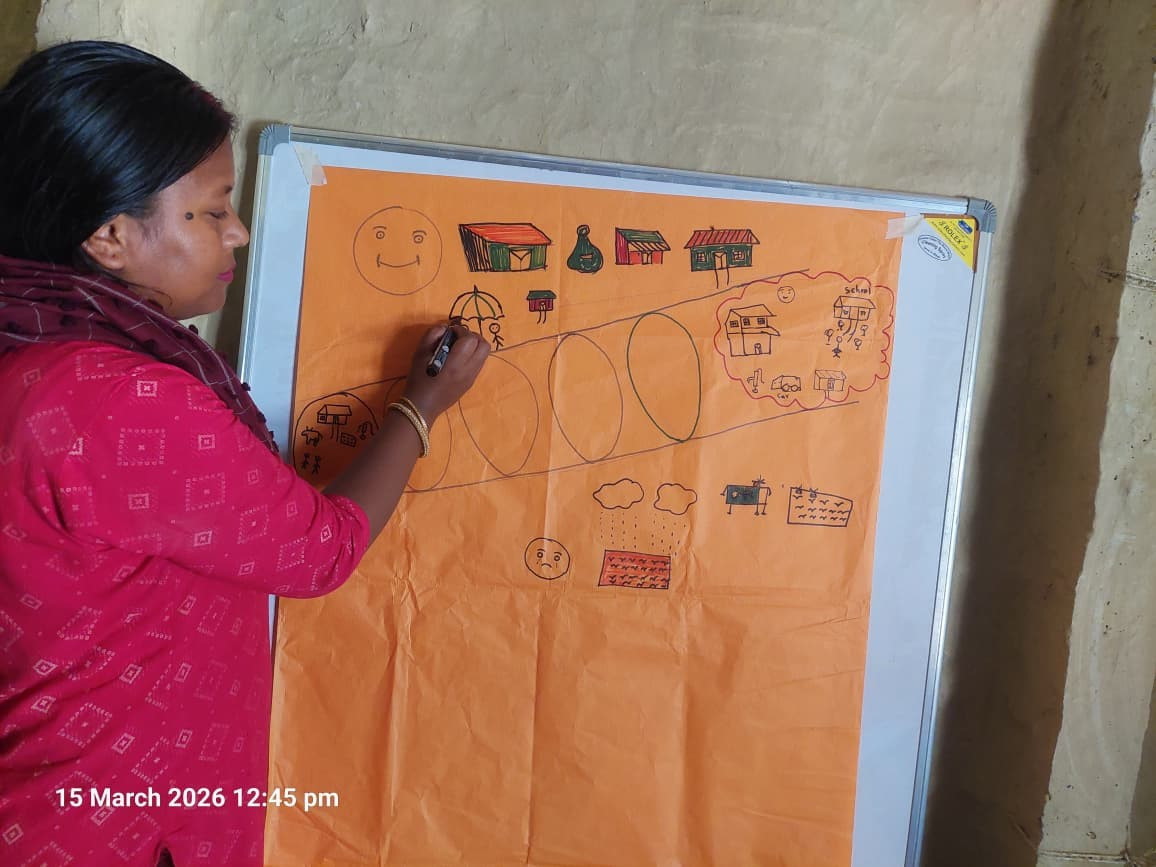
Group work sessions enabled participants to identify local needs, analyze available resources, and prioritize development projects based on government guidelines and community realities. Participants worked in small groups to develop proposals and presented their findings for peer review, fostering collaborative learning and critical thinking. Open discussions created a platform for participants to share challenges, past experiences, and best practices from their respective wards and municipalities, facilitating cross-learning and strengthening peer-to-peer knowledge exchange.
Practical sessions focused on guiding participants through each stage of the seven-step planning process, from preparation and need identification to implementation, monitoring, and evaluation. Participants developed mock annual plans using real community scenarios, which helped them gain hands-on experience in applying planning tools and techniques. Role-play exercises simulated ward-level planning workshops and municipal-level prioritization meetings, allowing participants to practice stakeholder consultation, negotiation, and inclusive participation skills, with particular emphasis on ensuring the representation of women and marginalized groups.
The evaluation of training management, based on pre- and post-test assessments, indicated a clear and positive improvement in participants’ knowledge and understanding of the planning process. Participants with weaker baseline knowledge demonstrated the most significant improvement, indicating that the training effectively addressed critical knowledge gaps. Participants with stronger initial understanding showed moderate growth, reflecting deeper comprehension and reinforcement of concepts. WEC representatives showed higher relative improvement, while WEC facilitators demonstrated strong knowledge retention and consolidation at an advanced level.
As a result of the training, participants demonstrated enhanced knowledge of the legal, institutional, and procedural aspects of the seven-step planning process and increased confidence to actively engage in ward- and municipal-level planning forums. Many participants expressed strong commitment to advocating for the inclusion of women, Dalits, and other marginalized groups in upcoming planning cycles. The training also contributed to strengthening coordination and communication between Women Empowerment Centers and local governments, fostering a more collaborative approach to local development planning.
Despite the positive outcomes, several challenges were identified during the training. Some participants had limited technical knowledge of planning guidelines, which required additional time and support. Time constraints limited the depth of certain practical sessions, and participation from some wards was inconsistent due to overlapping local-level activities. These challenges highlighted the need for continuous mentoring, follow-up, and refresher support to ensure sustained learning and effective application of skills.
To build on the achievements of the training, follow-up sessions at the ward level are recommended to reinforce learning and support practical application during the planning cycle. Technical backstopping should be provided to local governments during plan formulation and budget allocation to promote inclusive and gender-responsive planning. Ensuring active and meaningful representation of women, Dalits, and marginalized groups in all seven steps of the planning process remains essential. Establishing a monitoring mechanism to assess the implementation of participatory planning practices will further strengthen accountability and effectiveness.
In conclusion, the three-day training significantly enhanced participants’ understanding of structured and participatory planning through the seven-step process and strengthened their practical skills in stakeholder engagement, prioritization, and evidence-based decision-making at both ward and municipal levels. The training emphasized inclusive governance, collaboration, and effective use of thematic and budget committees, contributing to improved local governance capacity to formulate inclusive, realistic, and actionable development plans while advancing women’s leadership in local planning and decision-making processes.