Breaking Barriers to Education: How the GARVA Project is Transforming the Lives of Marginalized Children in Rautahat
Education is one of the most effective tools for protecting children from violence, exploitation, child marriage, and child labour. Yet, for many children from marginalized communities in Nepal, access to quality education remains a challenge. Poverty, social norms, gender discrimination, household responsibilities, and limited educational opportunities continue to prevent many children—especially girls—from attending school regularly.
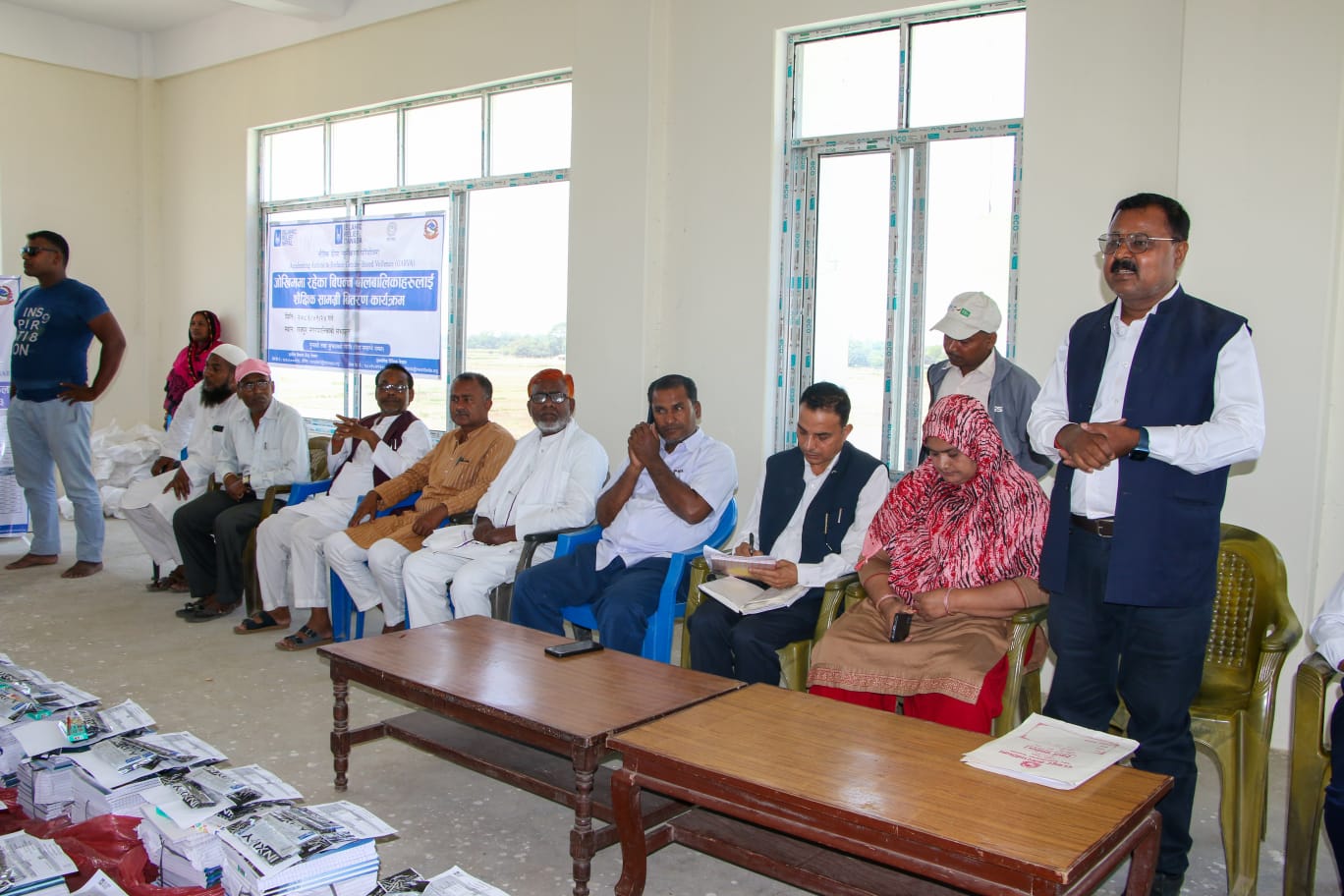
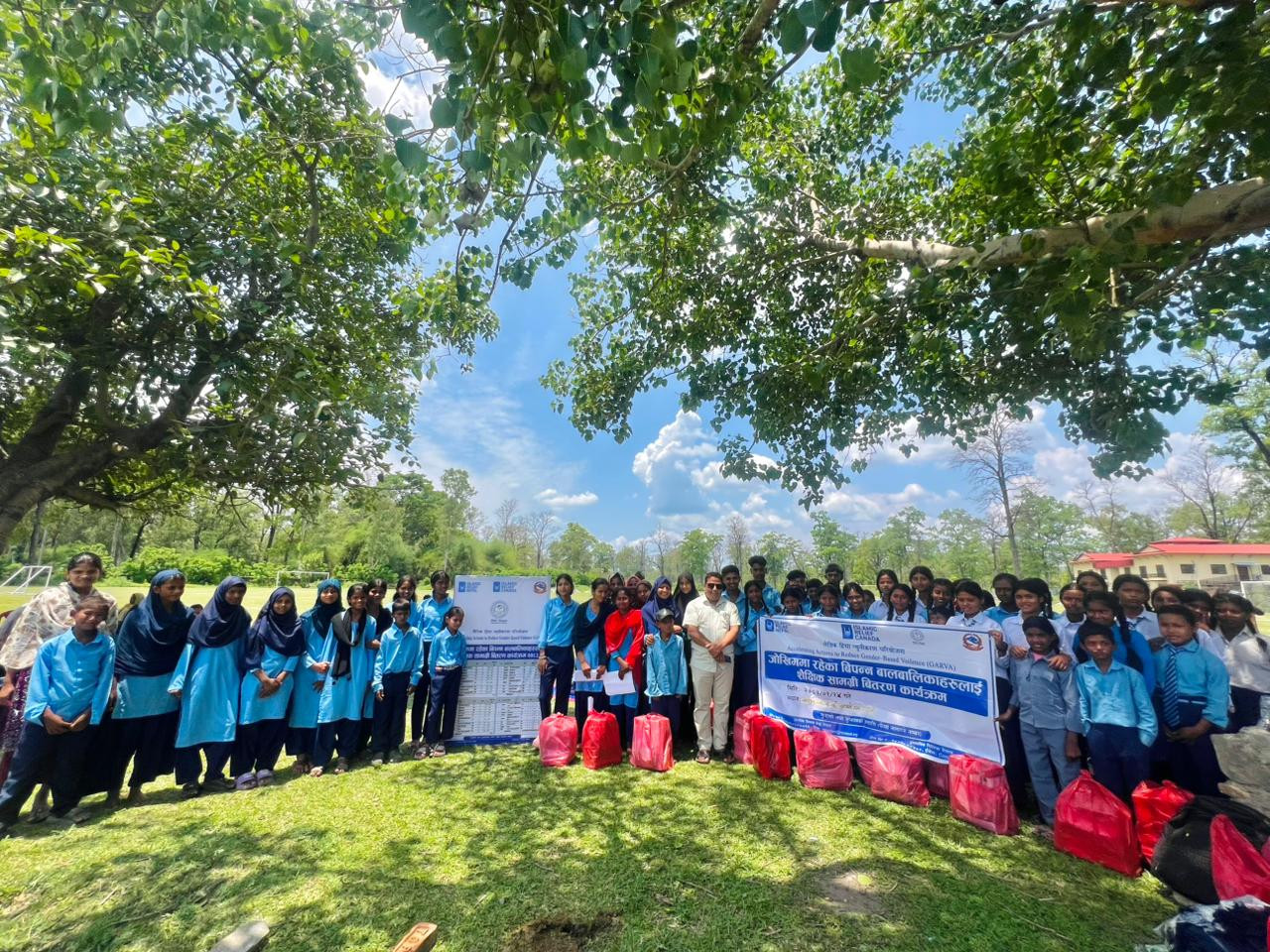
To address these challenges, Rural Development Center (RDC) Nepal has been implementing the Accelerating Actions to Reduce Gender-Based Violence (GARVA) Project in Rajpur and Chandrapur Municipalities of Rautahat District. The project recognizes that ensuring children remain in school is not only an education intervention but also a powerful strategy for preventing gender-based violence and creating safer futures for vulnerable children.
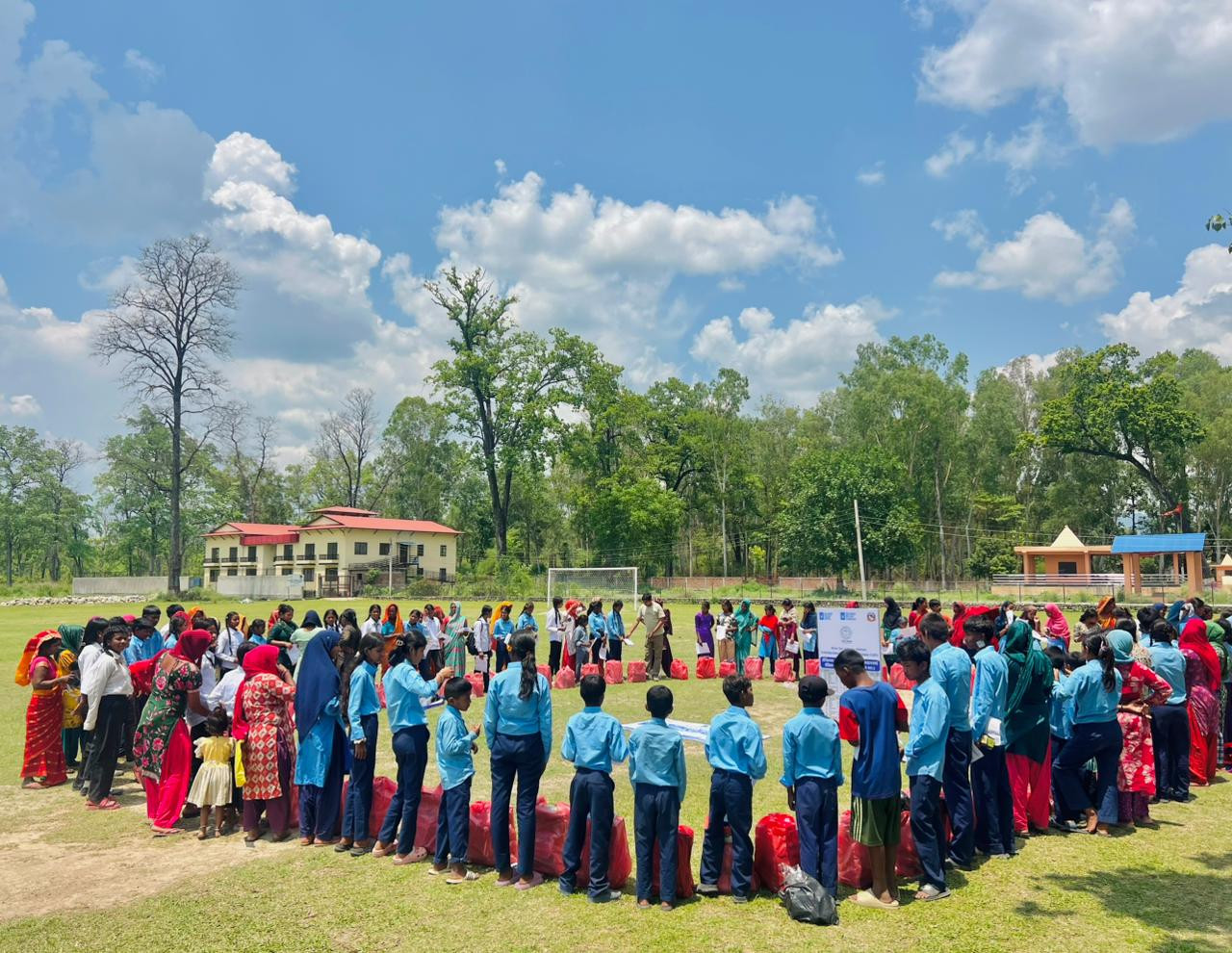
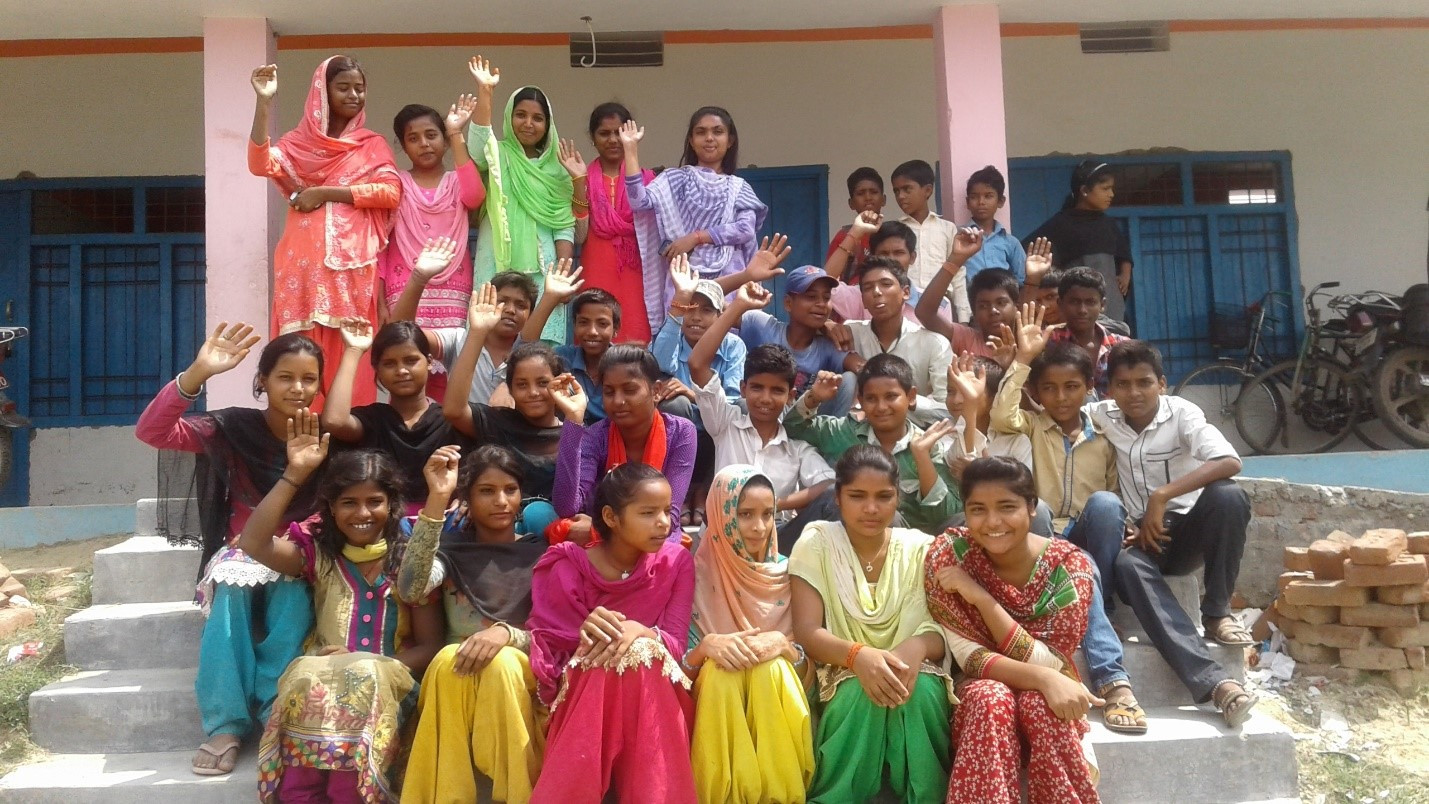
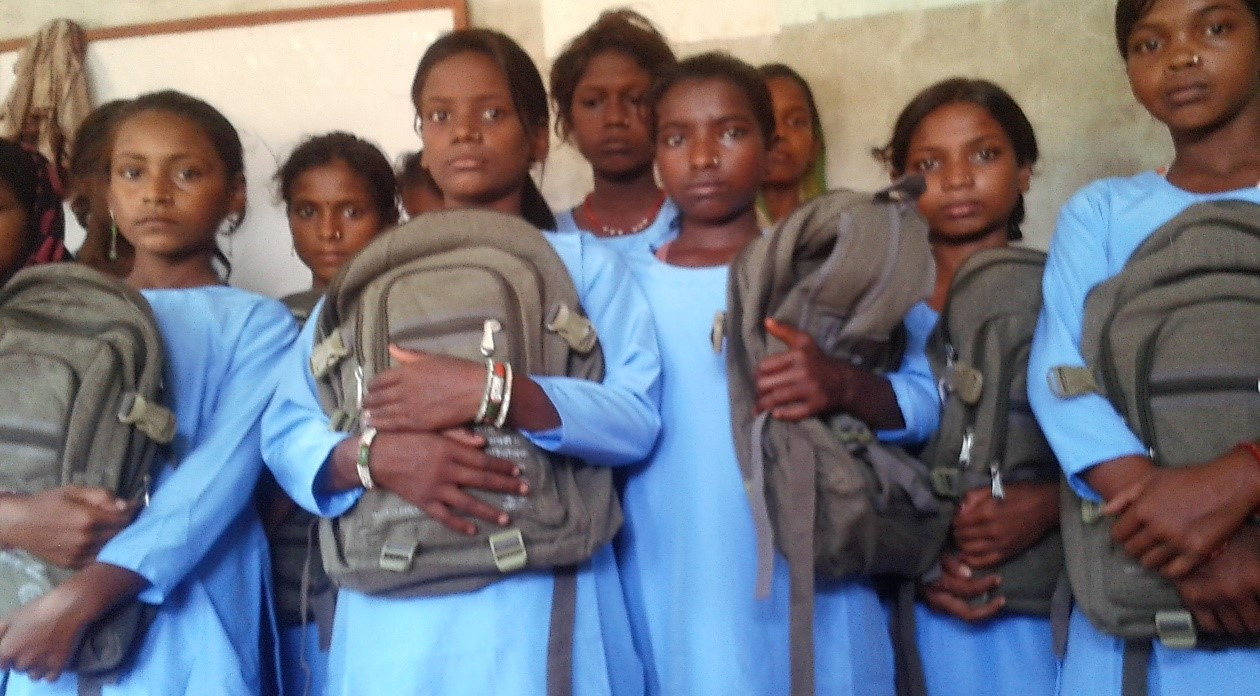
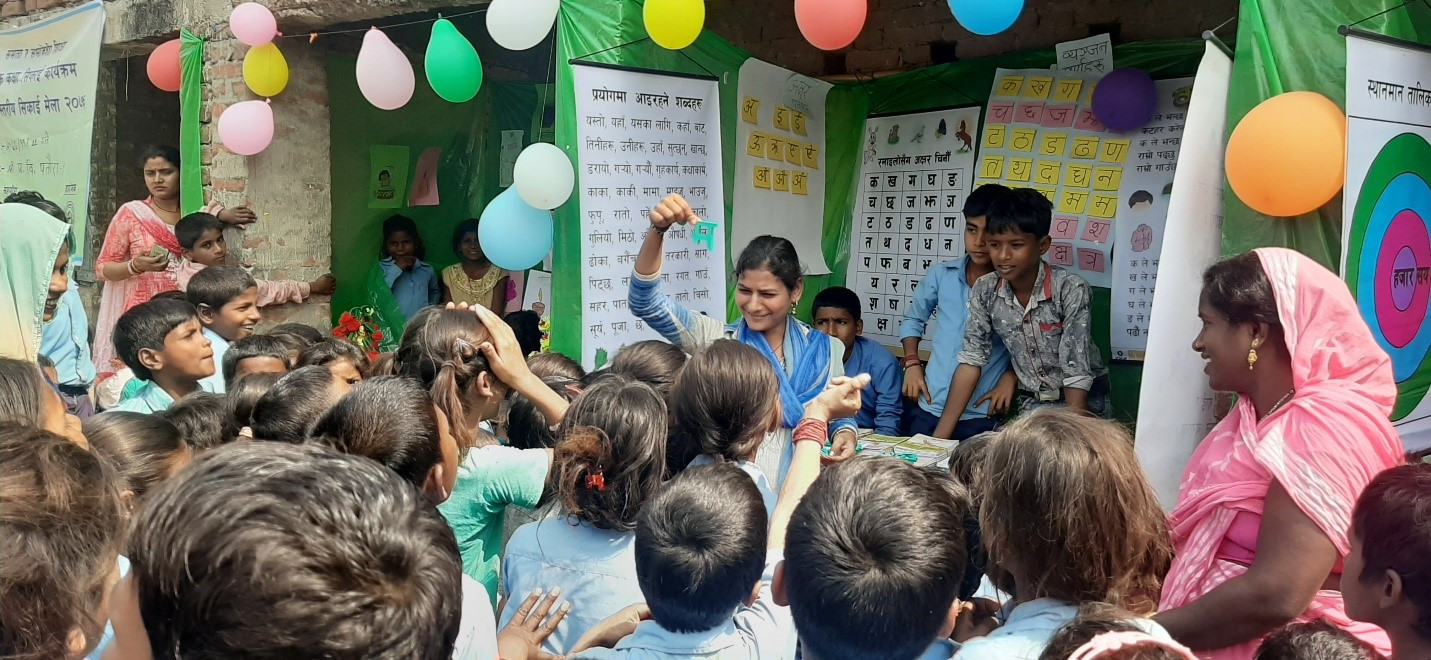
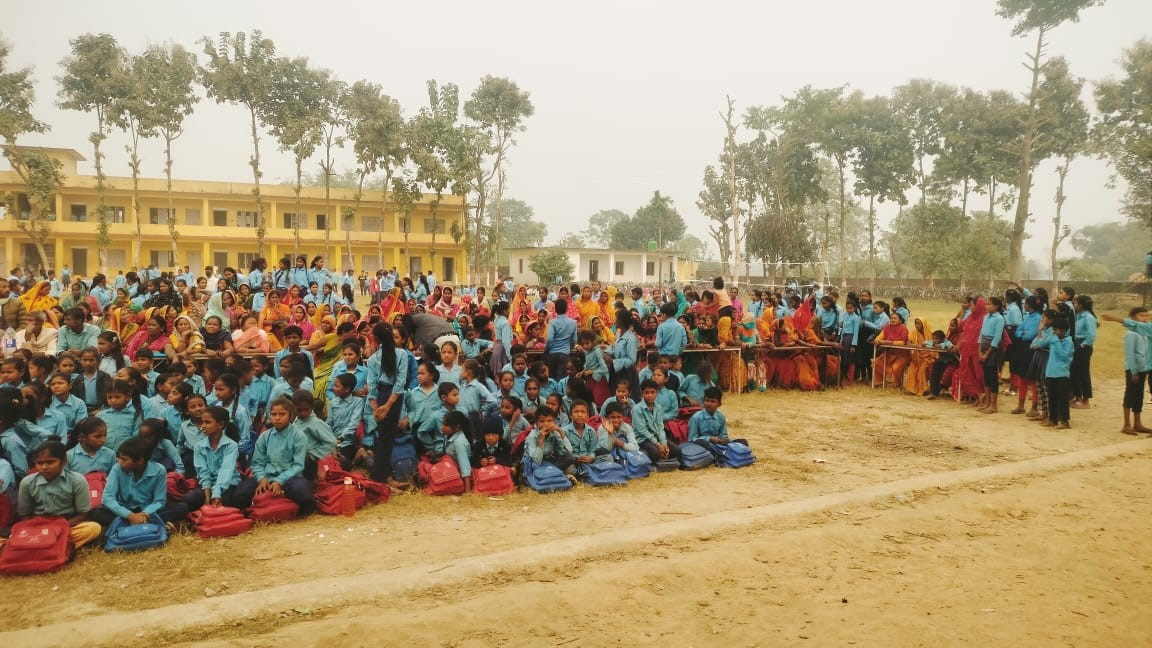
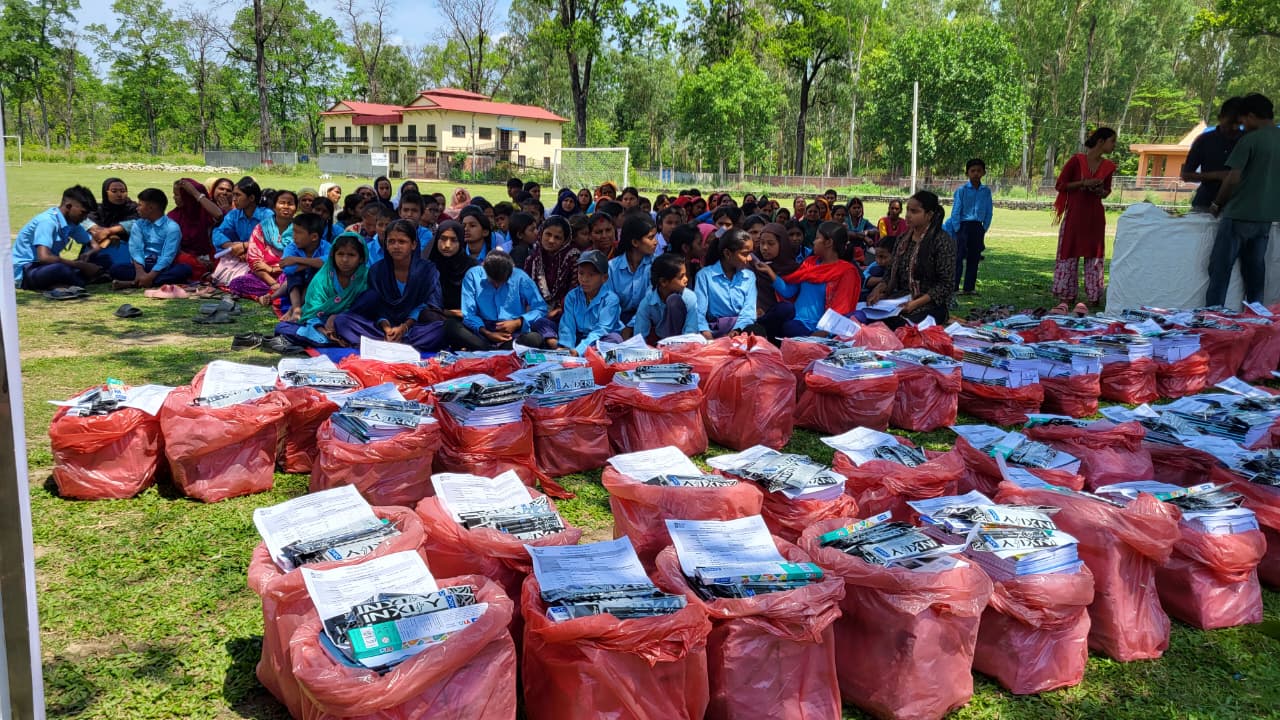
The GARVA Project provides educational support to 400 marginalized and vulnerable children, primarily from Muslim and Dalit communities, enabling them to enroll in or continue formal education. Each child receives an educational bursary of NPR 4,000, helping families meet education-related expenses while reducing financial barriers that often lead to school dropout.
Beyond financial support, the project emphasizes continuous monitoring, family engagement, and community mobilization to ensure that every supported child remains in school and progresses in their education.
Why School Attendance Matters
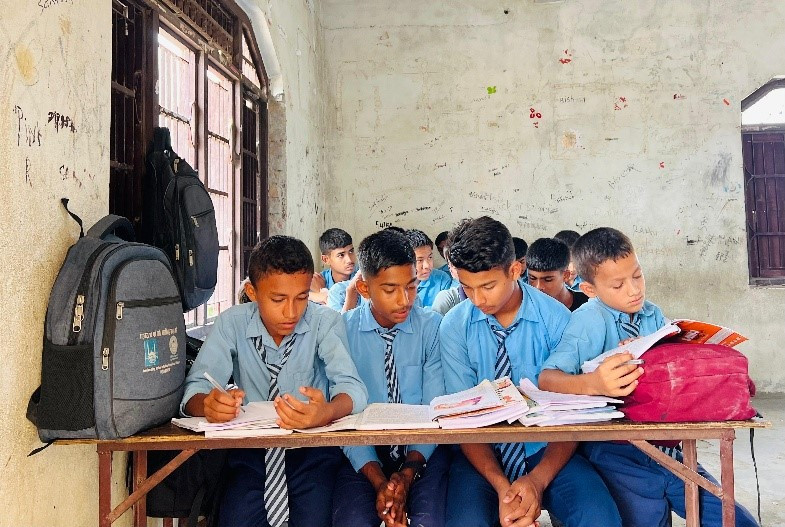
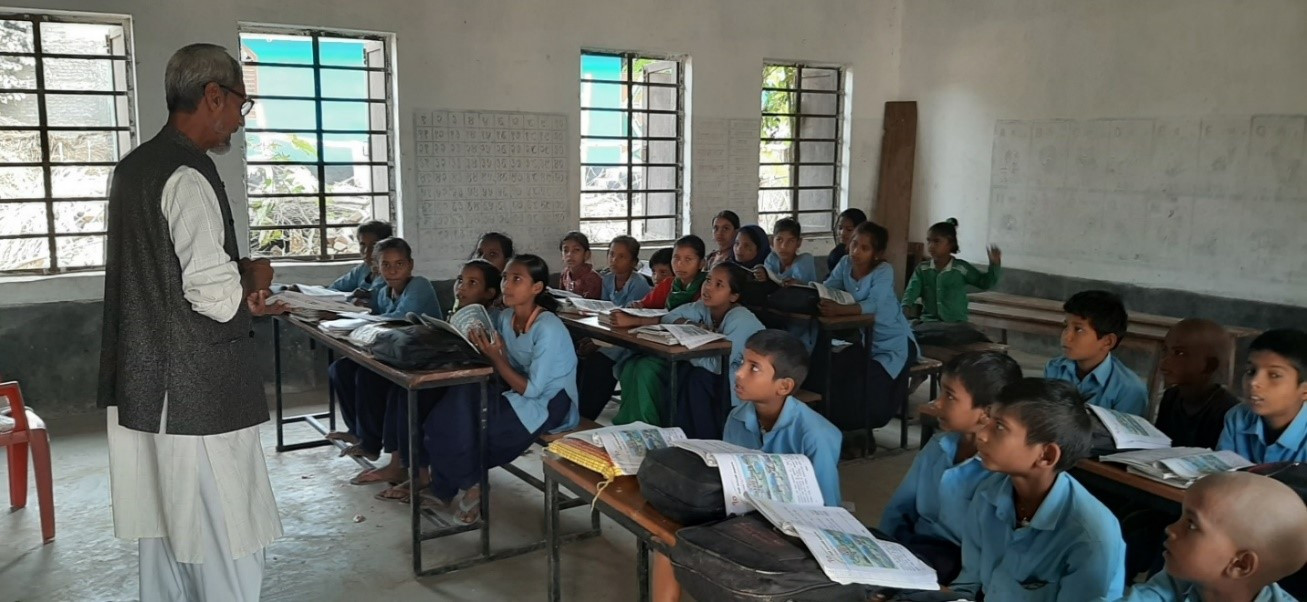
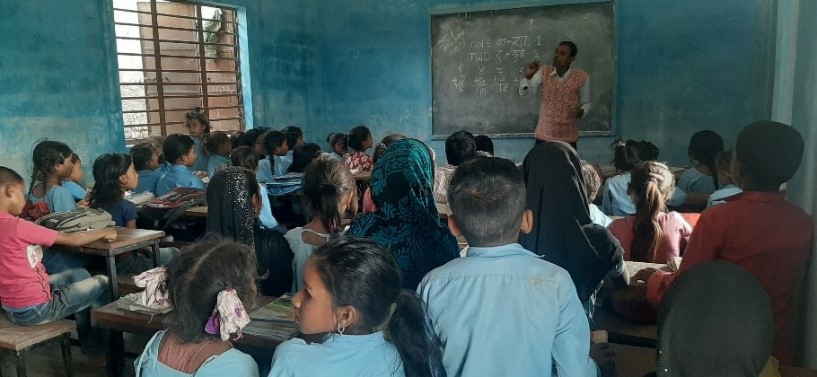
Regular school attendance is closely linked to improved learning outcomes, greater self-confidence, and reduced risks of child marriage, child labour, trafficking, and other forms of exploitation. For girls, remaining in school often delays early marriage, increases future employment opportunities, and strengthens their participation in community life.
Recognizing these benefits, RDC Nepal established a comprehensive attendance tracking and verification system that monitors the educational progress of every supported child.
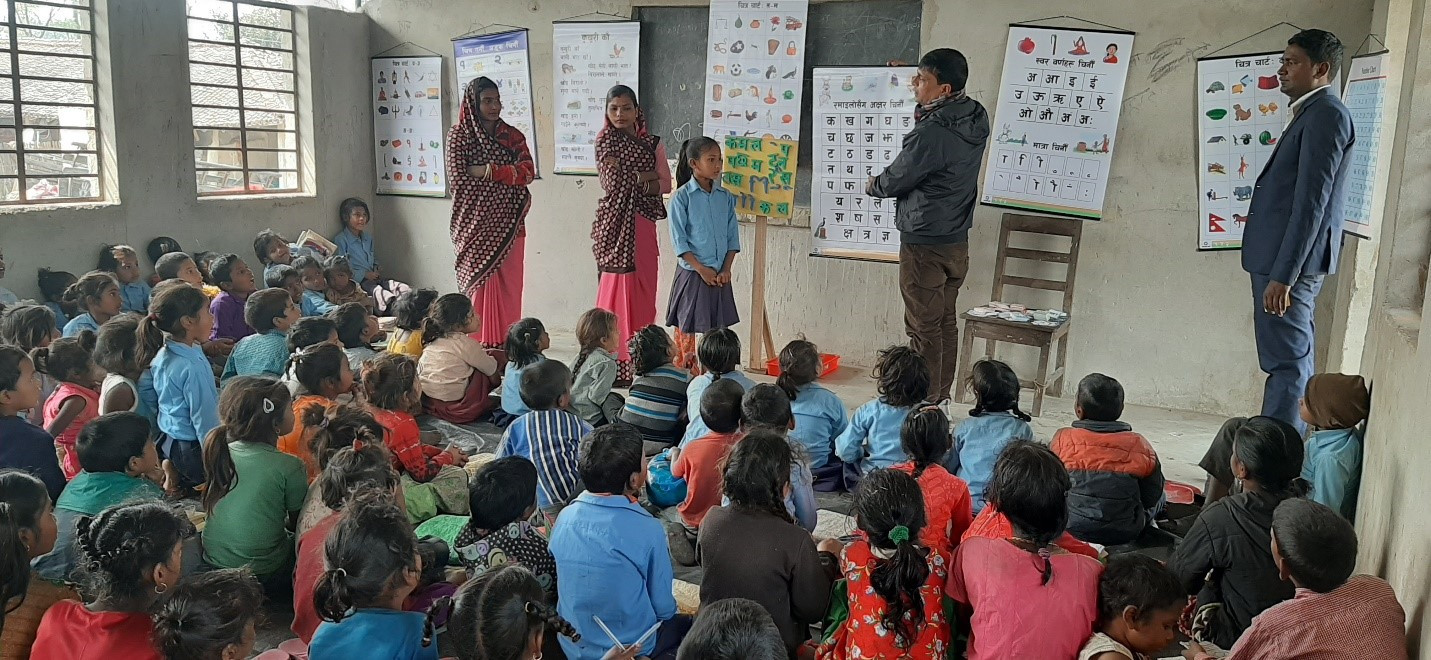
Community Mobilizers and Community Facilitators regularly coordinate with schools, teachers, parents, and community groups to monitor attendance, identify challenges, and provide timely support whenever a child shows signs of irregular attendance.
A Strong Monitoring System
The project introduced a structured two-step verification process to ensure accurate attendance tracking and timely intervention.
The first stage involves collecting monthly attendance records from schools and verifying them with head teachers and focal teachers. Attendance information is documented using standardized monitoring sheets to maintain consistency and accountability.
The second stage focuses on household follow-up visits for children with irregular attendance. Community Mobilizers and Community Facilitators visit families to understand the reasons behind absenteeism, provide counselling to parents and children, and encourage regular school attendance through awareness on the importance of education.
This close collaboration between schools, families, and communities has created a strong support system that keeps children connected to education.
Key Achievements
The GARVA Project has achieved encouraging progress in strengthening school enrollment and attendance among marginalized children.
-
Supported 400 marginalized children through educational bursaries worth NPR 4,000 per child.
-
Achieved an impressive average school attendance rate of 86.8%.
-
382 children maintained attendance between 80% and 100%, demonstrating strong commitment to regular education.
-
Conducted monthly attendance monitoring from Karthik 2082 to Chaitra 2082.
-
Implemented household counselling and follow-up visits for 18 children with attendance below 80%.
-
Ensured that all children receiving third-year educational support maintained at least 75% attendance before receiving assistance.
-
Successfully maintained zero school dropouts during the final six months of the reporting period through continuous monitoring and family support.
-
Distributed third-year educational support after verifying enrollment and attendance.
-
Strengthened collaboration between schools, teachers, parents, and communities to improve child retention.
Understanding the Causes of Irregular Attendance
Although overall attendance remained high, a small number of children experienced irregular attendance during certain months.
The main contributing factors included:
-
Health-related illnesses.
-
Family functions and social obligations.
-
Household chores and domestic responsibilities.
Rather than viewing these children as inactive participants, the project responded with personalized household visits, counselling sessions, and close coordination with parents and teachers to reduce absenteeism before it resulted in school dropout.
This proactive approach enabled most children to return to regular attendance.
Promoting Girls' Education
One of the strongest achievements of the GARVA Project has been its focus on girls' education.
During the third year of implementation, 84 percent of supported students were girls, demonstrating the project's commitment to addressing gender inequality in education.
By prioritizing girls from vulnerable households, the project is helping reduce barriers that often prevent girls from accessing formal education, including financial hardship, restrictive social norms, and early marriage.
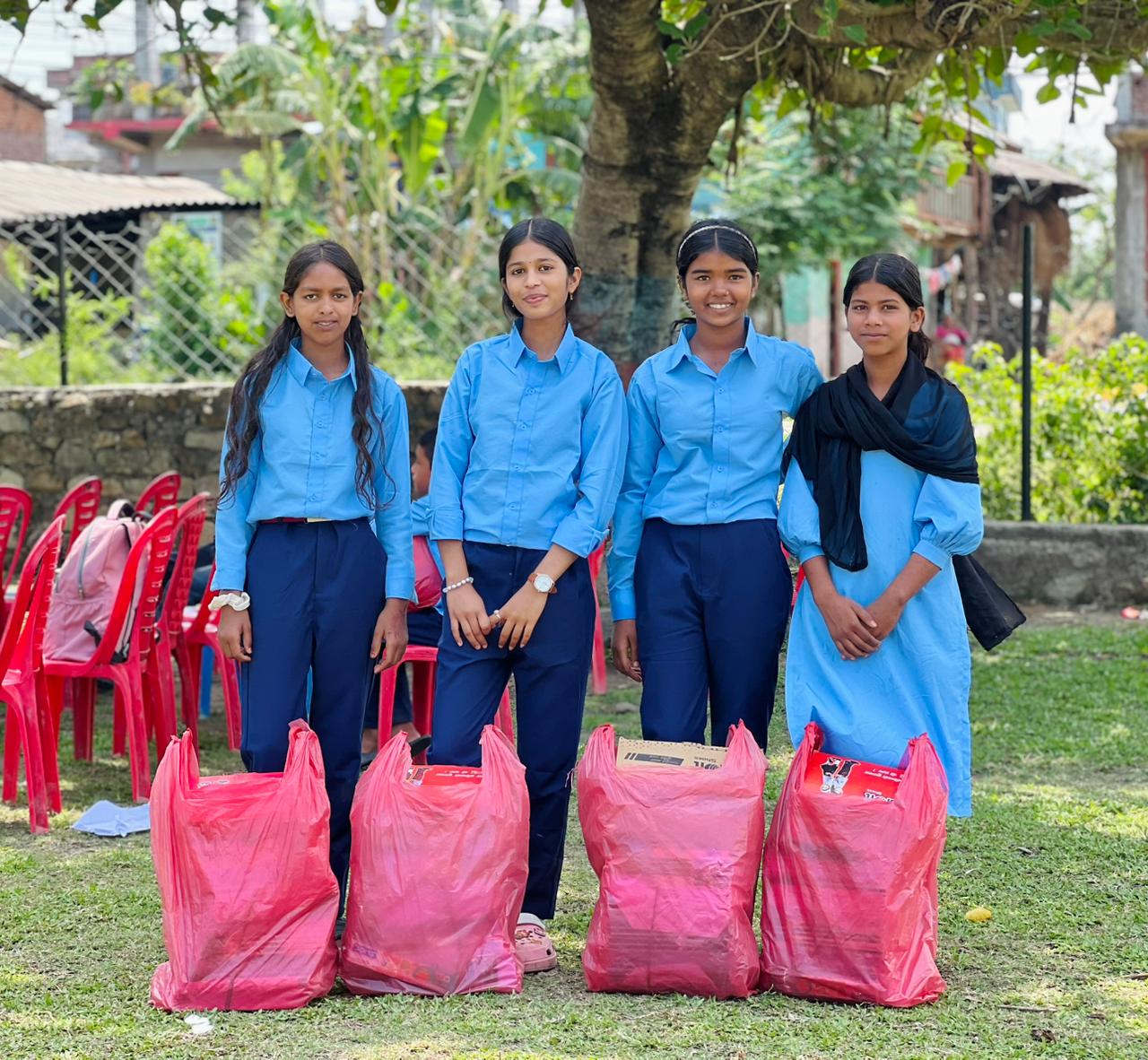
Supporting girls to remain in school contributes not only to better educational outcomes but also to stronger community development and long-term gender equality.
Transitioning Girls from Madrasa to Formal Schools
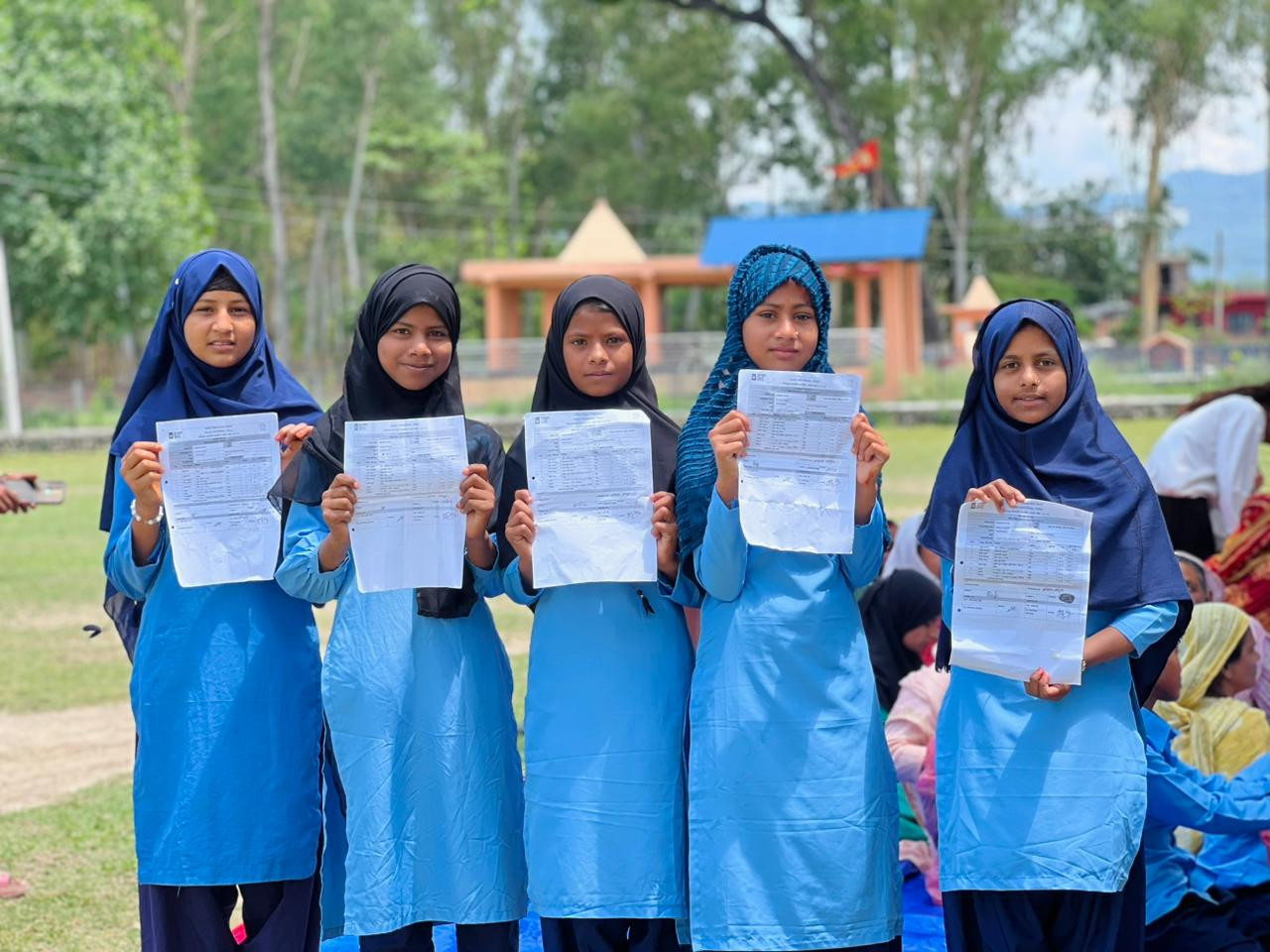
A particularly significant outcome has been the successful transition of Muslim girls from madrasa education into formal government schools.
Among 168 supported children from Muslim communities, 135 girls have successfully enrolled in formal schools and are now attending classes regularly.
This represents a remarkable shift in educational participation. At the beginning of the project, many of these girls had access only to madrasa education and limited opportunities for formal learning.
Through continuous educational support, household counselling, mobilization of Channel of Hope Teams (CHATS), Self-Help Groups (SHGs), and community leaders, families increasingly recognized the value of formal education for girls.
This transition is creating new opportunities for academic learning, personal development, and future employment while challenging traditional barriers that have historically limited girls' educational opportunities.
Key Outcomes
The project has generated measurable improvements in education access and retention.
-
Average attendance increased to 86.8% across supported children.
-
Most children now attend school regularly with attendance above 80%.
-
Household monitoring reduced the risk of school dropout.
-
Schools and communities developed stronger collaboration in monitoring children's education.
-
Parents became more aware of the importance of regular school attendance.
-
Girls' participation in formal education increased significantly.
-
Muslim girls successfully transitioned from madrasa education into government schools.
-
Continuous monitoring contributed to zero dropouts during the final reporting period.
Long-Term Impact
The impact of the GARVA Project extends far beyond school attendance.
By enabling marginalized children to remain in school, the project is reducing their vulnerability to child marriage, child labour, exploitation, and gender-based violence. Children who regularly attend school are more likely to complete their education, develop life skills, and contribute positively to their communities.
For girls, continued education builds confidence, delays early marriage, and opens pathways to higher education and future employment.
The project's strong monitoring system has also strengthened relationships among schools, families, community groups, and local stakeholders, creating a sustainable model for improving educational retention.
Looking Ahead
The achievements of the GARVA Project demonstrate that financial assistance alone is not enough to keep vulnerable children in school. Success comes from combining educational support with continuous monitoring, household counselling, community engagement, and partnerships with schools.
RDC Nepal remains committed to ensuring that every child—regardless of gender, ethnicity, religion, or economic status—has the opportunity to learn in a safe, inclusive, and supportive environment.
Through the GARVA Project, education has become more than classroom learning. It has become a pathway to protection, empowerment, gender equality, and hope. Every child who remains in school today represents a future where opportunities replace barriers, and education becomes the foundation for lasting social change.