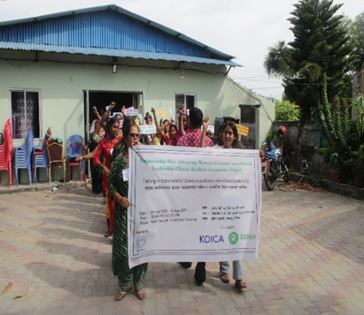
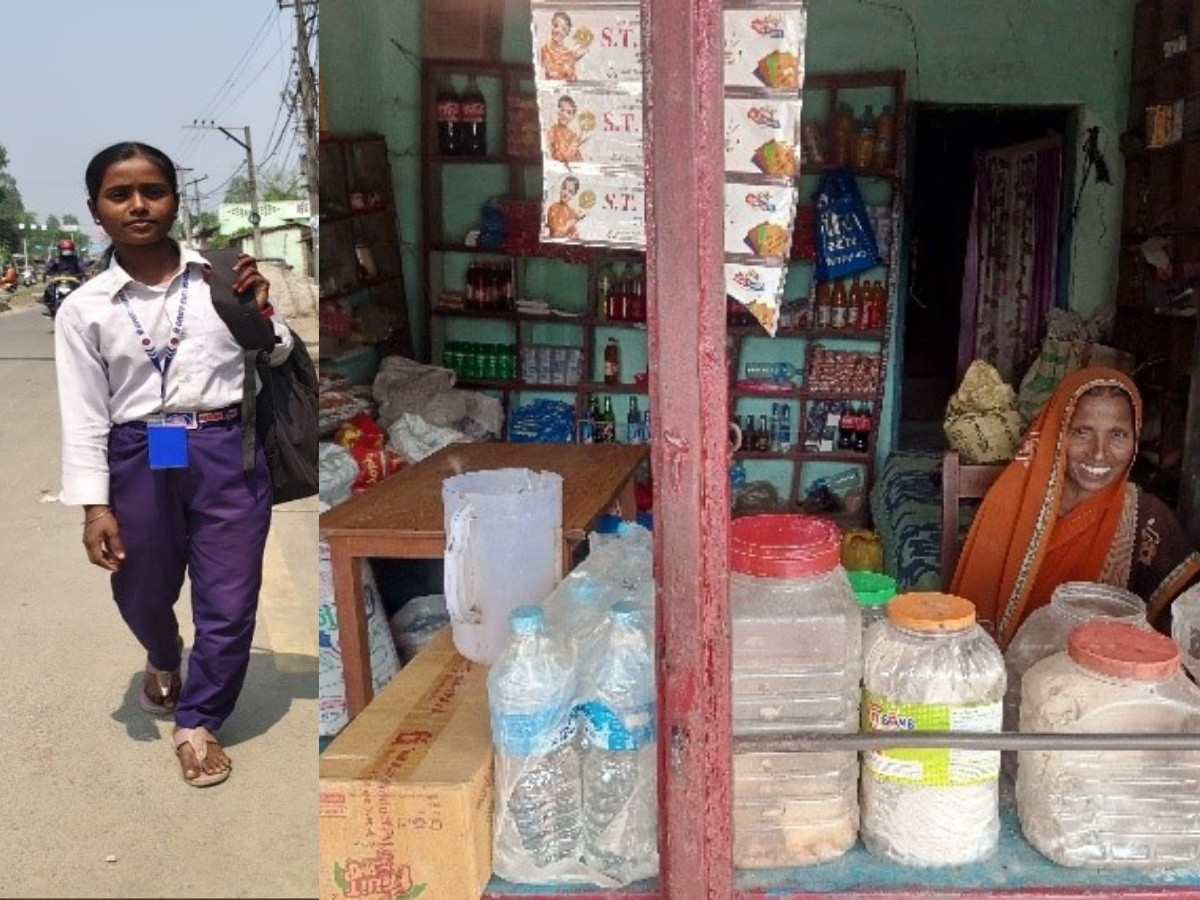
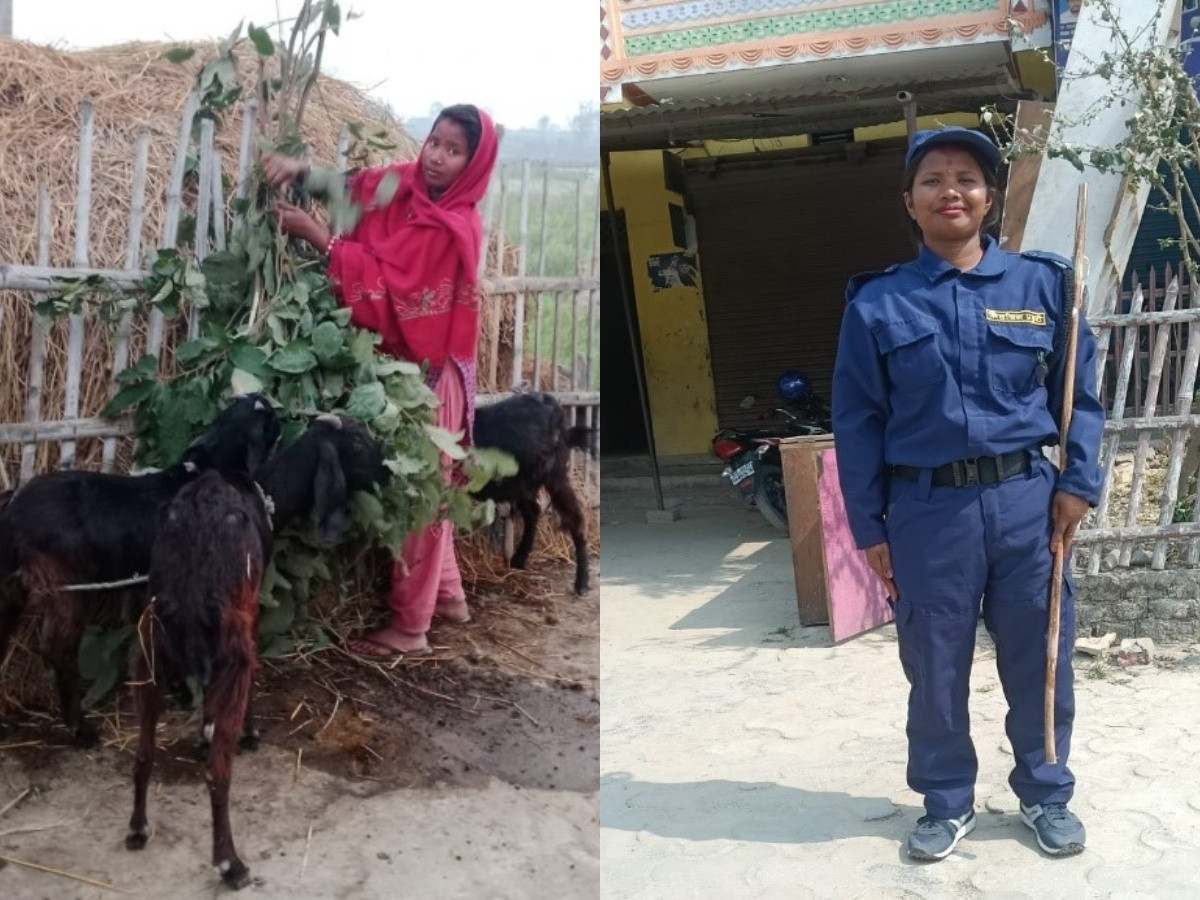
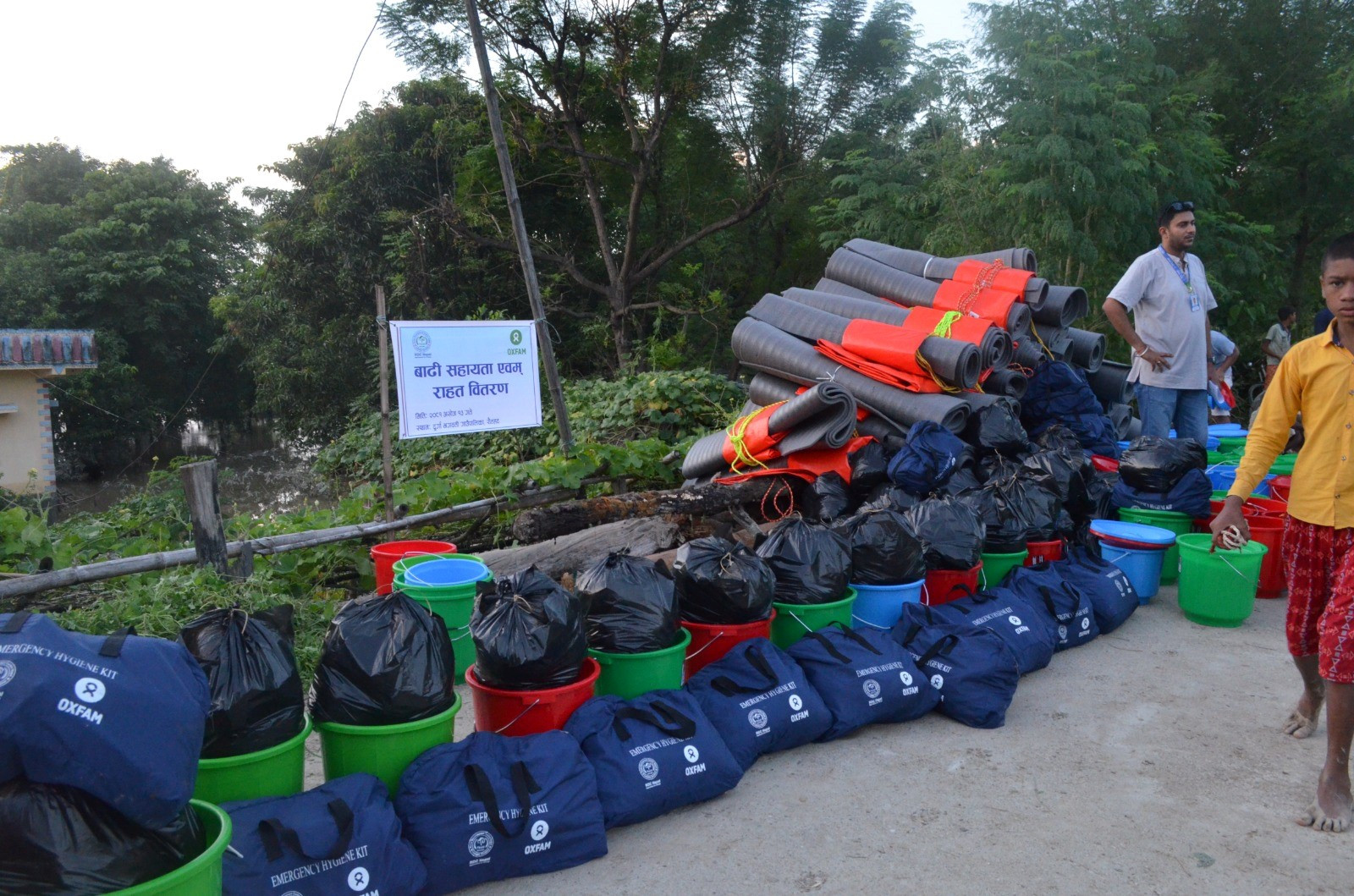
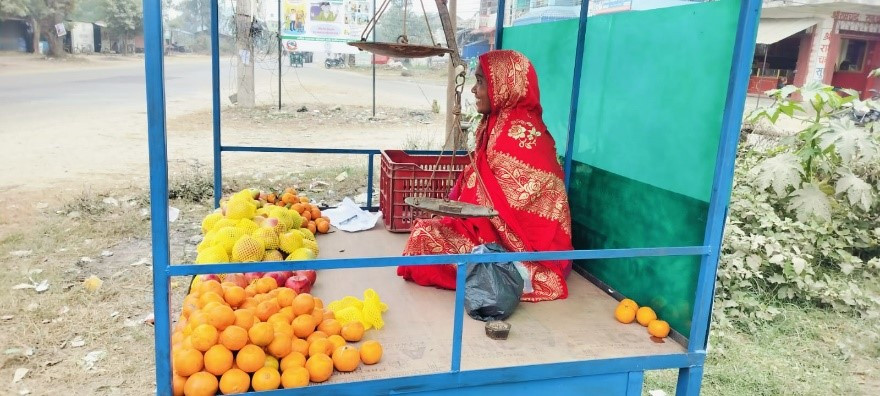
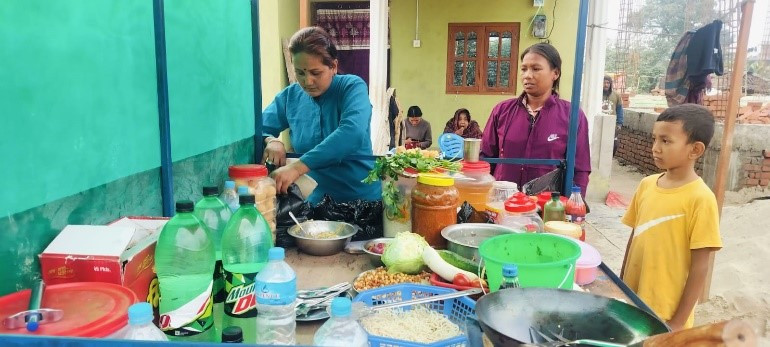
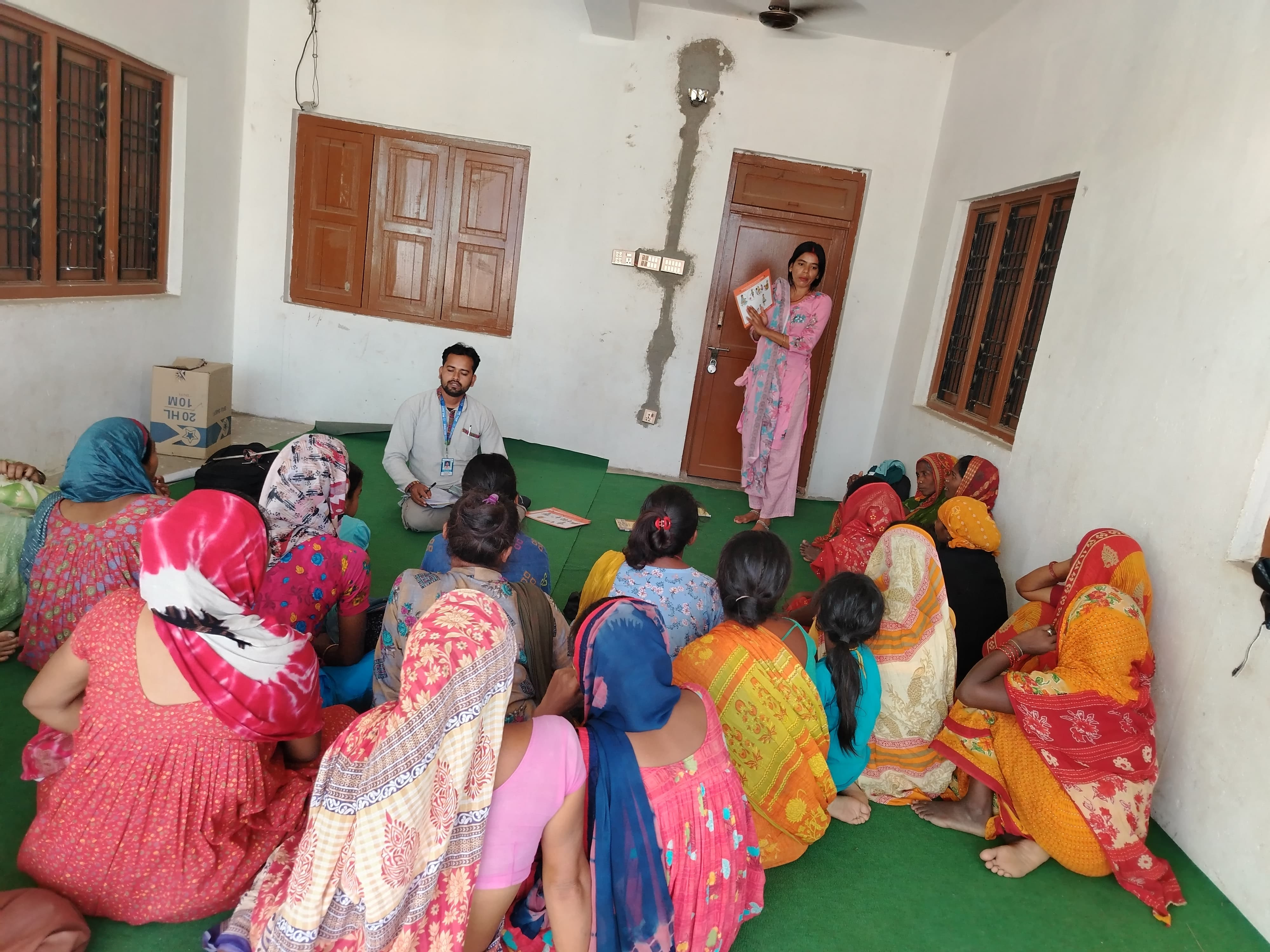
The “Empowering Her: Advancing Women’s Economic and Political Leadership for Climate-Resilient Communities” project is a KOICA-funded initiative jointly implemented by Oxfam in Nepal and Rural Development Centre (RDC) Nepal in Brindawan and Rajdevi Municipalities of Rautahat District, Madhesh Province. The overarching goal of the project is to strengthen the economic and political leadership status of women and empower them within climate-resilient communities. The project is being implemented in a context characterized by persistent socio-economic vulnerabilities, environmental risks, and the increasing impacts of climate change, which disproportionately affect women. Brindawan and Rajdevi Municipalities face challenges such as poverty, limited access to resources, climate-induced livelihood insecurity, and entrenched gender inequalities that restrict women’s meaningful participation in economic activities and governance processes. Despite their central role in household management, agriculture, and community resilience, women’s potential to lead climate adaptation and local development initiatives remains largely untapped due to systemic barriers related to social norms, limited access to information, weak leadership exposure, and low representation in political and decision-making spaces.
Women’s participation in leadership and political spaces is widely recognized as fundamental to inclusive governance, sustainable development, and the strengthening of democratic systems. In Nepal, the Constitution, national policies, and various government programs have established provisions to promote gender equality and increase women’s representation at all levels of governance, including local government institutions. Legal frameworks guarantee women’s participation in elected bodies and emphasize gender inclusion in decision-making processes. However, despite these progressive provisions, women continue to face significant challenges in exercising leadership and political agency. These challenges include limited access to information about governance systems and policies, low confidence and self-esteem in political and public forums, insufficient knowledge of their rights, roles, and responsibilities within governance institutions, socio-cultural stereotypes, economic constraints, and the persistent threat of gender-based violence, including violence against women in politics. As a result, women’s participation often remains symbolic rather than substantive, limiting their influence over policy formulation, planning, and resource allocation at the local level.
Recognizing these gaps, the Empowering Her Project places strong emphasis on strengthening women’s leadership capacity and political participation through institutional platforms such as Women’s Empowerment Centers (WECs). The WECs, established and supported by RDC Nepal under the project, serve as safe and inclusive spaces where women can collectively build leadership skills, access information, engage in dialogue, and develop confidence to participate in governance and community decision-making processes. The project acknowledges that empowering women to understand governance structures, policies, and political processes is essential for enabling them to effectively advocate for their rights and contribute to inclusive and accountable local governance. Strengthening women’s leadership is also viewed as a critical pathway for enhancing climate resilience, as women leaders are well-positioned to identify community needs, promote sustainable practices, and influence local adaptation strategies.
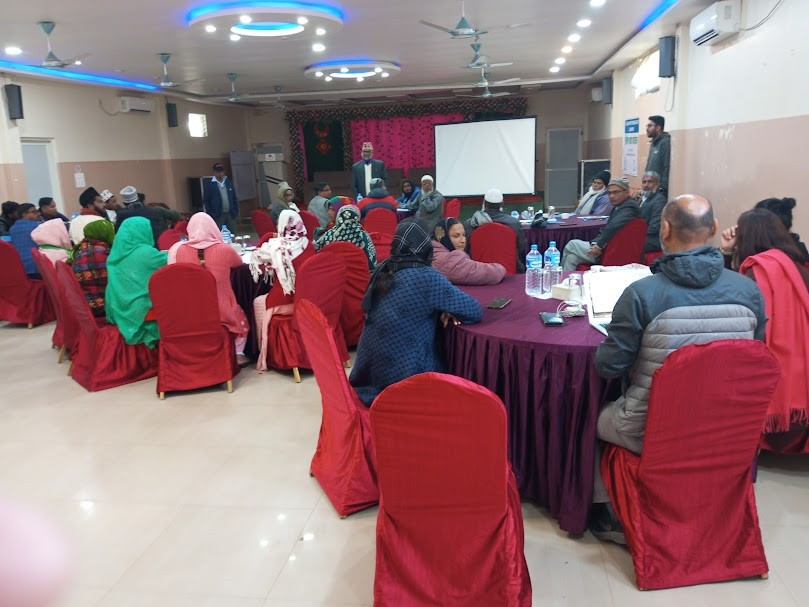
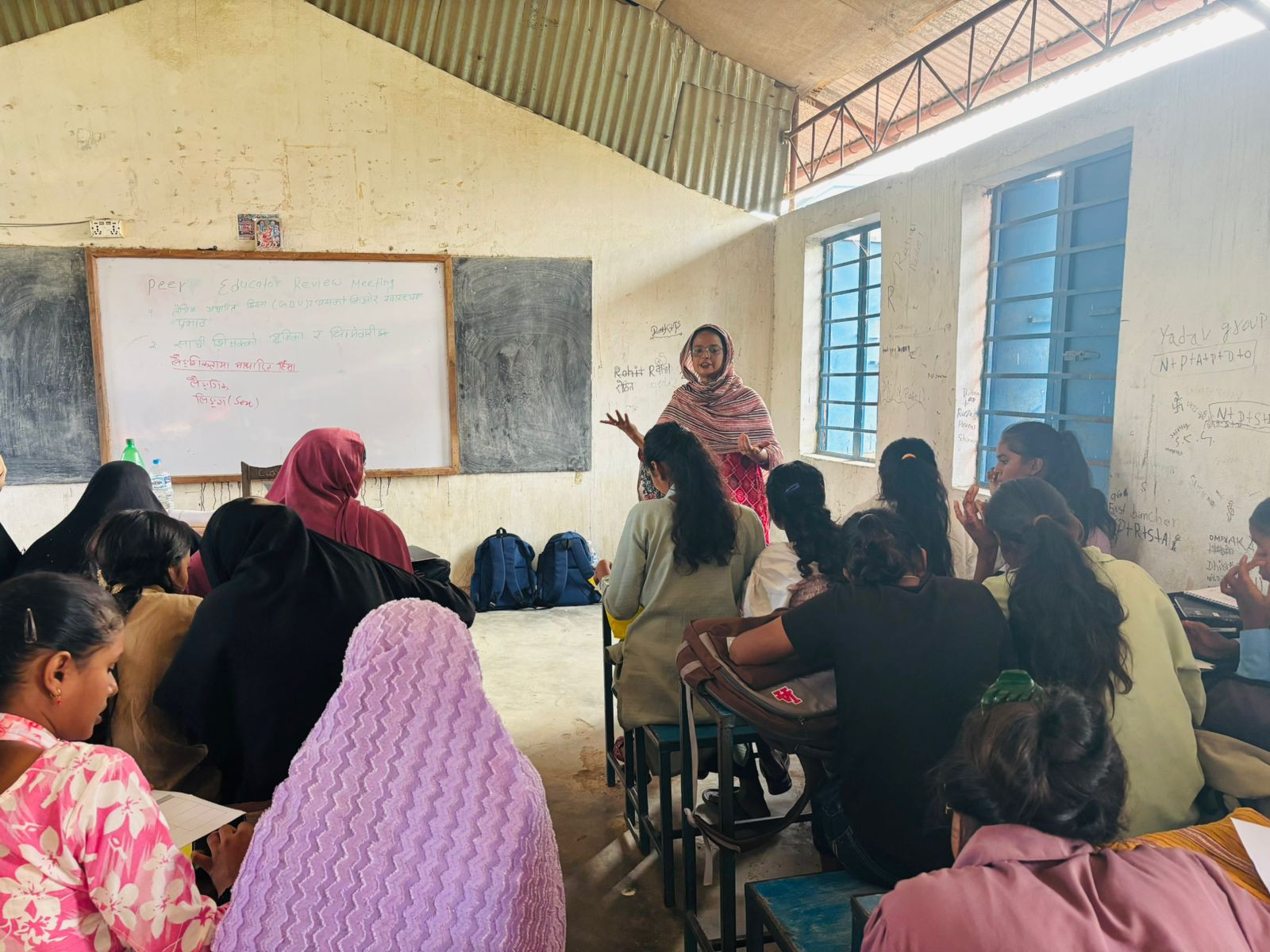
To address these needs, RDC Nepal organized a three-day Women’s Leadership and Political Participation Training for selected WEC members from Brindawan and Rajdevi Municipalities. The training was designed as a capacity-building intervention aimed at equipping women with knowledge, skills, and confidence to actively engage in leadership and political processes at the local level. A total of 30 participants, comprising selected WEC members and project-related representatives, participated in the training. The training curriculum focused on enhancing participants’ understanding of Nepal’s government structures, relevant policies and legal provisions related to women’s rights and political participation, and the practical pathways for engaging in local governance and political processes. It also emphasized leadership development, public speaking, communication skills, networking, and advocacy, enabling participants to articulate community concerns and engage effectively with local authorities and stakeholders.
The specific objectives of the training were to strengthen the leadership capacity of selected WEC members and other project participants to engage meaningfully in community and political processes; increase awareness and understanding of government policies, constitutional provisions, and legal frameworks related to women’s rights and political participation; encourage active and informed participation of women in local governance and community development initiatives; and build participants’ confidence and skills in areas such as public speaking, political communication, campaigning, leadership ethics, policy engagement, and networking. In addition, the training aimed to enhance participants’ capacity to identify and address gender-specific barriers to political participation, including discriminatory social norms, stereotypes, financial constraints, balancing household responsibilities with public roles, and preventing and responding to violence against women in politics. The training also sought to strengthen participants’ understanding of gender-responsive governance, including inclusive policymaking, accountability mechanisms, and the role of women leaders as change agents and role models within their communities.
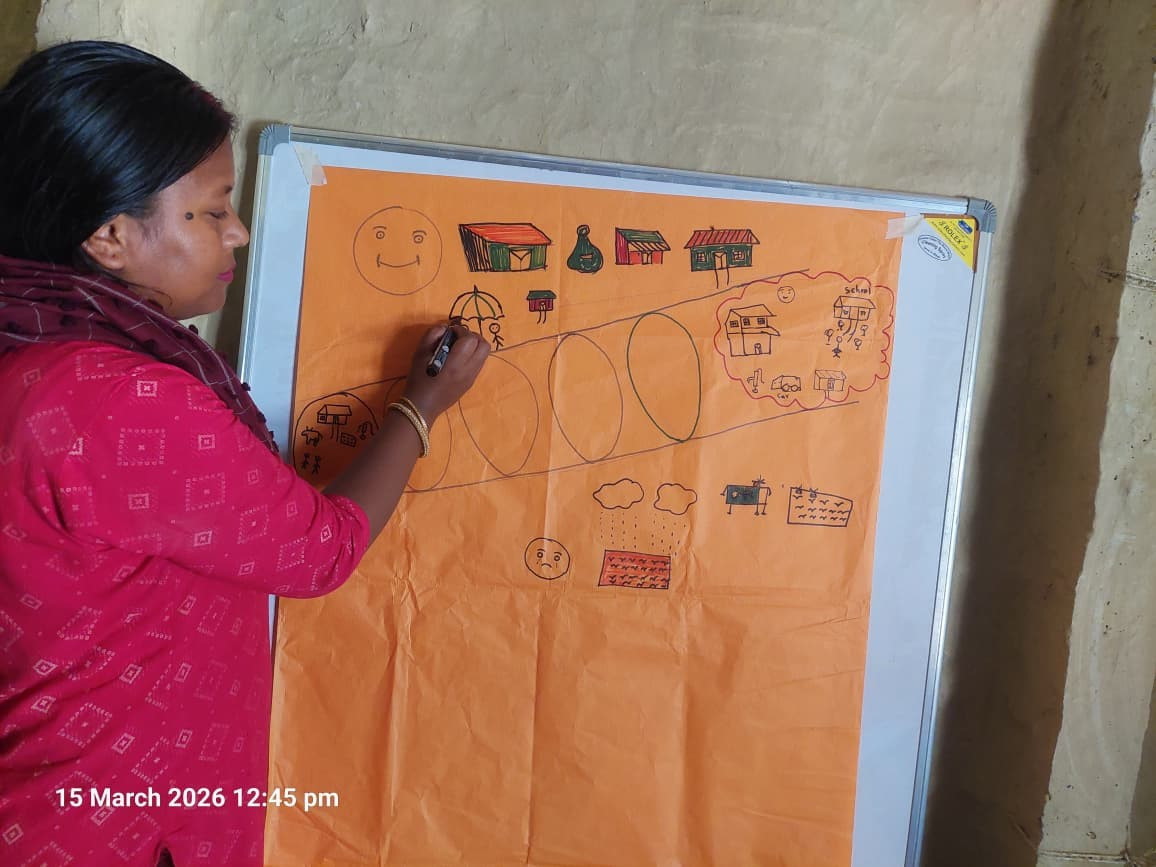
The training methodology was participatory and learner-centered, combining interactive presentations, group discussions, practical exercises, role plays, and experience sharing to ensure active engagement and meaningful learning. Participants were encouraged to reflect on their own experiences, challenges, and aspirations related to leadership and political participation, and to relate these to the broader governance and policy context of Nepal. The training created a supportive environment where women could openly discuss sensitive issues such as discrimination, power dynamics, and violence, while also identifying practical strategies to overcome these barriers. Emphasis was placed on building collective confidence, solidarity, and peer support among participants, recognizing the importance of networks and alliances for sustained political engagement.
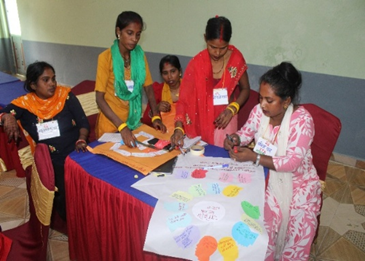
An evaluation of the training management and overall effectiveness was conducted as an integral part of the program. Feedback was collected from participants throughout the training period using standardized questionnaires and facilitated discussions. Participants were invited to assess various aspects of the training, including the relevance and clarity of the content, alignment of the training with stated objectives, trainers’ subject-matter competence, facilitation methods, use of training materials, effectiveness of group work, and overall management and logistics. The evaluation results indicated a high level of satisfaction among participants, with most rating the training content, objectives, trainer competency, facilitation approach, and use of participatory methods as very good or good. Participants appreciated the practical focus of the sessions and the opportunity to enhance their understanding of political processes and leadership roles in a supportive learning environment. While overall feedback was positive, some participants recommended organizing refresher trainings and follow-up sessions to reinforce learning, provide continued mentorship, and support sustained engagement in leadership and governance activities.
The training concluded successfully, achieving its intended objectives and delivering tangible learning outcomes for the participants. The Women’s Leadership and Political Participation Training equipped the 30 participants from Rajdevi and Brindawan Municipalities with enhanced knowledge, practical skills, and increased confidence to engage in political and community leadership roles. Participants gained a clearer understanding of their rights, responsibilities, and opportunities within Nepal’s governance framework, as well as practical strategies to navigate political processes, advocate for community priorities, and contribute to inclusive decision-making. The training also strengthened participants’ awareness of gender equality, gender-responsive governance, and the importance of addressing violence against women in politics, enabling them to act as advocates for safer and more inclusive political spaces.
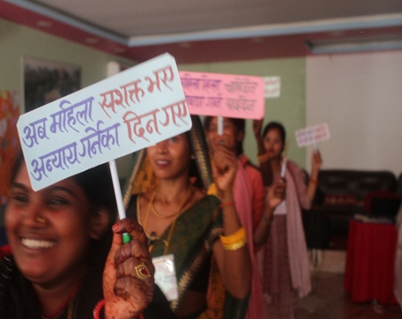
Overall, the training represented a significant step toward strengthening women’s leadership and political participation under the Empowering Her Project. By building women’s capacities, confidence, and collective agency, the training contributed to the broader project goal of empowering women in climate-resilient communities and promoting inclusive, democratic, and accountable local governance. The knowledge and skills gained through the training are expected to enable participants to play more active roles in local institutions, influence development planning and service delivery, and serve as role models for other women and girls in their communities. Continued support, follow-up capacity-building, and engagement through the Women’s Empowerment Centers will be critical to sustaining these outcomes and ensuring that women’s leadership translates into meaningful and lasting change at the community and municipal levels.