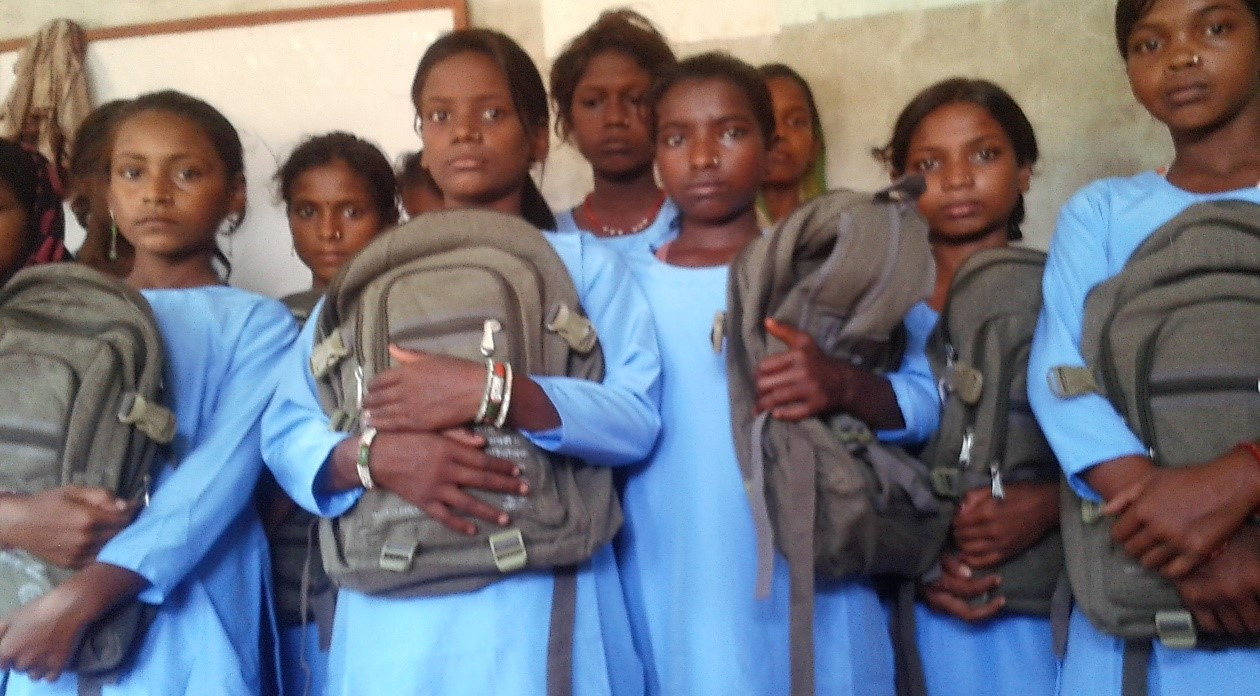
Rautahat District, located in the southern plains of Nepal, has long faced significant educational challenges arising from poverty, social exclusion, gender disparities, language barriers, and inadequate educational infrastructure. Children from marginalized communities—including Muslim, Dalit, economically disadvantaged households, and children with disabilities—often experience limited access to quality education, resulting in poor learning outcomes, irregular attendance, and high dropout rates. Recognizing these challenges, Rural Development Center (RDC) Nepal, with technical and financial support from UNICEF and World Education Inc., implemented the Equity and Inclusion in Education (EIE) project from 2019 across Rajpur, Baudhimai, Maulapur, and Katahariya Municipalities. The project aimed to strengthen equitable access to quality Early Grade Learning (Grades 1–3) by improving inclusive teaching practices, promoting mother tongue-based instruction, strengthening local education governance, and engaging communities in children's education.
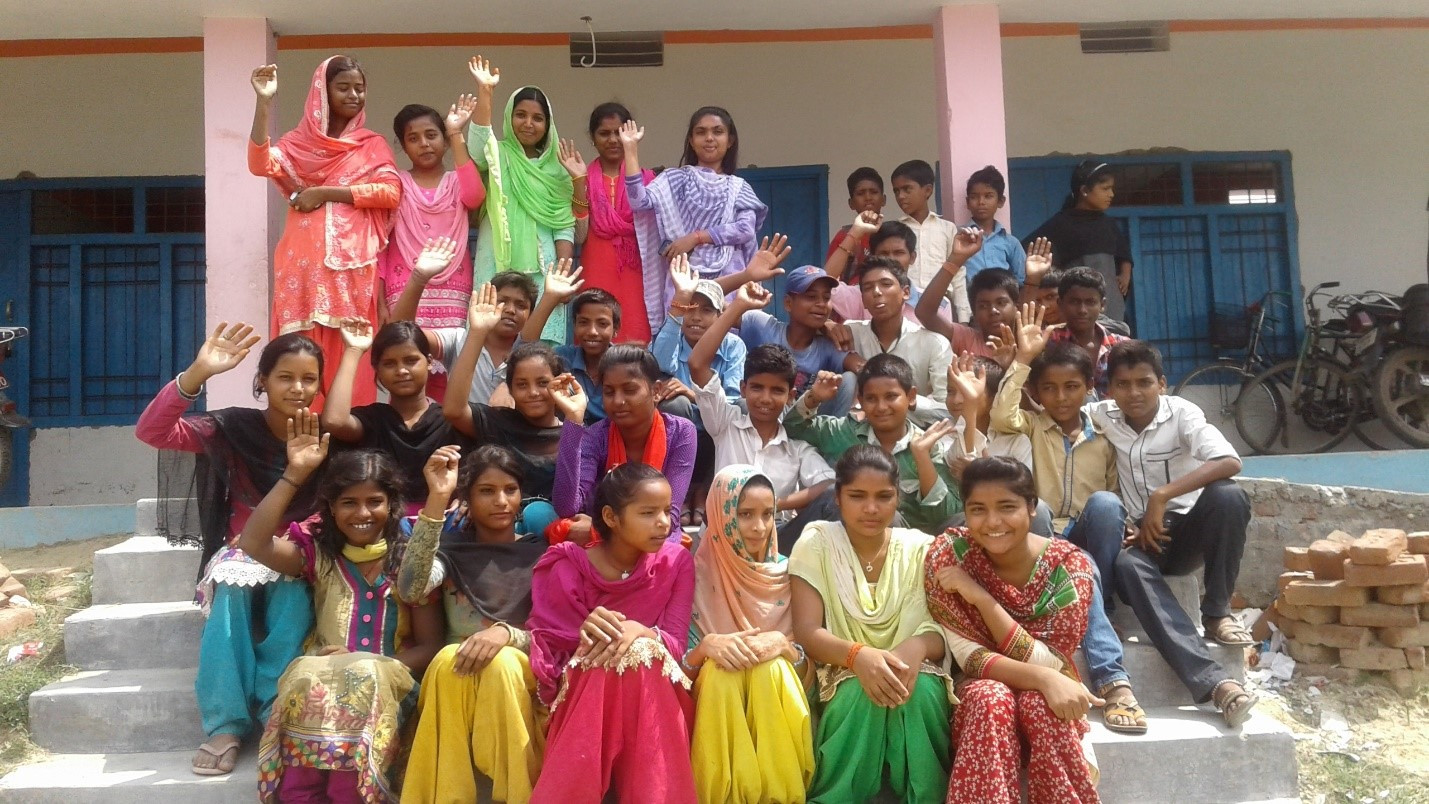
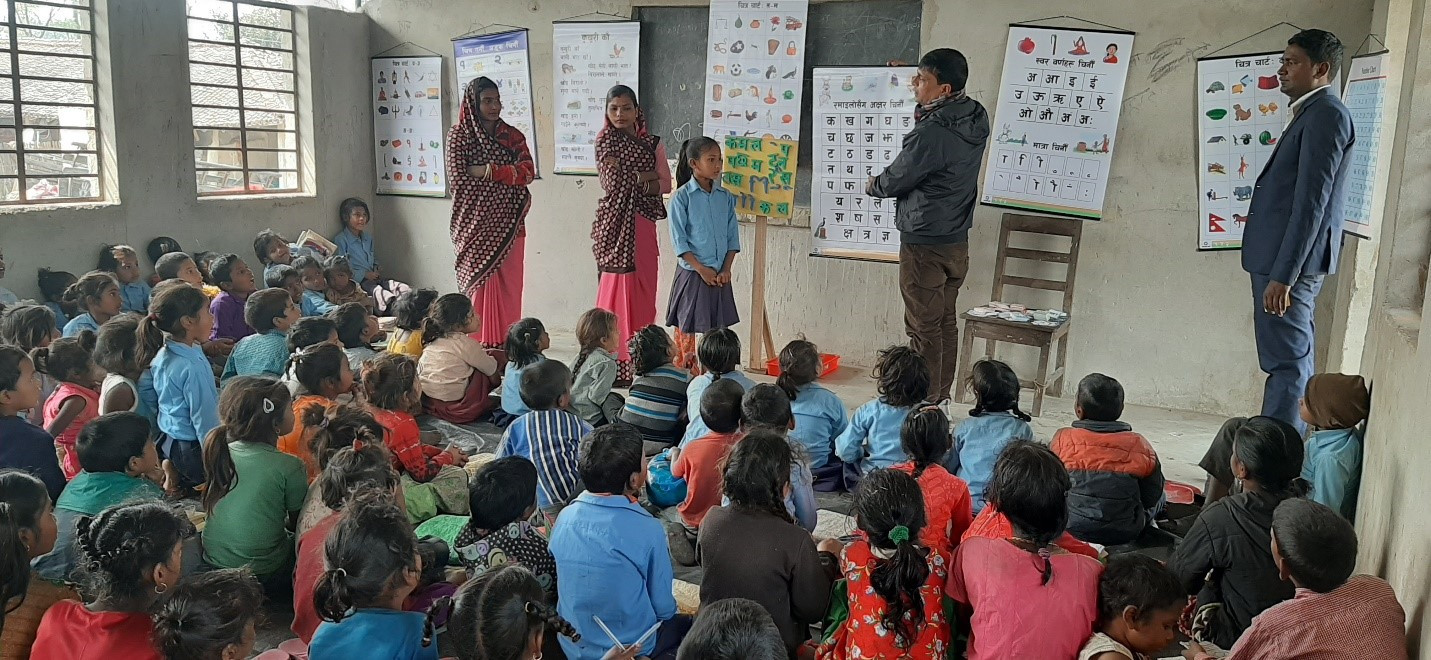
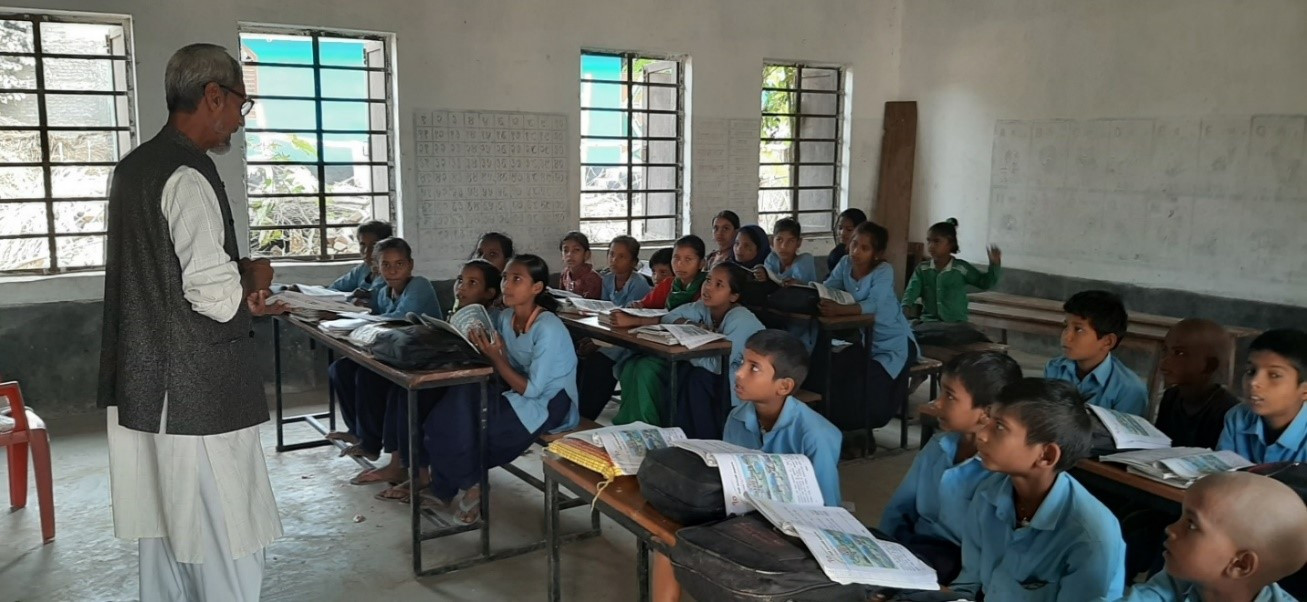
Throughout the implementation period, RDC Nepal worked closely with local governments, schools, teachers, parents, and community stakeholders to create child-friendly and inclusive learning environments in 65 public schools. The organization successfully conducted 15 Learning Camps benefiting 463 children, enabling students to continue learning during school holidays while improving reading, writing, and social interaction skills. RDC Nepal also organized 4 Municipal Planning Workshops, 50 School Orientation Programs, 7 Mobile Teacher Meetings, and provided more than 1,200 classroom technical support visits, ensuring continuous mentoring and practical guidance for teachers. A total of 132 early grade teachers were trained on Early Grade Learning methodologies, Continuous Assessment System (CAS), inclusive education, classroom management, and mother tongue-based instruction using Bajika. Additionally, over 70 locally developed Bajika reading materials were produced through BLOOM software, making classroom learning more relevant and accessible for young learners. The project also identified 35 children with disabilities, laying the foundation for Individual Education Plans (IEPs) and more inclusive classroom practices.
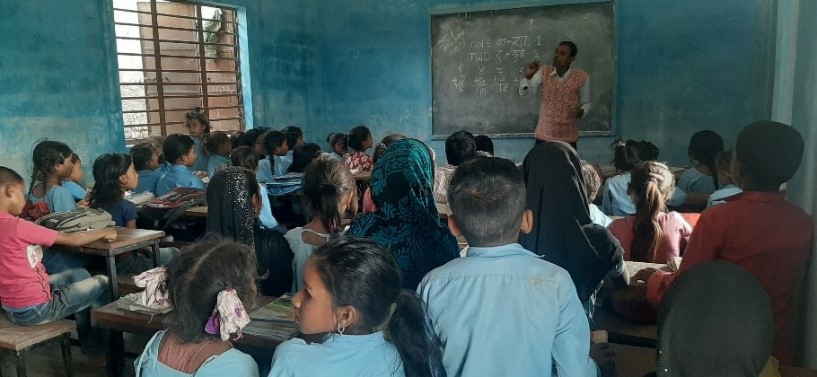
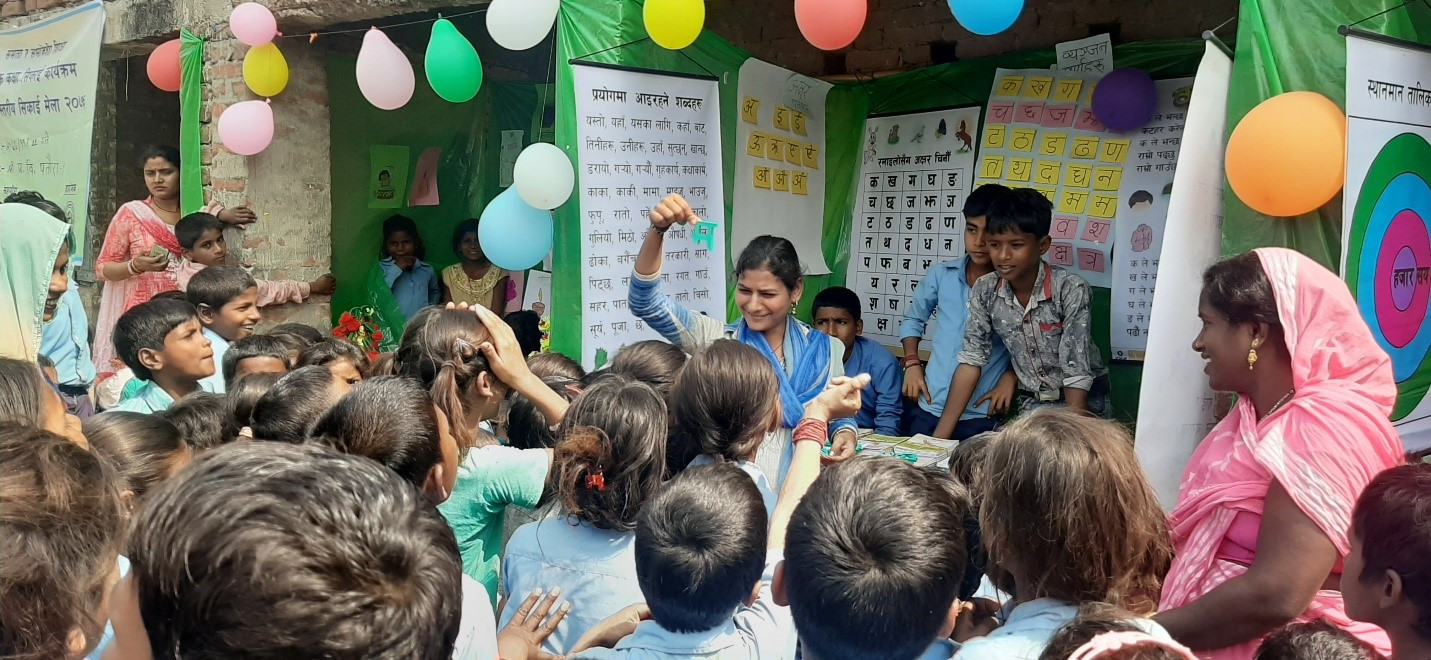
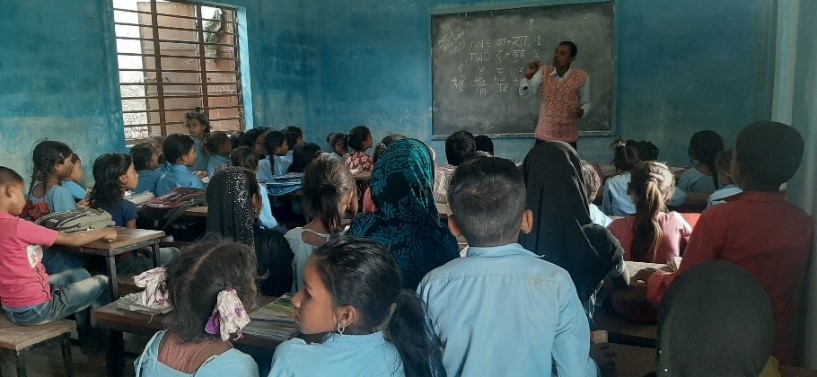
The project generated significant positive impacts across the education sector. Teachers adopted interactive and child-centered pedagogical approaches such as group learning, peer support, learning through play, and the effective use of locally available teaching materials. The introduction of mother tongue-based instruction significantly improved students' classroom participation, comprehension, and confidence, particularly among children who previously struggled with Nepali as the language of instruction. Parents and community members became increasingly engaged in school governance through Learning Fairs, SMC/PTA meetings, and School Improvement Plan (SIP) discussions, strengthening accountability and local ownership. Municipal governments also demonstrated increased commitment by allocating resources for Early Grade Learning activities and integrating inclusive education priorities into local education planning. These collaborative efforts created stronger partnerships among schools, communities, and local governments, contributing to a more sustainable and inclusive education system.
Despite these achievements, RDC Nepal encountered several challenges during implementation. Many schools continued to struggle with inadequate classrooms, insufficient teaching staff, limited child-friendly infrastructure, and poor utilization of existing learning resources. Low parental awareness regarding children's education, political influences affecting school management, and delays in local government decision-making also hindered program implementation. Furthermore, the outbreak of the COVID-19 pandemic disrupted school operations and postponed several planned activities.
Overall, RDC Nepal's Equity and Inclusion in Education initiative demonstrated that meaningful improvements in learning outcomes require an integrated approach combining teacher capacity development, inclusive pedagogy, mother tongue-based education, community engagement, and strong local government ownership. The project's achievements have laid a solid foundation for equitable, inclusive, and quality education in Rautahat, offering a replicable model for strengthening early grade education in other marginalized regions of Nepal while ensuring that every child has the opportunity to learn, participate, and thrive.