Summary
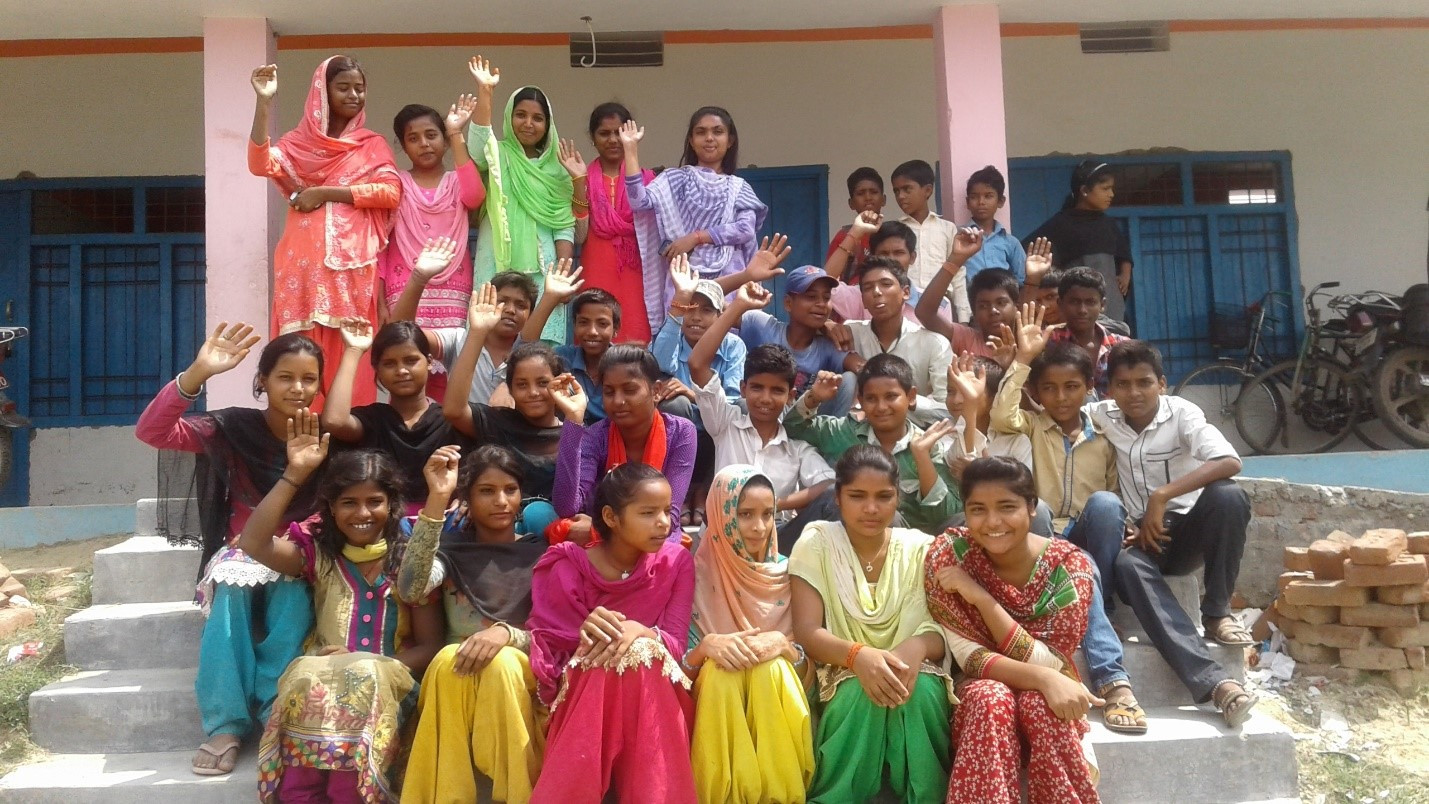
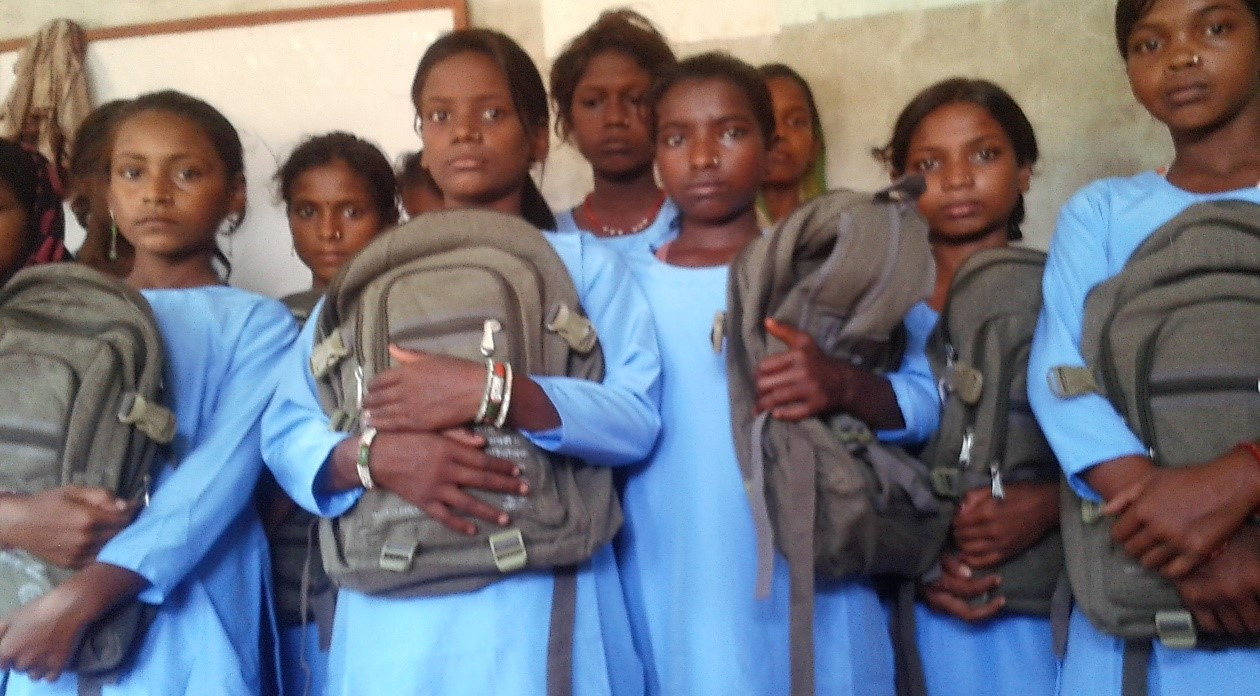
Education remains one of the strongest foundations for breaking the cycle of poverty and social exclusion. However, thousands of children, particularly girls from Dalit, Muslim, and other marginalized communities in Rautahat District, have historically remained outside the formal education system due to poverty, child labor, early marriage, gender discrimination, and limited educational opportunities. To address these challenges, Rural Development Center (RDC) Nepal, with support from World Education, implemented the Sang Sangai – The Learning Together Project across the most disadvantaged communities of Rautahat.
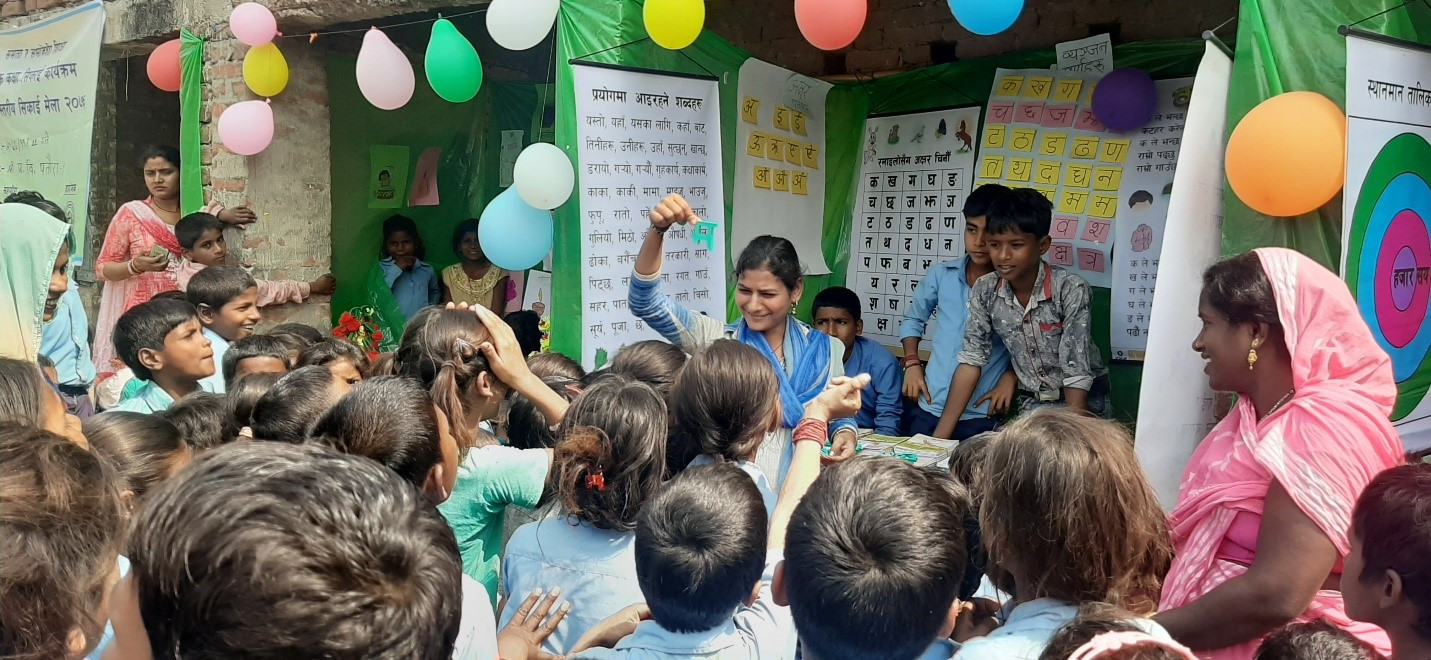
The project was designed to provide second-chance educational opportunities for approximately 5,000 out-of-school girls aged 8–15 years through flexible non-formal education programs, enabling them to gain basic literacy, numeracy, life skills, and confidence before reintegrating into formal schools. Recognizing that sustainable educational transformation requires family and community participation, the project also engaged mothers through literacy classes, health education, livelihood training, and cultural promotion activities. This holistic approach ensured that girls received support both inside and outside the classroom.
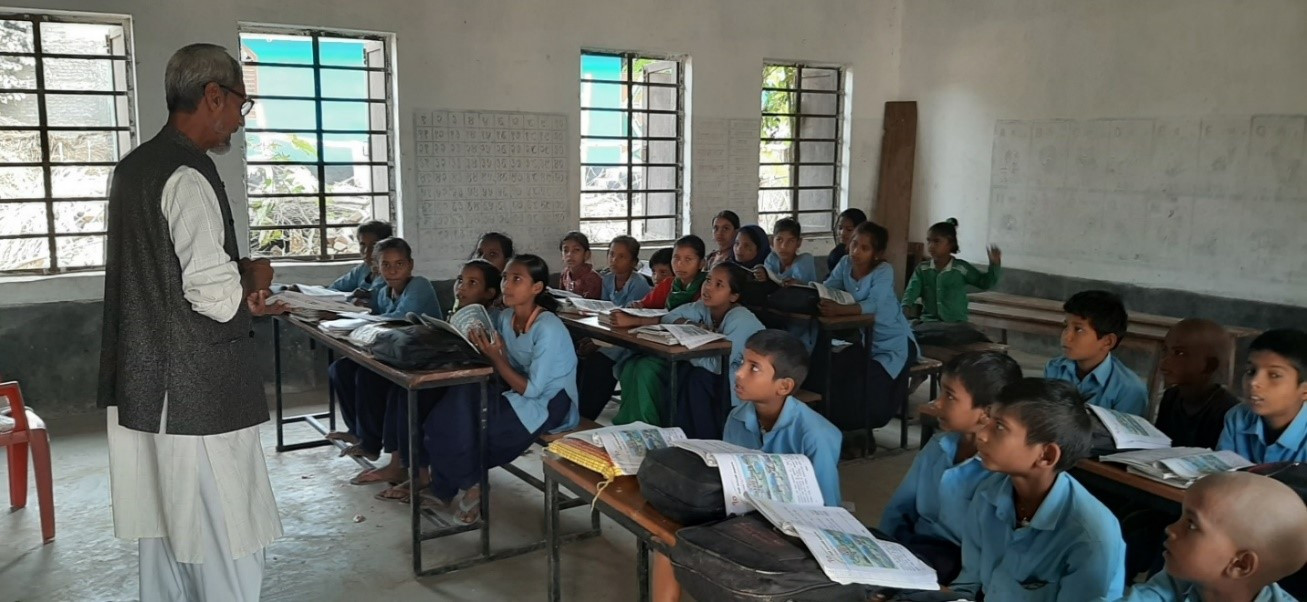
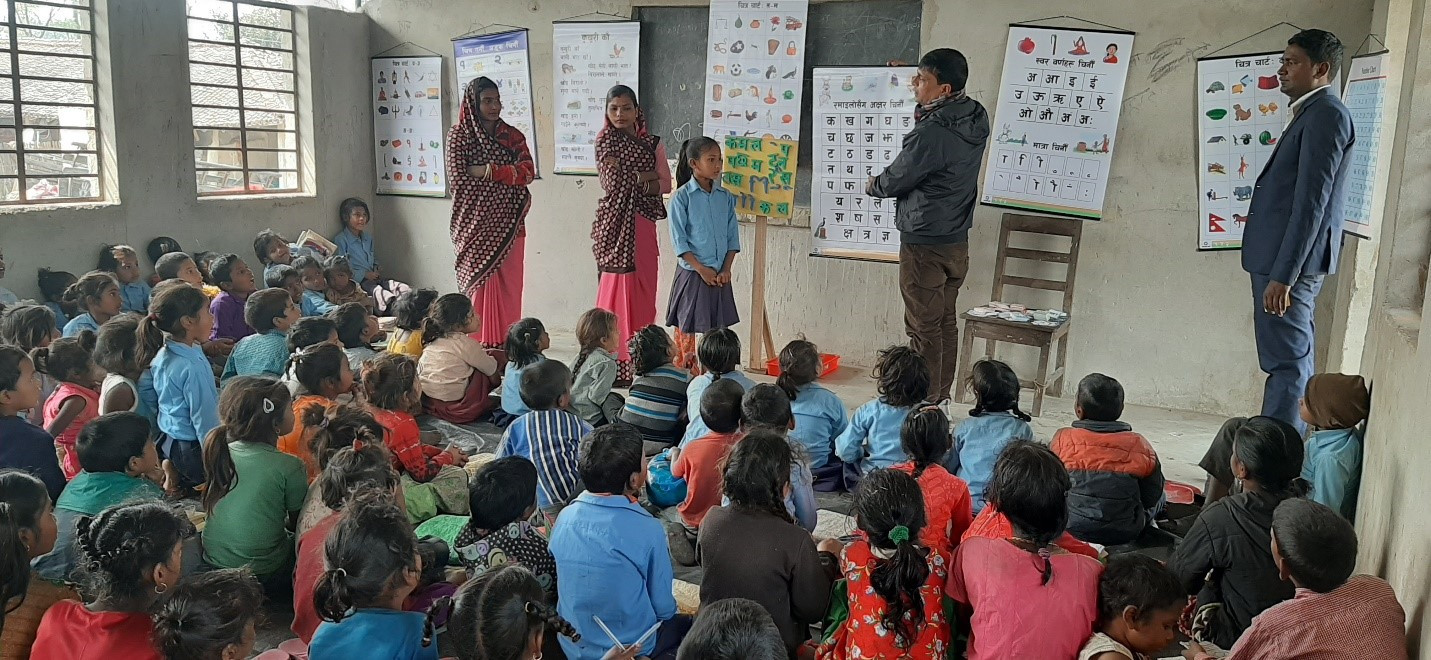
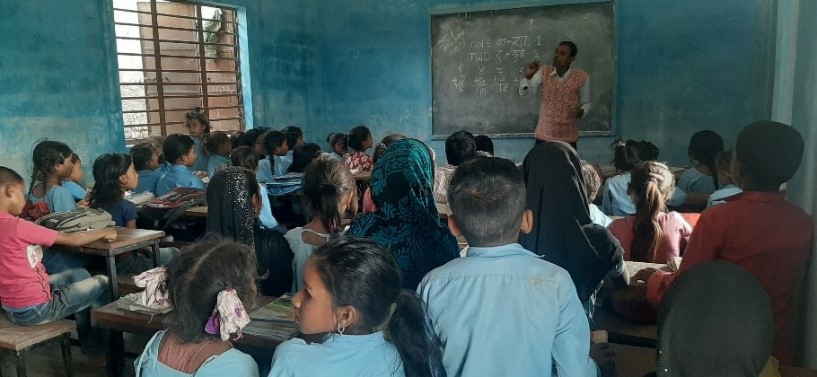
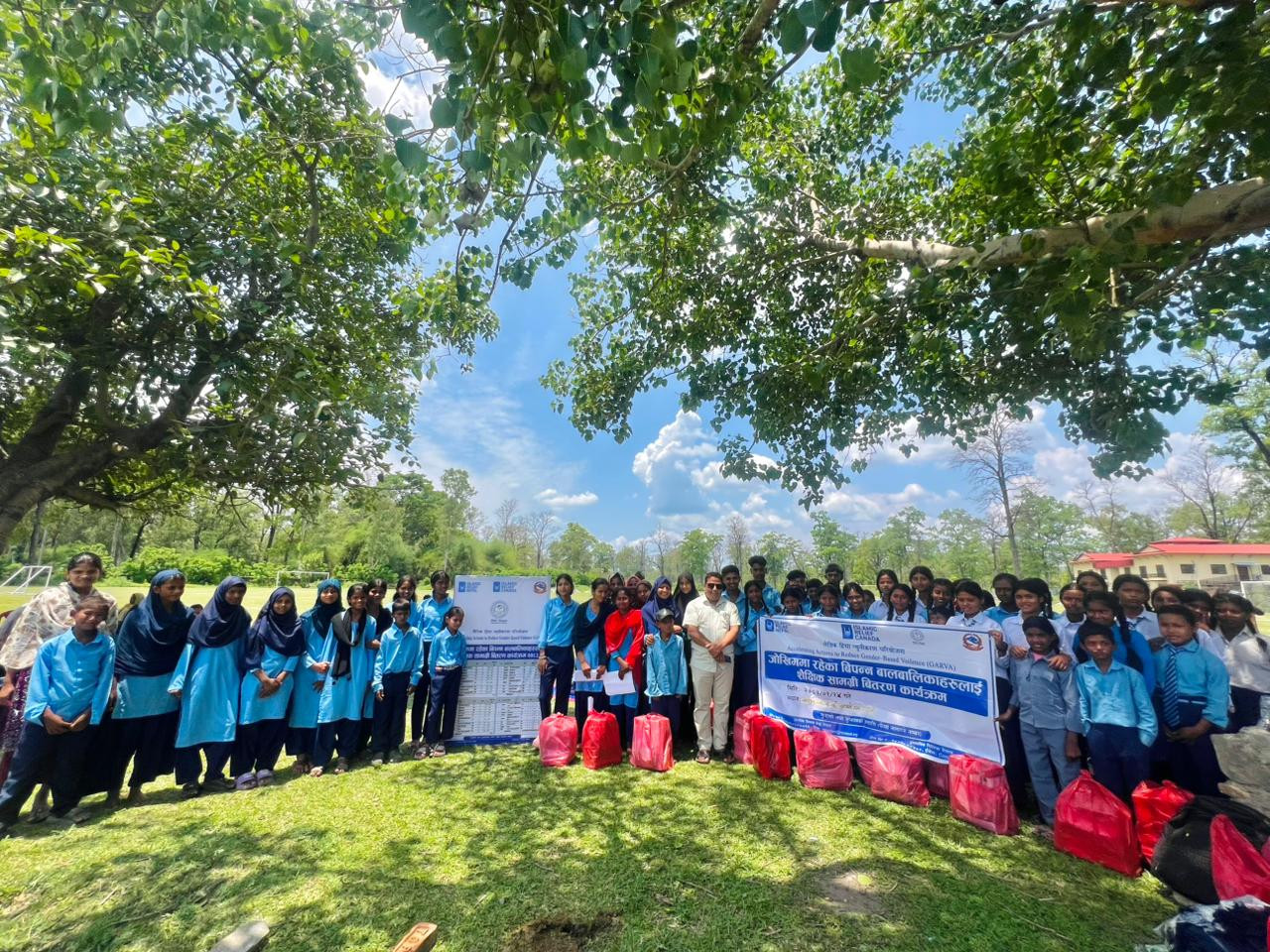
The project consisted of four major components: Bridging Classes, Girls Access to Education (GATE), Mother Non-Formal Education (NFE), and Scholarship Support. Bridging Classes provided three months of accelerated learning for girls who had dropped out of school, while GATE classes offered nine months of structured education for girls who had never attended school or had left school for a long period. Mothers participated in literacy, health, financial literacy, and livelihood development sessions, empowering families to value education and support their daughters' learning. In addition, scholarships, school uniforms, and educational materials reduced financial barriers to school enrollment and retention.
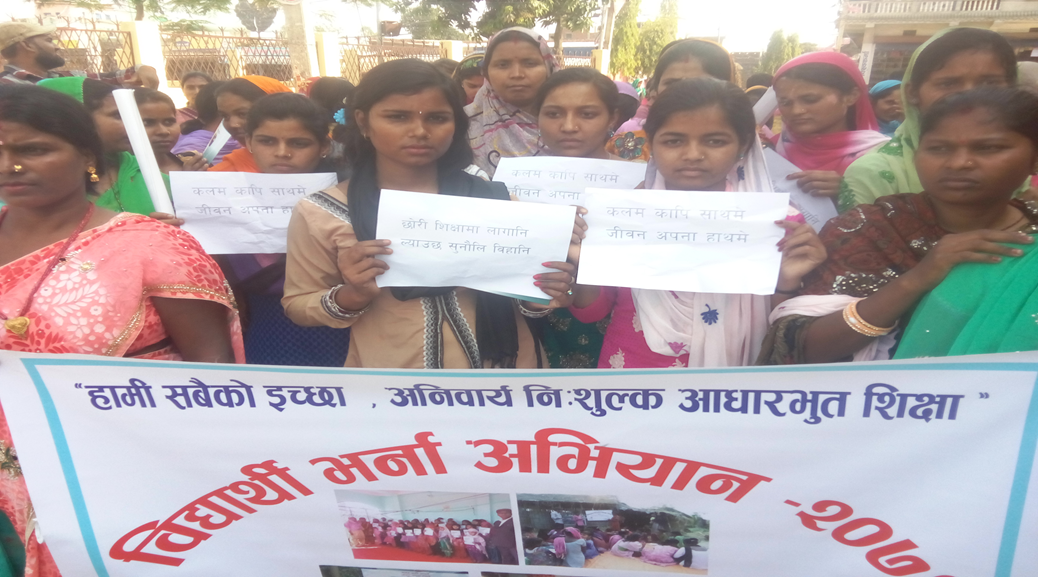
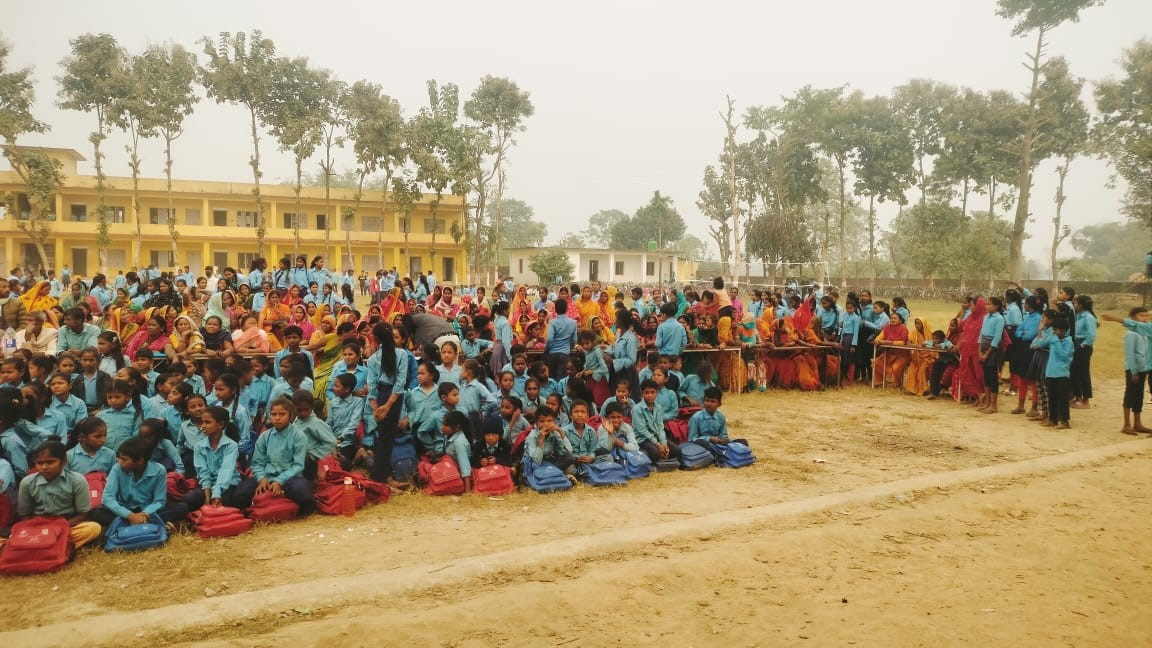
The project generated remarkable achievements. During 2016, 861 girls participated in Bridging Classes, with 725 girls successfully enrolled in nearby government schools. In 2017, another 893 girls completed Bridging Classes, leading to the enrollment of 648 girls into formal education. Through the GATE program, 1,774 girls from marginalized communities received nine months of non-formal education, and 1,332 girls transitioned into government schools. Simultaneously, 748 mothers participated in nine-month literacy and livelihood education programs, strengthening household awareness of education, health, and economic development. More than 1,100 community members also participated in Child Protection Committee meetings and awareness campaigns promoting girls' education, child rights, and community development.
Beyond increasing school enrollment, the project transformed community attitudes toward girls' education. Parents who once prioritized domestic work or early marriage increasingly recognized education as an investment in their daughters' futures. Mothers gained literacy skills, improved health awareness, and practical livelihood knowledge, enabling them to contribute to household decision-making and income generation. The project also promoted local culture through art workshops, encouraging women to preserve traditional artistic practices while creating opportunities for economic empowerment.
Key Achievements
- Reached nearly 5,000 marginalized girls through non-formal education initiatives.
- 861 girls enrolled in Bridging Classes in 2016; 725 reintegrated into government schools.
- 893 girls enrolled in Bridging Classes in 2017; 648 transitioned into formal education.
- 1,774 girls participated in GATE classes, with 1,332 enrolled in government schools.
- 748 mothers completed literacy, numeracy, health, and livelihood education.
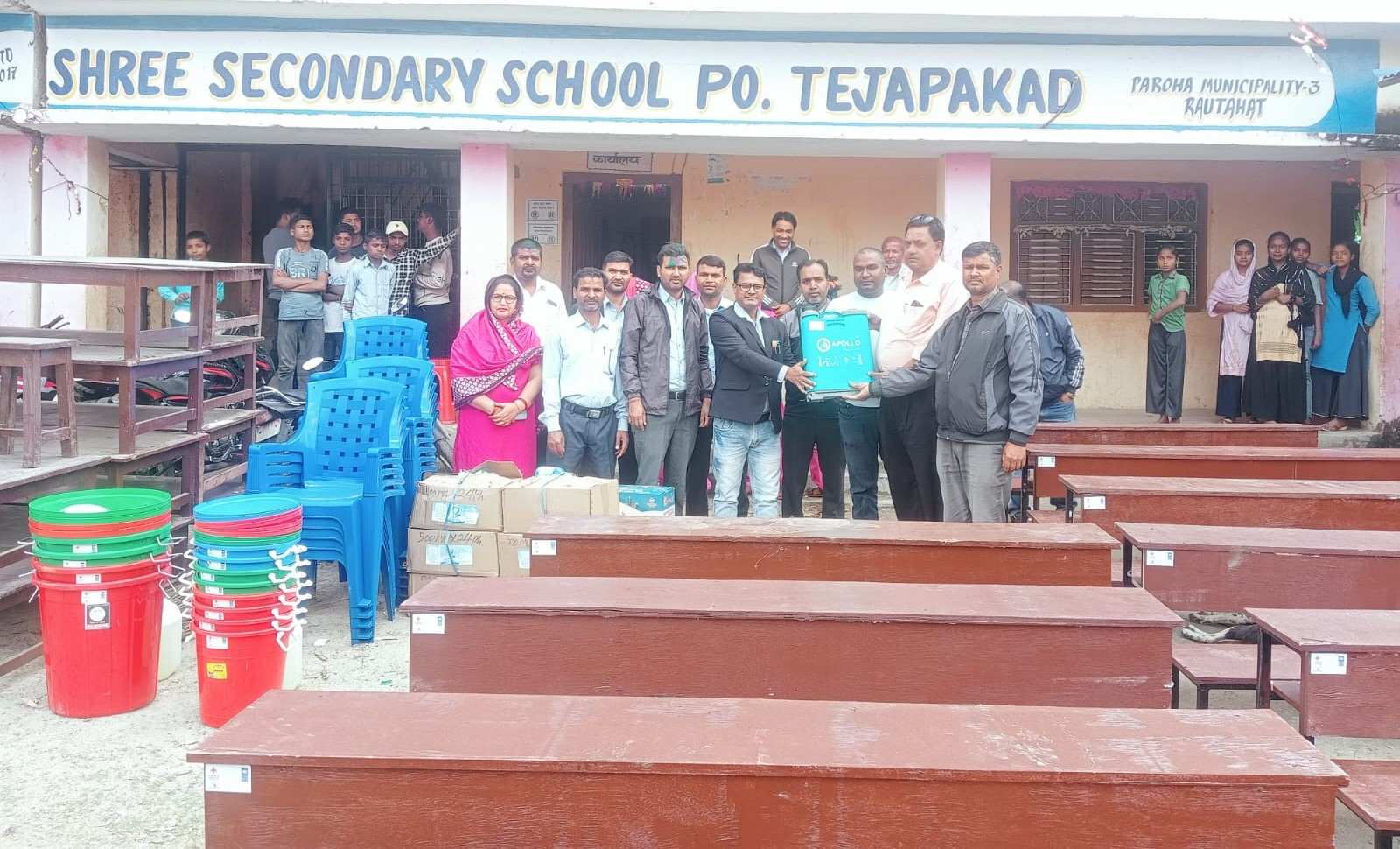
- Scholarships, uniforms, and educational materials provided to 1,350 girls completing the GATE program.
- Mother Art Workshops promoted local culture while developing vocational skills.
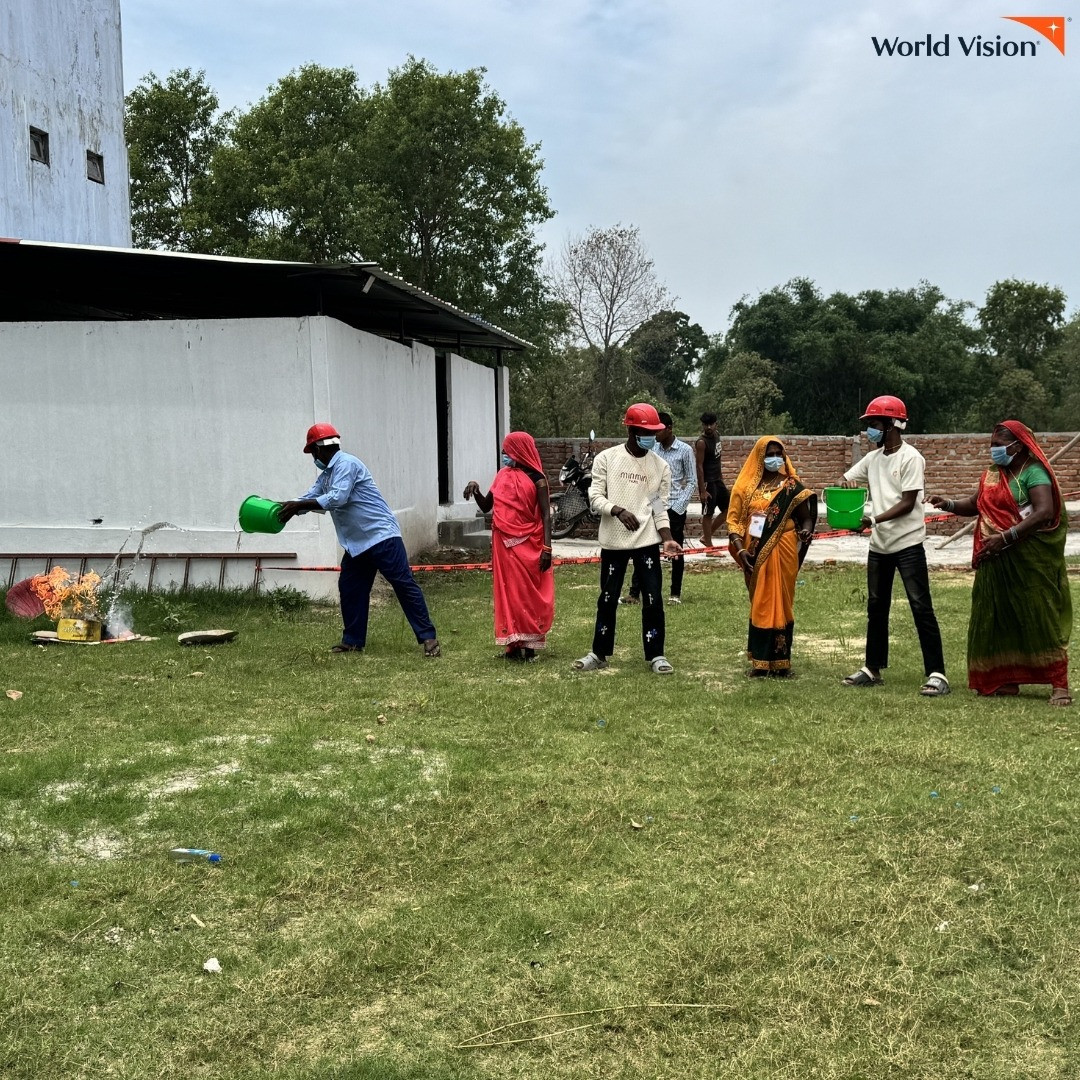
- More than 1,100 community members participated in awareness meetings on education, child protection, and social development.
Impact by RDC Nepal
RDC Nepal significantly expanded educational opportunities for marginalized girls by creating accessible pathways back into formal education. Thousands of girls who had dropped out or never attended school acquired literacy, numeracy, and life skills essential for lifelong learning. The project reduced barriers related to poverty, gender discrimination, and social exclusion while strengthening family and community support for girls' education. Through mothers' education and livelihood initiatives, households became more informed about health, education, and income generation, creating positive intergenerational impacts. The Sang Sangai Project established a strong community-based model for inclusive education that continues to influence educational access and gender equality in Rautahat.