Violence against women and girls, child marriage, and gender discrimination have long remained among the most critical social challenges in Rautahat District of Nepal. Deep-rooted patriarchal norms, poverty, low literacy rates, harmful traditional practices, and limited awareness of legal rights have disproportionately affected women and adolescent girls, particularly those from Muslim, Dalit, and other marginalized communities. Early and forced marriage, domestic violence, limited educational opportunities, and restricted participation in decision-making have continued to hinder women's empowerment and social development.
Recognizing these persistent challenges, Rural Development Center (RDC) Nepal, with financial support from OXFAM Nepal, implemented the Creating Spaces: Taking Action Against Violence Against Women and Girls (VAWG) Project across five Village Development Committees (Auriya, Mathiya, Rampurkhap, Jathara, and Narkatiya) of Rautahat District.
The project adopted a community-led approach that focused not only on awareness but also on creating sustainable local structures capable of preventing gender-based violence and child marriage. RDC Nepal engaged women, adolescent girls, youth, religious leaders, teachers, political representatives, local governments, and community members to challenge harmful social norms and build a protective environment for women and girls.
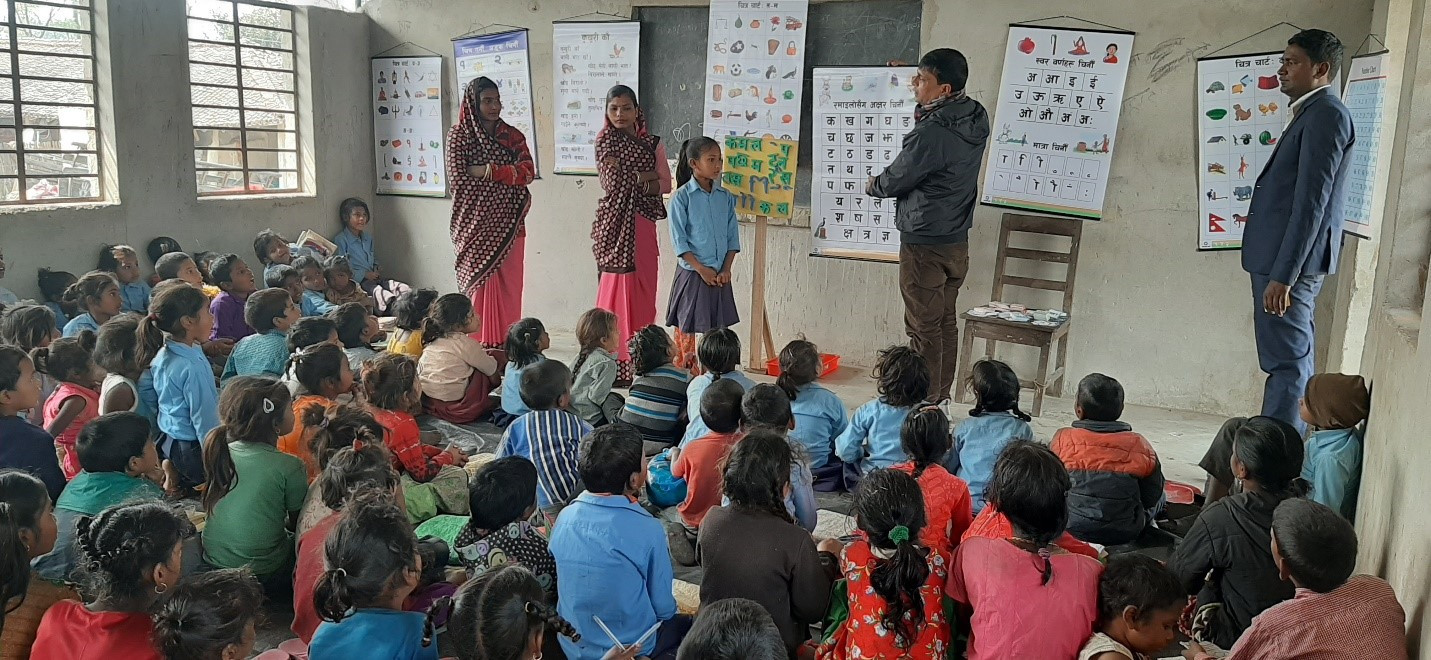
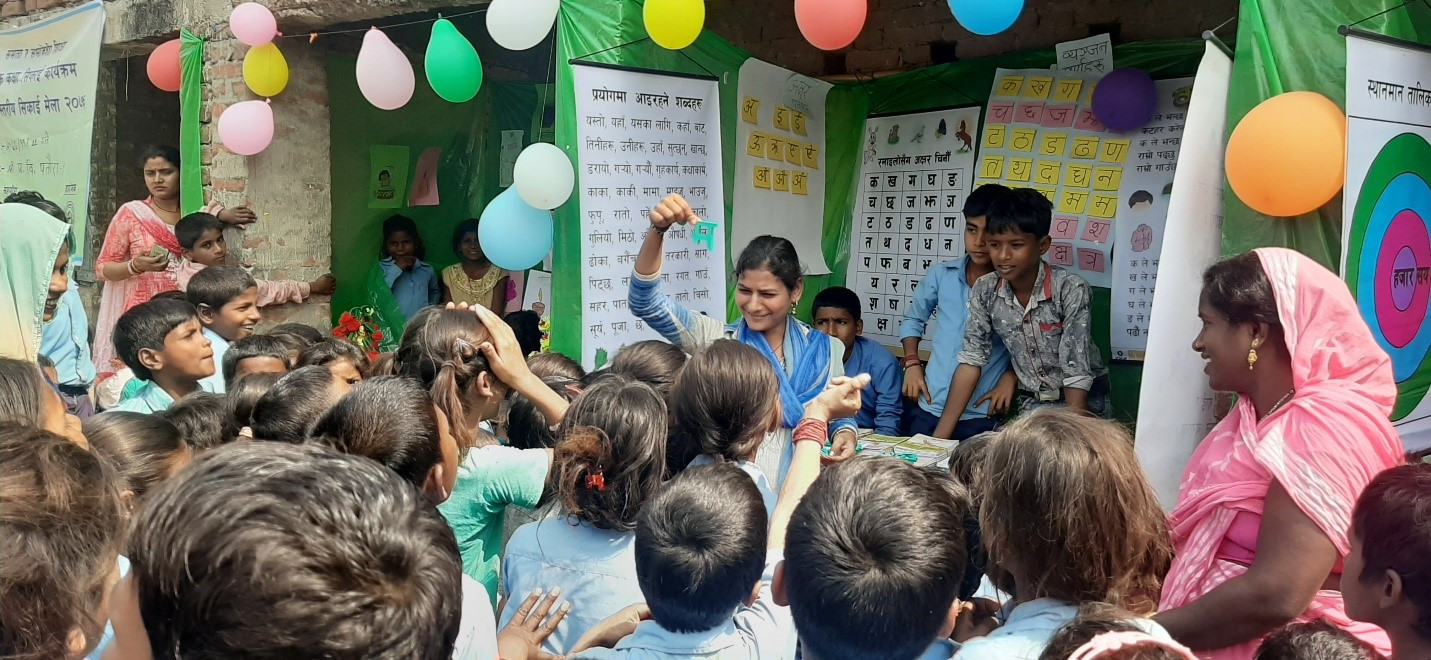
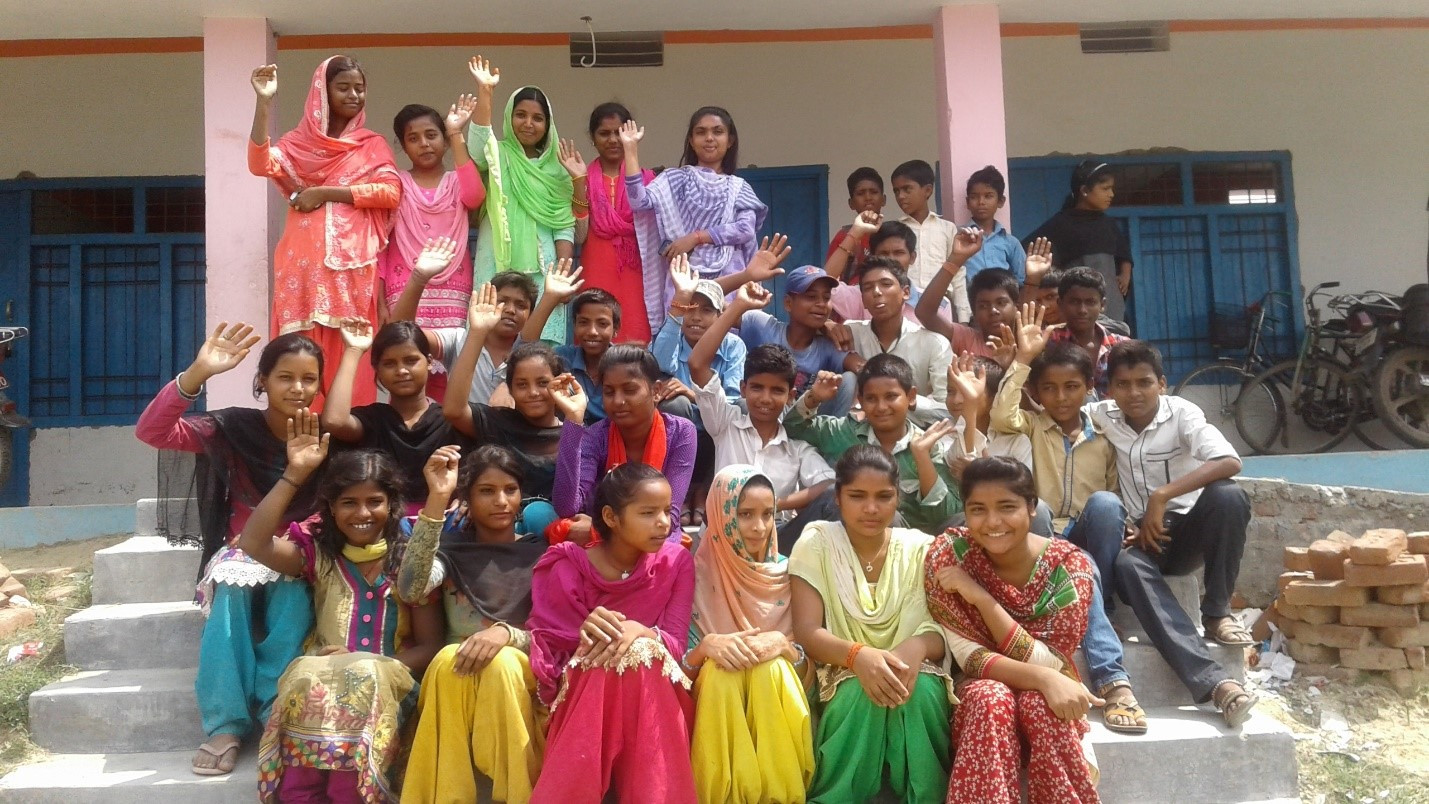
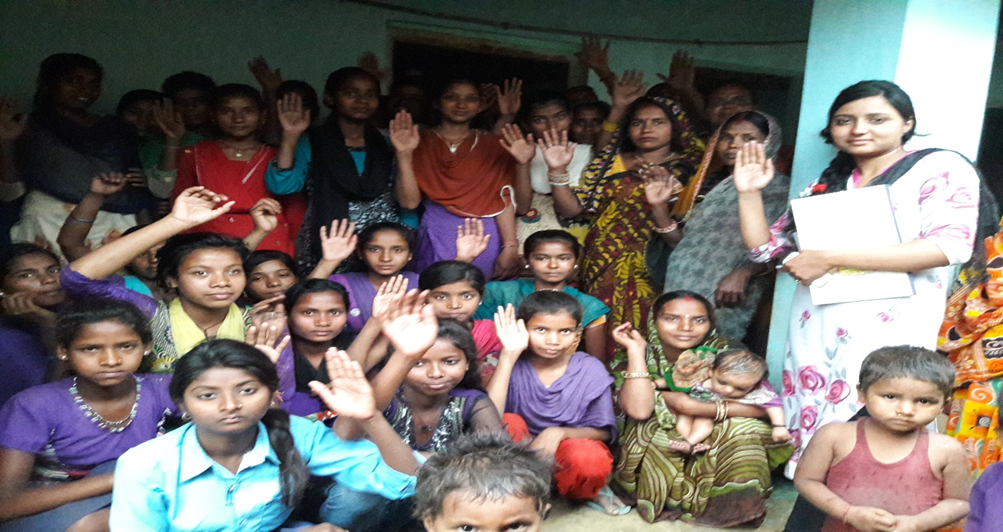
One of the project's major strengths was its emphasis on participation and community ownership. Instead of implementing awareness campaigns alone, RDC Nepal established 45 Community Discussion Centres (CDCs) that became safe platforms where women and adolescent girls openly discussed issues such as child marriage, domestic violence, gender discrimination, legal rights, education, reproductive health, and economic empowerment. Using the internationally recognized REFLECT methodology, participants learned through dialogue, experience sharing, social mapping, and collective problem-solving.
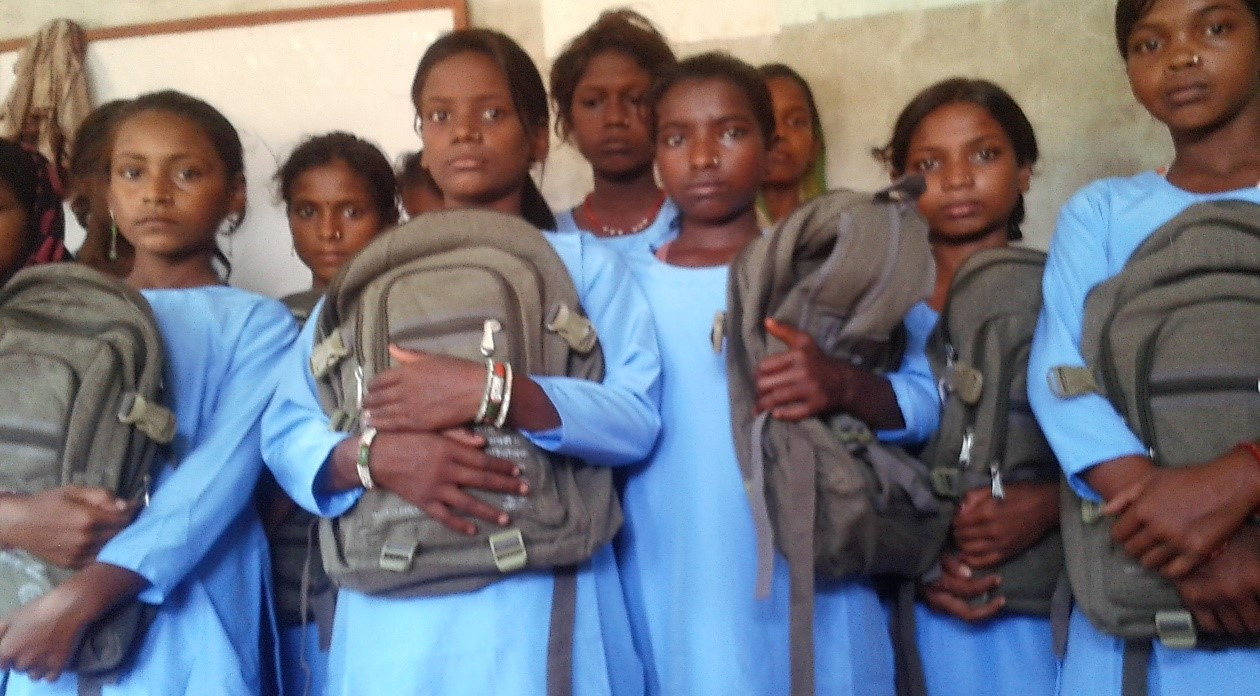
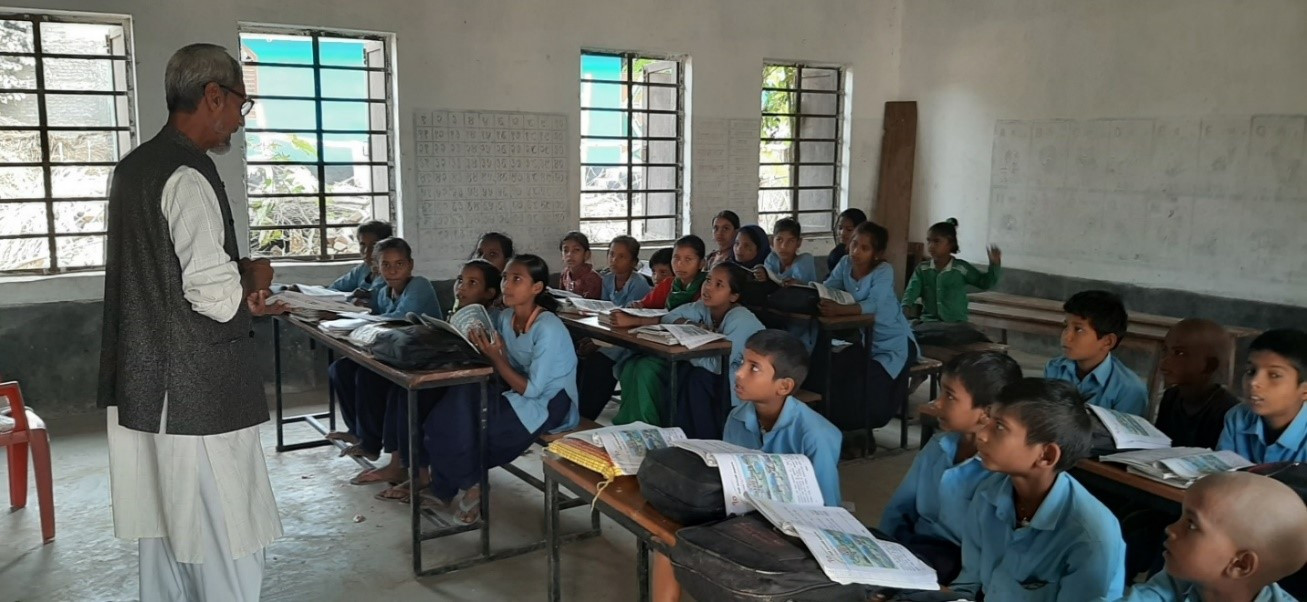
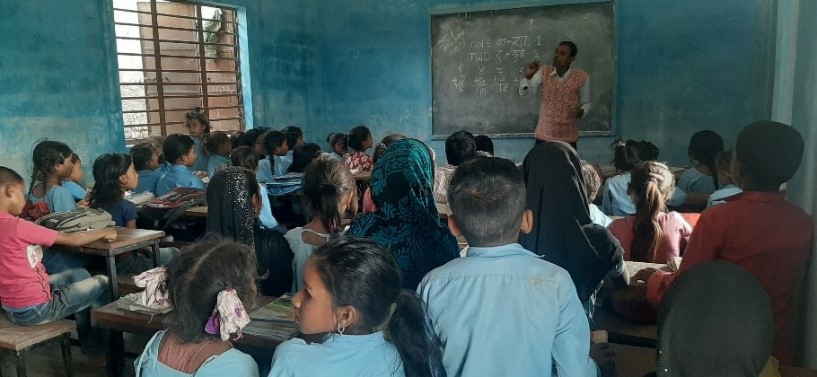
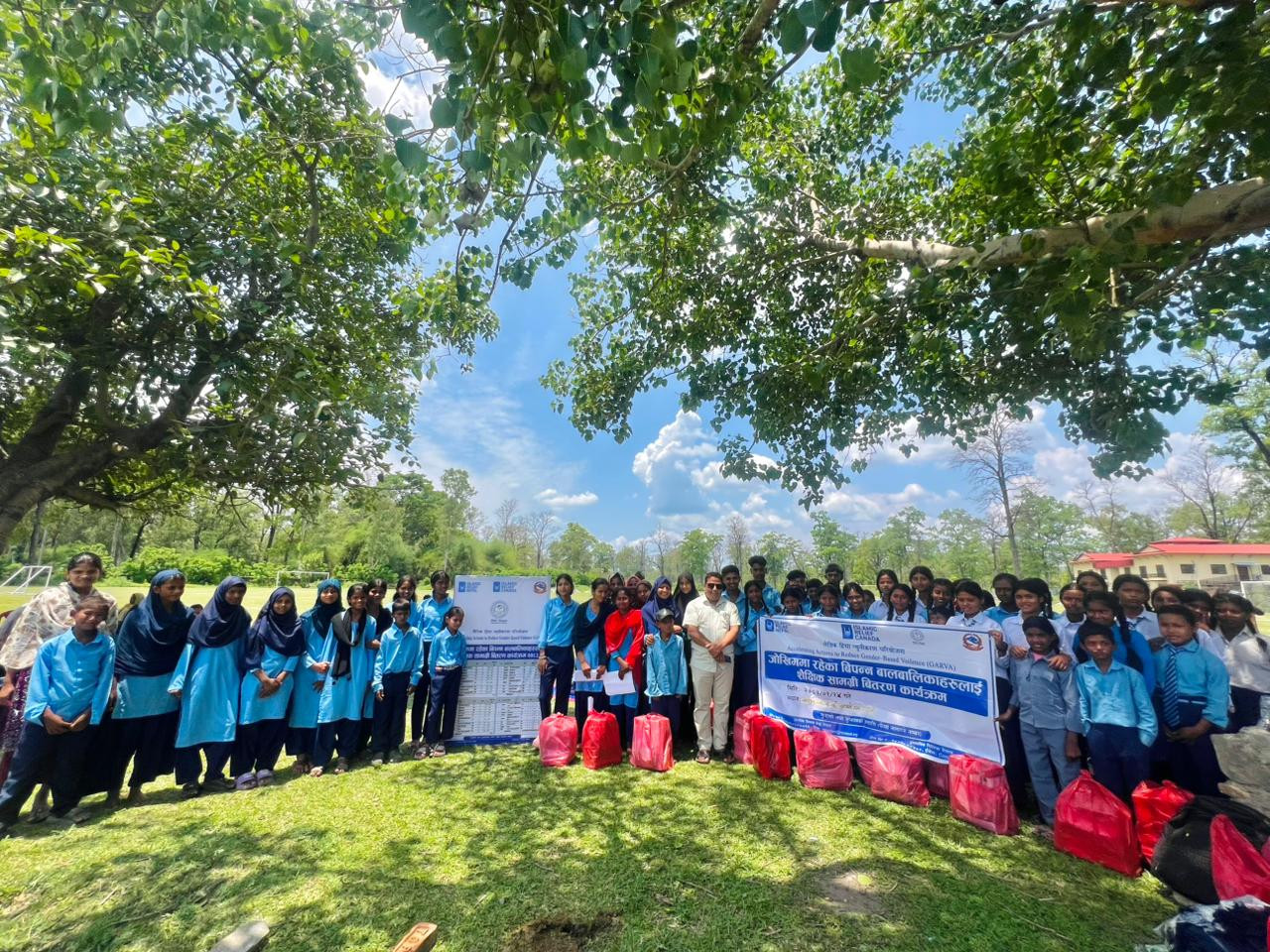
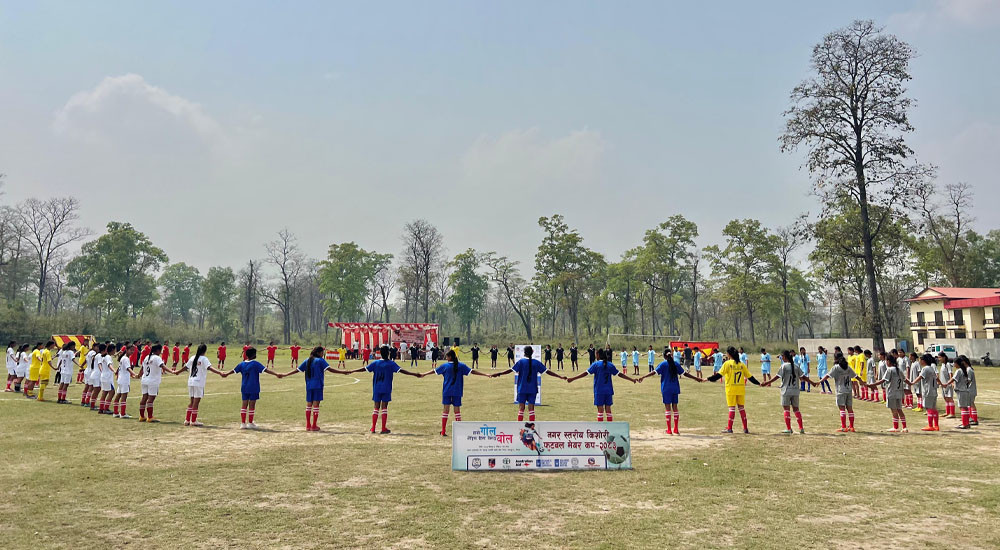
To strengthen youth leadership, RDC Nepal also established Child Clubs in schools, empowering adolescents to become advocates against child marriage and gender-based violence. These clubs developed action plans, coordinated awareness activities, and worked closely with schools and communities to promote child rights and gender equality.
Capacity-building formed another major pillar of the project. RDC Nepal organized RUPANTARAN and REFLECT trainings for project staff and community facilitators, enabling them to facilitate community discussions effectively and support local action. Through these trainings, facilitators gained knowledge on gender equality, human rights, legal provisions, social mobilization, and participatory learning approaches.
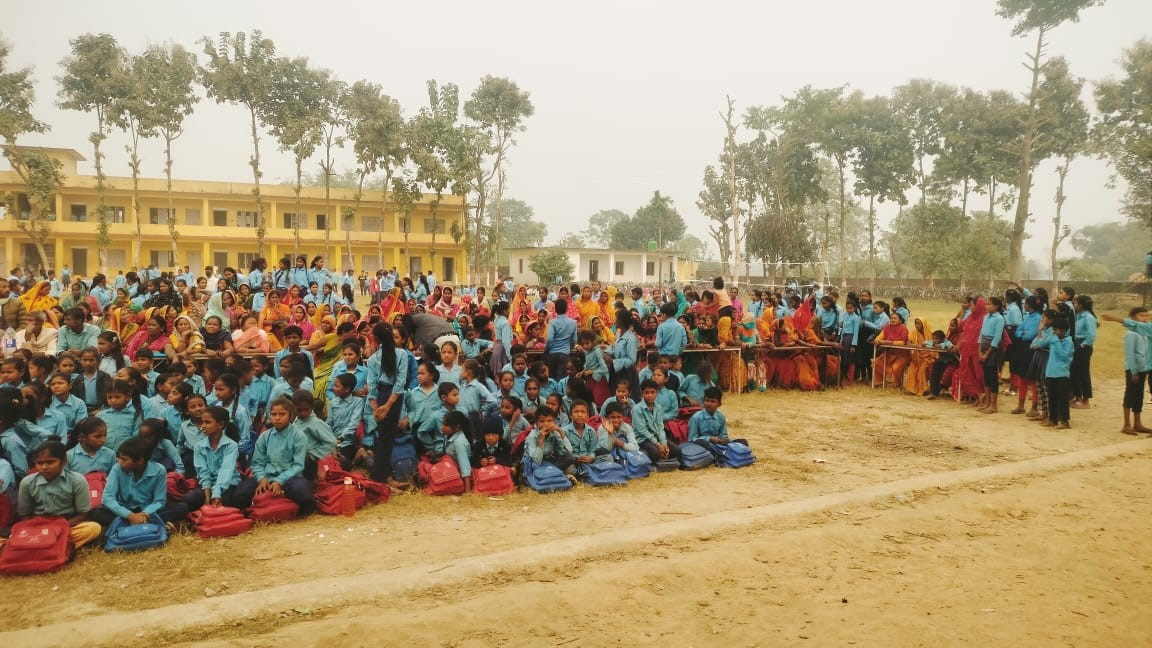
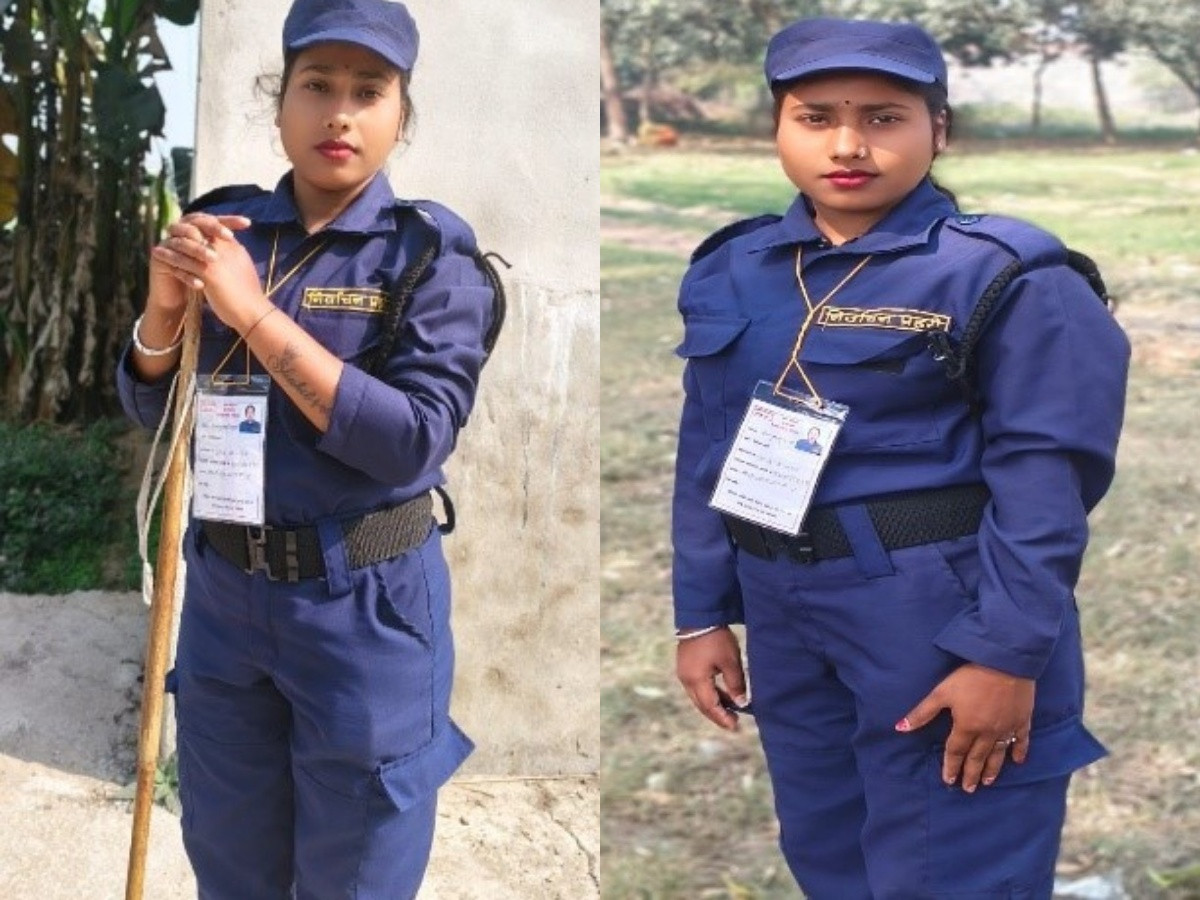
The project also introduced one of the district's largest Door-to-Door Signature Campaigns against child marriage and domestic violence. Community volunteers, Child Club members, and CDC participants visited households throughout the project areas, discussing the harmful consequences of early marriage and violence while collecting more than 3,000 public commitments through signatures. The campaign successfully transformed into a community movement, increasing visibility and encouraging collective responsibility for protecting women and girls.
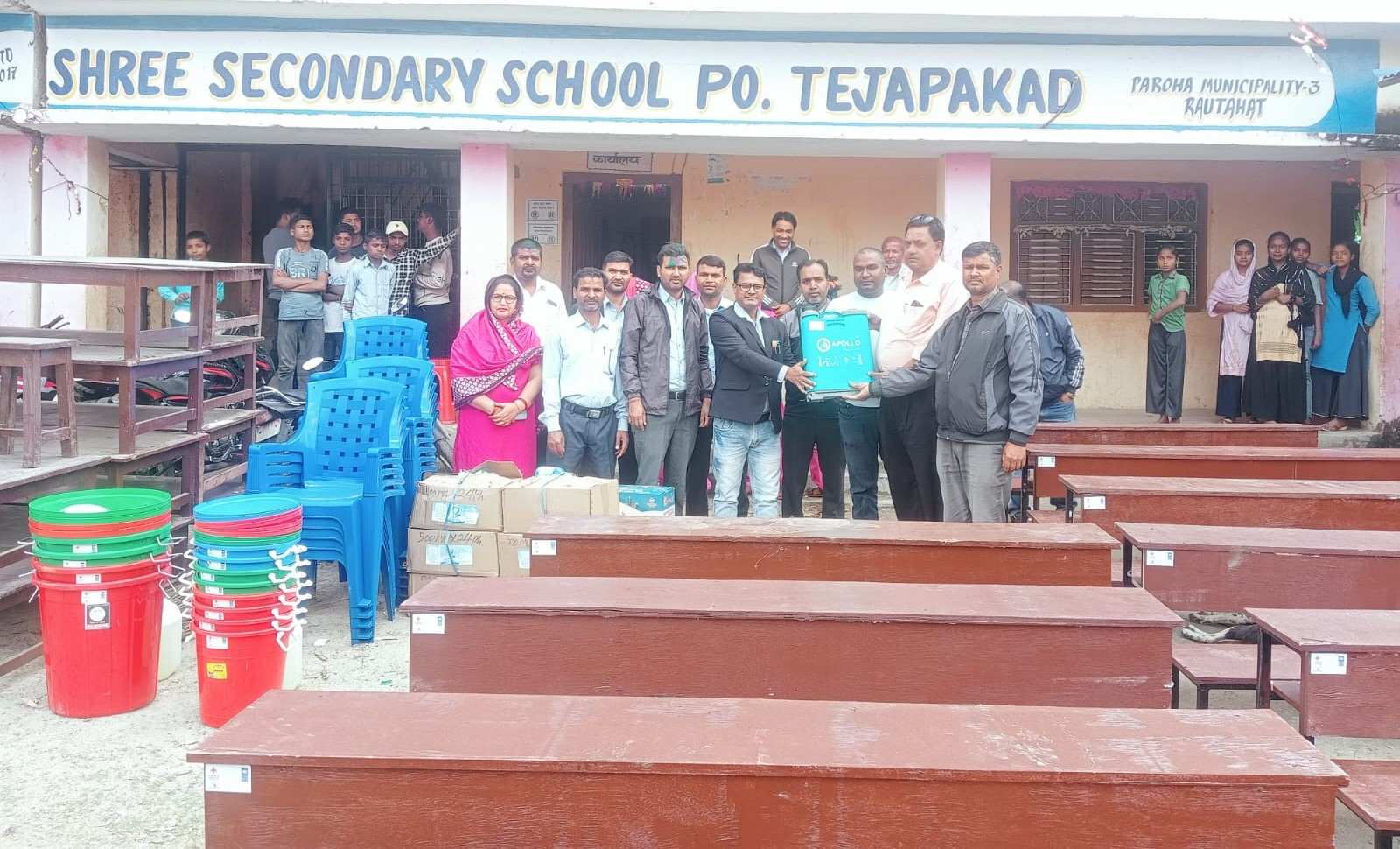
Throughout implementation, RDC Nepal collaborated closely with local governments, police, women and children service centers, district administration, civil society organizations, journalists, and religious leaders. These partnerships strengthened institutional support mechanisms and increased accountability for preventing violence against women and girls.
The project also demonstrated that social transformation requires engaging influential stakeholders. Religious leaders publicly spoke against child marriage and dowry practices, while community members increasingly acknowledged that education and gender equality were essential for sustainable community development.
Although challenges such as floods, political instability, delayed project approval, poverty, and deeply rooted cultural practices slowed implementation, RDC Nepal successfully built a strong foundation for long-term social change by empowering local communities to become active defenders of women's rights.
Key Achievements
Community Mobilization
- Established 45 Community Discussion Centres (CDCs) across five project areas.
- Mobilized 1,025 women and adolescent girls as regular CDC participants.
- Approximately 75% of CDC members were youth and adolescent girls from Dalit, Muslim, and marginalized communities.
- Created safe spaces where survivors and vulnerable women openly discussed gender issues and social challenges.
Capacity Building
- Successfully conducted First and Second Phase RUPANTARAN Trainings.
- 28 project staff and facilitators completed intensive REFLECT methodology training.
- Enhanced facilitators' capacity on social mobilization, legal awareness, gender equality, and participatory learning.
Youth Leadership
- Formed 5 Child Clubs in schools.
- Child Clubs developed annual action plans against child marriage and gender discrimination.
- Engaged 194 students in awareness and leadership activities.
- Promoted youth participation in school and community advocacy.
Mass Awareness Campaign
- Organized 25 Door-to-Door Signature Campaigns.
- Collected commitments from more than 3,050 community members.
- Campaign reached households across all project communities.
- Increased awareness regarding legal provisions related to child marriage and gender-based violence.
Institutional Development
- Formed 5 Project Advisory Committees.
- Strengthened collaboration with local governments, schools, police, religious leaders, and civil society organizations.
- Improved coordination among community stakeholders working on gender equality.
Community Action
- Successfully intervened to prevent at least one child marriage.
- Increased community reporting and discussion of violence against women and girls.
- Encouraged communities to challenge harmful traditional practices.
Impacts by RDC Nepal
The Creating Spaces Project generated significant social transformation within project communities. Women and adolescent girls who previously remained silent about violence and discrimination began participating confidently in community discussions and decision-making processes. Community Discussion Centres became trusted platforms where participants could openly discuss sensitive issues and collectively identify solutions.
The project significantly improved awareness of child rights, women's rights, legal protection mechanisms, and the harmful consequences of child marriage. Families increasingly recognized the importance of educating daughters rather than marrying them at an early age. Religious leaders, political representatives, and local influencers publicly supported efforts to eliminate child marriage, helping change long-standing social attitudes.
Child Clubs empowered adolescents to become community advocates, promoting gender equality among peers and encouraging schools to prioritize child protection. The door-to-door campaign created unprecedented public engagement, transforming awareness into visible community commitment through signed pledges against violence and early marriage.
By strengthening collaboration between communities and local institutions, RDC Nepal improved access to support services for women and girls while enhancing accountability among local stakeholders. The project also demonstrated that sustainable social change requires inclusive participation, community ownership, and continuous dialogue rather than one-time awareness activities.
Major Outcomes
1. Strengthened Community Ownership
Communities became active partners in preventing child marriage and gender-based violence through Community Discussion Centres, Child Clubs, and Project Advisory Committees.
2. Increased Awareness
Thousands of women, men, youth, and community leaders gained improved knowledge of legal provisions, child protection, gender equality, and women's rights.
3. Improved Women's Participation
Women and adolescent girls developed confidence to participate in discussions, leadership roles, and community decision-making processes.
4. Enhanced Youth Leadership
Child Clubs created a new generation of youth leaders actively promoting child rights and advocating against child marriage within schools and communities.
5. Stronger Institutional Collaboration
Partnerships among local governments, schools, police, religious institutions, and civil society organizations strengthened coordinated responses to violence against women and girls.
6. Positive Social Norm Change
Communities increasingly challenged harmful traditions such as child marriage, dowry, and gender discrimination, creating a more supportive environment for girls' education and women's empowerment.
7. Sustainable Community Structures
Community Discussion Centres, Child Clubs, and Advisory Committees established long-term mechanisms for continuing advocacy, awareness, and community action beyond the project period.
RDC Nepal's Contribution
Through the Creating Spaces Project, RDC Nepal established itself as one of the leading organizations promoting gender equality and child protection in Rautahat. By combining community mobilization, youth engagement, institutional collaboration, leadership development, and public advocacy, RDC Nepal successfully demonstrated that sustainable change begins with empowered communities. The project not only increased awareness but also transformed attitudes, strengthened local systems, empowered women and girls to claim their rights, and created lasting community structures that continue contributing to safer, more inclusive, and violence-free communities across Rautahat District.