Summary
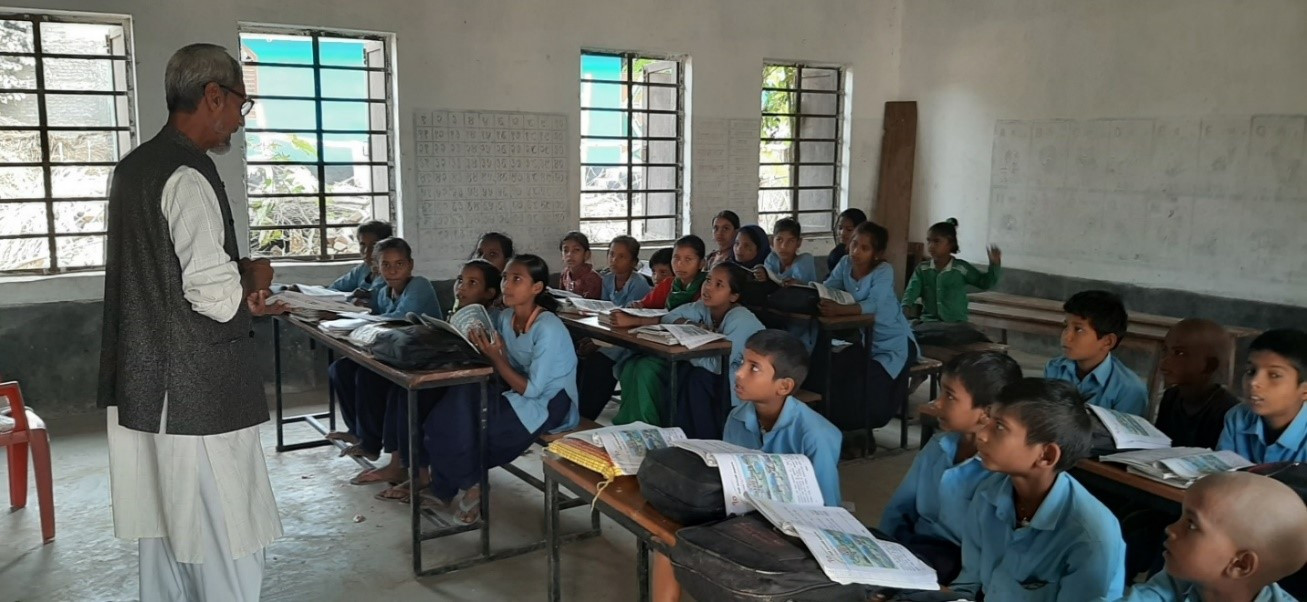
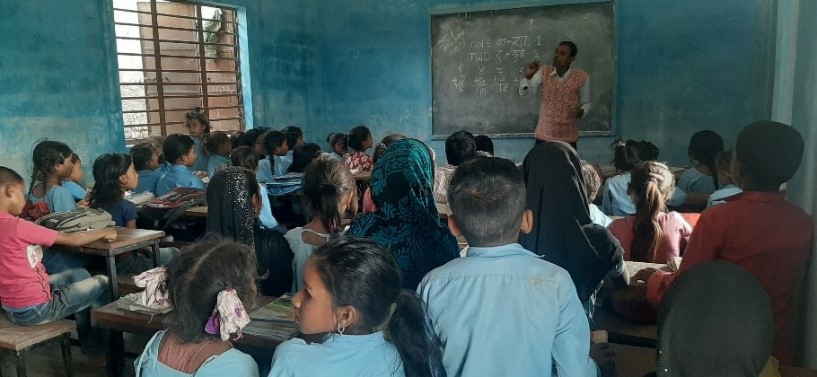
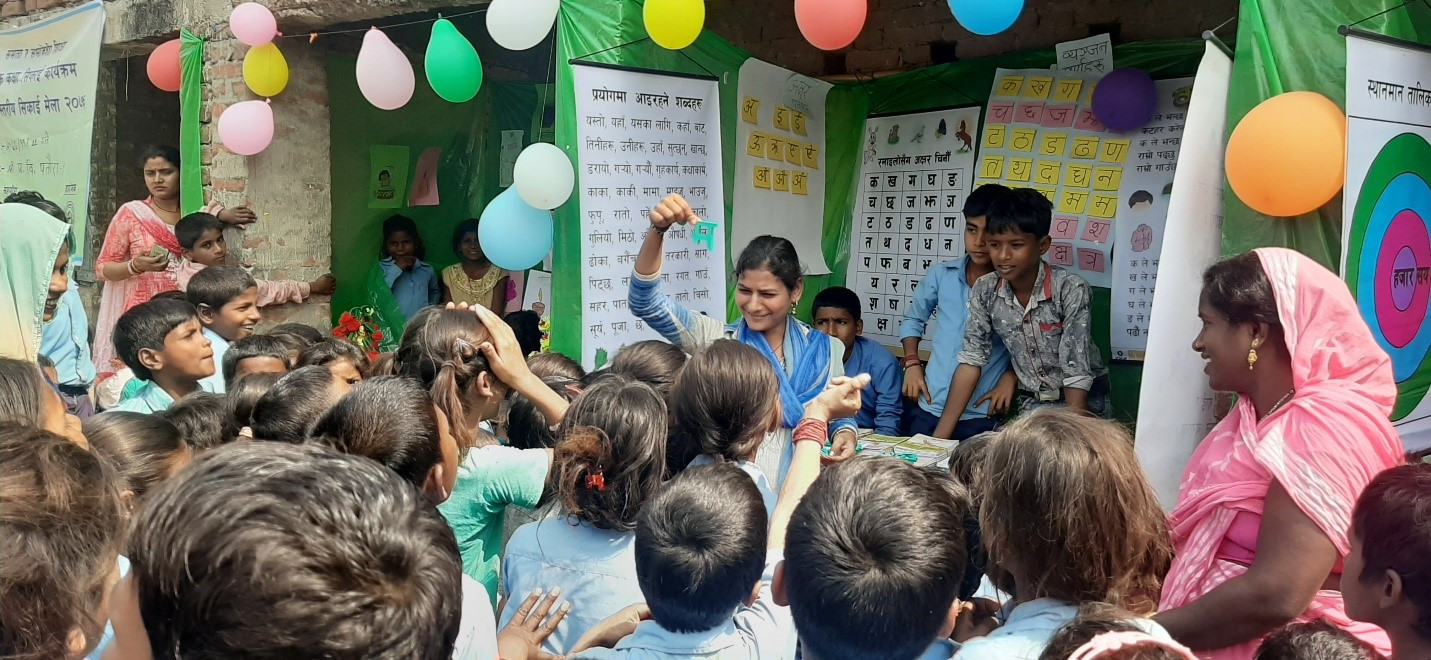
Language barriers often prevent children from fully participating in early education. RDC Nepal addressed this challenge by promoting Bajika as a mother tongue-based medium of instruction across 65 schools in Rautahat. Teachers received specialized training on multilingual education, while local educators developed culturally relevant teaching materials that reflected children's everyday experiences. This approach made classrooms more inclusive and significantly improved children's confidence, participation, and understanding during the early years of schooling.
Key Achievements
- Introduced mother tongue-based instruction (Bajika) in all 65 project schools.
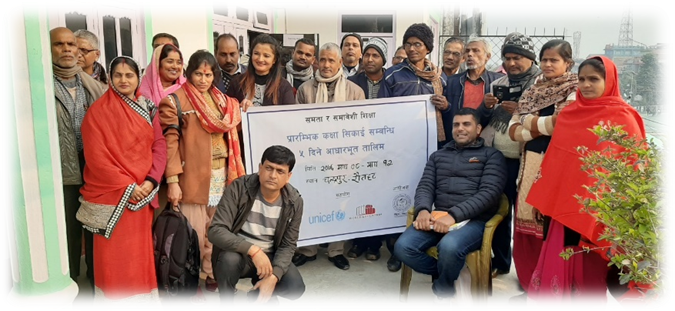
- Trained 132 teachers on multilingual teaching methodologies.
- Built the capacity of 12 local educators to develop children's books using BLOOM software.
- Produced 70+ locally relevant Bajika reading materials.
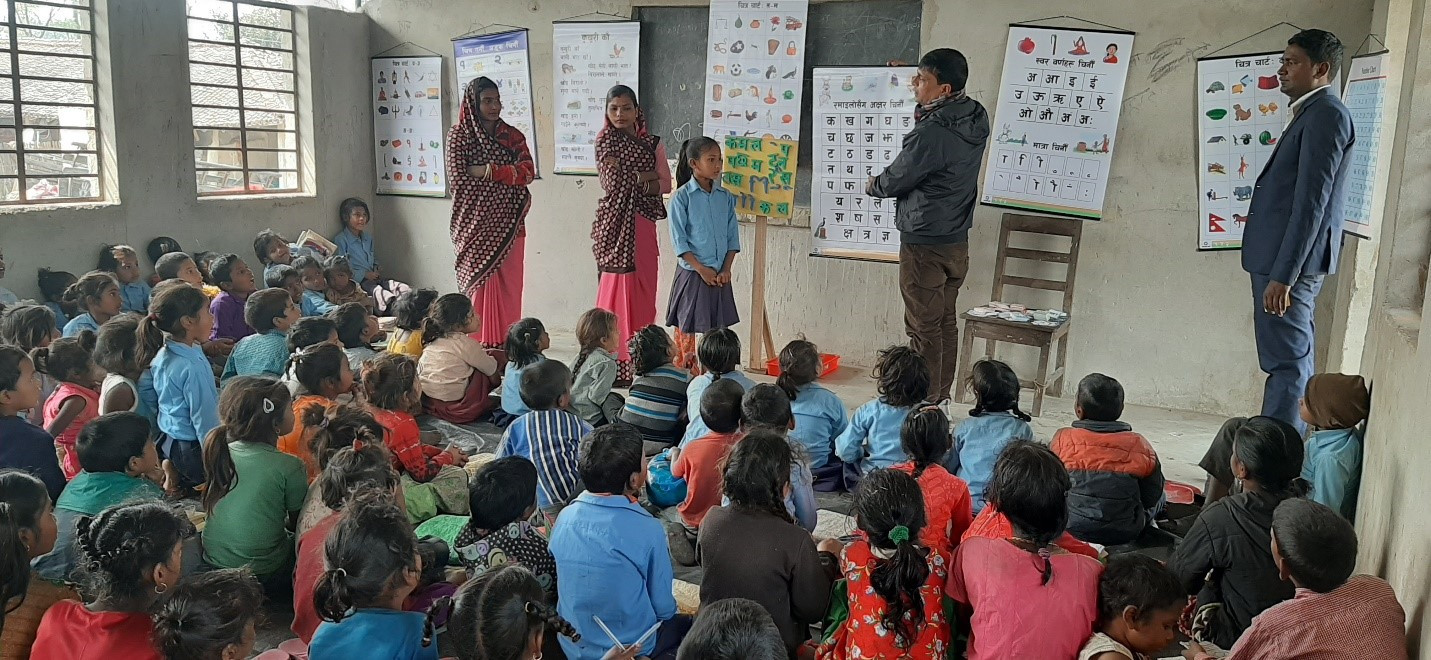
- Promoted interactive teaching using picture cards, reading cards, games, storybooks, and locally available resources.
- Increased awareness among teachers, parents, and local stakeholders regarding the importance of mother tongue education.
Impact on the Education Sector
The adoption of mother tongue-based instruction improved children's literacy, classroom participation, and confidence, especially among students from marginalized communities. Teachers reported better student engagement and understanding when concepts were explained in their first language before transitioning to Nepali. The locally developed learning materials enriched classroom instruction and created culturally responsive learning environments. RDC Nepal's efforts demonstrated that multilingual education can significantly improve learning outcomes while promoting inclusion, equity, and respect for local languages and cultures in Nepal's public education system.