Rebuilding Learning, Restoring Hope: Supporting 3,500 Families and 12 Community Schools in Sarlahi for Pandemic Recovery
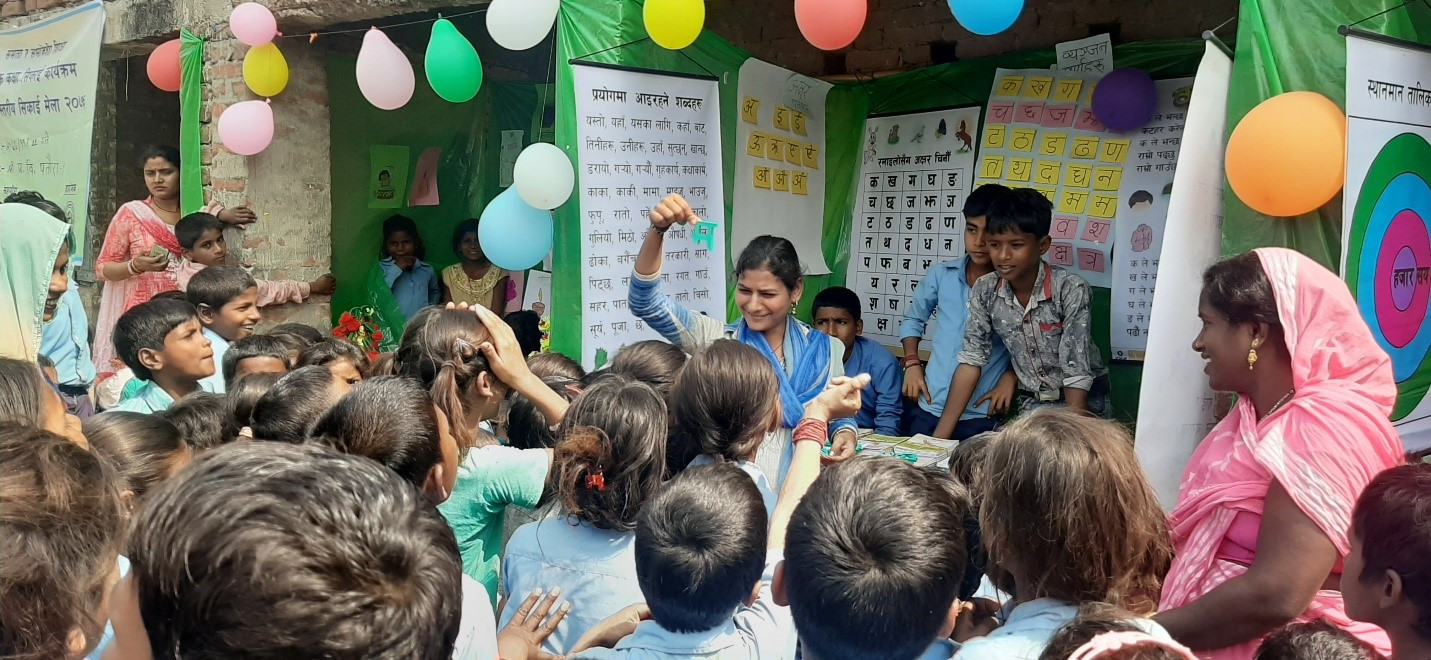
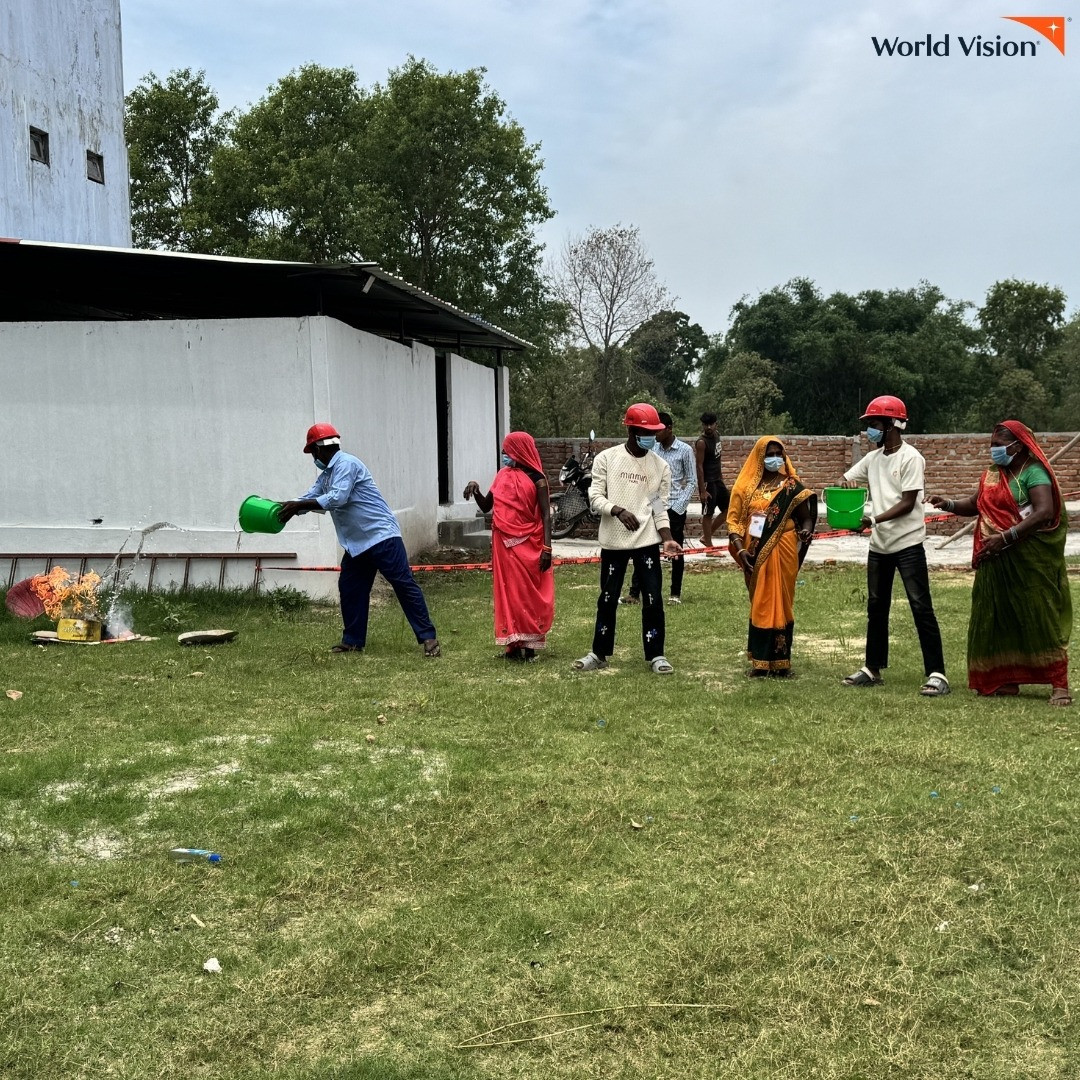
The COVID-19 pandemic disrupted education across Nepal, with children from marginalized and economically vulnerable communities facing the greatest challenges. School closures, loss of household income, and limited access to learning resources increased the risk of school dropout, poor attendance, and learning loss. Recognizing these challenges, RDC Nepal implemented the "Support to Community Schools in Remote Areas for Pandemic Prevention and Green Recovery" project in Sarlahi District with the goal of restoring safe learning environments, strengthening collaboration among stakeholders, and supporting vulnerable families to ensure children could continue their education.
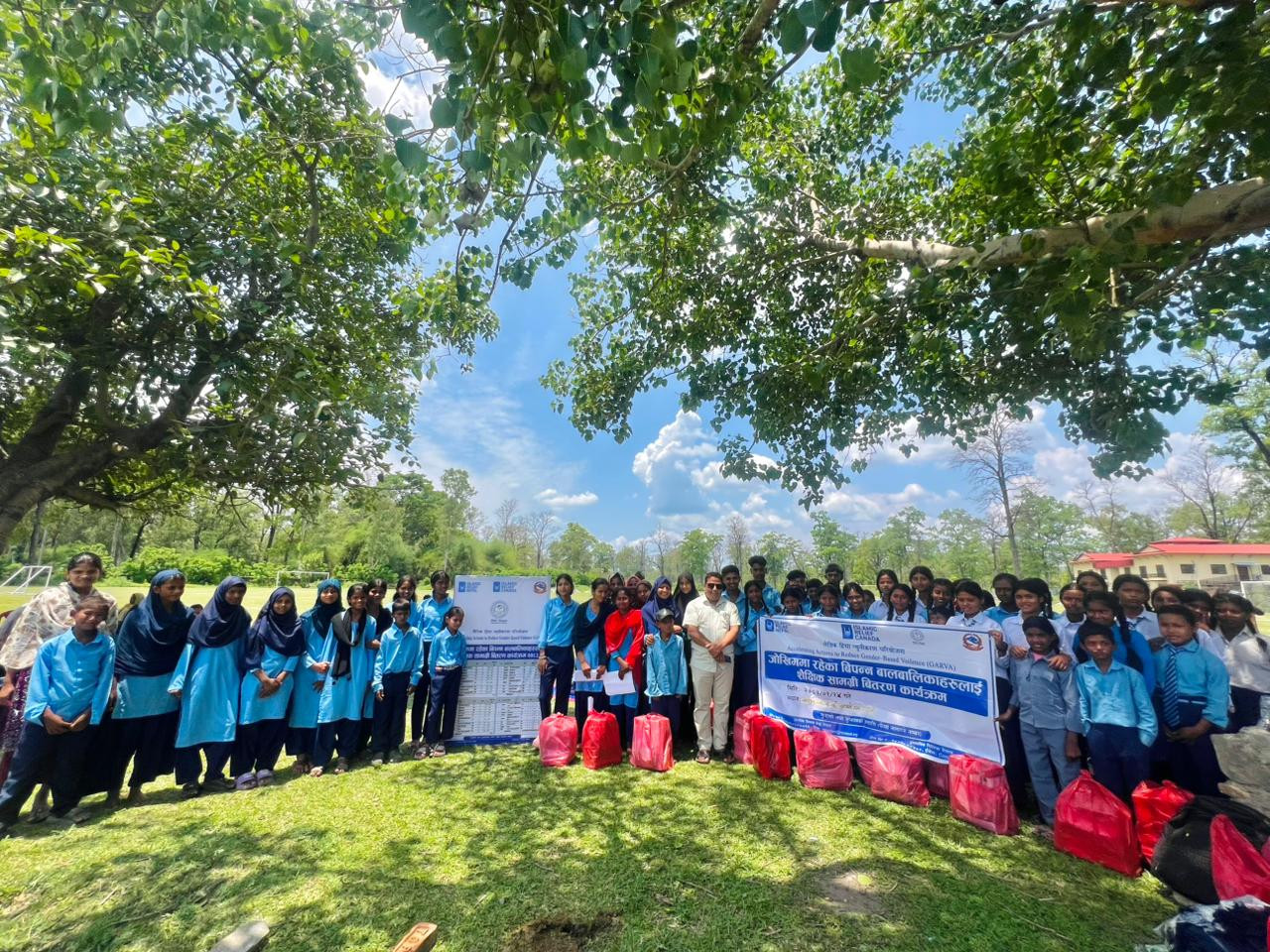
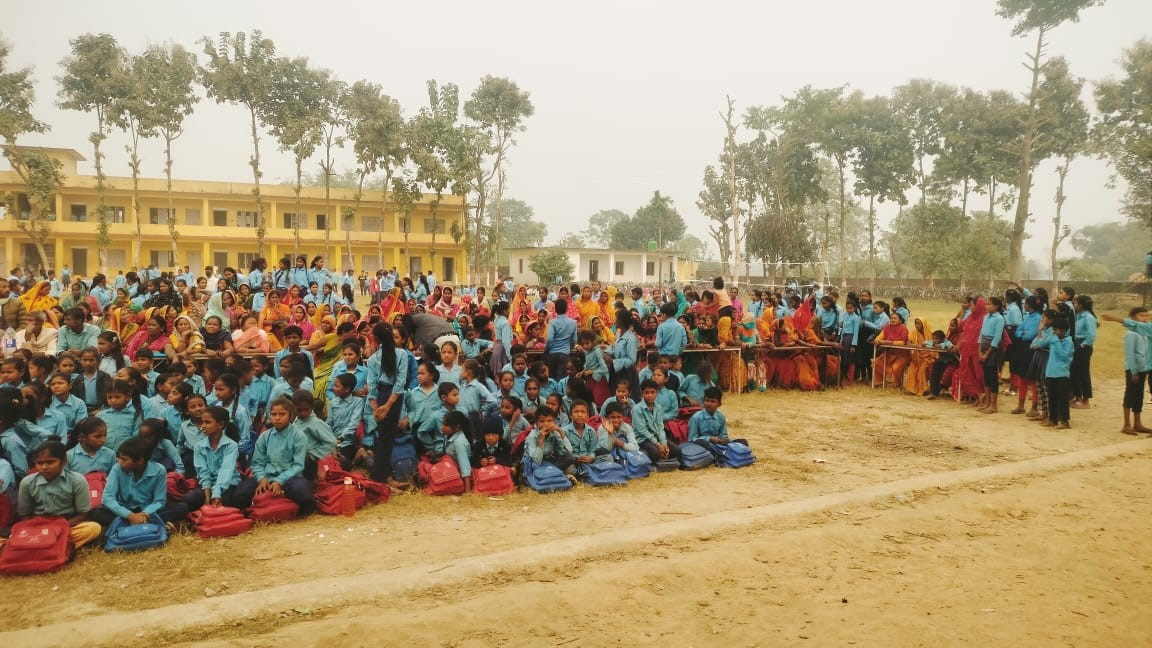
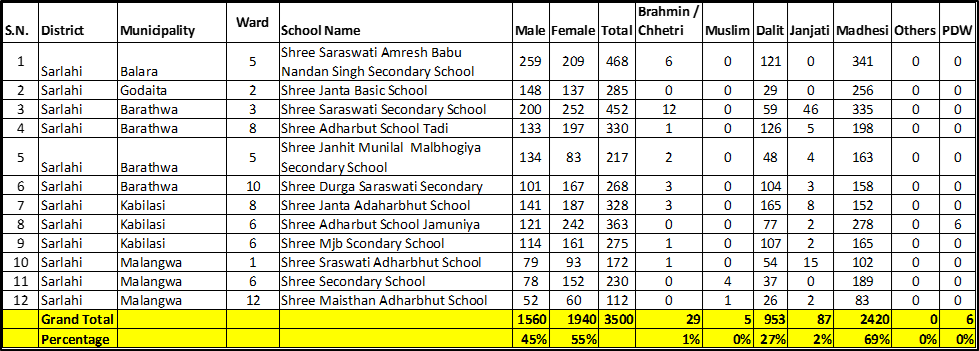
The project was implemented in 12 community schools across Barahathwa, Kabilashi, Malangwa, Godaita, and Balara Municipalities, directly benefiting 3,500 families. The intervention prioritized children and families from Dalit, Madhesi, Muslim, Janajati, and other marginalized communities, ensuring that Gender Equality and Social Inclusion (GESI) principles remained central throughout implementation. Among the beneficiaries, 1,940 were women and girls, while 1,560 were men and boys, reflecting an inclusive and equitable approach.
From planning to implementation, the project adopted a collaborative model involving local governments, ward offices, schools, School Management Committees, and community representatives. Staff orientations, stakeholder consultations, logistics planning, and transparent distribution mechanisms ensured that support reached the intended beneficiaries efficiently while strengthening trust among local institutions.
Key Achievements
-
Supported 12 community schools across five municipalities in Sarlahi District.
-
Reached 3,500 vulnerable families affected by the COVID-19 pandemic.
-
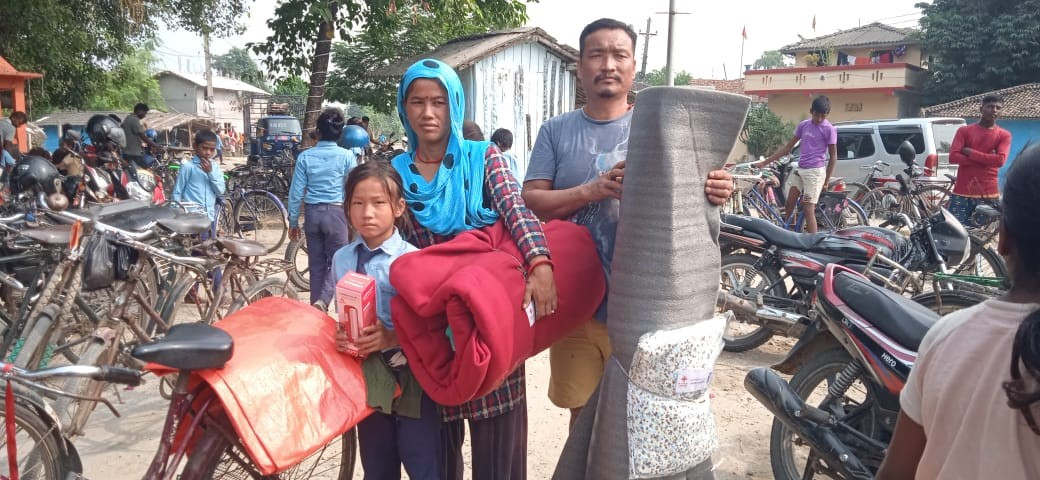
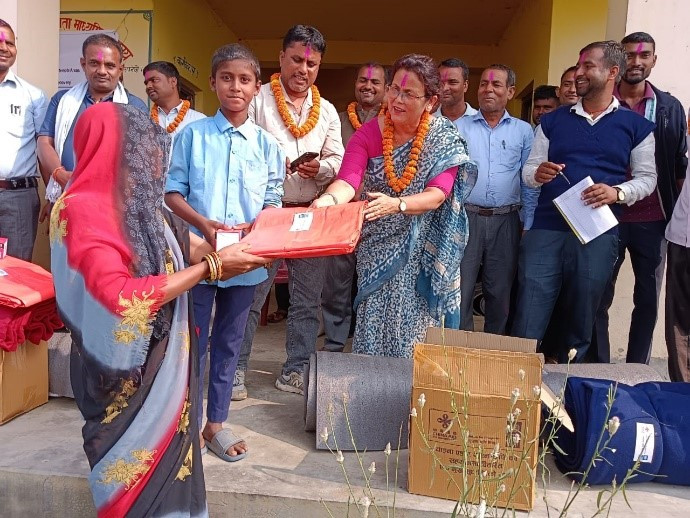
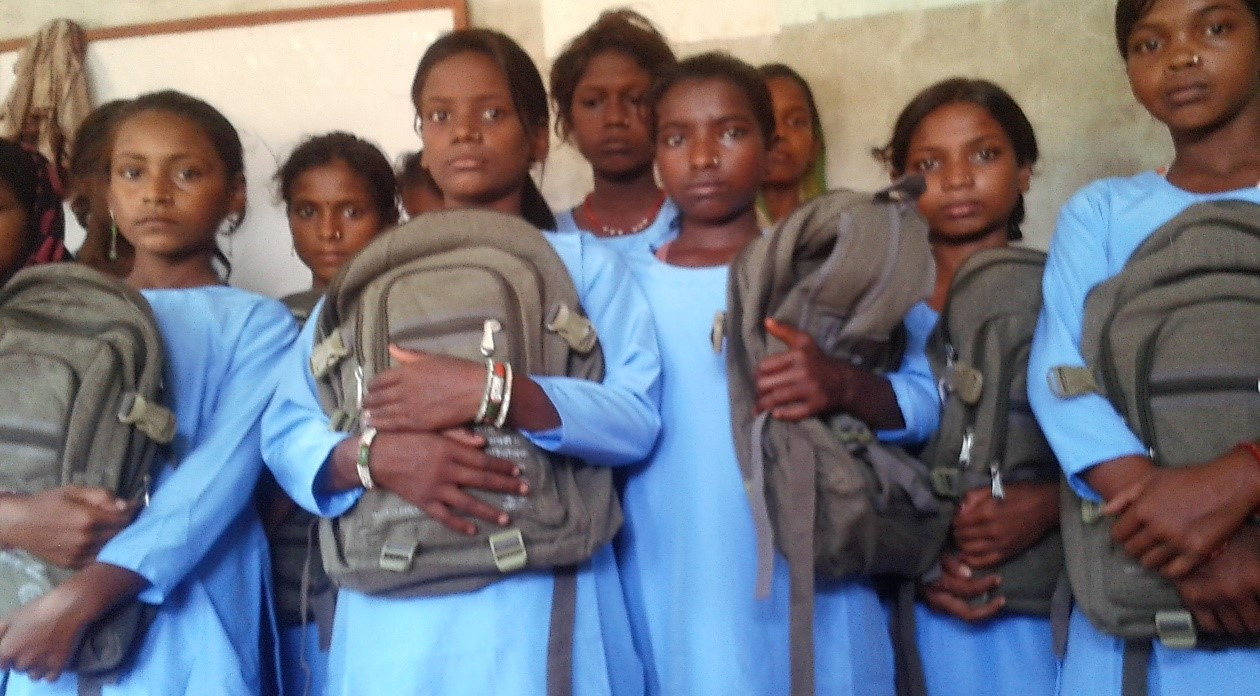
Successfully distributed essential relief and educational support materials to schoolchildren and their families.
-
Prioritized marginalized groups, including Dalit, Madhesi, Muslim, Janajati, and other disadvantaged communities.
-
Ensured Gender Equality and Social Inclusion (GESI) throughout project planning and implementation.
-
Uploaded 2,005 beneficiary records (58.11%) into the digital beneficiary management system, while documenting the remaining 1,495 beneficiaries through verified manual records for accountability.
-
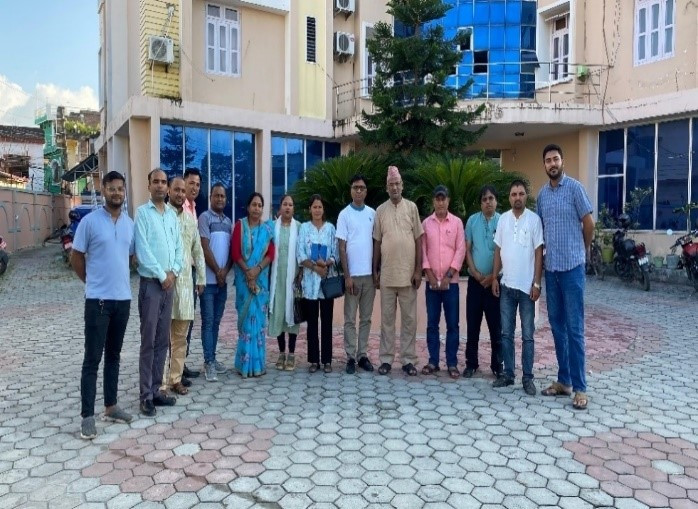
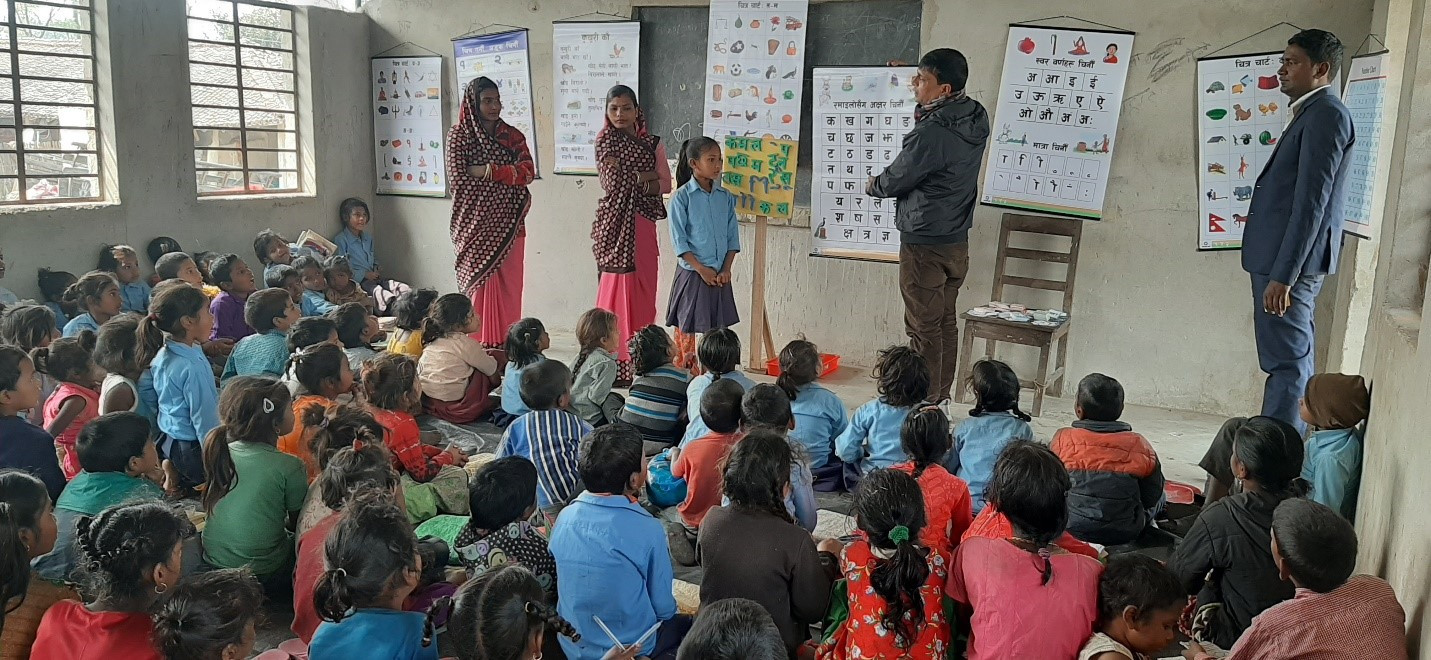
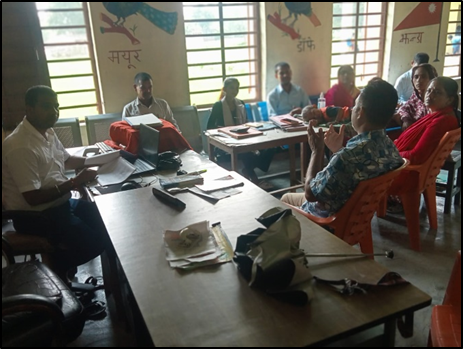
Conducted multiple coordination meetings (3–4 in each school) involving local governments, schools, and School Management Committees to ensure transparency and community ownership.
-
Strengthened partnerships among municipalities, schools, and communities for sustainable education recovery.
Strengthening Local Coordination
A major strength of the project was the strong collaboration established between local governments and schools. Regular coordination meetings created a common platform for discussing implementation progress, identifying local priorities, resolving challenges, and ensuring transparent distribution of support materials.
The meetings focused on:
-
Aligning project activities with municipal education priorities.
-
Planning transparent and efficient distribution processes.
-
Integrating Gender Equality and Social Inclusion (GESI) principles.
-
Strengthening community participation and local ownership.
-
Sharing project progress and expected outcomes with stakeholders.
This participatory approach increased confidence among community members while improving coordination between education stakeholders and local government authorities.
Key Outcomes
The project produced several positive outcomes that extended beyond the immediate distribution of relief materials.
-
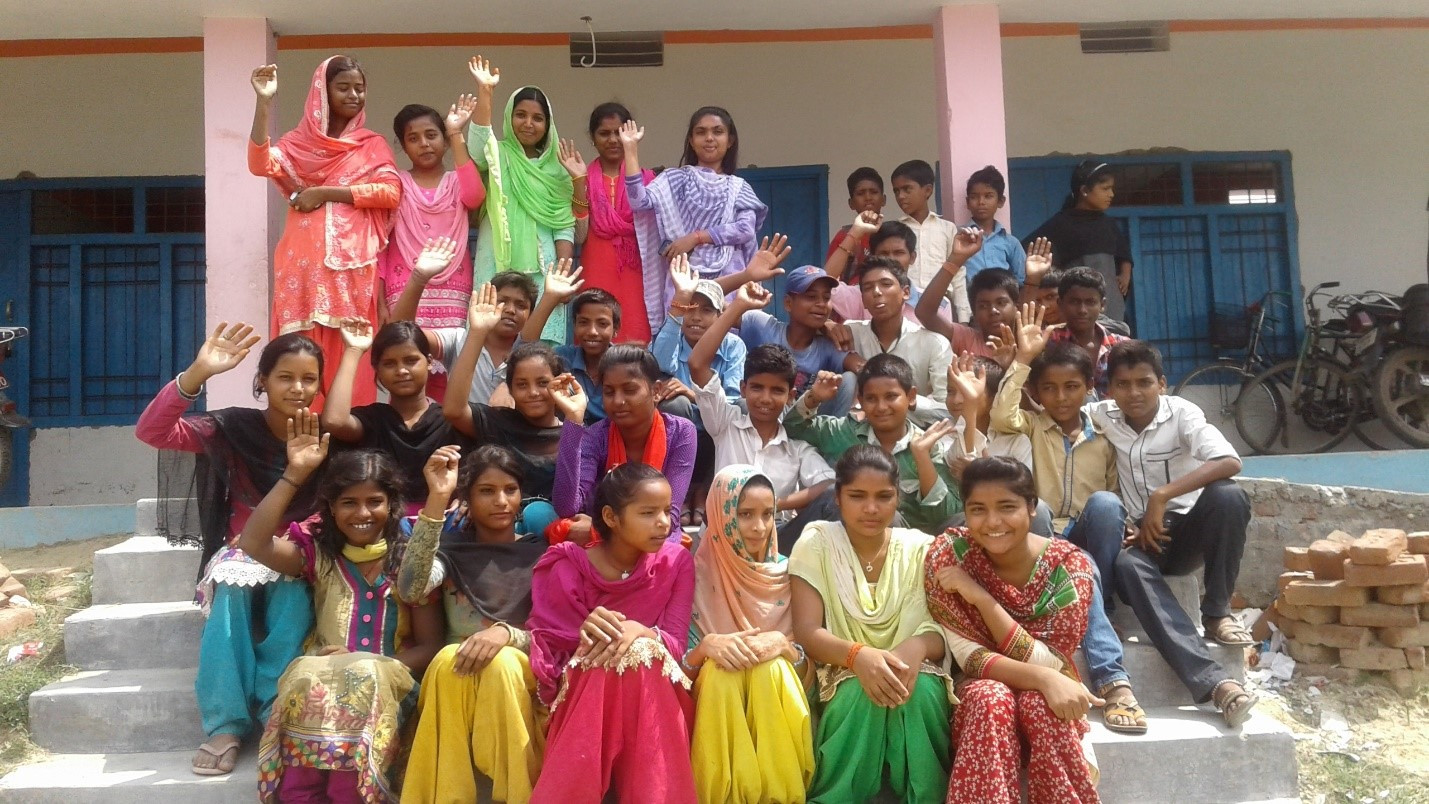
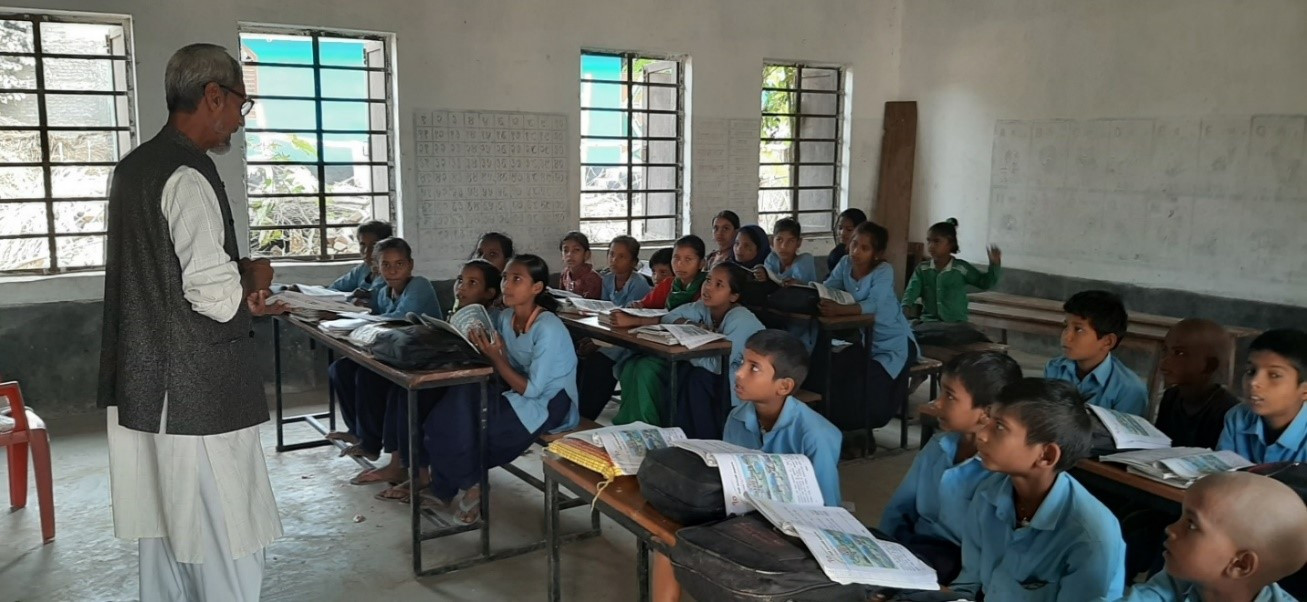
Schoolchildren demonstrated renewed enthusiasm for returning to school after receiving support.
-
Improved attendance indicated that vulnerable families were better able to send their children back to classrooms.
-
Stronger collaboration between schools and municipalities enhanced local education governance.
-
Local government officials actively participated in planning and monitoring activities, increasing transparency and accountability.
-
Schools gained stronger community support for future education initiatives.
-
Digital beneficiary documentation improved data management and reporting for future interventions.
Impact on Communities
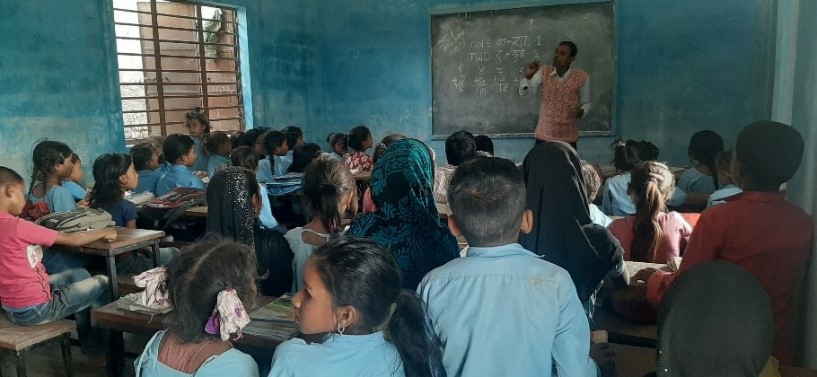
The project contributed to rebuilding confidence in community schools following the pandemic. By reducing immediate hardships faced by vulnerable families, children were better positioned to resume their education in a safer and healthier environment.
The intervention also reinforced the importance of partnerships. Collaboration among municipalities, schools, School Management Committees, teachers, and community members demonstrated that collective action can significantly improve education outcomes during times of crisis.
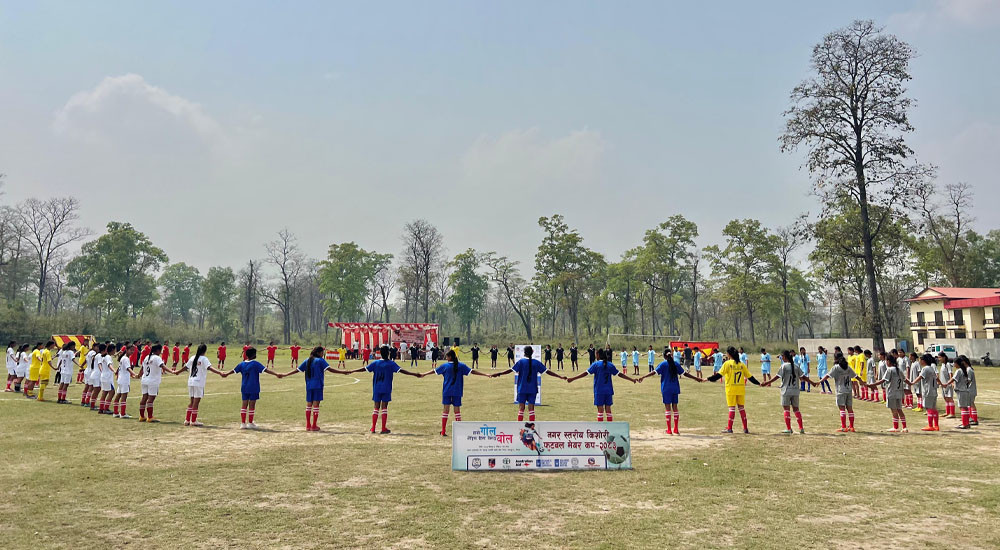
Furthermore, the project's emphasis on inclusion ensured that support reached those most at risk of being left behind. By prioritizing marginalized communities and promoting equitable participation, the initiative strengthened social cohesion while advancing inclusive education.
Looking Ahead
Although the project successfully addressed immediate pandemic recovery needs, it also laid the foundation for longer-term improvements in community education systems. Strengthened relationships between schools and local governments, improved beneficiary data management, and enhanced community participation provide valuable lessons for future education and disaster-response initiatives.
RDC Nepal remains committed to working alongside local governments, schools, development partners, and communities to ensure every child has access to safe, inclusive, and quality education. The experience in Sarlahi demonstrates that even during times of crisis, coordinated partnerships and community-driven approaches can restore learning, protect vulnerable children, and build more resilient education systems for the future.
|
Major Challenges |
Applied mitigation measures |
|
Managing and distributing relief materials within a short timeframe. |
Developed a detailed action plan with clear timelines and responsibilities, ensuring efficient coordination and execution. |
|
Limited availability of municipal and administrative officers during critical activities. |
Conducted pre-scheduled meetings and sought approvals in advance to avoid delays. |
|
Ensuring peaceful and conflict-free distribution for a large number of beneficiaries. |
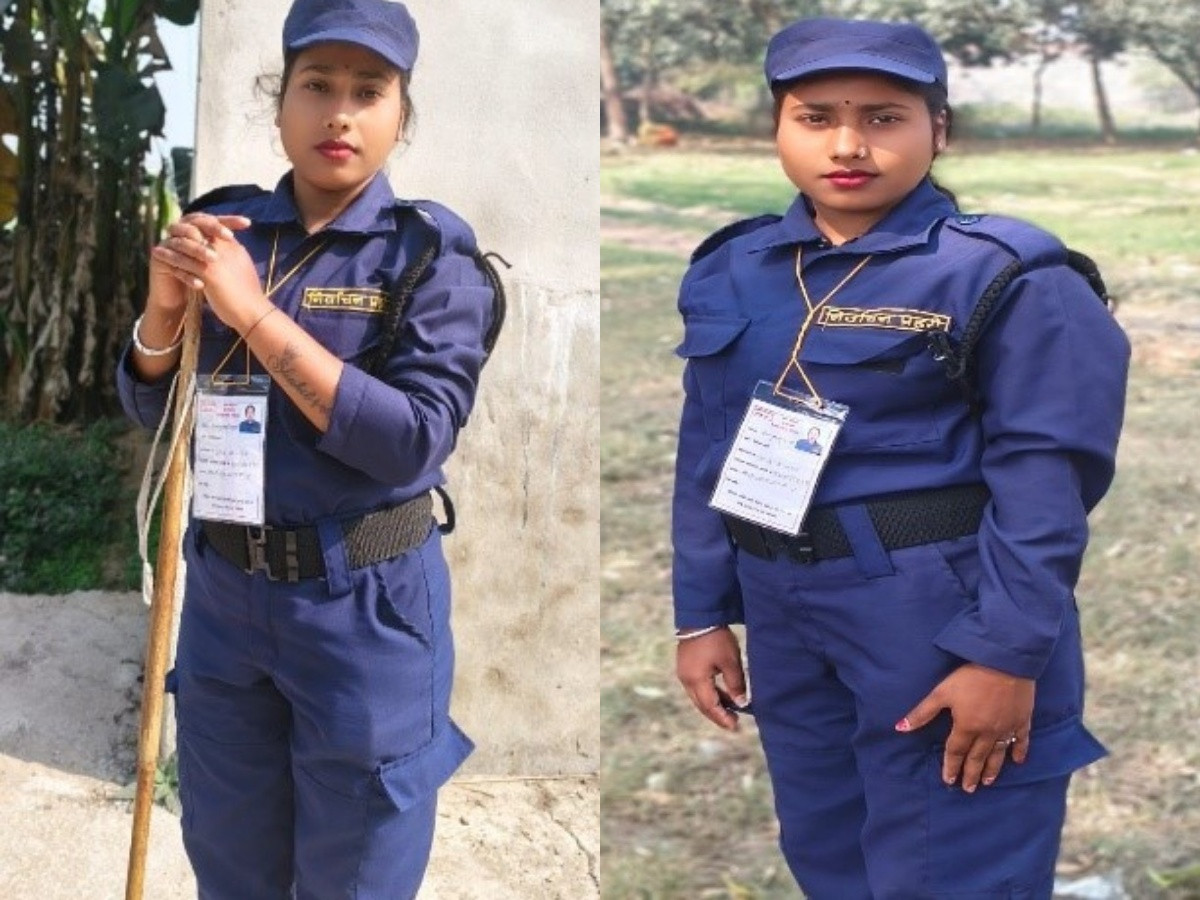
Established clear communication with beneficiaries, arranged security personnel, and organized orderly queues and seating. |
|
Collecting accurate beneficiary data within a limited period. |
Collaborated with schools and local stakeholders to verify and finalize data promptly. |
Together, we are not only helping children return to school—we are helping communities recover, rebuild, and create a stronger foundation for the next generation.
Media outreach: Click Here Lokantarkhabar