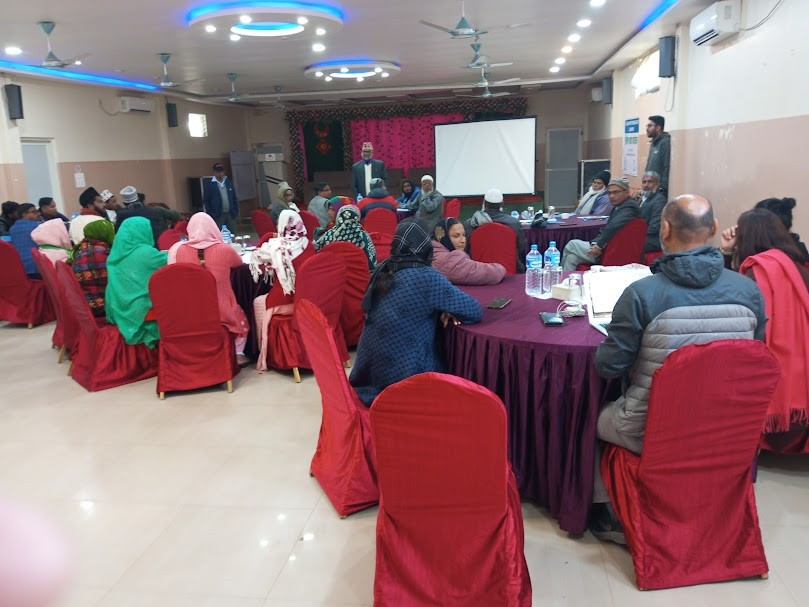
Project Objective: To facilitate dialogue and collaboration among diverse stakeholders to identify and address Muslim issues through problem-solving and experience sharing- to support Collaborative Governance Pilot (Sahakarya)
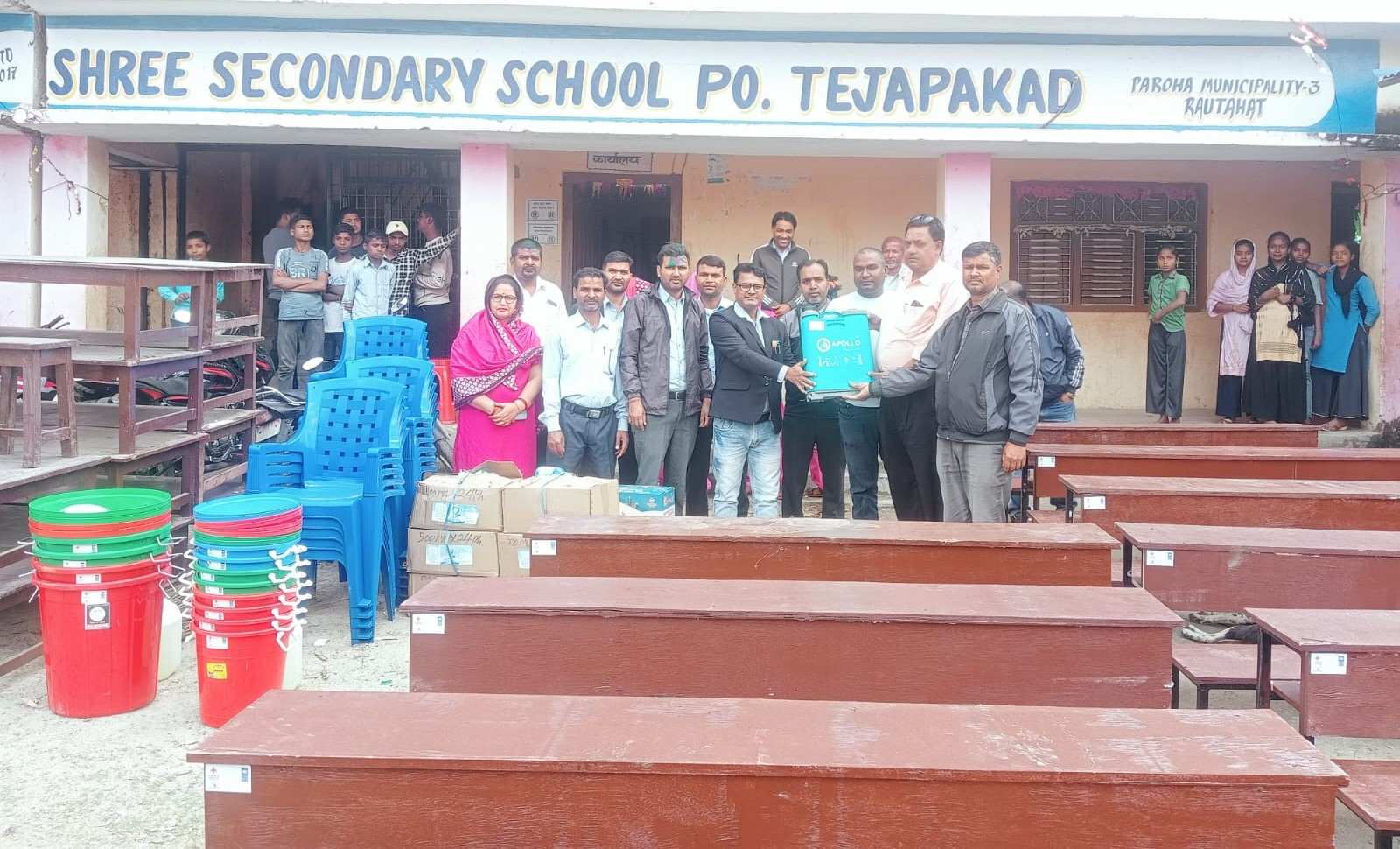
The project, "Support to Community Schools in Remote Areas for Pandemic Prevention and Green Recovery," aimed to address the significant disruptions caused by the COVID-19 pandemic in Sarlahi District, particularly for marginalized and disadvantaged groups. With a focus on fostering a safe and healthy learning environment, the project supported 12 community schools across Five municipalities (Barahthwa, Kabilashi, Malangwa, Godaita and Balara Municipalities) benefiting 3500 families. This included Dalit, Madhesi, Muslim, Janjati, and other marginalized communities, ensuring gender equality and social inclusion (GESI) considerations were central to implementation. Of the total beneficiaries, 1940 were women and 1,560 were men, reflecting a balanced and inclusive approach.
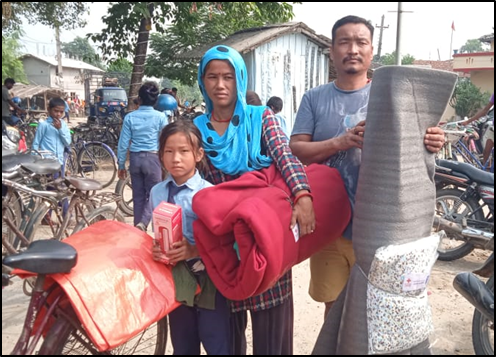
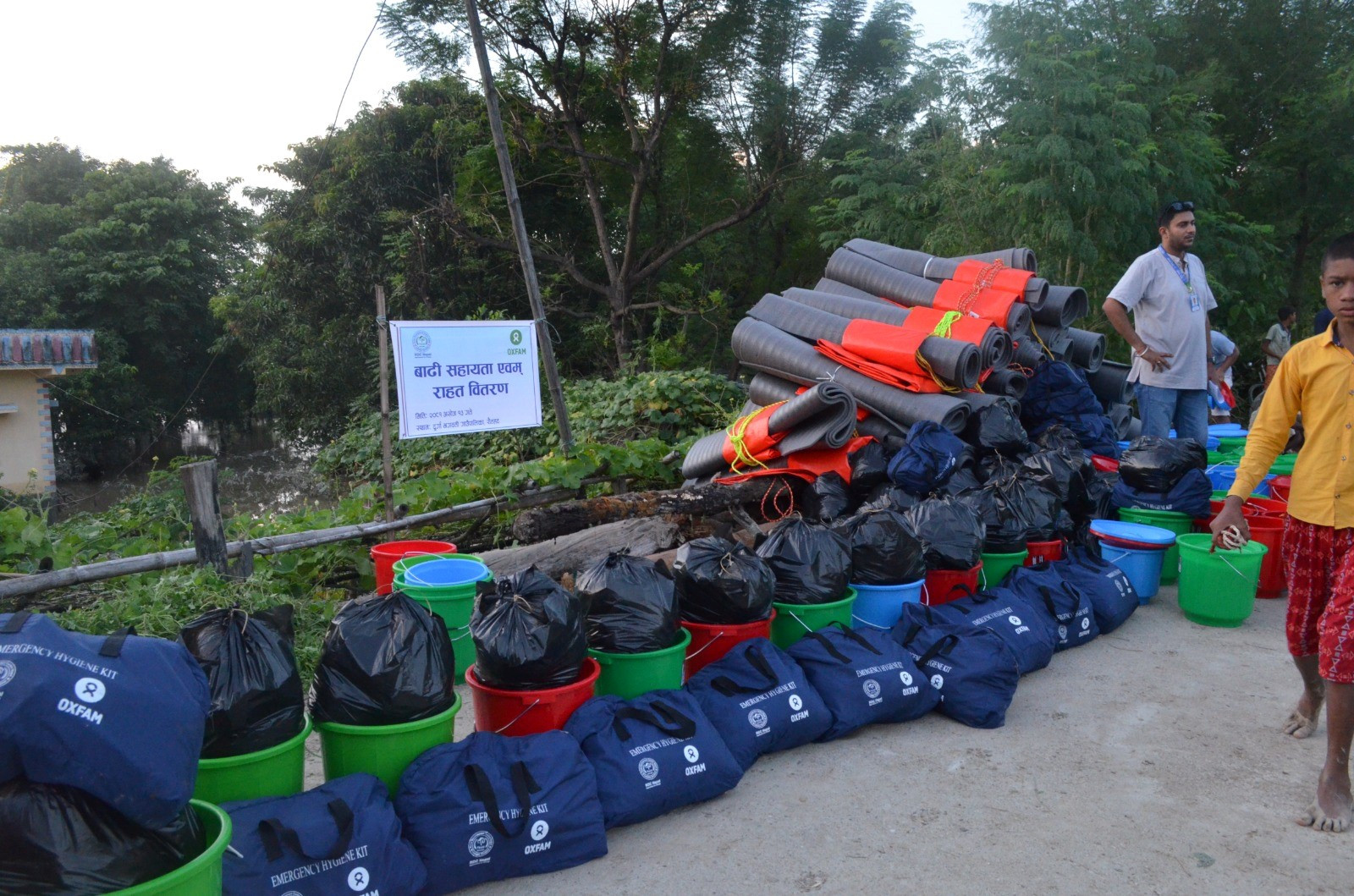
Key activities included staff orientations, coordination meetings, material storage, and the distribution of essential support materials. Through a structured implementation plan involving local government, ward offices, schools, and other stakeholders, the project strengthened collaboration at all levels. Beneficiary families received relief items essential for improving school attendance, hygiene, and overall well-being. The project successfully reinvigorated school attendance, with children enthusiastically returning to classrooms.
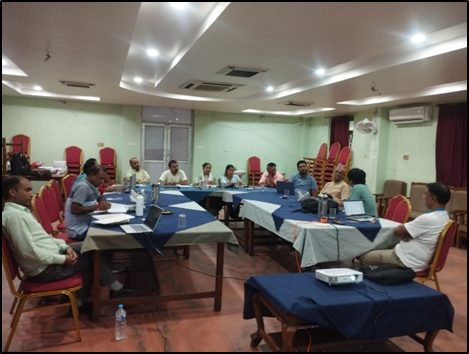
Major achievements include strengthened coordination between local governments and the school institutions, increased school enrollment, and positive feedback from stakeholders, including government officials. Despite challenges such as tight timelines and large-scale distributions, the project demonstrated that robust planning and inclusive collaboration significantly enhance outcomes. The initiative sets a precedent for future efforts aimed at educational recovery and green development in underserved communities.
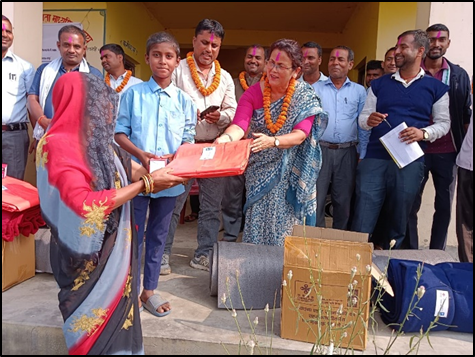
Achievements:
A. Active participation and feedback from local government officials enhanced the distribution program's effectiveness.
B. Relief materials were successfully distributed to 3500 families in Sarlahi district, to 12 school children’s and their families addressing immediate needs.
C. School children have shown increased enthusiasm in attending school, indicating a positive impact on education.
D. Coordination between the local government and the school has been significantly strengthened, fostering better collaboration.