RDC Nepal, in close coordination with local communities and stakeholders, successfully implemented community-led Nature-Based Solutions (NBS) to address the increasing risks of flooding and soil erosion in vulnerable areas. This initiative aimed to strengthen community resilience against climate-induced disasters by promoting environmentally friendly, cost-effective, and locally appropriate protection measures. By combining traditional knowledge with nature-based engineering techniques, the project contributed to safeguarding lives, livelihoods, and critical community assets, particularly during the monsoon season.
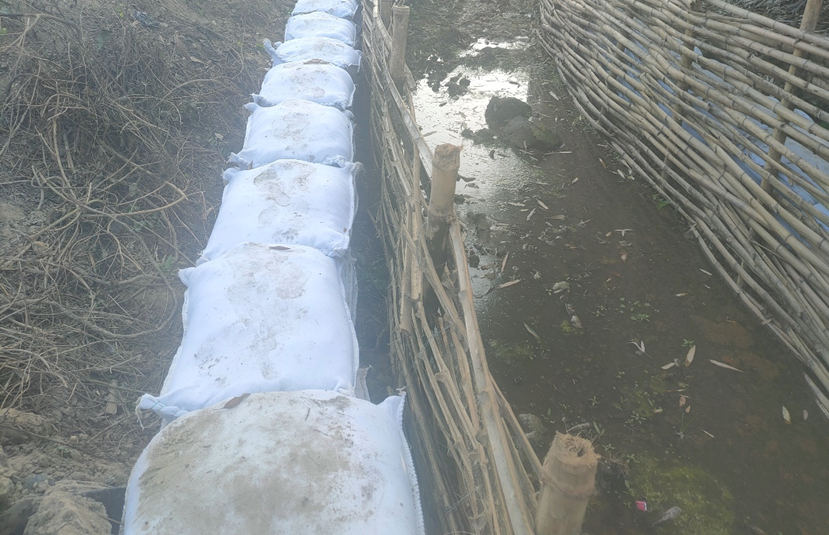
A key intervention under this initiative was the construction and extension of bio-embankments using a combination of geo-bags, bamboo structures, and natural vegetation. These materials were carefully selected for their availability, affordability, and environmental compatibility. Geo-bags filled with sand provided immediate structural support against strong water currents, while bamboo frameworks enhanced stability and flexibility. The integration of vegetation, including grasses and locally suitable plant species, helped bind the soil, reduce runoff velocity, and promote long-term slope stabilization. Together, these elements formed a resilient bio-embankment system capable of absorbing flood impacts while working in harmony with natural river dynamics.
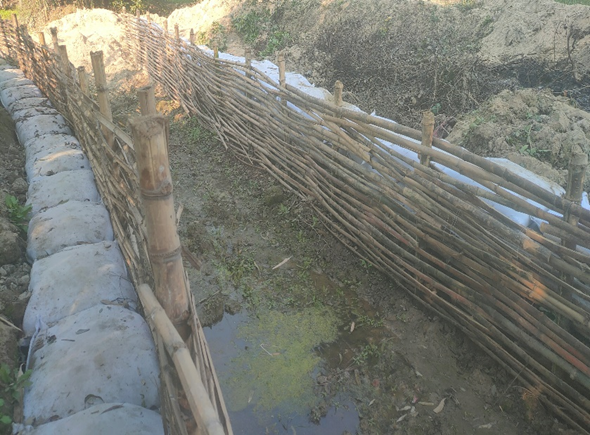
In Gujara Municipality Ward No. 2, a total of 108 meters of NBS structures were successfully completed along both sides of a rivulet. This stretch had previously been highly prone to erosion, threatening nearby settlements, agricultural land, and local infrastructure. The completed bio-embankments now act as a protective buffer, reducing riverbank cutting and minimizing the spread of floodwaters into residential areas. Encouraged by the positive progress in Gujara-2, similar NBS works were initiated in Gujara Municipality Ward No. 5, extending the benefits of the intervention to additional high-risk communities.
A defining feature of the initiative was its strong community-led approach. Local residents actively participated in planning, construction, and monitoring activities, ensuring that interventions were aligned with local needs and priorities. Community members contributed labor, local materials, and traditional knowledge, fostering a sense of ownership and responsibility for maintaining the structures. This participatory process also strengthened community awareness of flood risks, climate change impacts, and the importance of ecosystem-based adaptation measures.
Early feedback from communities indicates reduced erosion and improved safety, particularly during periods of heavy rainfall. Households living near the rivulet reported greater confidence that their homes and land are now better protected from flood damage. The vegetative components of the bio-embankments are expected to further strengthen over time as plant roots mature, increasing the durability and effectiveness of the structures in future monsoon seasons.
Beyond immediate risk reduction, the NBS initiative also delivered environmental co-benefits. The use of natural materials and vegetation supports biodiversity, improves soil health, and enhances the aesthetic value of the landscape. Compared to conventional concrete embankments, these nature-based solutions are more adaptive, allowing water to flow naturally while reducing destructive forces. They also require lower maintenance costs and have a smaller environmental footprint, making them suitable for resource-constrained rural and semi-urban settings.
Overall, the community-led NBS intervention implemented by RDC Nepal demonstrates a practical and sustainable approach to flood and erosion risk reduction. By blending engineering principles with ecological restoration and community participation, the initiative has strengthened local resilience, protected vulnerable settlements, and promoted long-term environmental sustainability. This model offers valuable lessons for scaling up nature-based disaster risk reduction measures in other flood-prone areas.