RDC Nepal implemented a targeted intervention to support 24 landless and marginalized farmers by promoting riverbed farming as a sustainable livelihood option. This initiative was designed to address the challenges faced by vulnerable households with limited or no access to cultivable land, while also enhancing food security and income-generation opportunities. By utilizing seasonal riverbeds and nearby riverbank areas, the project enabled disadvantaged farmers to engage in productive agriculture using locally appropriate and climate-adaptive approaches.
Under this initiative, RDC Nepal provided early-maturing vegetable seeds along with essential agricultural inputs to participating households. The selection of early-maturing varieties was strategic, allowing farmers to harvest crops within a short time frame and generate quick returns. These vegetables not only contributed to household nutrition but also created opportunities for market sales, helping families meet basic needs and reduce economic vulnerability. Alongside seeds, farmers received necessary tools and inputs to support land preparation, planting, and crop management activities.
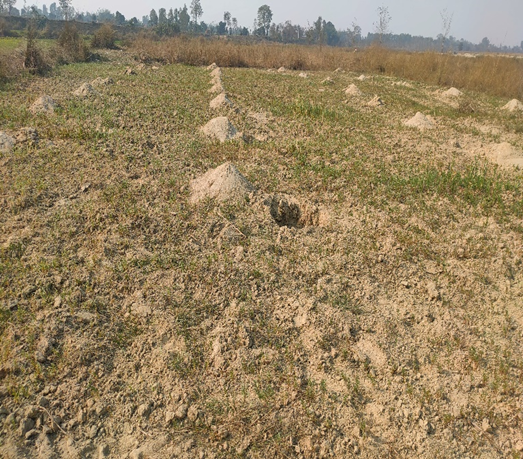
To ensure effective cultivation, riverbank sites were carefully prepared for farming activities. Farmers were guided in land leveling, bed preparation, and soil management practices suitable for sandy and fertile riverbed soils. These preparatory measures helped optimize crop growth while minimizing risks associated with erosion and fluctuating water levels. The initiative emphasized practical, hands-on support so that farmers could confidently manage crops under riverbed farming conditions.
Recognizing that water access is a critical factor for successful riverbed farming, the project incorporated plans for sustainable irrigation systems, including drip irrigation and motor pumps. Drip irrigation was prioritized as a water-efficient method that delivers moisture directly to plant roots, reduces wastage, and improves crop health. Motor pumps were planned to lift water from nearby river sources, ensuring reliable irrigation during dry periods. These systems aimed to reduce farmers’ labor burden, increase cropping efficiency, and promote long-term sustainability of farming activities.
In addition to input support, farmers received basic orientation and technical guidance on crop management, pest control, and harvesting practices. This support helped farmers make informed decisions and respond effectively to common agricultural challenges. The initiative also encouraged collective learning and experience sharing among participants, strengthening social cohesion and mutual support within the community.
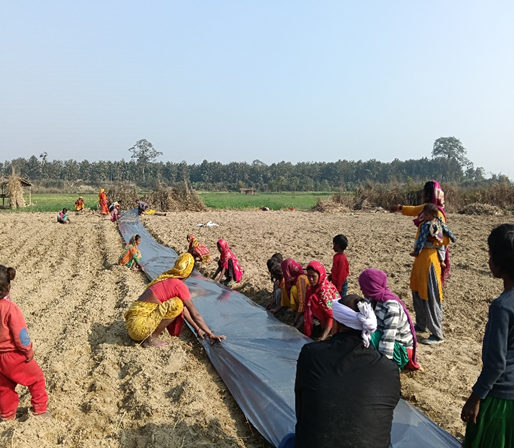
Overall, the riverbed farming initiative supported by RDC Nepal provided 24 landless and marginalized farmers with practical resources, skills, and opportunities to improve their livelihoods. By transforming underutilized riverbank areas into productive farmland, the project contributed to enhanced food security, income generation, and resilience among vulnerable households. The initiative reflects RDC Nepal’s commitment to inclusive development, ensuring that even the most marginalized communities can access sustainable agricultural opportunities and build a pathway toward improved socio-economic well-being.