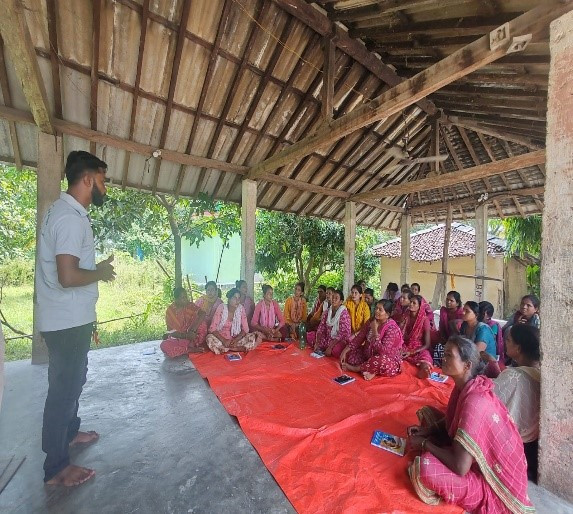
The Women Empowerment Center (WEC) initiative was successfully implemented through the operation of 19 active WEC groups, with 12 groups in Chandrapur Municipality and 7 groups in Gujara Municipality. These groups served as inclusive and participatory platforms where women regularly came together to discuss social, economic, and governance-related issues affecting their lives and communities. Over the project period, a total of 418 dialogue sessions were conducted, reflecting strong participation, continuity, and commitment from the women involved.
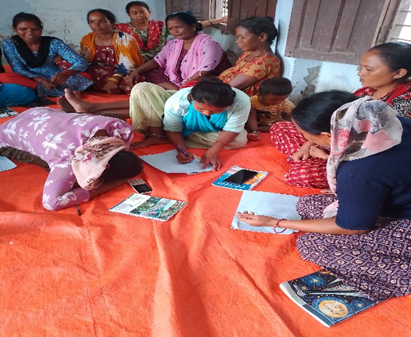
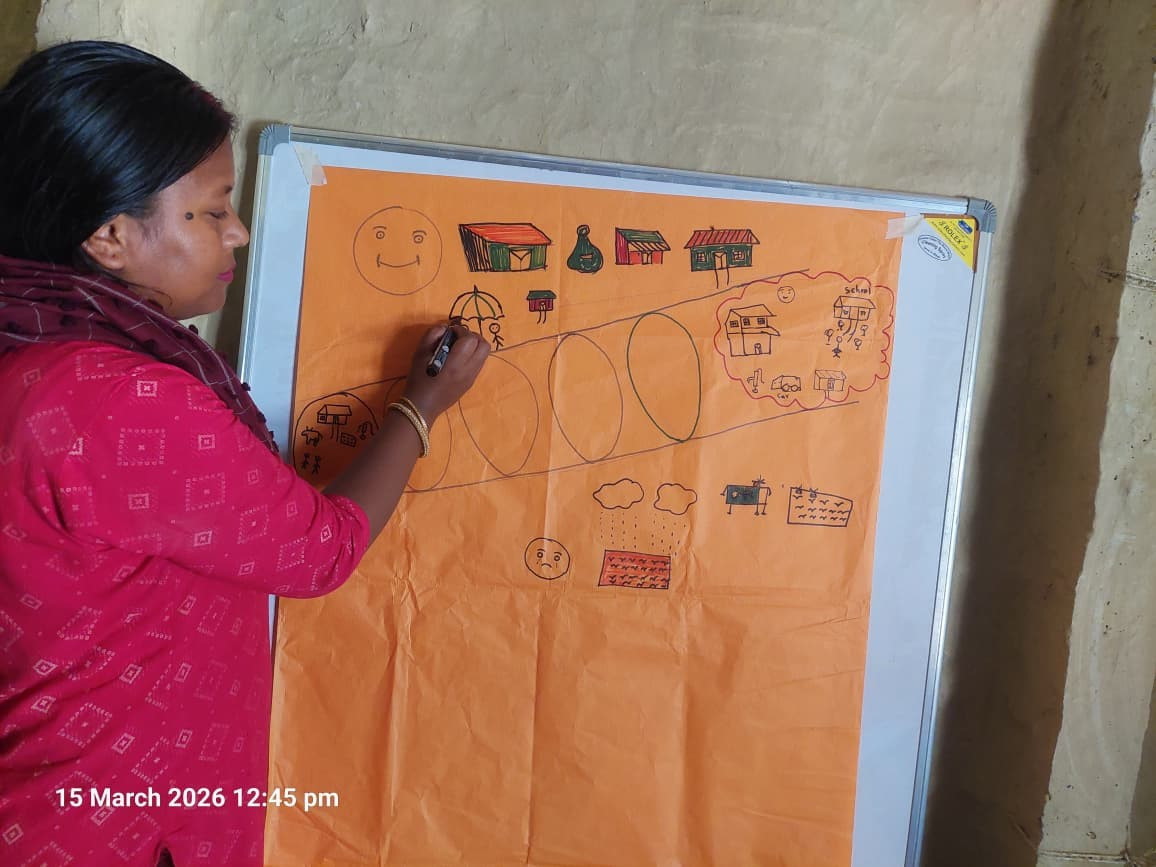
The dialogue sessions were designed to address contextual and locally relevant subject matters, ensuring that discussions were meaningful and directly applicable to the participants’ daily realities. One of the core thematic areas was leadership development, where women were encouraged to understand leadership roles, build self-confidence, and recognize their potential as agents of change within their households and communities. Through group discussions, role plays, and experience sharing, participants gradually developed the ability to express their views clearly and assertively.
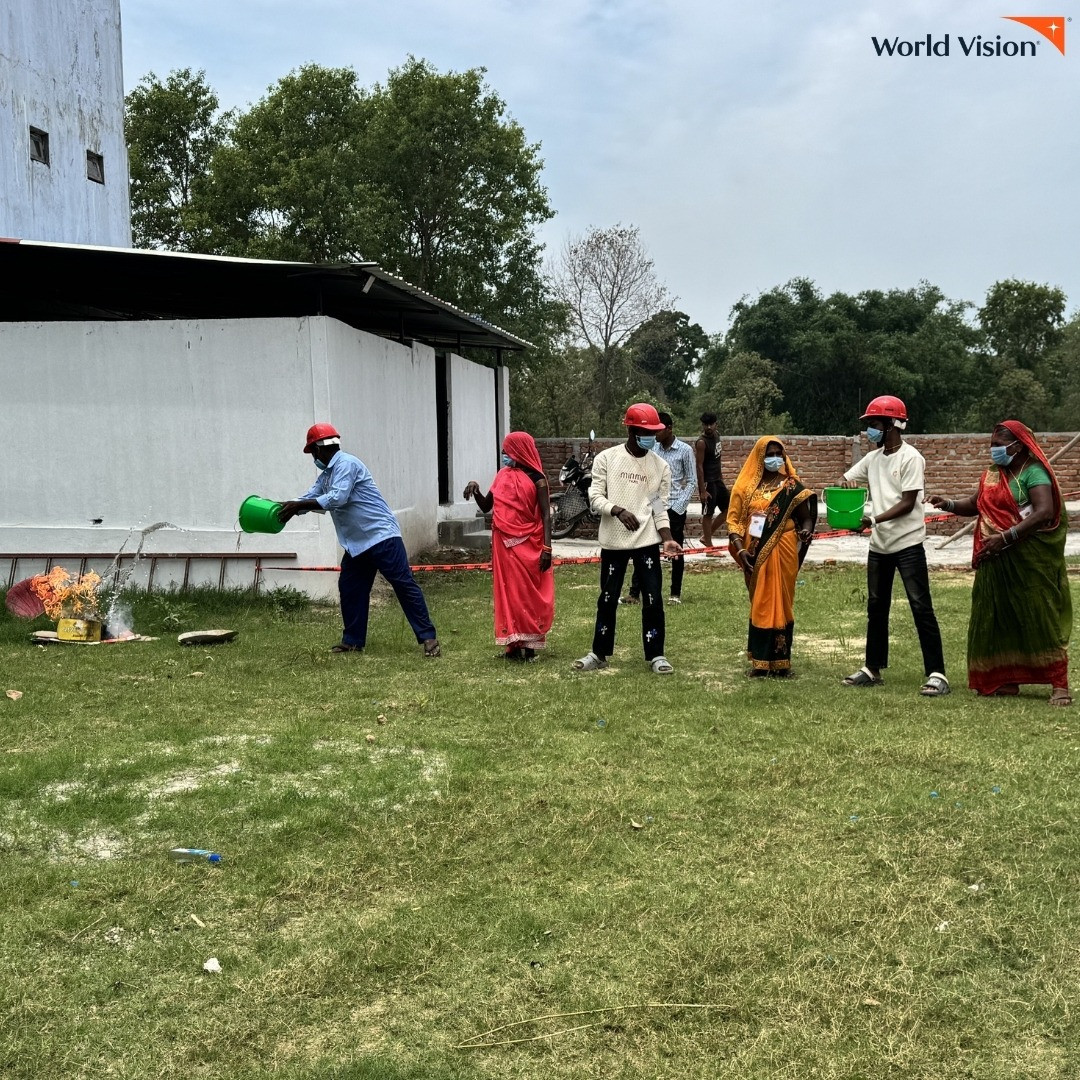
Another important focus area was climate change and disaster management, recognizing the increasing vulnerability of communities to climate-related risks. Sessions covered topics such as climate impacts on livelihoods, disaster preparedness, early warning systems, and community-level response mechanisms. Women gained awareness of their roles in disaster risk reduction and learned practical ways to protect their families and communities during emergencies.
Financial literacy sessions equipped participants with essential knowledge on household budgeting, savings, income planning, and basic financial management. Women were introduced to concepts such as saving habits, responsible borrowing, and the use of formal and informal financial services. These discussions helped strengthen women’s economic decision-making capacity and promoted greater financial independence within households.
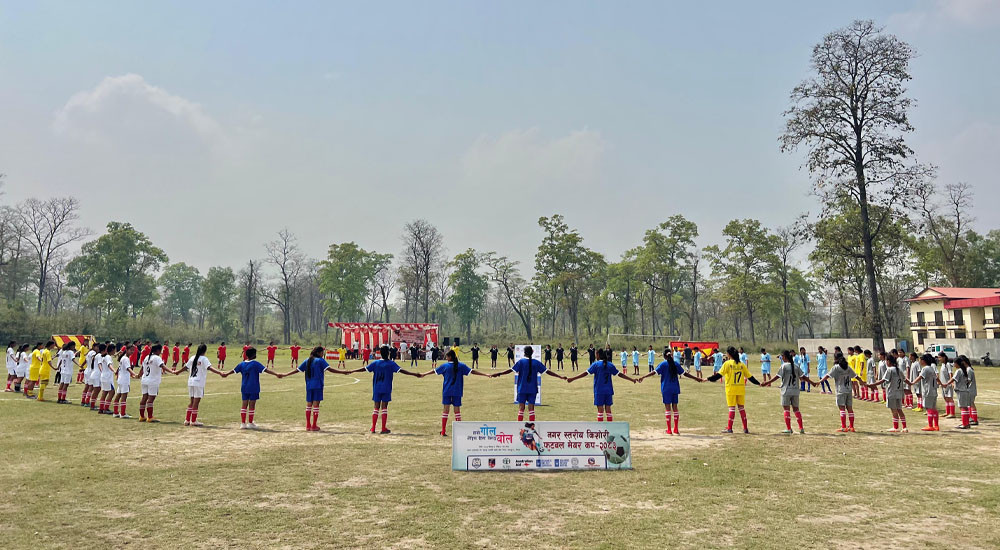
The WEC sessions also emphasized gender equity and equality, addressing deeply rooted social norms and practices that limit women’s participation and rights. Participants engaged in open discussions on gender roles, shared responsibilities, women’s rights, and the importance of mutual respect within families and communities. Linked with this, sessions on health and education raised awareness on maternal and child health, nutrition, sanitation, girls’ education, and the long-term benefits of investing in education for both boys and girls.
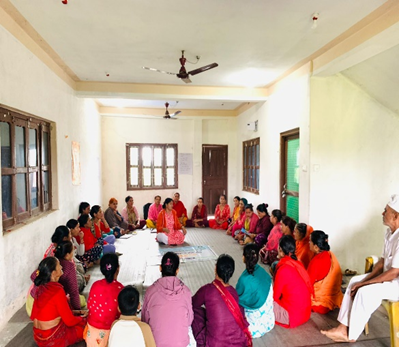
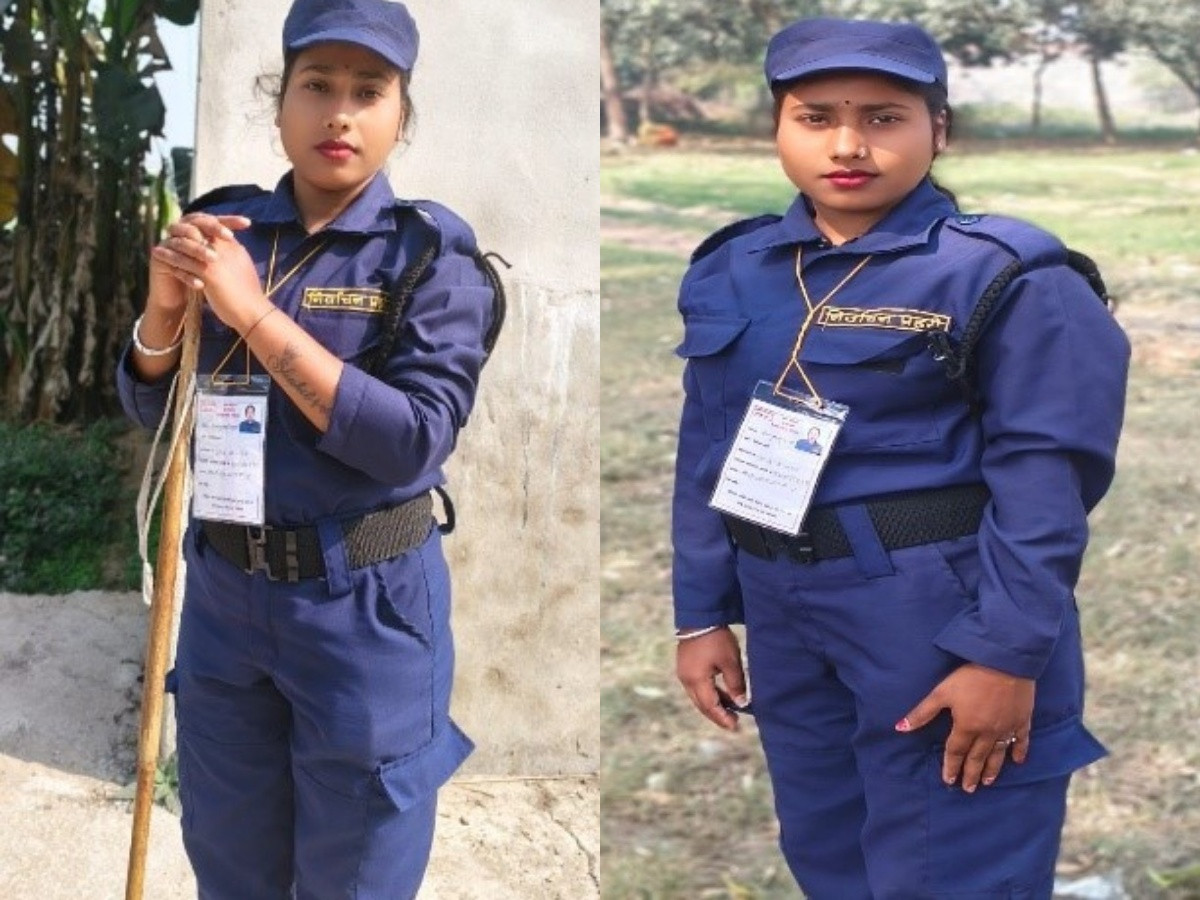
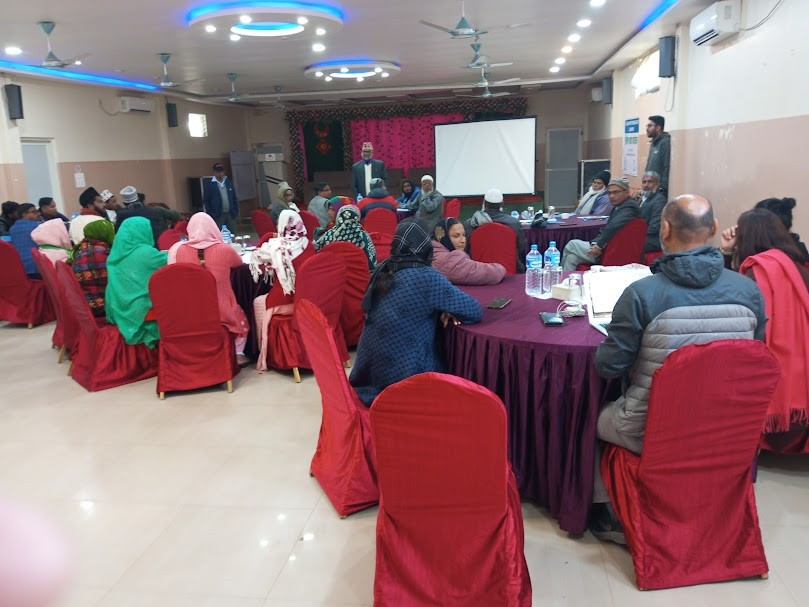
Additionally, topics related to good governance and community advocacy enabled women to better understand local government structures, ward-level planning processes, and citizen rights and responsibilities. Participants were encouraged to raise community issues, engage with elected representatives, and participate in public forums.
As a result of these continuous and structured dialogue sessions, WEC participants demonstrated noticeable improvements in confidence, public speaking skills, and leadership abilities. Many women actively engaged in ward-level meetings and decision-making processes, voicing community concerns and contributing to local development discussions. Overall, the WEC initiative significantly strengthened women’s capacity, social inclusion, and participation in community governance, contributing to more informed, confident, and empowered women in both municipalities.