The global agricultural landscape is increasingly challenged by the volatile shifts of a changing climate. In response, initiatives focusing on local, climate-resilient paddy seed production are emerging as a vital strategy for ensuring food security and environmental sustainability. By leveraging the expertise of local communities and the inherent hardiness of indigenous crop varieties, these farmer-led programs are transforming traditional farming into a more robust, self-reliant system.
The Catalyst: Climate Field Schools (CFS)
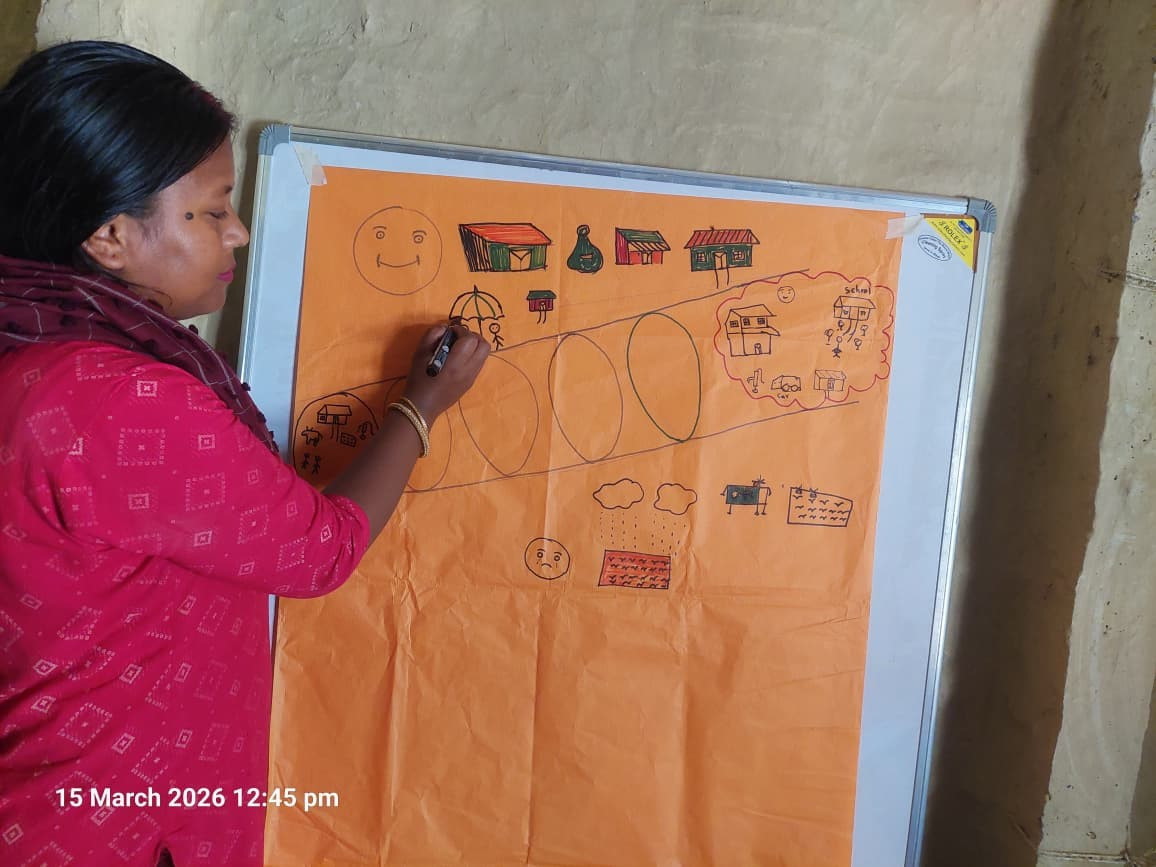
The foundation of this initiative lies in the Climate Field School (CFS) model. Rather than imposing top-down solutions, the program identifies and empowers "interest farmers" selected directly from CFS groups. This peer-led approach ensures that the knowledge remains grounded in the local context and that the techniques shared are culturally and economically viable for the community.
Building Technical Capacity
To bridge the gap between traditional knowledge and modern quality standards, participating farmers undergo comprehensive training focused on three critical pillars:
-
Quality Seed Selection: Learning to identify the strongest, healthiest parent plants to ensure high germination rates and vigor.
-
Seed Treatment: Implementing organic or low-impact methods to protect seeds from soil-borne pathogens and early-stage pests.
-
Storage Practices: Utilizing improved storage techniques to maintain seed viability and prevent post-harvest losses due to moisture or infestation.
The Advantage of Local Varieties
Evidence from field demonstrations highlights a significant performance gap between indigenous and hybrid seeds. Local paddy varieties have evolved over generations to adapt to specific micro-climates. Consequently, they demonstrate superior tolerance to climate stressors—such as erratic rainfall and temperature fluctuations—and show a natural resistance to local pests and diseases. While hybrid seeds may offer high yields under perfect conditions, local varieties provide a "safety net" for farmers facing unpredictable environmental shifts.
Impact: Self-Reliance and Sustainability
The broader impact of this initiative extends beyond the harvest. By producing their own high-quality seeds, farmers effectively:
-
Reduce Market Dependency: They are no longer vulnerable to the rising costs or supply chain disruptions of external seed markets.
-
Enhance Self-Reliance: Communities regain control over their primary inputs, fostering a sense of ownership and economic stability.
-
Promote Sustainable Agriculture: The use of adapted local seeds encourages biodiversity and reduces the need for intensive chemical interventions often required by hybrid counterparts.

In conclusion, promoting local climate-resilient paddy seed production is more than just an agricultural technique; it is a movement toward agricultural sovereignty. By placing the tools of production back into the hands of the farmers, this initiative secures a more sustainable and resilient future for rural communities.