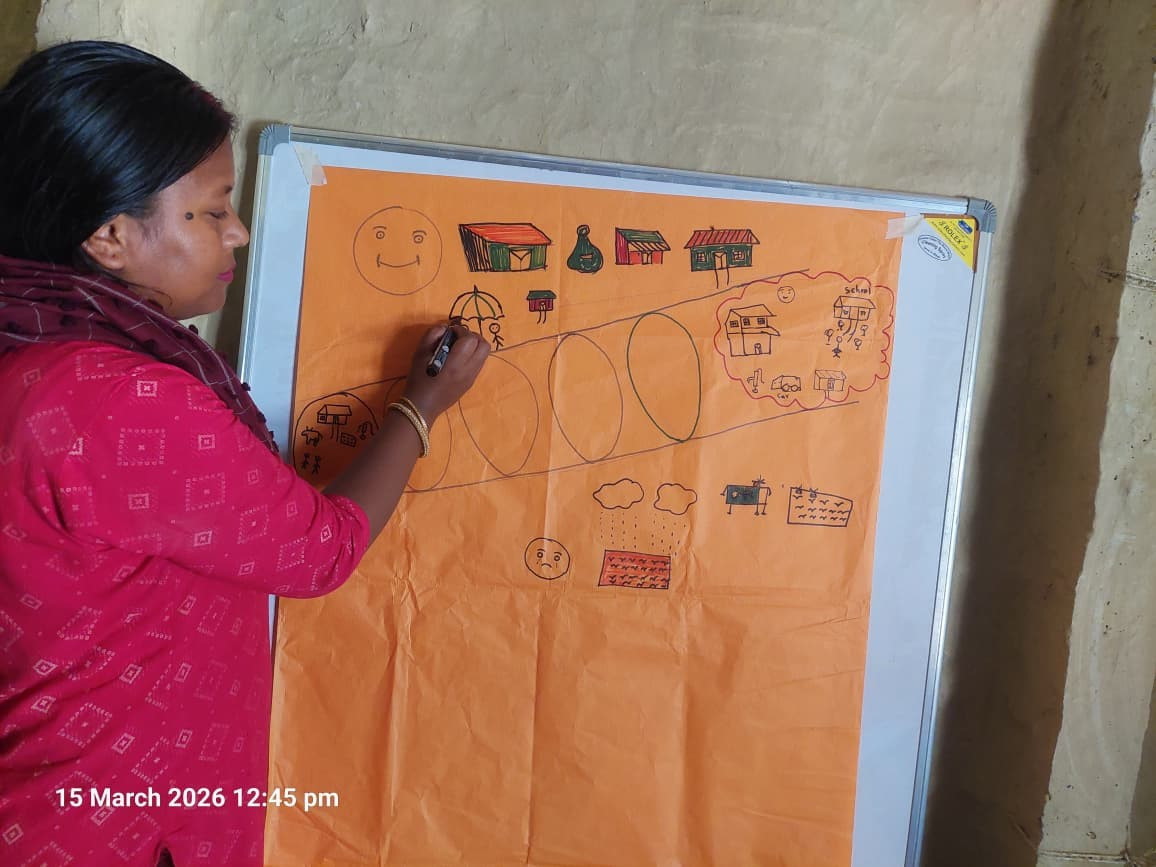
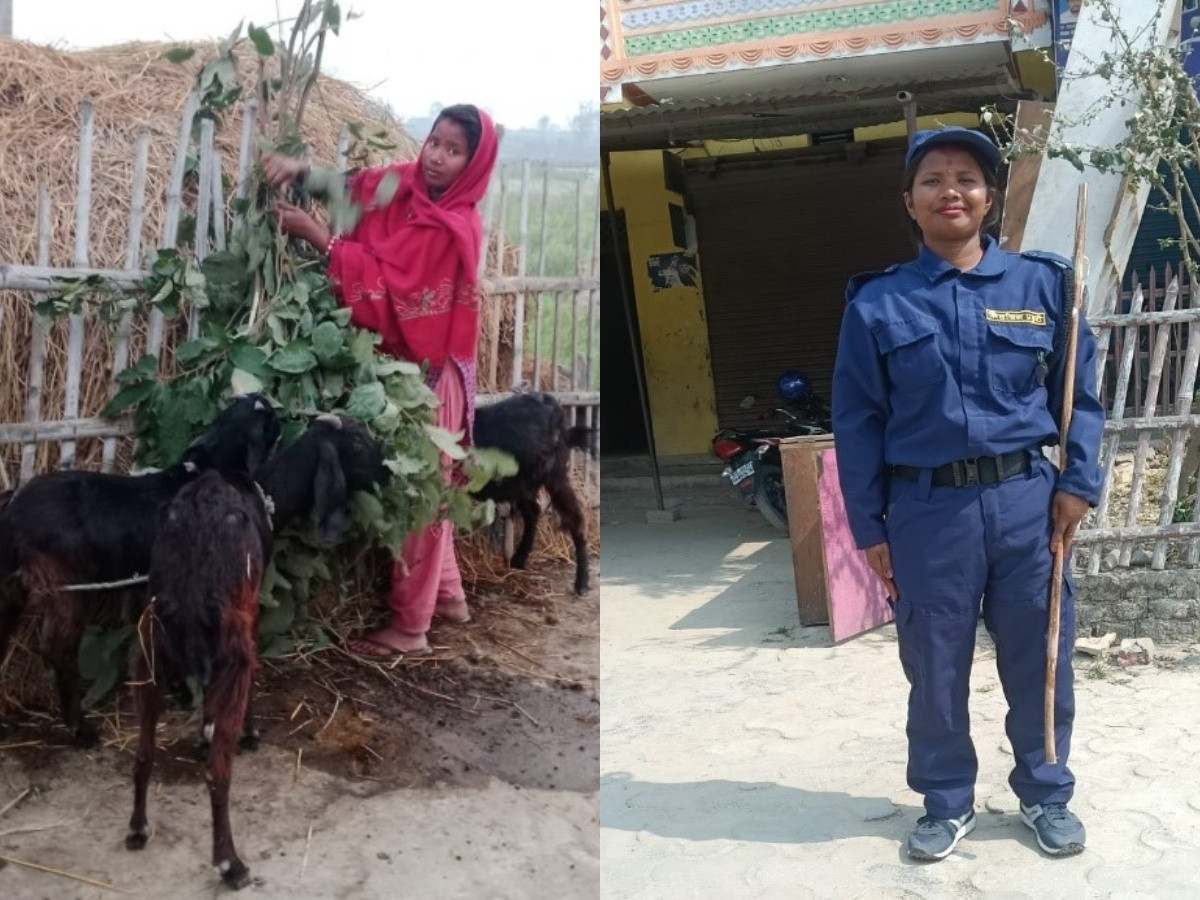
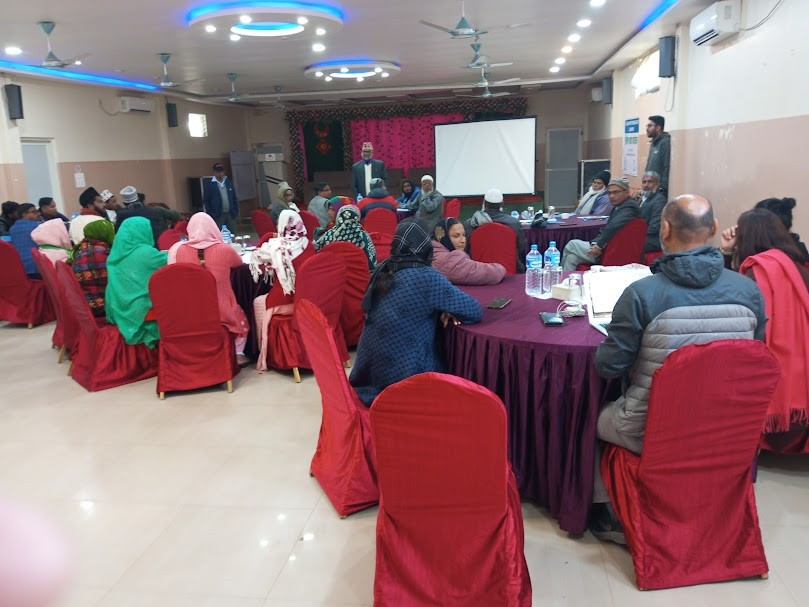
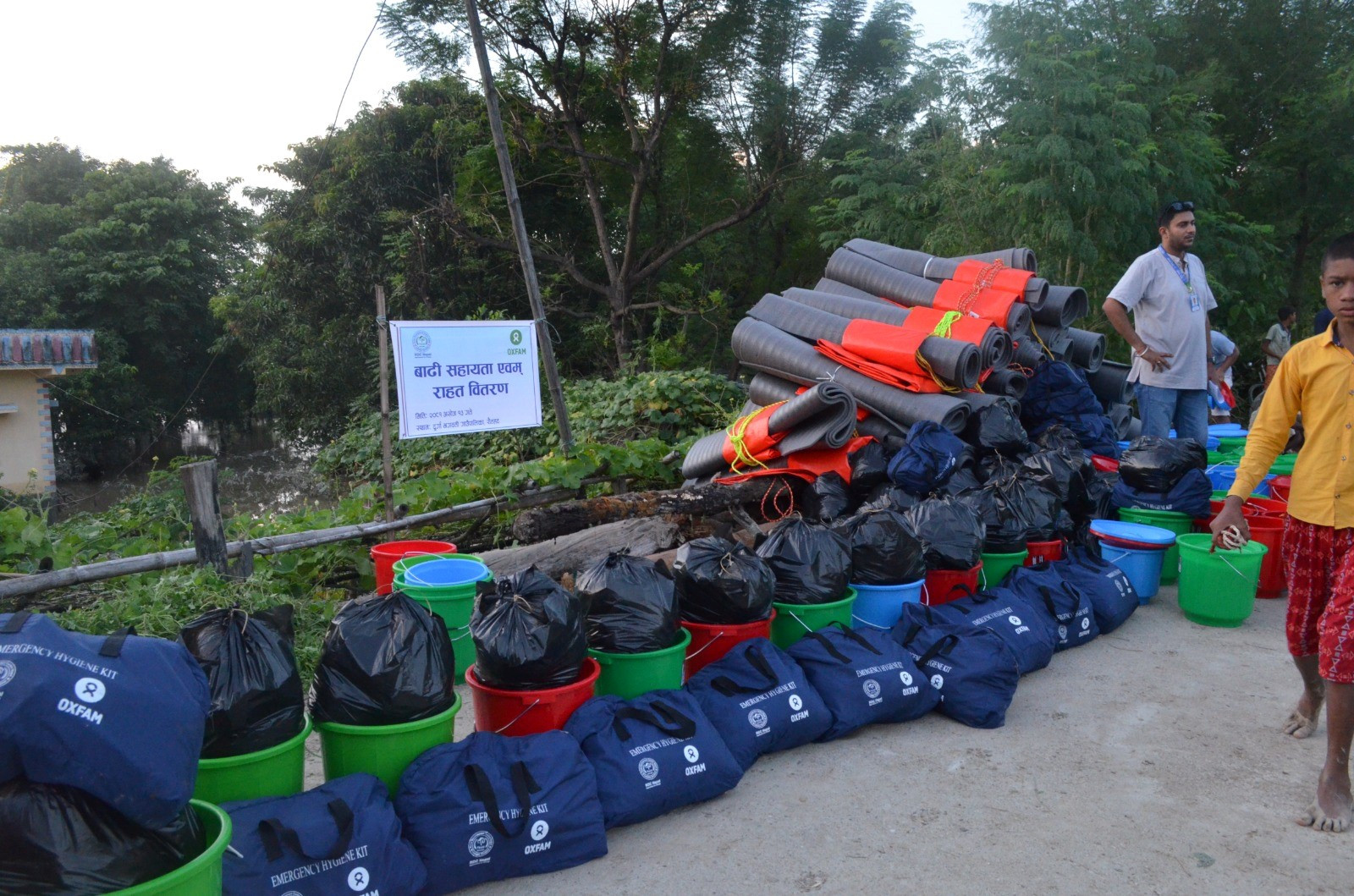
The series of advocacy and dialogue events were organized with the overarching objective of strengthening the capacity of Women Empowerment Center (WEC) members to conduct effective lobbying and advocacy at ward, municipal (Palika), and service-provider levels. The events aimed to promote institutional responses to issues identified through WEC advocacy plans, improve women’s and communities’ access to local resources and essential services, and create a structured platform for raising local issues through coordination and collaboration with government agencies and like-minded organizations. These initiatives were designed to reinforce participatory governance, strengthen women’s leadership, and ensure that community-identified priorities are systematically integrated into local planning, service delivery, and decision-making processes.
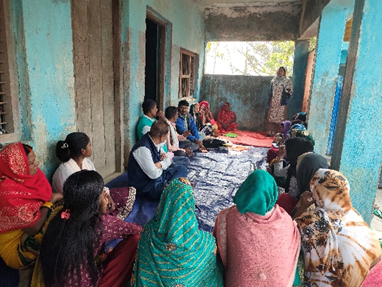
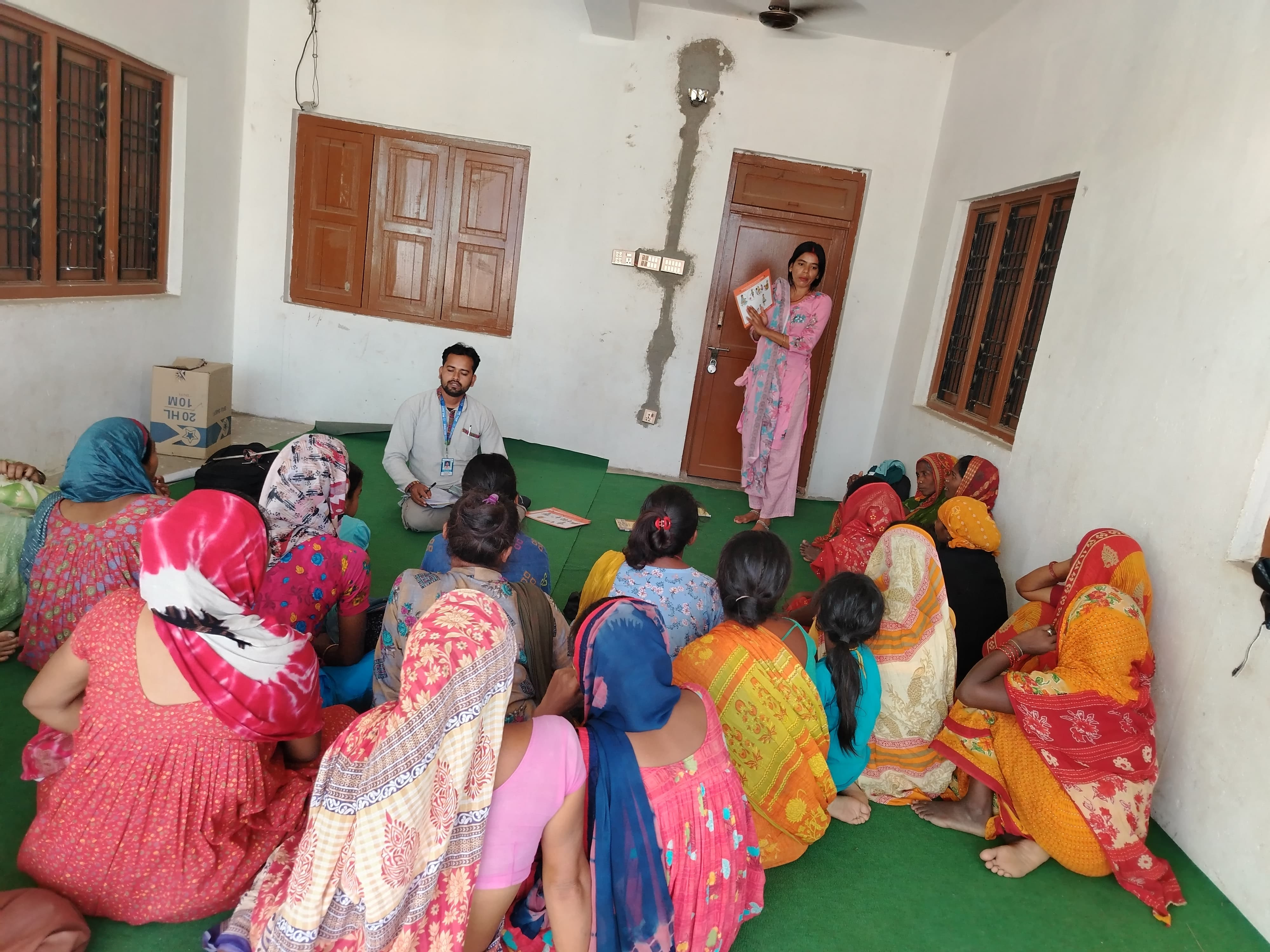
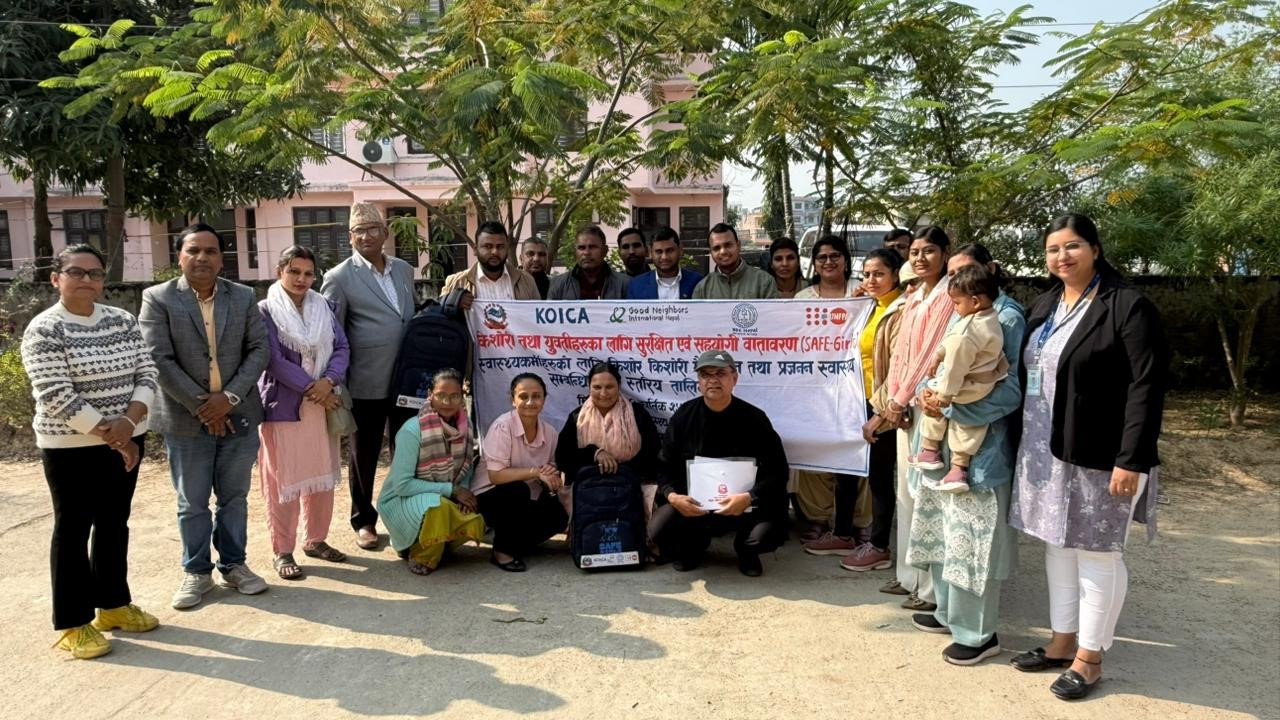
The first event was held on 27 November 2025 at Shree Madhyamik School, Ward No. 3, Brindawan Municipality, with participation from WEC members and local stakeholders representing Wards No. 1 to 5. The program was inaugurated by the Project Coordinator, who welcomed the participants and emphasized the importance of collective engagement in addressing community issues. The presence of ward chairpersons, ward members, ward secretaries, and WEC representatives reflected strong local ownership and commitment to collaborative problem-solving. At the outset, the Project Coordinator outlined the objectives of the program and shared key progress and achievements of the project in Brindawan Municipality, highlighting how WECs have emerged as important platforms for community advocacy and women’s leadership.
During the event, WEC members from Wards No. 1 to 5 presented advocacy plans developed through regular ward-level visits and continuous interaction with community members. They raised a wide range of priority concerns, including the need for community infrastructure development, drainage cleaning, construction and maintenance of chautaras, limited participation of women in decision-making processes, lack of quality education and higher education opportunities, gender-based violence, limited access to quality health services, unavailability of essential medicines at health posts, the absence of ambulance services, and the continued practice of the dowry system. WEC members clearly articulated how these issues directly affect the safety, dignity, and well-being of women and other vulnerable groups and called upon concerned stakeholders to address them through concrete actions, improved coordination, and appropriate resource allocation.
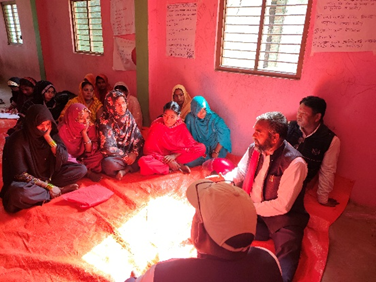
In response, ward chairpersons, ward members, ward secretaries, and government officials acknowledged the concerns raised and appreciated the structured and evidence-based presentations made by the WEC members. They clarified which issues could be addressed immediately within ward-level authority and which would require further coordination, technical support, or budgetary allocation from the municipal level. Several commitments were made, including strengthening information-sharing mechanisms, improving referral systems for gender-based violence and social protection cases, and enhancing joint monitoring of service delivery across wards. Ward leadership encouraged WEC members to continue documenting community issues and to maintain regular engagement with ward offices to ensure follow-up and accountability.
The event concluded with closing remarks from the Ward Chairperson of Ward No. 1, Brindawan Municipality, who commended the confidence, clarity, and leadership demonstrated by WEC members. He emphasized the importance of sustained coordination between communities, ward offices, and the municipality to ensure that identified issues are translated into practical solutions and improved service delivery.
A second dialogue event was held on 27 November 2025 at the Paswan Community Hall, Ward No. 7, Brindawan Municipality, with participants from Wards No. 6, 7, 8, and 9. The program was inaugurated by the MEAL Officer, who welcomed the participants and highlighted the objectives of the event, along with key achievements of the project in Brindawan. The active participation of ward leadership and WEC members again reflected strong community engagement and collaborative spirit.
WEC members from Wards No. 6 to 9 presented advocacy plans based on issues identified through regular community interactions. The major concerns raised included inadequate community infrastructure, lack of quality education and higher education opportunities, gender-based violence, limited access to quality health services, unavailability of essential medicines at health posts, the absence of ambulance services, and the persistence of the dowry system. WEC members emphasized that these challenges disproportionately affect women, children, and marginalized groups and require coordinated responses from ward and municipal authorities.
Ward chairpersons, ward members, ward secretaries, and government officials responded by acknowledging the concerns and clarifying the scope of ward-level actions and municipal-level responsibilities. Commitments were made to improve coordination with the municipality, strengthen referral mechanisms for GBV cases, enhance information sharing, and jointly monitor service delivery across wards. Ward leadership expressed appreciation for the advocacy efforts of WEC members and encouraged them to continue using structured platforms to raise issues constructively.
In the agenda discussions, ward representatives highlighted the need for collective efforts to improve basic infrastructure, strengthen health services, and address harmful social practices such as gender-based violence and the dowry system through awareness campaigns, enforcement of existing laws, and community engagement. The event concluded with remarks from the Ward Chairperson of Ward No. 8, who reaffirmed the commitment of ward leadership to work closely with WECs and the municipality to address identified issues.
Another advocacy dialogue was conducted on 25 November 2025 at the Red Cross Building, Ward No. 8, Rajdevi Municipality, with participation from WEC members and stakeholders representing Wards No. 6, 7, 8, and 9. The Project Coordinator inaugurated the program, outlining the objectives and sharing project progress. WEC members presented advocacy plans highlighting concerns such as drug abuse, gender-based violence, disaster risk reduction, environmental pollution, caste-based discrimination, child marriage, child labor, drainage problems, limited availability of municipal vehicles, and difficulties in obtaining disability identity cards. They emphasized that Rajdevi Municipality is highly flood-prone due to its proximity to rivers such as the Bagmati and Lalbakaiya, resulting in recurring risks and losses for communities.
Stakeholders acknowledged the issues and committed to addressing them within their mandates. Ward chairpersons and members emphasized that caste-based discrimination is illegal and assured that appropriate legal action would be taken against such practices. Commitments were made to coordinate with police, Armed Police Force, and municipal authorities to address drug abuse, strengthen patrolling in hotspot areas, improve waste management, and enhance disaster preparedness. Ward secretaries highlighted the importance of community cooperation in addressing issues related to encroachment and unplanned construction.
The event concluded with remarks from the Ward Chairperson of Ward No. 8, Rajdevi Municipality, who appreciated the leadership and confidence of WEC members and acknowledged RDC Nepal’s role in creating effective platforms for dialogue and empowerment.
A further event was organized on 25 November 2025 at the Community Hall, Ward No. 6, Rajdevi Municipality, with participation from Wards No. 1 to 5. The Project Coordinator inaugurated the program and outlined its objectives. WEC members raised issues related to drug abuse, gender-based violence, disaster risk reduction, the dowry system, drinking water quality, drainage problems, alcohol abuse, education quality, road safety, and theft. Stakeholders acknowledged these concerns and committed to addressing them through planning, awareness programs, coordination with line agencies, and improved community vigilance.
Across all events, participant feedback consistently highlighted appreciation for the inclusive and respectful platforms that enabled WEC members to confidently raise community concerns. Participants valued the presence and responsiveness of ward leadership, which helped clarify feasible actions and next steps. The events were widely recognized for strengthening trust, coordination, and mutual understanding between WECs, local governments, and supporting organizations.
Despite the positive outcomes, several challenges were identified, including limited time for in-depth discussion, the need for higher-level coordination and budget allocation for certain issues, difficulties in ensuring participation of all relevant line agencies, and the complex, deep-rooted nature of social problems such as GBV, dowry practices, drug abuse, and flooding risks. Key lessons learned emphasized that structured dialogue platforms significantly enhance women’s confidence and leadership, early engagement of ward leadership improves accountability, clear documentation is essential for follow-up, and regular engagement is necessary to translate dialogue into concrete outcomes.
Moving forward, it is recommended to institutionalize regular follow-up meetings at ward and municipal levels, strengthen coordination mechanisms among stakeholders, integrate WEC-raised issues into annual planning and budgeting processes, build the advocacy and monitoring capacity of WEC members, and continue organizing inclusive dialogue platforms and community awareness programs. Overall, the events collectively strengthened women’s voices in local governance, enhanced collaboration between communities and authorities, and reinforced WECs as credible and effective platforms for community advocacy and inclusive development.