Name of the Project : Nutritional Food Support to Vulnerable Families (Zakat Al-Fitr 2026) In Rautahat, Mahottari & Kapilvastu districts
Goal of the Project : To ensure vulnerable families have access to a nutritious diet and enough food to meet their daily needs.
Objective of the Project
1. - To provide nutritional food support to poor and needy families to help improve their health and wellbeing.
2. - To ensure that basic food items are available to families in need in order to prevent malnutrition and hunger.
3. - To create and strengthen partnerships with local organizations and government agencies to provide effective nutritional food support to vulnerable families.
Project Summary:
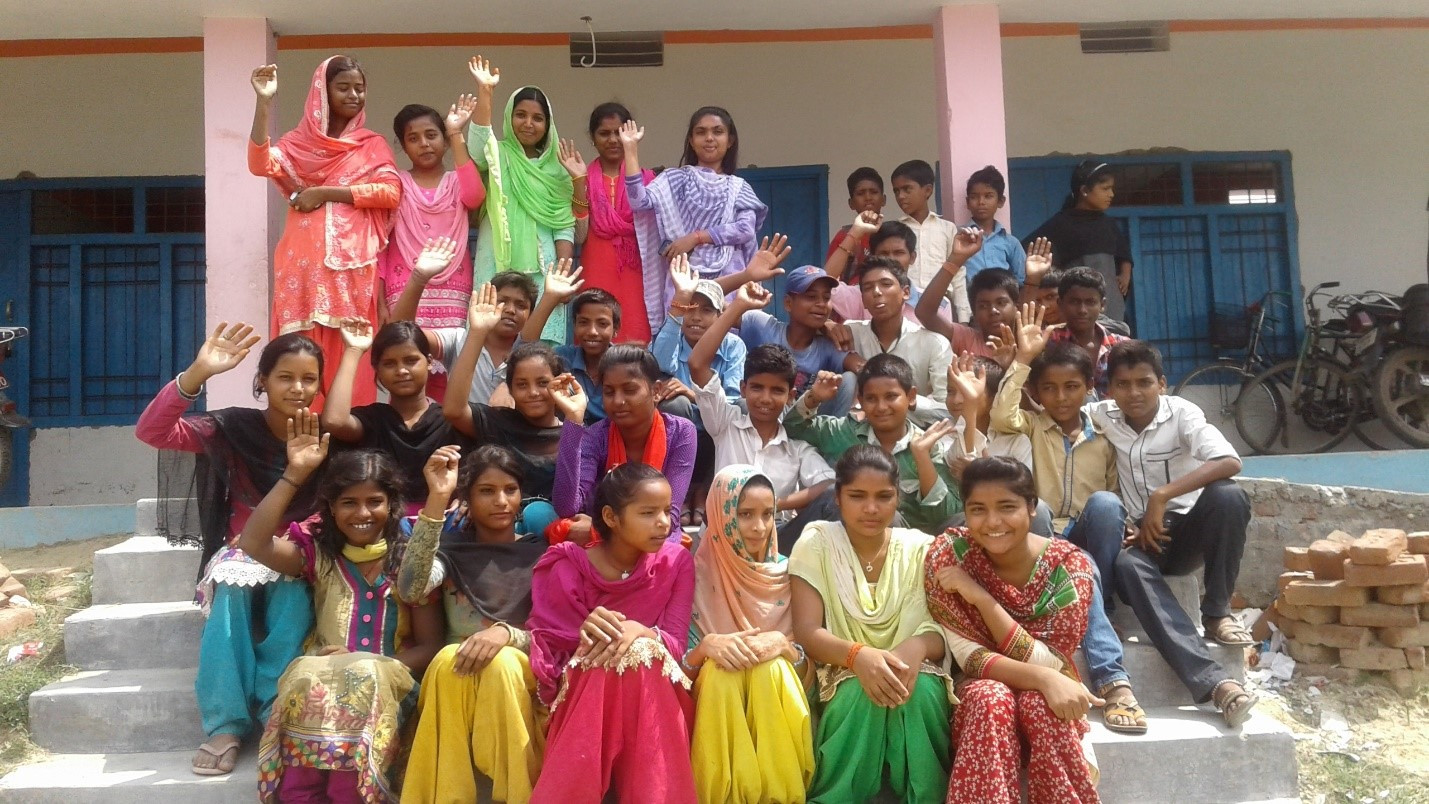
The project titled “Nutritional Food Support to Vulnerable Families (Zakat Al-Fitr 2026)” was successfully implemented across Rautahat, Mahottari, and Kapilvastu districts, targeting some of the most vulnerable populations. Beneficiaries were carefully identified through recommendations from government bodies, ensuring inclusion of poor and vulnerable families, orphan children, marginalized groups, and Muslim communities. This collaborative selection process enhanced the credibility, fairness, and transparency of the intervention.

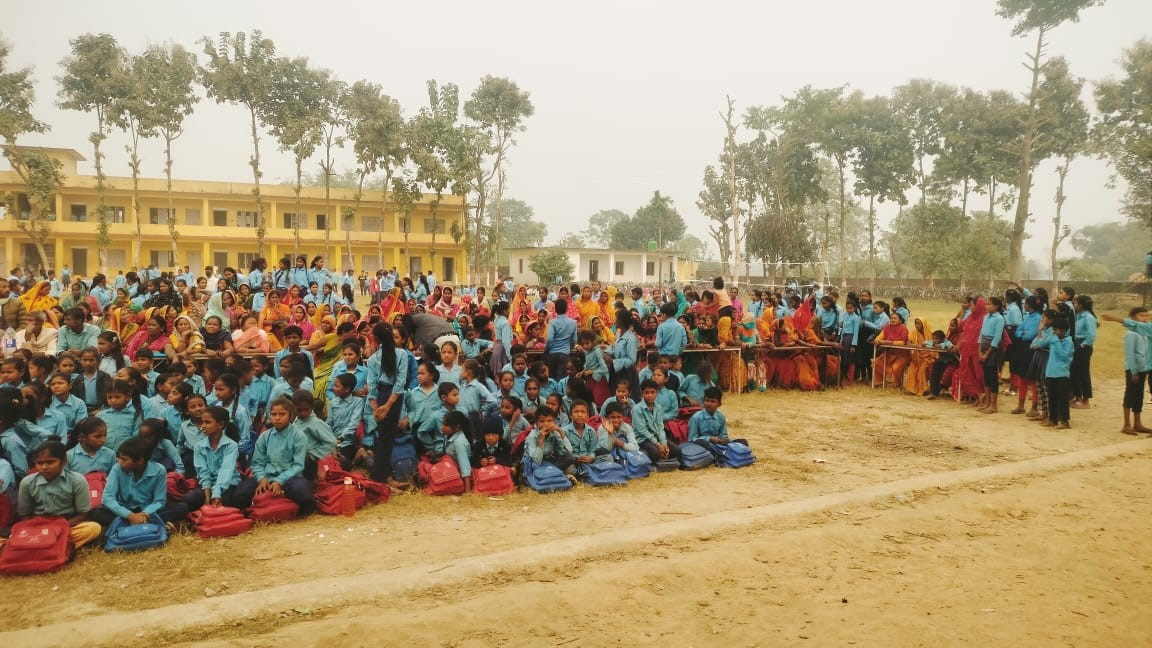
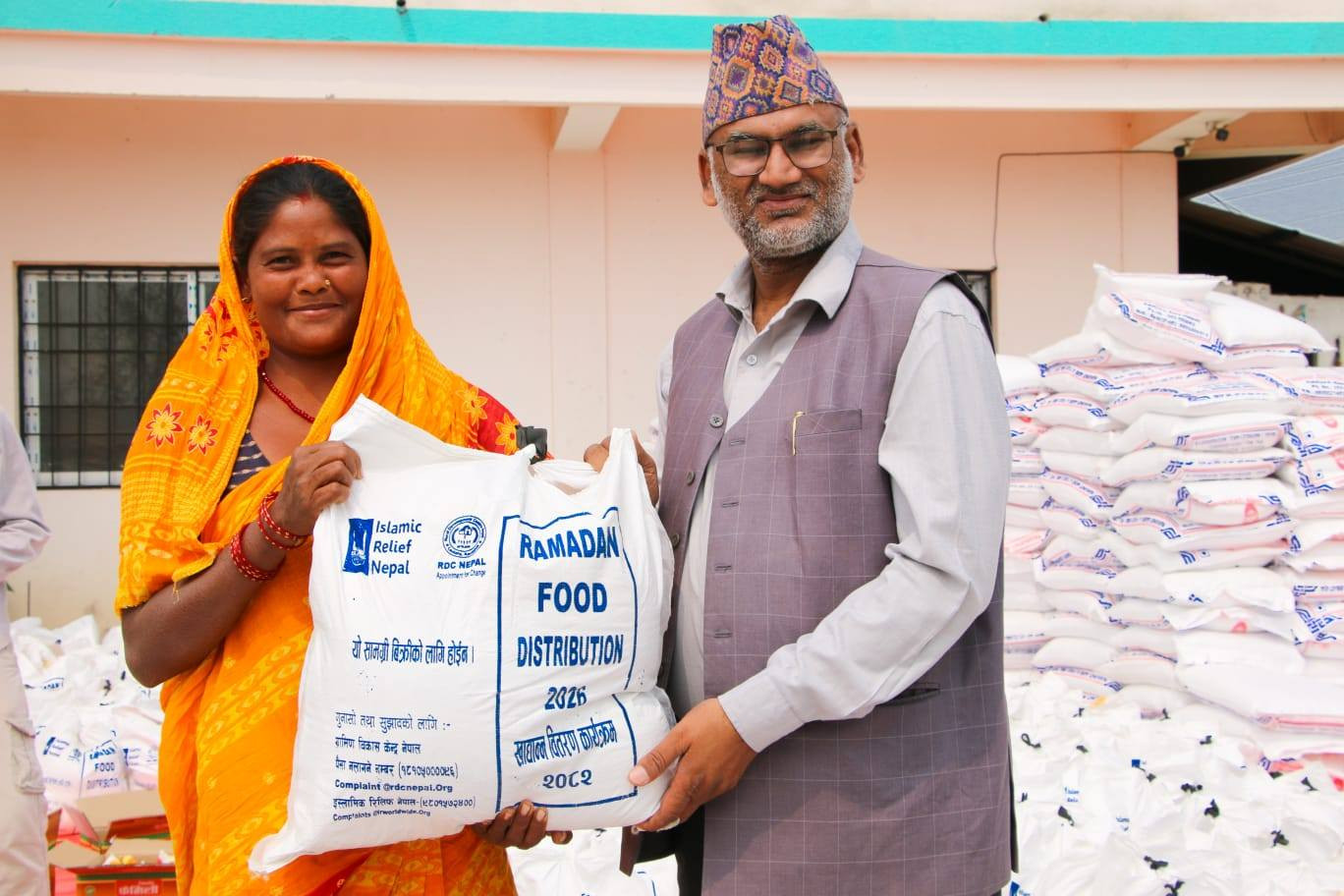
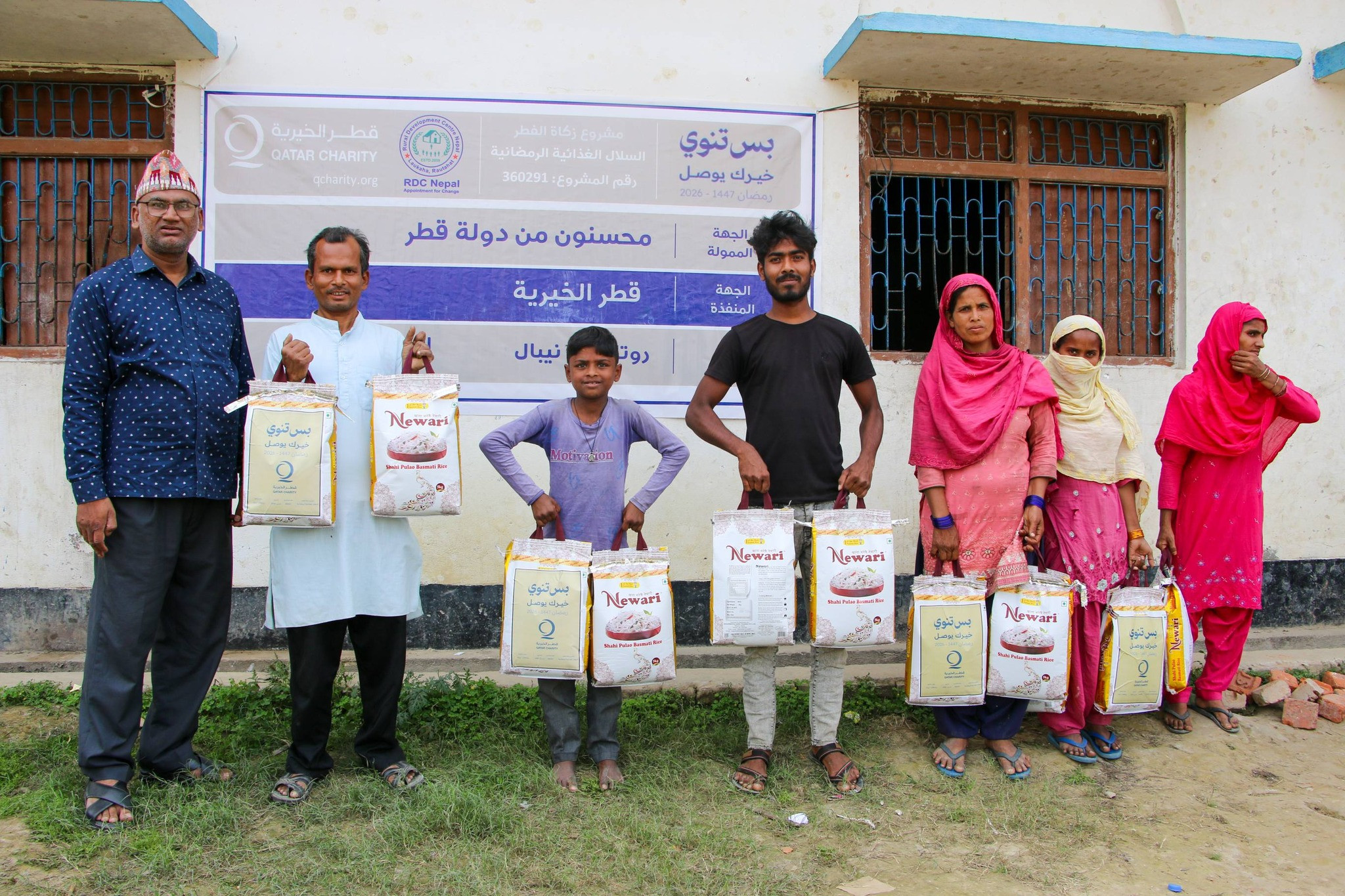
Procurement of food items was conducted through a transparent and competitive sealed quotation process involving three vendors. The supplier offering the lowest bid while meeting quality standards was awarded the contract. This approach ensured cost-effectiveness, accountability, and value for money. The distribution events were conducted in coordination with local stakeholders, including Ward Chairpersons, RDC representatives, ward members, youth groups, community members, and social workers. Their presence strengthened community ownership, trust, and transparency throughout the process.
As a key achievement, a total of 950 households received 10 kg of Basmati rice (Newari Shahi Pulao), with 400 households in Rautahat, 200 in Mahottari, and 350 in Kapilvastu. The project successfully met its intended goal as per the contract agreement, addressing immediate nutritional needs during a critical period. Beyond short-term relief, the initiative reinforced social solidarity, dignity, and inclusion among vulnerable communities.

SECTION 3: BENEFICARIES DETAIL
Through this project, Below are the details of the beneficiaries.
|
RAUTAHAT DISTRICT |
MAHOTTARI DISTRICT |
KAPILVASTU DISTRICT |
|
400 Households |
200 Households |
350 Households |
|
950 Households |
||
SECTION 4: RISK AND CHALLENGES
Despite its success, the project faced several potential risks and operational challenges. One major challenge was accurate beneficiary identification, as there is always a risk of exclusion or inclusion errors in vulnerable settings. Logistical constraints, such as transportation delays and distribution management across multiple districts, posed operational difficulties. Additionally, price fluctuations in food commodities could have affected procurement planning and budgeting. Weather conditions and local accessibility issues also posed risks to timely delivery. Ensuring transparency while managing expectations among non-beneficiaries was another social challenge that required careful communication and coordination with local leaders.
SECTION 4: BEST PRACTICES
The project demonstrated several best practices that contributed to its success. First, strong coordination with government bodies ensured legitimacy and accurate targeting of beneficiaries. Second, the use of a sealed quotation procurement process promoted transparency, competitiveness, and cost-efficiency. Third, community engagement and stakeholder participation during distribution enhanced trust, accountability, and local ownership. Fourth, maintaining clear documentation and adherence to contractual agreements ensured smooth implementation and monitoring. Lastly, focusing on culturally appropriate food items (such as Basmati rice for festive use) respected the dignity and preferences of beneficiaries.

SECTION 4: CONCLUSION
Overall, the project stands as a strong example of effective humanitarian assistance, combining transparency, community participation, and efficient resource management. It not only fulfilled immediate nutritional needs but also strengthened community cohesion and trust, demonstrating the meaningful impact of compassion-driven initiatives.