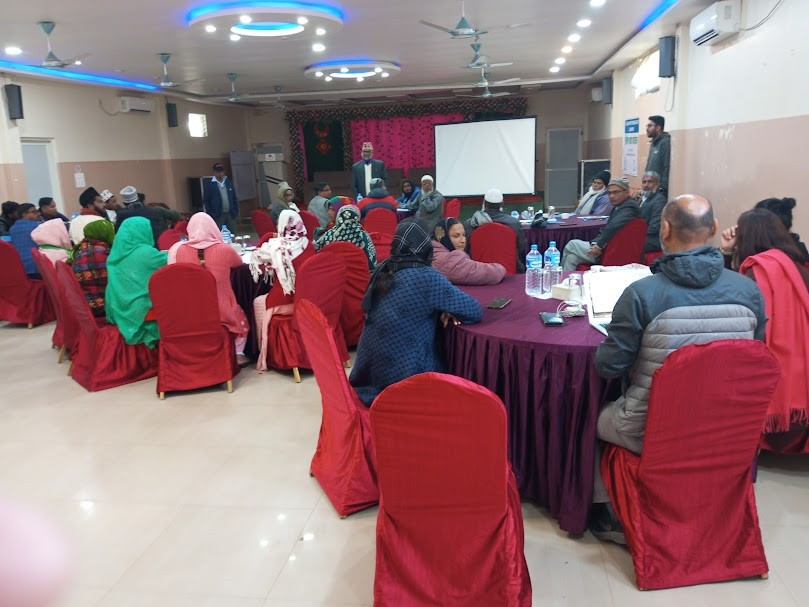
RDC Nepal supported local communities to prepare and implement Climate Change Adaptation and Disaster Management Plans (CDMPs) with the aim of strengthening community resilience to climate-induced risks. The initiative focused on empowering communities to identify local vulnerabilities, prioritize adaptation measures, and take collective action to reduce disaster impacts. Through a participatory and inclusive approach, CDMPs were successfully prepared, endorsed, and officially handed over to Ward No. 3 and Ward No. 5 of Gujara Municipality, ensuring ownership and long-term commitment at the ward level.
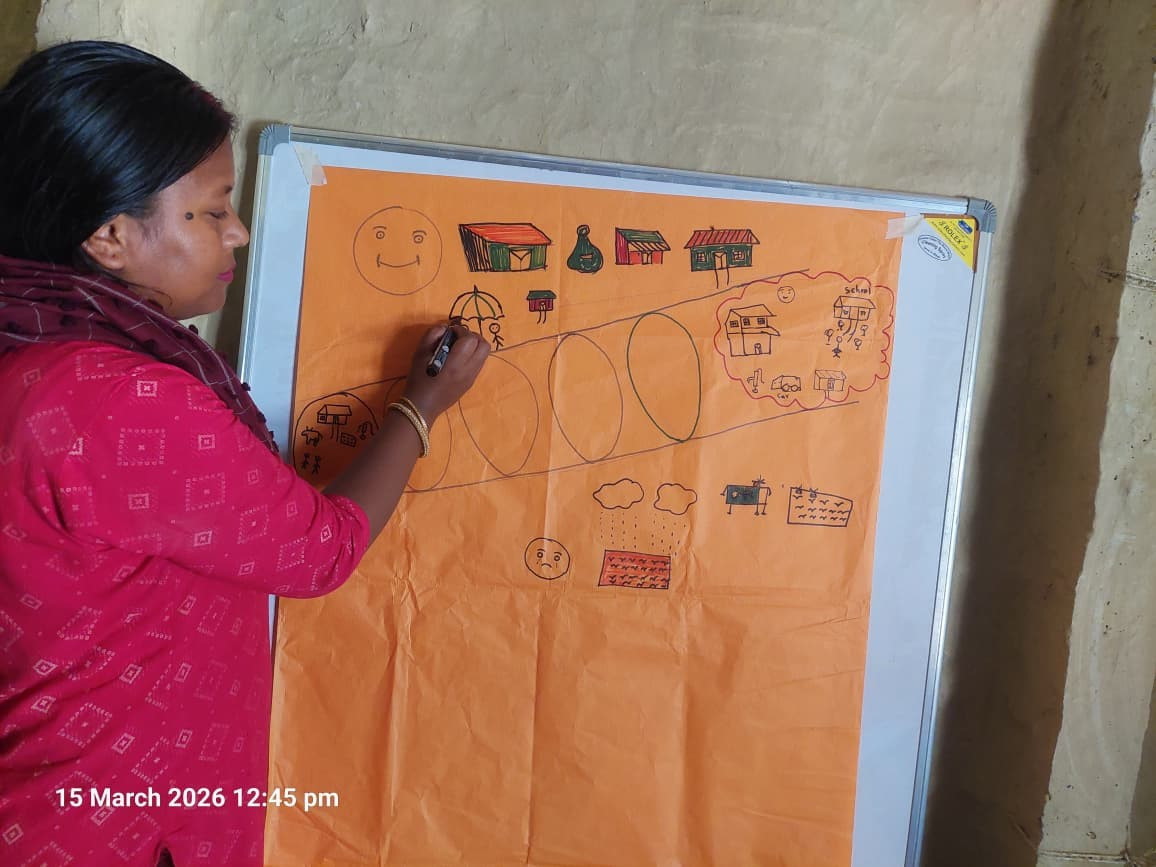
The CDMP preparation process was highly participatory, involving community members, elected representatives, women groups, youth, farmers, and other vulnerable populations. Communities engaged in risk assessments, hazard mapping, and seasonal analysis to better understand climate threats such as floods, droughts, soil erosion, and extreme weather events. This process helped identify priority risks and locally appropriate solutions based on indigenous knowledge and community experience. Once finalized, the plans were formally endorsed by ward authorities, reinforcing their legitimacy and integration into local development and disaster management frameworks.
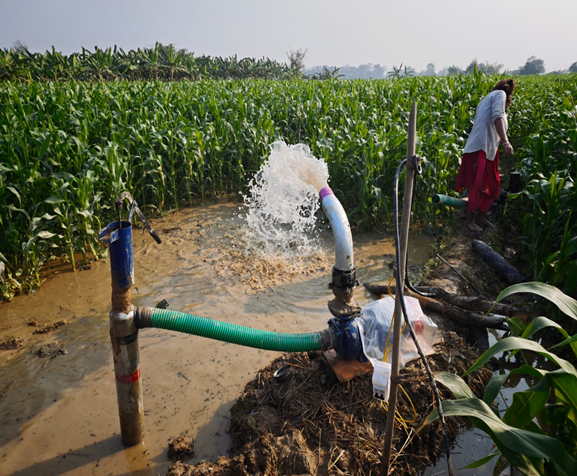
Following the preparation of CDMPs, RDC Nepal supported the implementation of priority actions identified in the plans across Gujara and Chandrapur municipalities. These actions emphasized climate-friendly and locally led adaptation measures designed to reduce vulnerability and enhance adaptive capacity. Key interventions included irrigation support to address water scarcity and improve agricultural productivity, particularly during dry seasons. Improved irrigation systems enabled farmers to maintain crop production despite changing rainfall patterns.
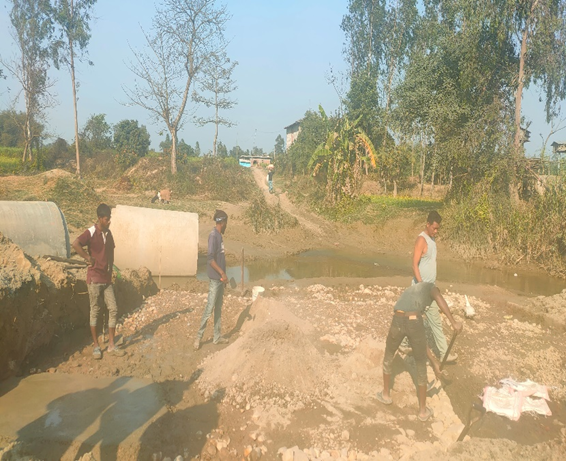
Soil management practices were also implemented to reduce land degradation and improve fertility. These measures included soil conservation techniques, improved land preparation, and the promotion of sustainable farming practices. In flood- and erosion-prone areas, bio-embankments were constructed as nature-based solutions to protect settlements and agricultural land while preserving ecological balance. Additionally, culvert construction and improvement helped ensure proper drainage, reduced waterlogging, and improved access during heavy rainfall, thereby minimizing infrastructure damage and disruptions to daily life.
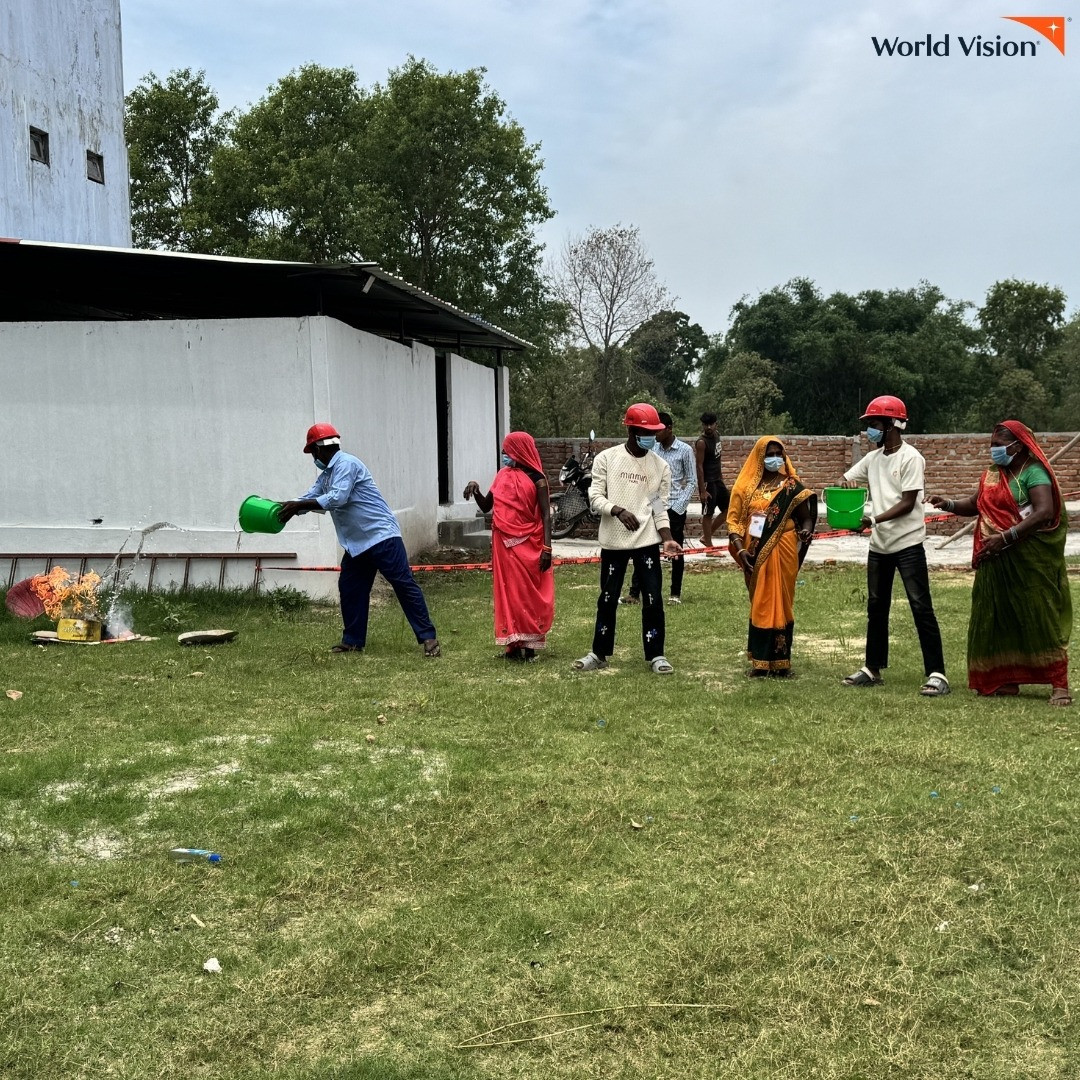
The implementation of CDMP priority actions strengthened community preparedness and response capacity. Communities gained practical experience in planning and executing adaptation measures, enhancing their confidence and collective action. The CDMPs also served as effective tools for advocacy, enabling communities to engage with local governments and development partners to mobilize resources and integrate climate and disaster risk considerations into local plans and budgets.
Overall, the CDMP initiative empowered communities to anticipate, plan for, and respond to climate-induced disasters more effectively. By combining participatory planning, locally led implementation, and institutional linkage with ward authorities, the project contributed to sustainable, community-driven climate resilience. The experience demonstrates the value of CDMPs as practical instruments for building adaptive capacity, strengthening local governance, and reducing the long-term impacts of climate change and disasters on vulnerable communities.