In an era where environmental degradation and economic instability often intersect, Rural Development Centre (RDC) Nepal is championing a dual-purpose strategy: fostering sustainable livelihoods while advancing a green economy. By transitioning from traditional subsistence models to community-based green enterprises, RDC Nepal is proving that environmental conservation and income generation can go hand-in-hand.
Through a targeted intervention, two distinct green business models were supported, focusing on local ownership, youth engagement, and the reduction of plastic waste.
1. Duna–Tapari Production: Eco-Friendly Alternatives
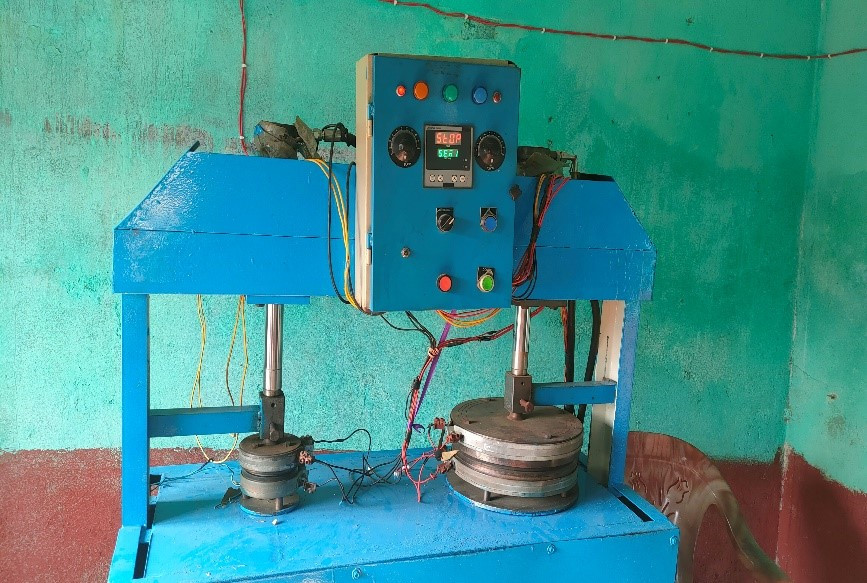
At the heart of the Gujara–2 community, RDC Nepal provided a Duna–Tapari (leaf plate and bowl) production machine to the Siddheshwor Community Forest User Group (CFUG). This initiative addresses two critical issues:
-
Environmental Impact: It offers a biodegradable, traditional alternative to single-use plastics, directly contributing to waste reduction.
-
Economic Opportunity: By mechanizing the production of traditional leaf-ware, the CFUG can scale up its output, creating consistent local income for community members who collect and process Sal leaves.
2. Green Nurseries: Empowering Youth in Conservation
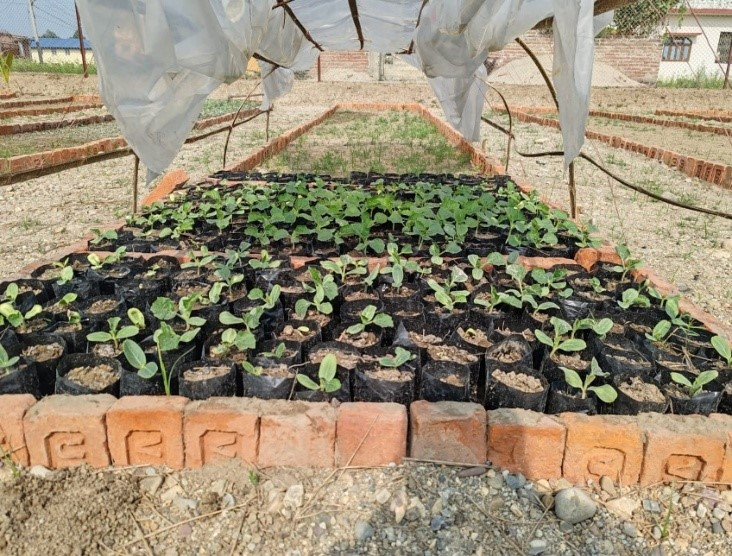
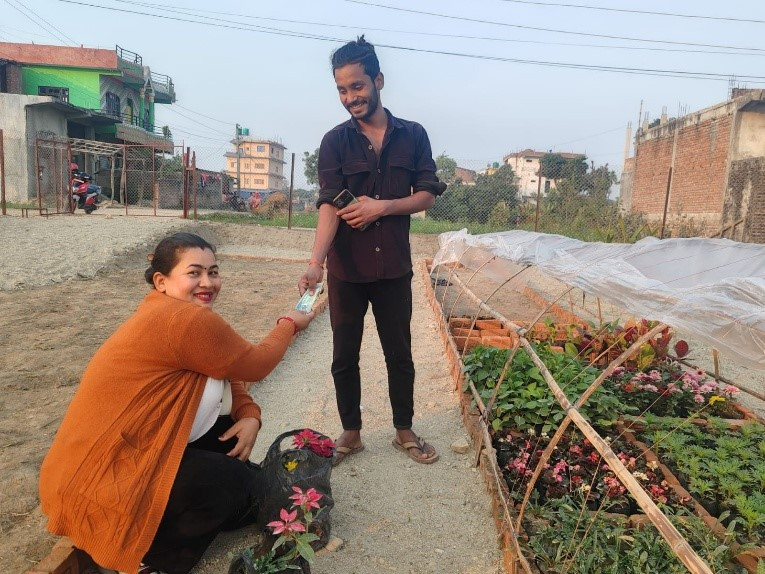
In Chandrapur, the focus shifted toward afforestation and entrepreneurship through support provided to the Sangharsa Yuba Club. The establishment of a green nursery serves as a biological hub for the region.
-
Seedling Production: The nursery enhances the availability of diverse plant species necessary for local reforestation efforts.
-
Youth Leadership: By placing the enterprise in the hands of a youth club, the project fosters a new generation of "green entrepreneurs" who view natural resource management as a viable career path rather than a chore.
The Sustainability Model: Cost-Sharing and Ownership
A hallmark of RDC Nepal’s approach is the 70/30 cost-sharing framework. The project provided approximately 70% of the investment, while the entrepreneurs and community groups contributed the remaining 30%.
This financial structure is intentional; by requiring a local contribution, the initiative ensures that the stakeholders are not merely beneficiaries but investors. This "skin in the game" significantly increases the likelihood of long-term equipment maintenance, business continuity, and genuine community ownership.
Impact and the Path Forward
These initiatives have successfully laid the groundwork for a climate-resilient local economy. By integrating environmentally responsible business models, the project has:
-
Strengthened local employment by creating jobs within the community.
-
Bolstered natural resource conservation by linking forest health to economic gain.
-
Promoted a Green Economy that prioritizes the planet alongside profit.
RDC Nepal remains committed to scaling these "green footprints," ensuring that the path to prosperity is paved with sustainable practices that protect the fragile ecosystems of Nepal for generations to come.