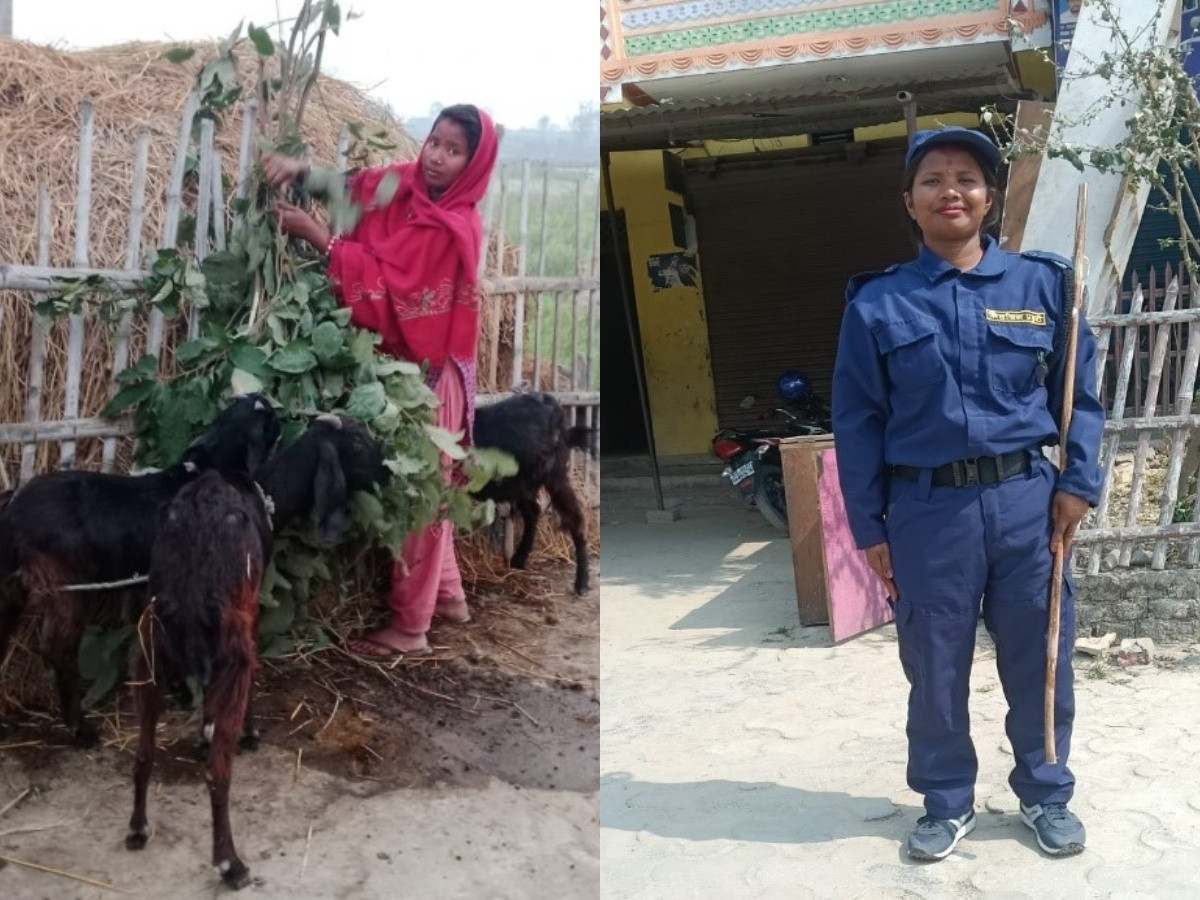
Shakuntala Kumari Ram is the chairperson of Narijagaran Women Empowerment Centre at Ward 2 in Brindaban Municipality. She is living with her two sons, aged six and eight years old, along with her mother-in-law, father-in-law, brother-in-law, and sister-in-law as well. Her husband is in Dubai for employment, but he does not have a good job there and they are still struggling for their livelihood and their children's education as well.
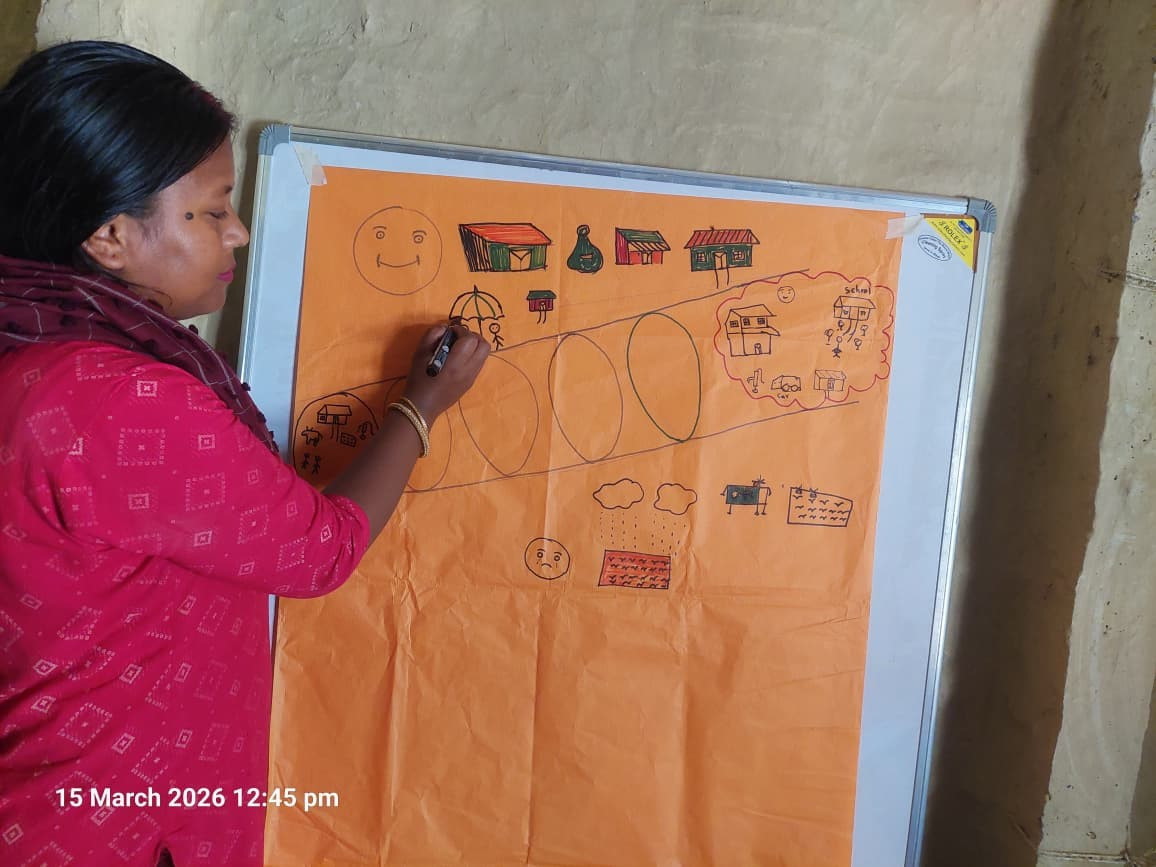
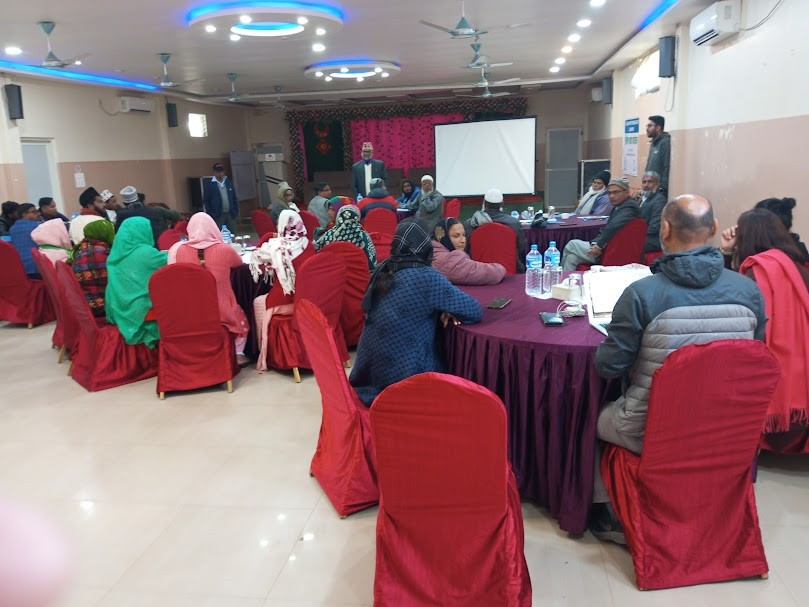
At Ward 2, NariJagaran WEC had been formed six months ago and currently has 25 members. In the initial phase, most of the WEC members were hesitant to talk in front of four to five people. Her mother-in-law has been paralyzed for three years, and her family has to take care of her. They were not confident speaking even within the group. When she came into this WEC, she learned about financial literacy, including saving, credit, and emergency funds, and their benefits, along with personal saving and piggy bank saving. Once they had a discussion within the group about personal saving, she started piggy bank saving, and using that amount, she has now bought gold with NPR 13000.00 After being affiliated with WECs, she learned about smart agriculture using new tools and technologies, including women-friendly tools for agriculture. They learned about the seven-step planning process and the roles and responsibilities of WEC members. They also learned about women's rights and that they have certain rights which should be claimed by them. For this, however, they need to talk and fight sometimes with families, communities, and local stakeholders as well.
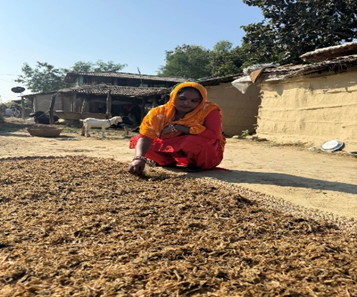
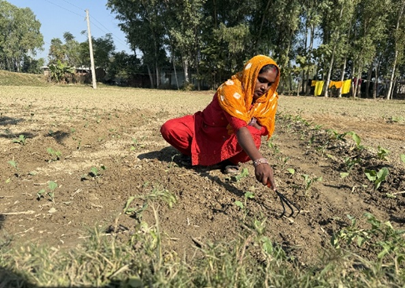
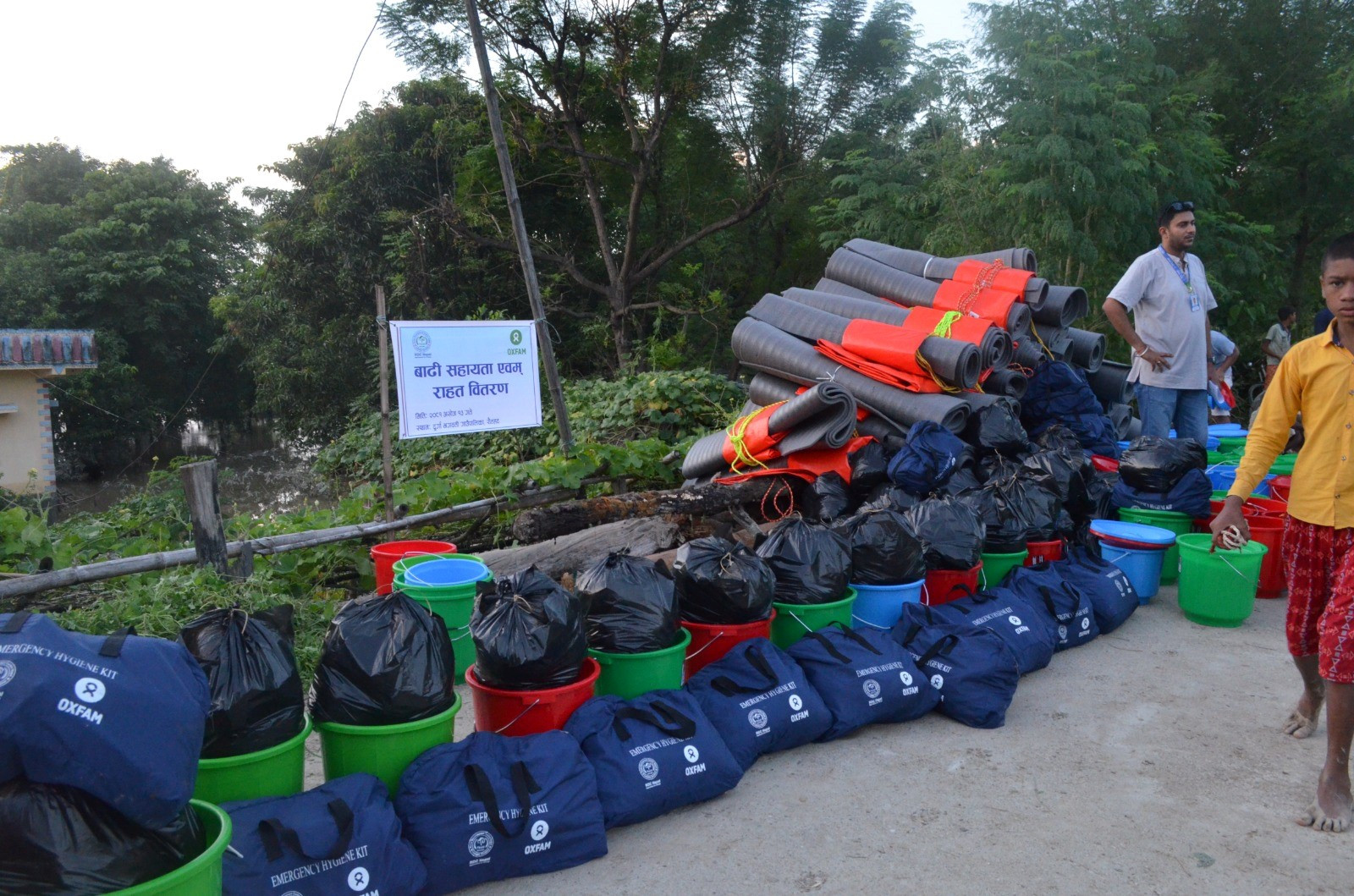
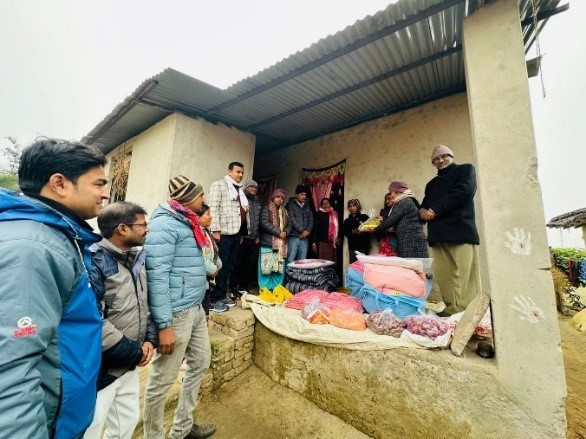
Although she was already doing agriculture on her land using the conventional process and tools, she was seeking to increase her production and earn more money to improve their livelihood. RDC Nepal discussed farming material support with their WECs, using several indicators for selection, such as: women from poor families, those who want to conduct their agricultural work using women-friendly and climate-smart agriculture approaches, and people with disabilities or family members with disabilities etc. She then showed her interest in the support. After having an intensive discussion within the WEC and among its members, and because she met the indicators, she was finalized for the farming materials support. Under this program, she was supported with a motor and pipes, tunnels, mulching, crates, and drums, along with ten different vegetable seeds, valued at NPR 50,000 to 60,000 in November 2025. After receiving this support, she is very excited about her agriculture work.
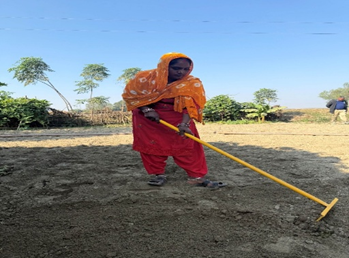
After receiving that support from the KOICA-Empowering Her project,
She said: "It has been so easy for her to do agricultural work. She and her family were previously using conventional tools and practices, but this support has made it much easier to work in the field with very women-friendly tools. It has also minimized her working time. Due to these women-friendly and new tools, the time she has saved from work she is now using for her children's care, other household chores, and managing to attend WEC meetings on a regular basis."
This has made her and her family members enthusiastic about her agricultural work. Now she doesn't need to look after the male counterparts for agricultural work; she can work easily in the field using those women-friendly tools and new technologies. She says that:
“Before I joined the WEC, I honestly didn't think about things like climate-smart agriculture or using women-friendly tools. My only focus was production, even though what I grew was limited. But now, I am so hopeful! With these new tools and technologies, I know I can increase my production with much less time and hard work.”
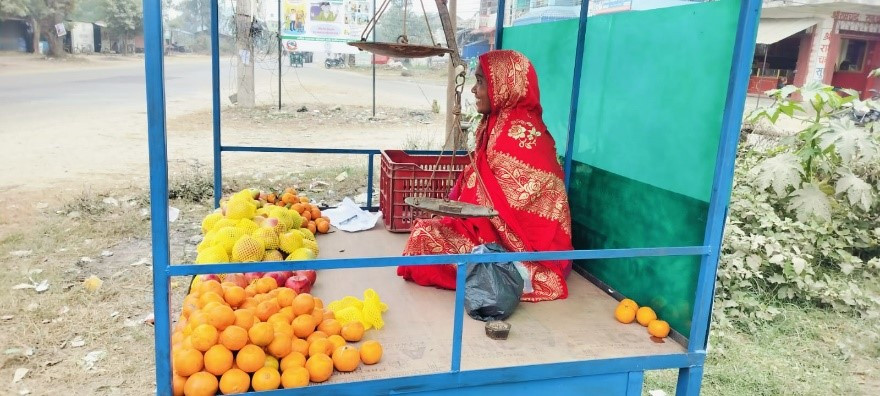
With this support, she is feeling so enthusiastic about her agricultural work. Due to this, she is being able to multi-task, using the time and energy she has saved. Her husband is now in Dubai, so she is thinking of increasing her production and turning it into a business. She hopes to call her husband back to Nepal and explore job opportunities for him so he can be with his family. Living apart has made her life a bit difficult. Her husband only comes home every two or three years because the airfare isn't affordable for them every year. To save that budget and make their livelihood easier, her husband visits home after a long gap, like two or three years. If she is able to increase her production and expand it as a business, she would like to increase her income generation and explore and provide a good education for her two sons so they can secure a good career and lives in future.