Sajiya Khatun, a 20-year-old Muslim girl from Rajpur Municipality in Rautahat, Madhesh Province, grew up in a deeply conservative household where girls were expected to marry early, remain veiled, and avoid public spaces. Her family, burdened by financial hardship, saw early marriage as a practical solution to economic insecurity. Sajiya’s education was interrupted, her mobility tightly controlled, and her voice silenced by cultural expectations. She was not allowed to leave the house without a male escort, and discussions about her body, rights, or future were considered taboo. Community norms dictated that girls should not speak in public or question authority. Sajiya internalized these limitations until the SAFE Girls Project opened a new path.

Madhesh Province has some of the highest rates of gender-based violence (GBV), child marriage, and harmful traditional practices in Nepal. Deep-rooted patriarchal norms, coupled with limited access to education and sexual and reproductive health information, disproportionately affect adolescent girls especially those from marginalized communities such as Dalits, Madhesis, and Muslims. In many Muslim households, girls face additional layers of restriction: early marriage is common, mobility is tightly controlled, and cultural taboos prevent open discussion about bodily autonomy or rights. Girls are often expected to remain veiled, silent, and submissive, with little opportunity to shape their own futures.
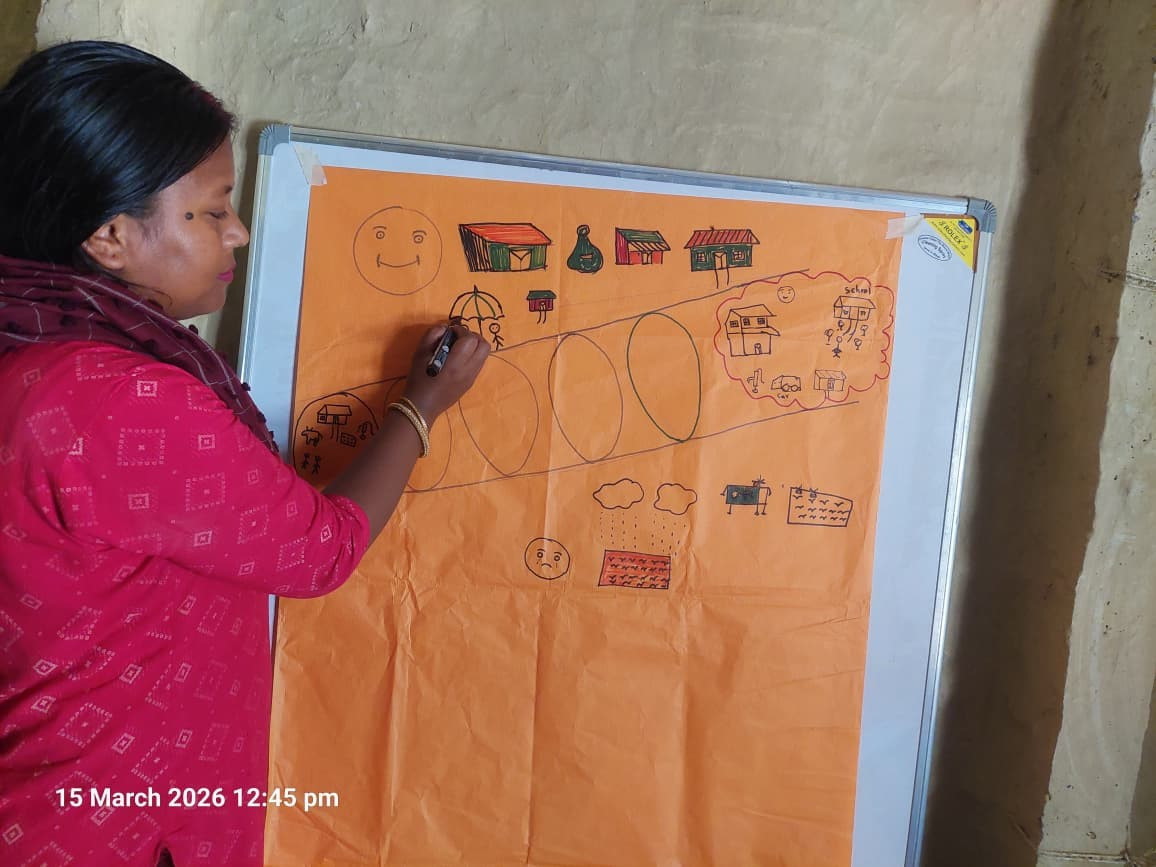
Despite these constraints, Sajiya harbored a quiet desire to learn and lead. That opportunity came when she was selected as a mentor under the SAFE Girls Project, implemented by Good Neighbors International Nepal and RDC Nepal with support from KOICA and UNFPA. Through the Rupantaran life-skills training, she was introduced to concepts of gender equality, leadership, and sexual and reproductive health and rights (SRHR). The training used interactive methods role-plays, scenario analysis, and group discussions that helped her confront internalized fear and build practical confidence.
The transformation was not easy. Sajiya faced resistance from her family and community for participating in the training. Rumors circulated about her character, and relatives pressured her parents to withdraw her. But Sajiya stood firm. Drawing on the knowledge and support from her mentors, she successfully advocated against her own early marriage an act of defiance that marked a turning point in her life.
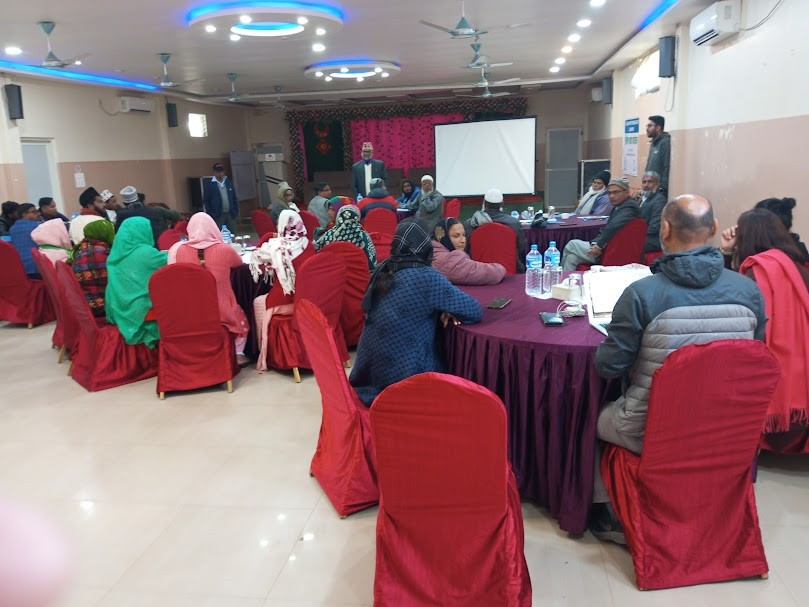
Today, Sajiya facilitates daily peer sessions at a local madrasa, creating safe spaces for adolescent girls to learn about their rights, challenge harmful practices, and speak openly. She has reached over 25 girls, parents, and religious leaders, fostering dialogue in a community where silence once prevailed. Her mobility has expanded she now moves independently, speaks at community forums, and leads with confidence. During a training on online safety, she made the personal decision to remove her burkha, symbolizing her journey from invisibility to visibility.
"Before, I didn’t know I had a voice. Now, I use it to help other girls find theirs." – Sajiya Khatun
Sajiya’s story is a testament to the power of knowledge, mentorship, and resilience. From the brink of early marriage to becoming a community leader, she embodies the transformative impact of the SAFE Girls Project where silence is being replaced by dialogue, and despair by hope.