250+ Persons with Disabilities Supported | Rautahat, Madhesh Province, Nepal
21–25 September 2026
For many persons with disabilities living in underserved communities, a wheelchair, walker, crutch, cane, or other assistive device is far more than a piece of equipment. It can be the difference between dependence and independence, isolation and participation, or being confined at home and being able to attend school, work, access health services, participate in community life, and engage with family and society with greater dignity.
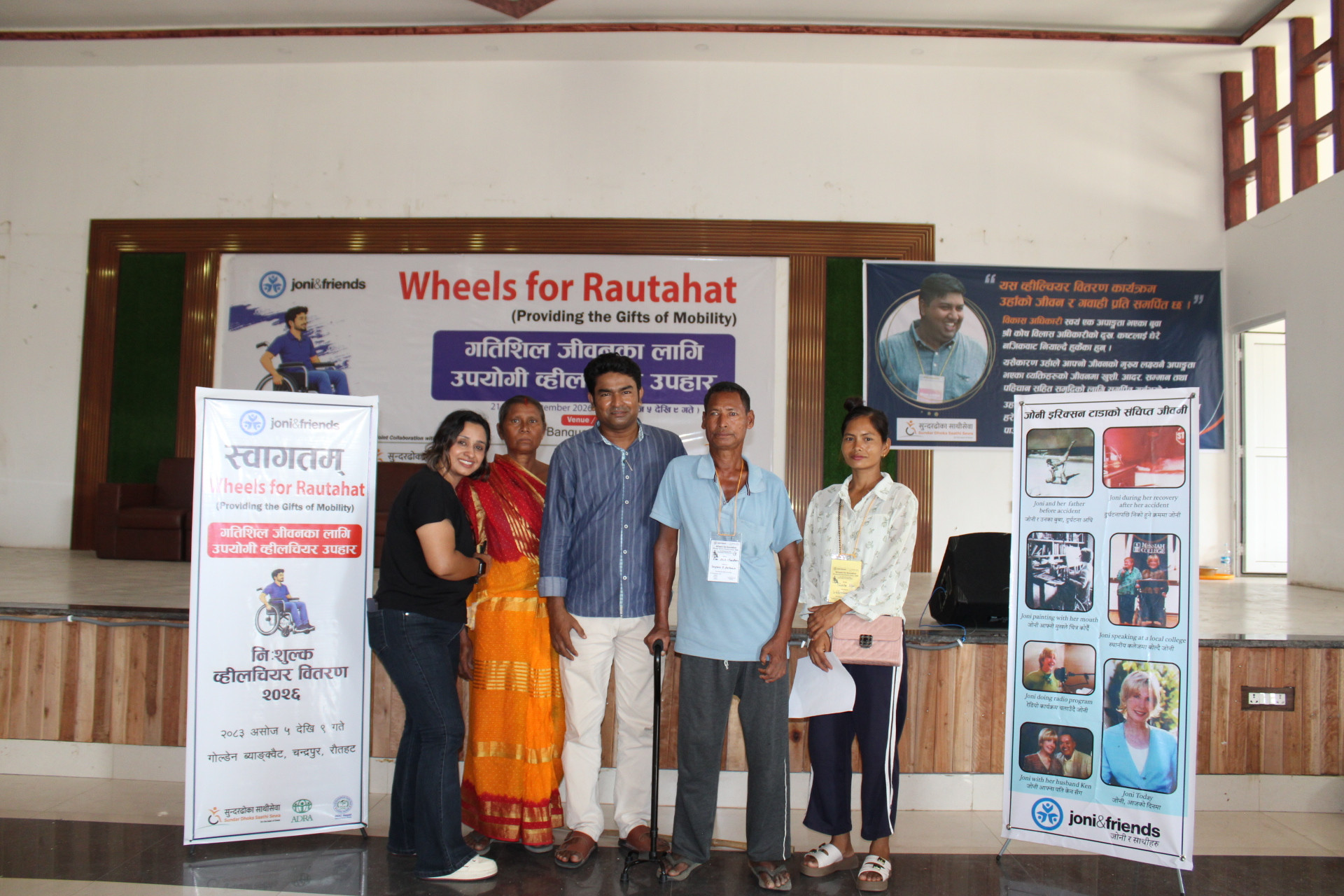
Recognising this need, Rural Development Centre Nepal (RDC Nepal), in partnership with Joni and Friends and Sundar Dhoka Saathi Sewa (SDSS), implemented a five-day mobility and assistive device support initiative, “Wheels for Rautahat,” from 21–25 September 2026.
The initiative brought together international technical expertise, local knowledge, community mobilisation and disability-focused support to reach persons with disabilities from across Rautahat District.
Background
Persons with disabilities in rural and underserved communities frequently face multiple barriers to mobility and participation. Limited household income, lack of appropriate assistive devices, inadequate access to specialised assessment and rehabilitation services, geographical barriers and limited awareness can prevent people from obtaining the support they need.
In many cases, a person may have a disability but remain without an appropriate mobility device for years. Others may use equipment that is unsuitable for their body, age, physical condition or daily environment. An improperly fitted wheelchair, for example, may not provide the comfort, posture or mobility required by the user.
These challenges are particularly significant in rural communities where specialised rehabilitation and assistive-device services may not be readily accessible.
RDC Nepal, through its long-standing engagement with vulnerable and marginalised communities in Rautahat, identified the need to strengthen access to mobility and assistive devices for persons with disabilities. The Wheels for Rautahat initiative was developed as a practical response to this need, bringing specialised assessment and technical support closer to communities.
The Wheels for Rautahat Initiative
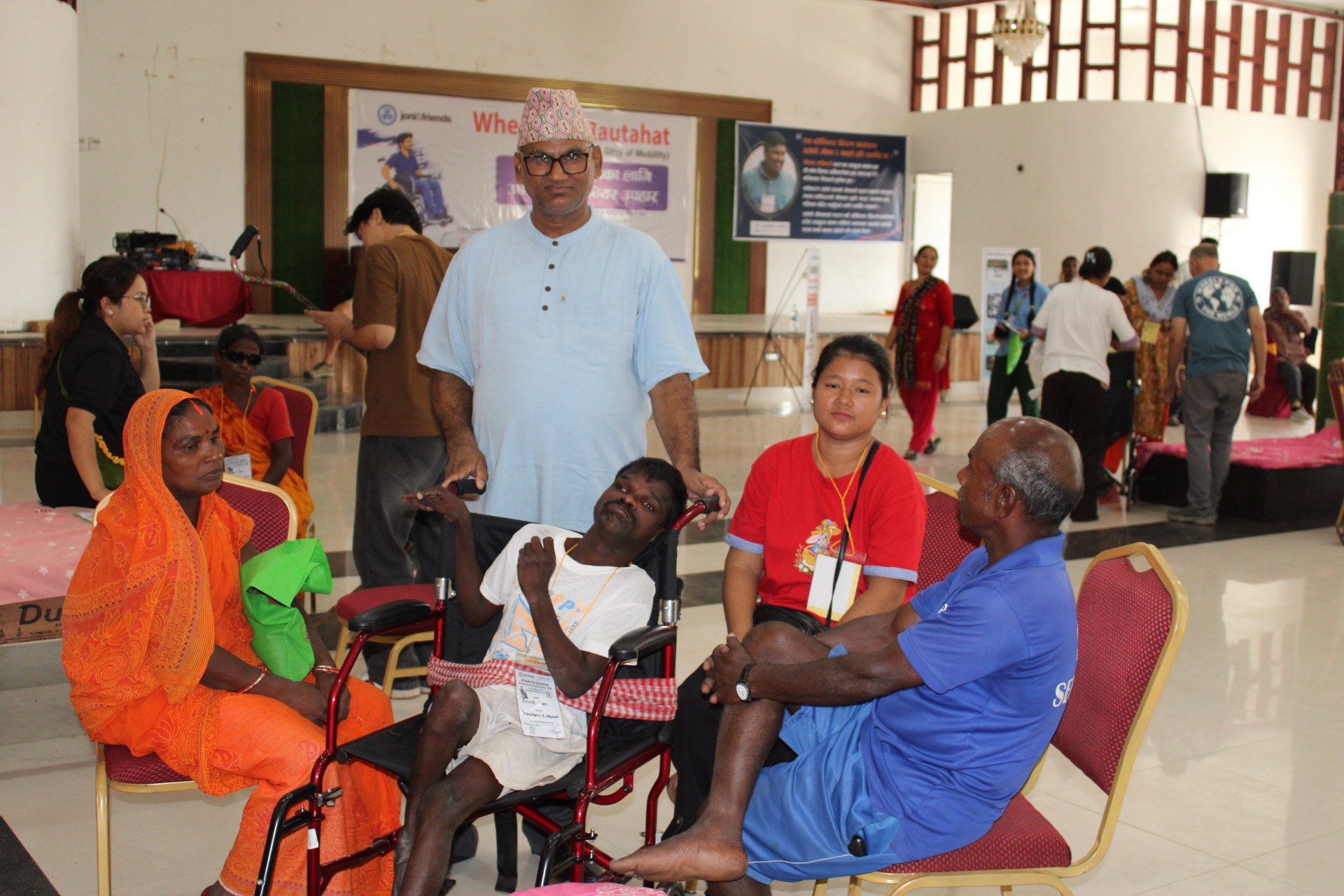
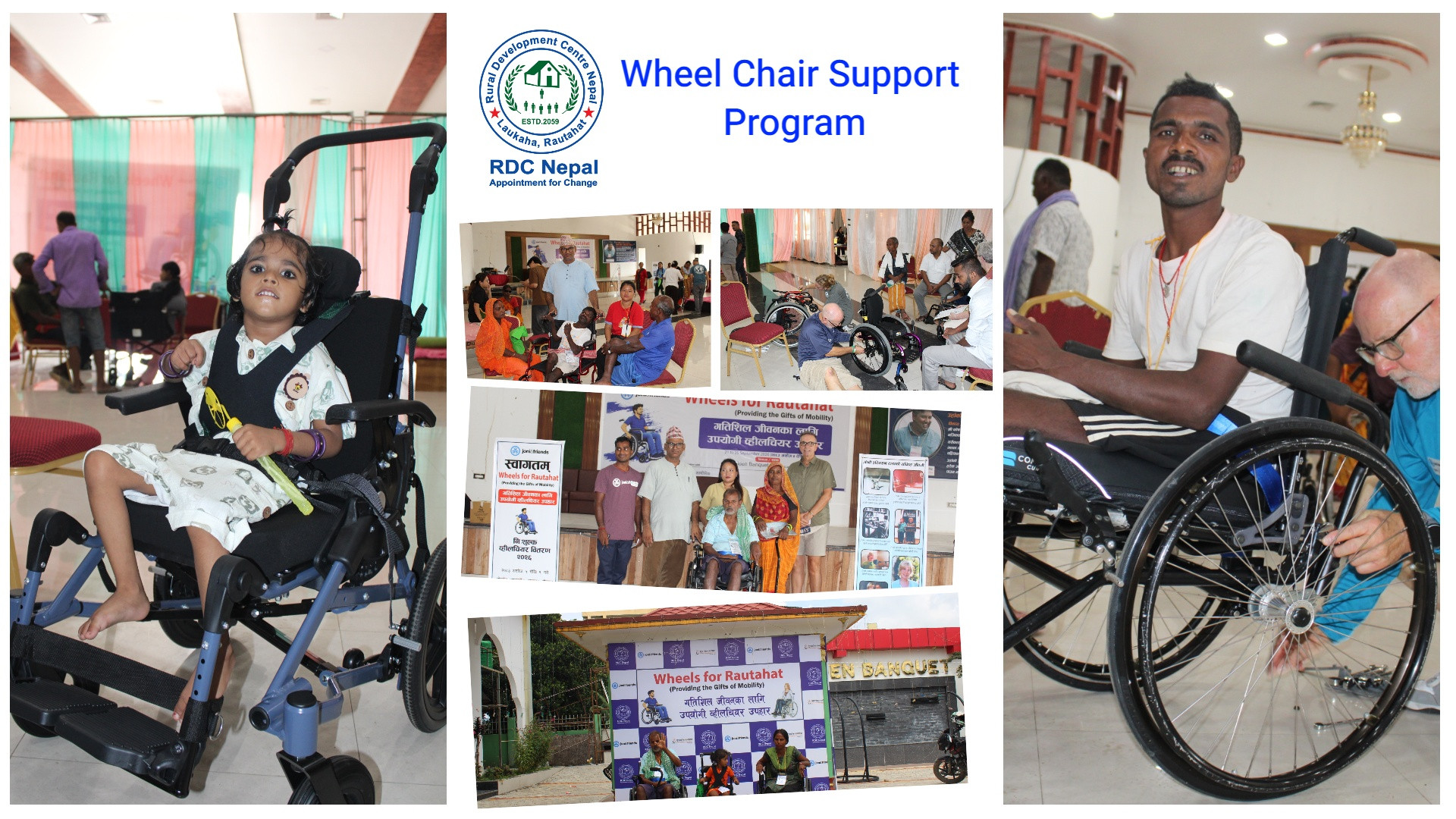
From 21 to 25 September 2026, a specialised team consisting of doctors, physiotherapists, mechanics and technical experts from the USA worked alongside RDC Nepal, SDSS, volunteers and local stakeholders.
Persons with disabilities identified and referred through the local process were assessed according to their individual mobility and functional needs.
Based on these assessments, beneficiaries received appropriate mobility and assistive devices, including:
- Wheelchairs
- Crutches
- Canes
- Walkers
- Other customised mobility and assistive equipment
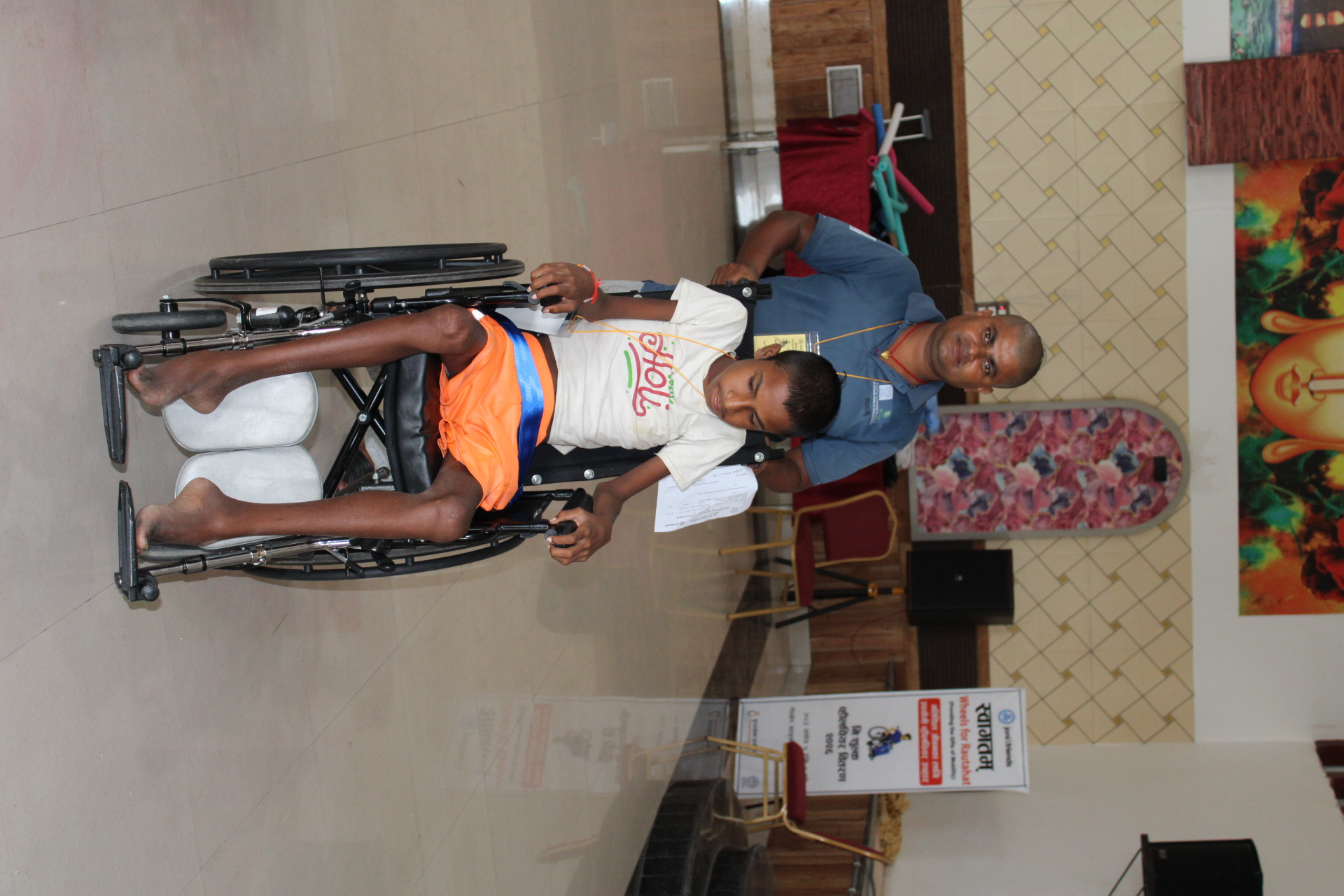
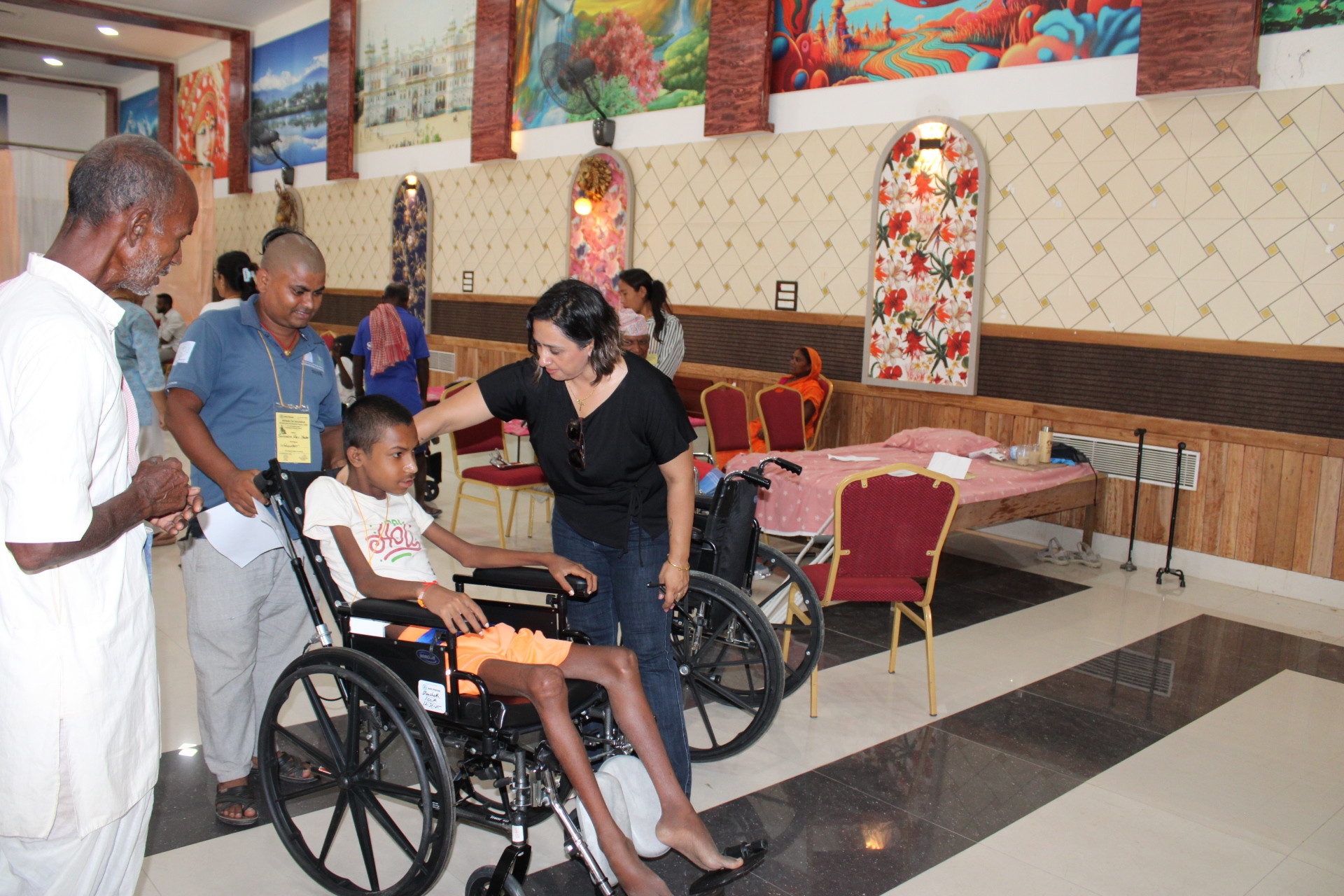
The initiative was not simply a distribution programme. Each beneficiary's needs were considered to determine the most appropriate support. Equipment brought from the USA was assessed, fitted and, where necessary, adjusted or customised by the technical team.
This individualised approach helped ensure that the support provided was appropriate to the person's physical condition, mobility requirements and daily environment.
Key Achievements
250+ Persons with Disabilities Supported
More than 250 persons with disabilities from across Rautahat District received mobility and assistive-device support during the five-day initiative.
The achievement represents more than a numerical target. Each individual supported represents a person who now has improved access to mobility assistance and greater opportunity to participate in everyday life.
Individual Mobility Assessment
Beneficiaries were assessed by a multidisciplinary team of doctors, physiotherapists and technical experts.
The assessment process helped identify the specific mobility requirements of individuals and determine suitable assistive equipment rather than applying a one-size-fits-all approach.
Assistive Devices Provided According to Need
Support included a range of mobility devices such as:
Wheelchairs | Crutches | Canes | Walkers | Customised Equipment
The range of equipment allowed the initiative to respond to different levels and types of mobility needs.
Technical Fitting and Customisation
One of the important features of the initiative was the technical assessment, fitting and adjustment of equipment.
Technical experts and mechanics worked with beneficiaries to make necessary adjustments so that devices were better suited to their individual requirements.
International and Local Expertise Combined
The initiative created an opportunity for international specialists to work directly with local organisations, communities and technical personnel.
The visiting team from the USA brought specialised medical, physiotherapy and technical expertise, while local partners contributed community knowledge, beneficiary identification, coordination, mobilisation and follow-up.
Community-Level Access
By bringing the service to Rautahat, the initiative reduced some of the barriers that persons with disabilities may face when attempting to access specialised services outside their communities.
For many beneficiaries and their families, the initiative provided access to professional assessment and assistive-device support in a setting much closer to their communities.
Beyond a Device: The Importance of Mobility
A mobility device can have an impact that extends well beyond physical movement.
For a child, appropriate mobility support may make it easier to attend school.
For an adult, it can support access to livelihood opportunities, markets, health facilities and community activities.
For an older person or someone with significant mobility limitations, an appropriate device can make everyday movement safer and reduce dependence on family members.
Mobility can also contribute to social participation and personal dignity.
For this reason, Wheels for Rautahat was designed around people and their individual needs—not simply around the distribution of equipment.
A Collaborative Partnership
The success of Wheels for Rautahat was made possible through collaboration among multiple organisations, professionals, authorities and community members.
RDC Nepal played a key role in local coordination, community mobilisation, beneficiary identification, communication and implementation.
Joni and Friends contributed specialised international expertise and mobility-support resources.
Sundar Dhoka Saathi Sewa (SDSS) contributed to the implementation and coordination of the initiative.
The initiative also benefited from the support and collaboration of ADRA Nepal, visiting doctors, physiotherapists, mechanics and technical experts, volunteers, local authorities, community representatives and other stakeholders.
Such collaboration demonstrates what can be achieved when international expertise and resources are combined with strong local networks and community-level understanding.
The Role of Local Communities
Community participation was an important component of the initiative.
Local stakeholders helped connect persons with disabilities with the assessment and support process. Community representatives and volunteers also played an important role in facilitating communication, coordination and access for beneficiaries and their families.
This local ownership is essential for ensuring that disability inclusion does not remain a short-term activity but becomes part of broader community development efforts.
Voices Behind the Numbers
The figure of 250+ beneficiaries provides an important measure of the initiative's reach, but it does not fully capture its human impact.
Behind every number is an individual with a personal story, a family with its own challenges and aspirations, and a community seeking greater inclusion.
For some, receiving a wheelchair can mean being able to leave the house more independently.
For others, a walker, cane or crutches can improve their ability to move safely.
For families, appropriate assistive equipment can reduce the physical and emotional burden associated with supporting a family member with mobility limitations.
These individual changes are at the heart of the Wheels for Rautahat initiative.
Key Results at a Glance
| Area | Achievement |
|---|---|
| Location | Rautahat District, Madhesh Province, Nepal |
| Duration | 21–25 September 2026 |
| Duration of initiative | 5 days |
| Persons supported | 250+ |
| Main support | Mobility and assistive devices |
| Devices | Wheelchairs, crutches, canes, walkers and customised equipment |
| Technical support | Doctors, physiotherapists, mechanics and technical experts |
| International expertise | Visiting team from the USA |
| Local implementation | RDC Nepal and partner organisations |
| Approach | Individual assessment, fitting and customisation |
| Geographic reach | Beneficiaries from across Rautahat District |
What We Learned
The experience of Wheels for Rautahat reinforced several important lessons.
First, access matters.
Even when assistive devices are available, persons with disabilities may not be able to access appropriate services because of geographical, financial or social barriers.
Second, the right device matters.
Providing an assistive device without proper assessment and fitting may not adequately address an individual's needs. Professional assessment and technical adjustment are essential.
Third, disability support requires collaboration.
No single organisation can address all aspects of disability inclusion. Effective support requires cooperation among persons with disabilities, families, communities, local governments, service providers, technical experts, civil society organisations and development partners.
Fourth, short-term initiatives can identify long-term needs.
A five-day initiative can provide immediate support to hundreds of people, but it can also reveal the much larger need for continued rehabilitation, maintenance, replacement and follow-up services.
The Need Continues
The successful completion of Wheels for Rautahat does not mean that the need has been met.
Many persons with disabilities in underserved communities continue to live without appropriate mobility and assistive devices. Some require replacement or repair of existing equipment, while others need rehabilitation, physiotherapy, follow-up assessment or additional specialised support.
There is also a need to strengthen awareness among families and communities about disability rights, inclusion, rehabilitation and available services.
For this reason, RDC Nepal sees Wheels for Rautahat not only as a five-day intervention but as an opportunity to strengthen a longer-term conversation around disability inclusion, accessibility, mobility and dignity in Rautahat and beyond.
Looking Ahead
RDC Nepal is committed to exploring opportunities to expand support for persons with disabilities through partnerships with local governments, development organisations, donors, disability-focused organisations, technical institutions and community groups.
Future efforts can include:
- Expanding access to appropriate mobility and assistive devices
- Strengthening referral and follow-up mechanisms
- Promoting regular assessment and rehabilitation services
- Supporting repair and maintenance of assistive devices
- Strengthening disability-inclusive community development
- Increasing awareness of disability rights and available services
- Engaging local governments in sustainable disability-support mechanisms
- Connecting persons with disabilities with education, livelihoods, health and social protection services
- Developing longer-term partnerships for underserved and hard-to-reach communities
A Call for Partnership
The need for mobility and assistive devices extends far beyond a single five-day initiative.
There are still many people who need a wheelchair, walker, crutches, cane or customised assistive equipment to move more independently and participate more fully in their families and communities.
We invite development partners, donors, organisations, local governments, technical institutions and individuals to join us in expanding this work.
Your partnership can help make appropriate mobility support accessible to people who may otherwise remain excluded because of poverty, geography or limited access to specialised services.
A mobility device can help a person move.
But appropriate mobility support can help a person participate, connect, learn, work and live with greater dignity.
Together, we can work toward communities where disability is not a barrier to participation, opportunity and dignity.
Acknowledgement and Appreciation
RDC Nepal extends its sincere appreciation to Joni and Friends and Sundar Dhoka Saathi Sewa (SDSS) for their partnership and contribution to the Wheels for Rautahat initiative.
We also acknowledge the support and collaboration of ADRA Nepal, the visiting doctors, physiotherapists, mechanics and technical experts from the USA, volunteers, RDC Nepal staff, local authorities, community representatives, families and everyone who contributed time, expertise and resources to make the initiative possible.
Most importantly, we thank the persons with disabilities and their families who participated in the initiative and placed their trust in the team.
Wheels for Rautahat is a reminder that inclusion begins when we listen to individual needs, respond with appropriate support, and work together to remove barriers.
Wheels for Rautahat
Mobility. Inclusion. Participation. Dignity.
Rural Development Centre Nepal (RDC Nepal)
Rautahat, Madhesh Province, Nepal