RDC Nepal provided strategic support to local governments to strengthen climate change policy formulation and advocacy, recognizing the critical role of municipalities in addressing climate risks at the local level. The initiative focused on enhancing institutional capacity, promoting inclusive dialogue, and improving coordination among key stakeholders to ensure that climate governance is responsive, evidence-based, and community-centered. Chandrapur and Gujara municipalities were central to this effort.
As part of the process, multi-stakeholder dialogue meetings were conducted in both Chandrapur and Gujara municipalities. These dialogues brought together local government representatives, civil society organizations (CSOs), community leaders, farmers, women groups, youth, and technical experts. The meetings created a common platform to discuss climate change impacts, local vulnerabilities, existing policies, and implementation challenges. Through open discussion and knowledge sharing, stakeholders identified priority climate issues such as flooding, drought, agricultural stress, and infrastructure vulnerability, as well as gaps in current planning and response mechanisms.
Building on the outcomes of these dialogues, RDC Nepal provided technical and facilitation support to Gujara Municipality in drafting a local Climate Change Policy. The policy formulation process was guided by national climate frameworks while remaining grounded in local realities. Identified gaps and community needs were systematically analyzed to ensure the policy addressed practical adaptation and resilience requirements. Emphasis was placed on climate-resilient agriculture, disaster risk reduction, nature-based solutions, social inclusion, and the protection of vulnerable groups. The draft policy also highlighted the importance of integrating climate considerations into regular municipal planning, budgeting, and service delivery.
Throughout the policy development process, RDC Nepal supported evidence-based decision-making by encouraging the use of local data, risk assessments, and lessons learned from ongoing climate adaptation initiatives. This approach helped ensure that the policy was not merely aspirational, but actionable and aligned with municipal capacities. Local officials gained increased understanding of climate governance processes, policy frameworks, and their roles in leading climate action at the local level.
In addition to policy formulation, the initiative significantly strengthened coordination and advocacy among local governments, CSOs, and communities. Improved collaboration enhanced information sharing, reduced duplication of efforts, and promoted joint action on climate resilience initiatives. CSOs and community representatives were better positioned to voice local concerns and contribute to policy discussions, while municipalities gained stronger links with grassroots actors for implementation support.
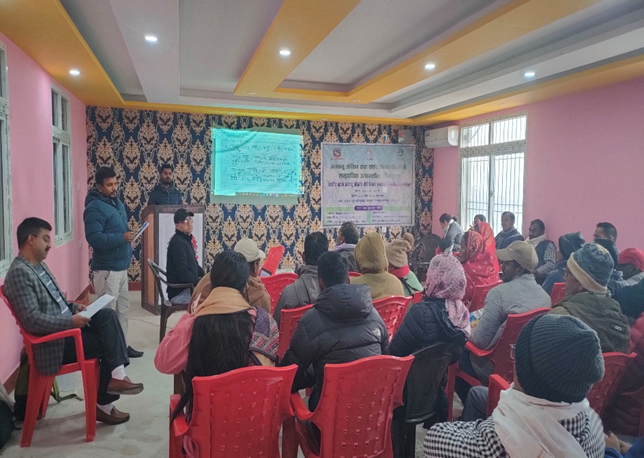
Overall, RDC Nepal’s support contributed to more inclusive and informed local climate governance. By facilitating dialogue, supporting policy drafting, and strengthening coordination mechanisms, the initiative enhanced the capacity of local governments to plan, advocate, and respond effectively to climate change challenges. The experience underscores the importance of participatory policy processes and multi-stakeholder collaboration in building resilient, climate-responsive local institutions.