From Survivors to Savers: The Namuna Self-Help Group Weaves a Tapestry of Livelihood and Protection
Introduction
In the heart of Chandrapur-8, Motipur, a quiet revolution is underway. The Namuna Self-Help Group (SHG), formed in July 2024 under the Accelerating Actions to Reduce Gender-Based Violence project, stands as a powerful testament to what women can achieve when they are equipped with both economic opportunity and the knowledge to protect themselves. Comprising 25 women who are either at risk of or survivors of gender-based violence (GBV), the group has become a beacon of hope, demonstrating how intertwining livelihoods and protection creates a sustainable path toward empowerment and safety.
Building a Foundation: Knowledge as the First Pillar of Protection
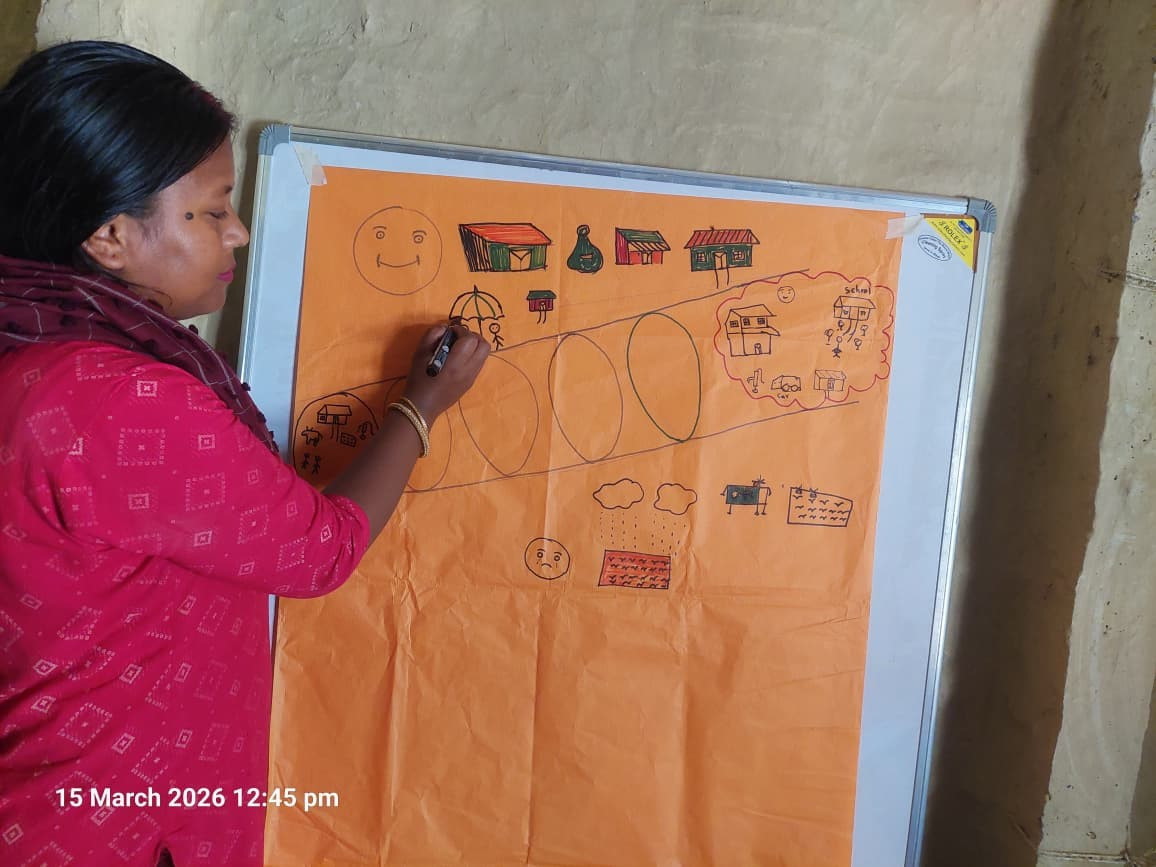
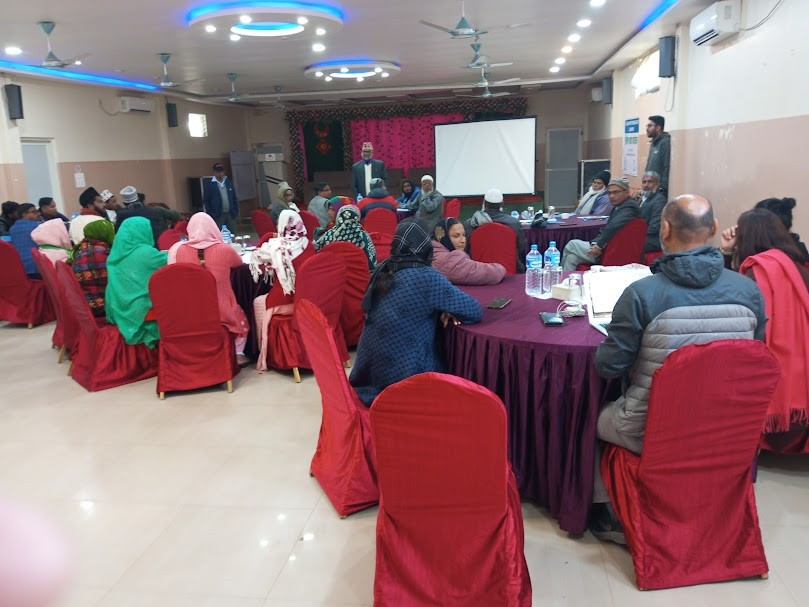
The journey began not with capital, but with consciousness. The members, many of whom had never spoken openly about their experiences, were first oriented on the very concepts of sex, gender, and the many forms GBV can take. They learned about leadership, group management, and their rights. This foundational knowledge was their first shield—an understanding that the violence they faced was not a private shame but a violation that could be challenged.
Parallel to this, they built their economic literacy through ‘Start and Improve Your Business’ (SIYB) training. This dual approach was intentional: the project recognized that economic dependence is a key factor trapping women in violent situations. To break the cycle, women needed a viable alternative.
From Training to Enterprise: weaving economic independence
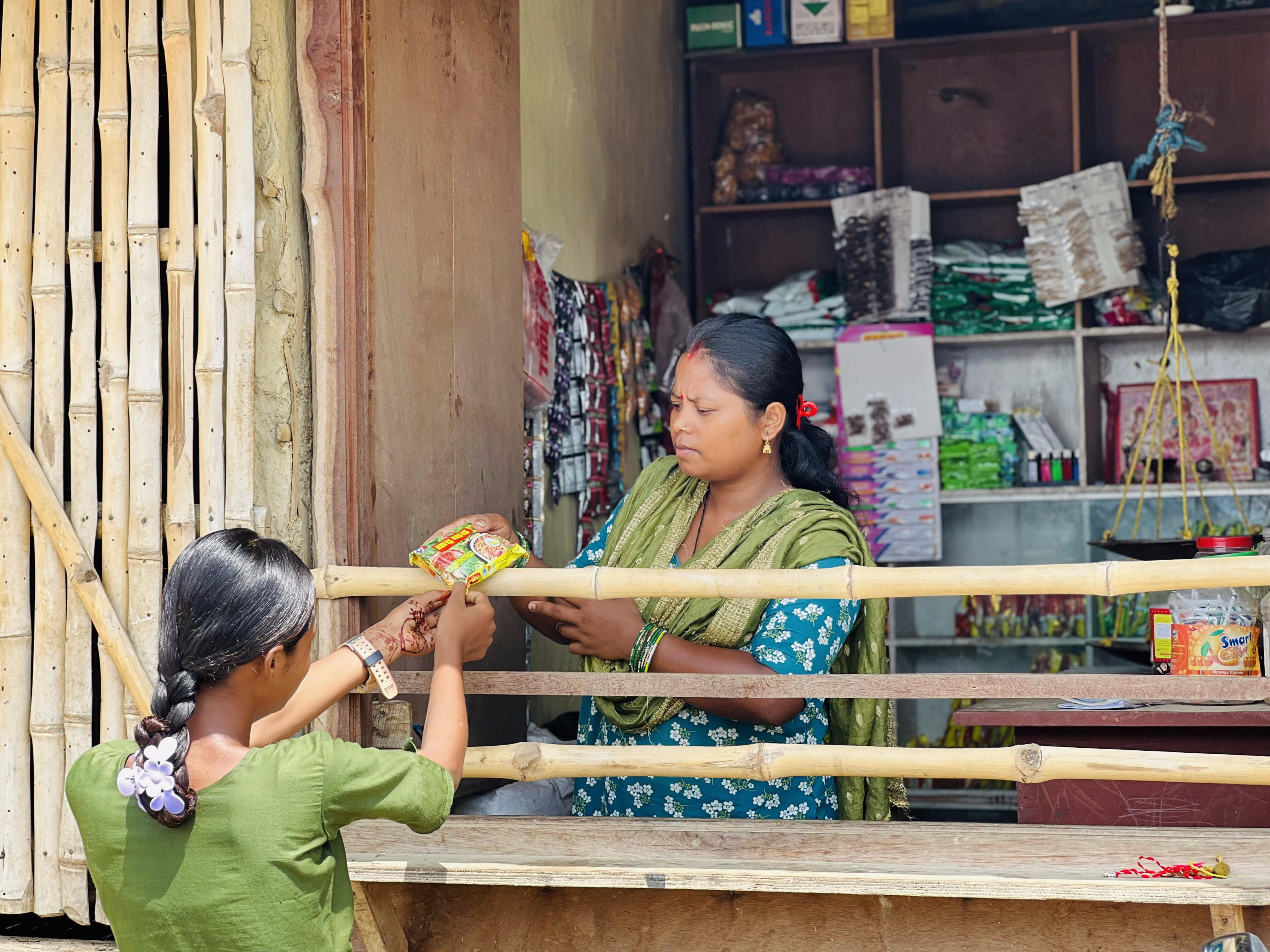
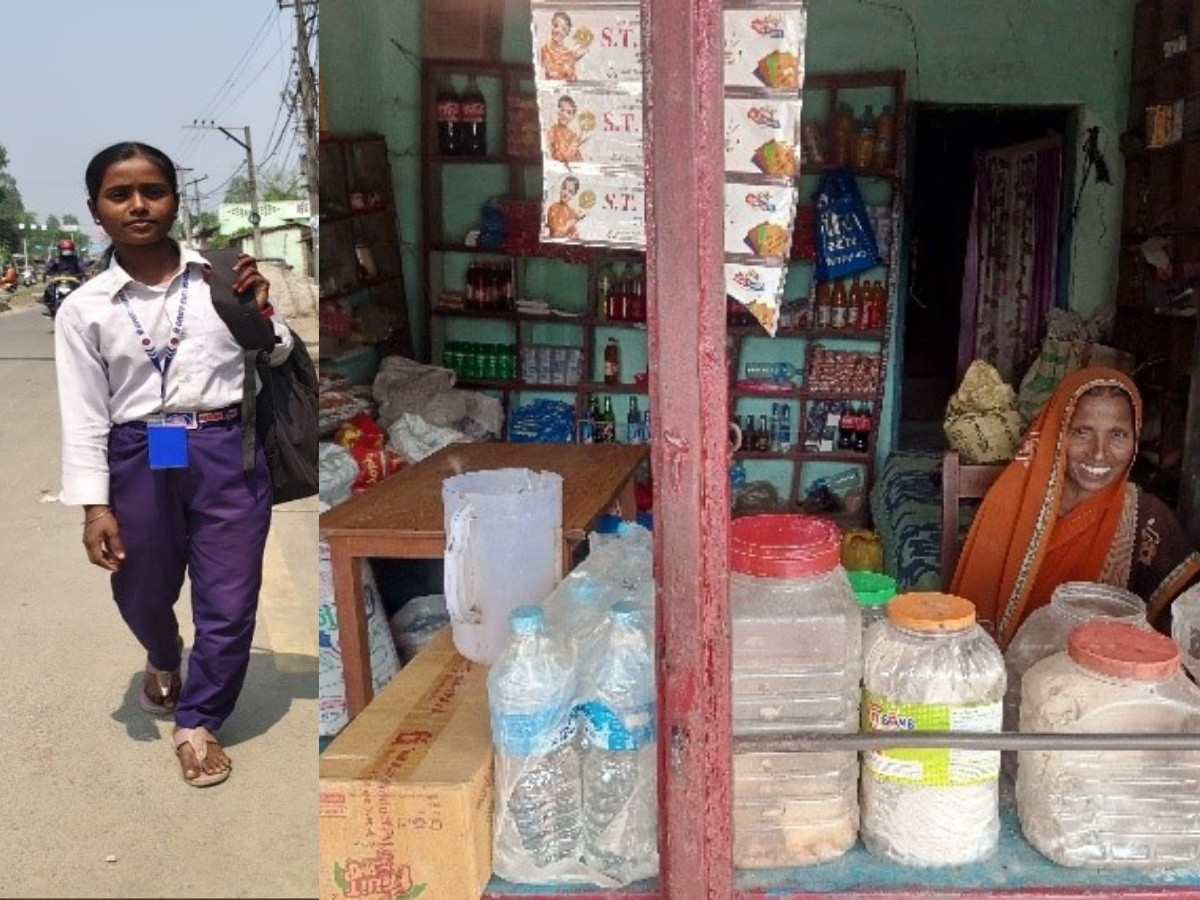
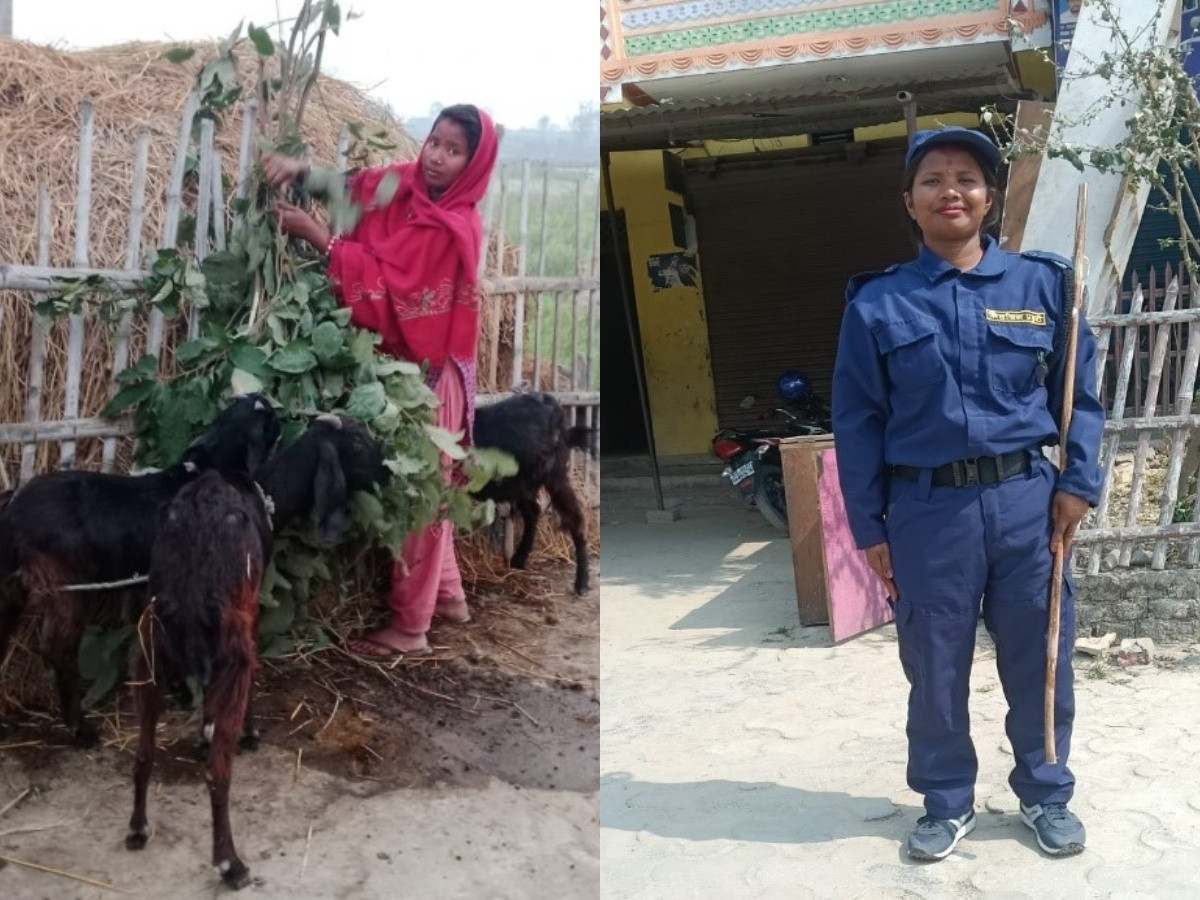
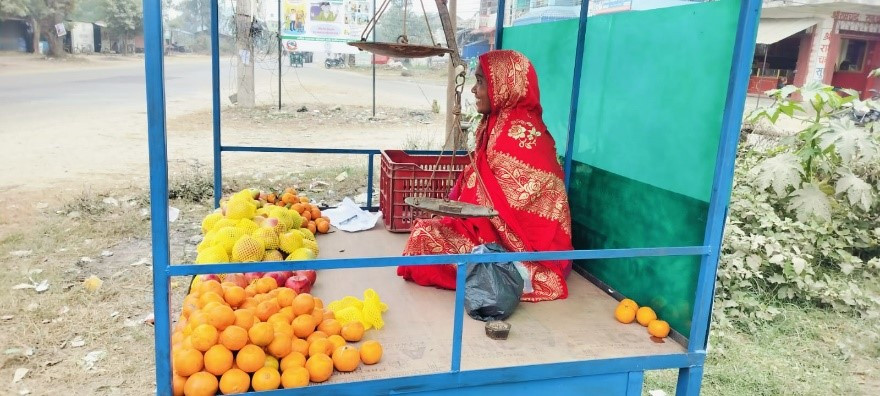
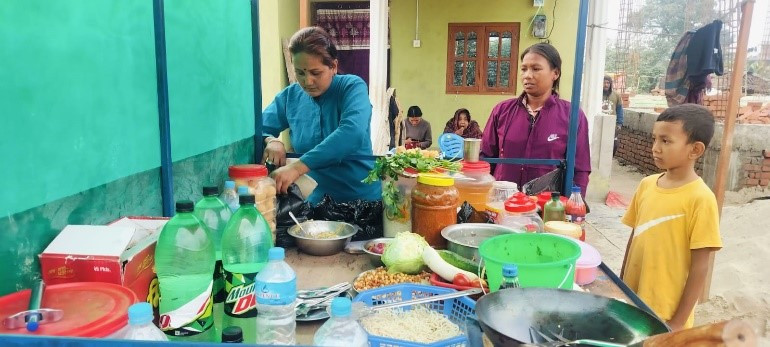
In September 2024, the theoretical knowledge was transformed into tangible action. With input support from the project, the women launched their Income Generating Activities (IGAs). Seven members chose goat farming, a familiar yet profitable venture. The other 18 embarked on diverse off-farm businesses, injecting new life into the local economy with grocery shops, tailoring services, a cosmetics store, a fresh produce shop, and even a popular chatpate cart.
The impact was immediate and multiplied. Family members joined in, fostering a supportive home environment. Most importantly, with a stable income, the women could ensure their children attended school regularly, actively investing in breaking the cycle of poverty and ignorance for the next generation.
The Collective Voice: Monthly Meetings for Mutual Support
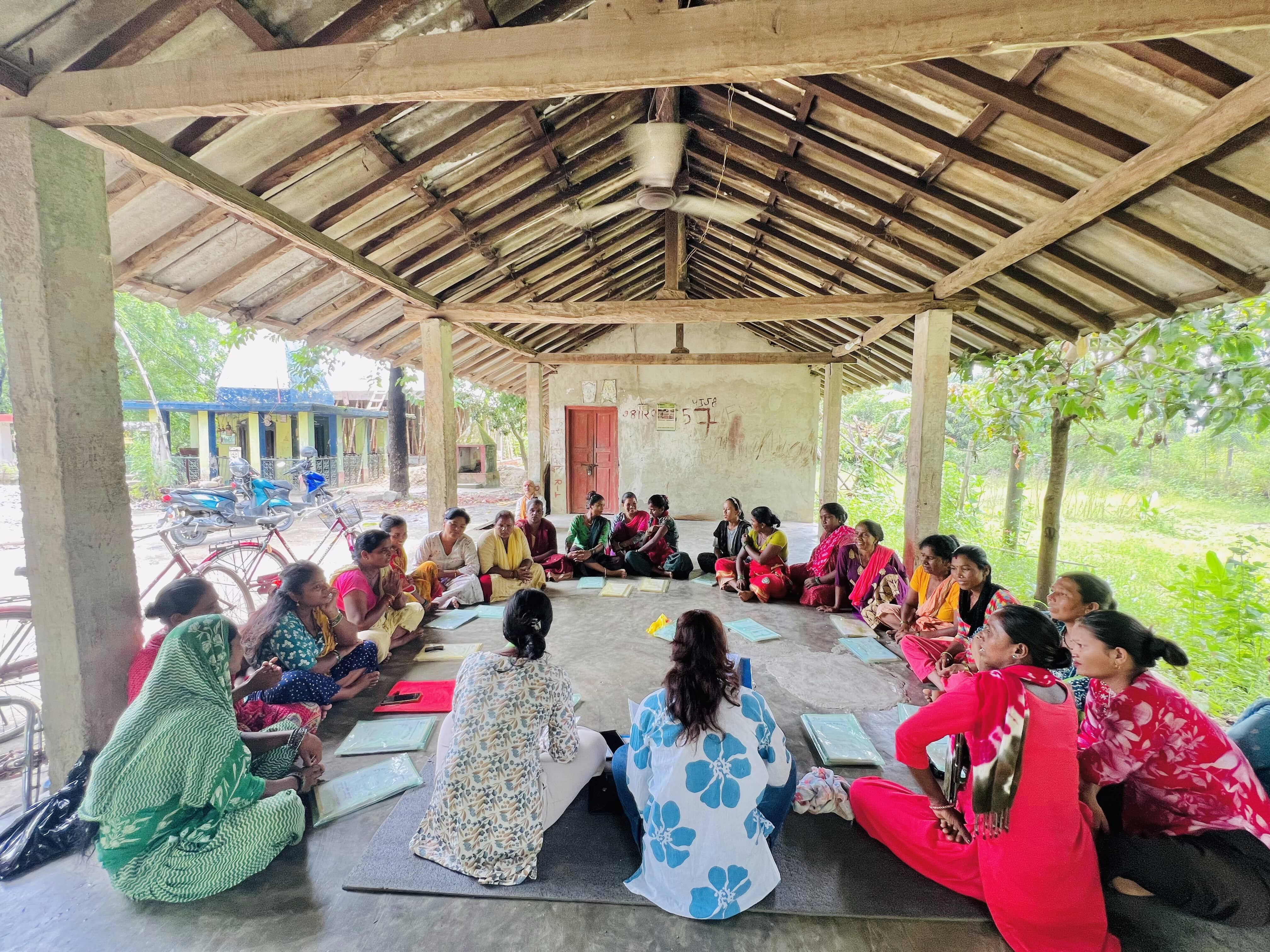
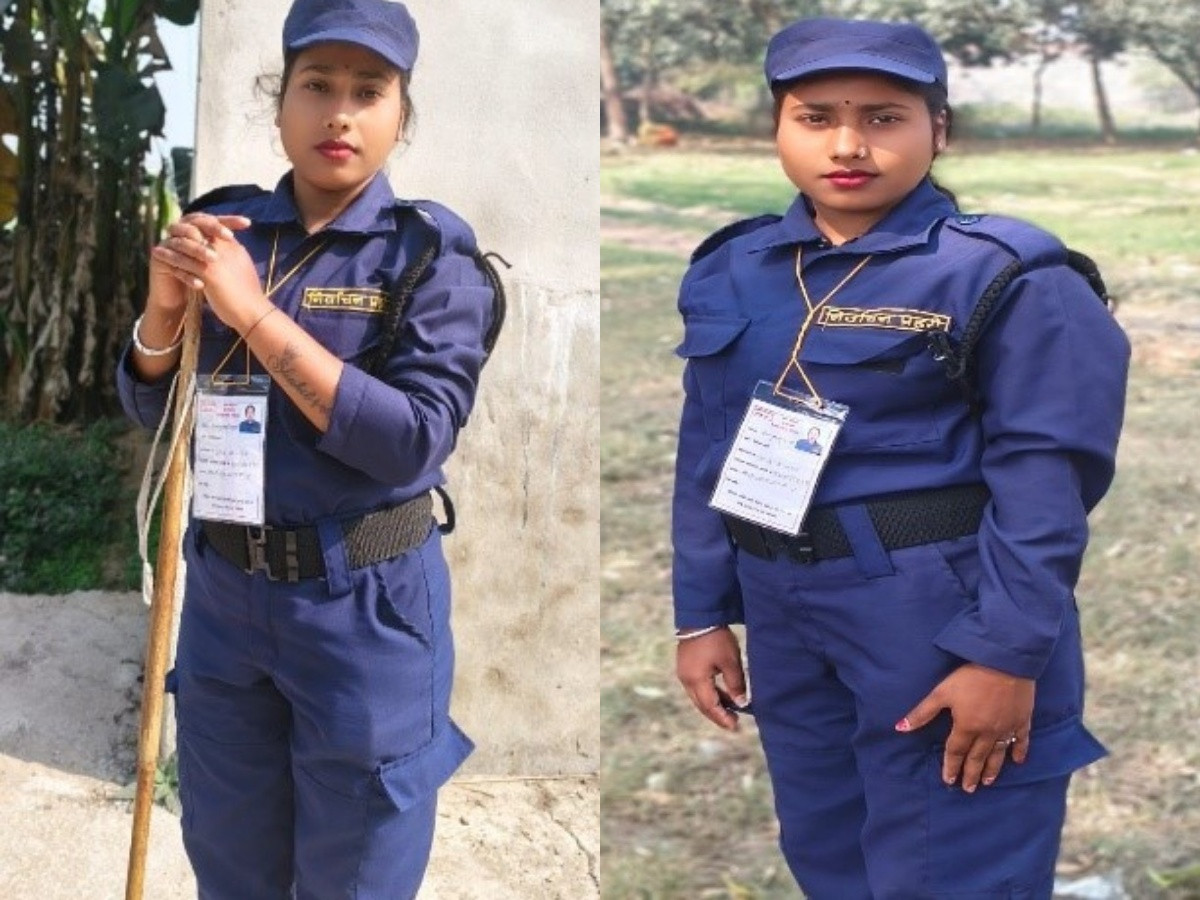
The group’s strength solidified through its monthly meetings. Here, agendas moved seamlessly from business accounting to community protection. They identified the twin plagues of their community: child marriage and alcohol-fueled violence. The meetings became a safe space to share business challenges, but also to discuss personal struggles and strategize collective responses. They evolved into a vigilant community watch group, their newfound awareness making them sensitive to the signs of GBV around them.
Financial Autonomy and Protection in Action
By June 2025, the group had grown confident enough to initiate a savings and credit scheme in the support of project. By August, they had mobilized Rs. 8,000, lending to fellow members at a minimal 2% service rate. This was more than a microfinance operation; it was a declaration of financial self-reliance and mutual trust.
This courage spilled over into their personal lives, empowered by continuous sensitization on positive parenting, service providers, and the devastating impact of child marriage.
Case Story 1: A Member’s Courage: One member, a survivor of domestic violence, finally felt empowered to act. After a session on legal recourse, she filed a report at the local police station against her abusive husband. The result was transformative. Fearful of legal consequences, her husband’s behavior changed drastically. The alcohol consumption continued, but the violence did not. He would now return home and go to sleep silently. For her, the home was no longer a warzone.
Case Story 2: A Neighbor’s Guardian: Another member noticed signs of abuse on her neighbor, who was being beaten by her in-laws. Remembering her training, she didn’t just offer sympathy; she actively accompanied the young woman to the One-Stop Crisis Management Centre (OCMC) to file a formal case. The group’s protection network had expanded beyond its own membership.
Case Story 3: Justice for a Grave Crime: The group’s reputation as a safe haven grew. In the most severe test of their referral system, a case of rape was brought to them. The group immediately connected the survivor with the project for urgent counselling and emergency support. Crucially, they supported her through the process of registering the case. Today, the culprit is under arrest, demonstrating that justice is possible.
Conclusion: A Tapestry of Change
The story of the Namuna Self-Help Group is a powerful case study in integrated development. Livelihood support provided the economic autonomy that gave women the courage to speak out. Protection training provided the knowledge and confidence to act. Each successful business made a woman stronger; each prevented case of violence made the community safer.
They are no longer just 25 individual women; they are a united front—business owners, savers, lenders, community educators, and guardians against violence. They have woven a strong tapestry where threads of economic resilience and social protection are inseparable, creating a safer, more prosperous future for themselves, their families, and their entire community in Chandrapur.