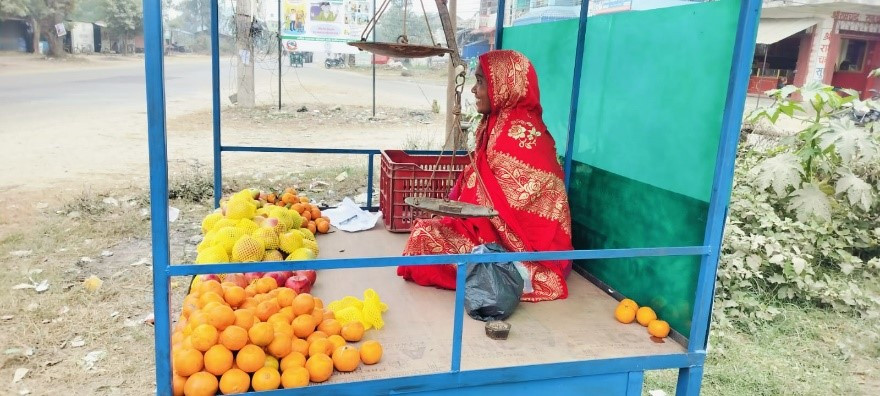
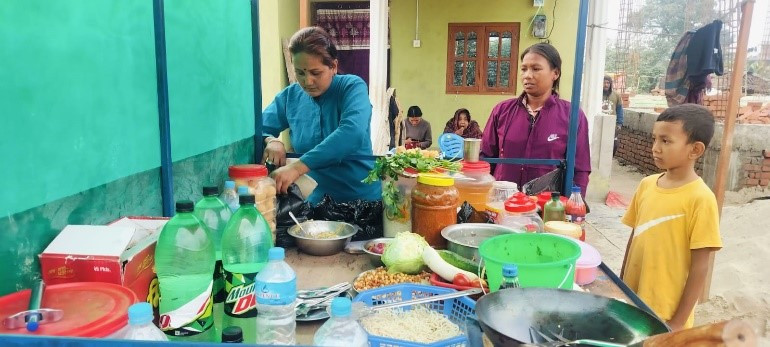
The Small-Scale Irrigation Support Project was implemented in Rautahat District with the objective of enhancing agricultural productivity, strengthening food security, and improving the livelihoods of smallholder farmers. Agriculture is the primary source of income for most households in the district; however, farming communities face persistent challenges due to erratic rainfall, prolonged dry seasons, and limited access to reliable irrigation facilities. These constraints often result in low crop yields, reduced income, and increased vulnerability to food insecurity.
To address these challenges, the project supported the installation of 25 irrigation pumps for selected smallholder farmers. The intervention aimed to provide timely and efficient access to water for agricultural land, enabling farmers to cultivate crops beyond the monsoon season and reduce their dependence on rainfall. Beneficiary farmers were identified through a participatory selection process, prioritizing marginal and vulnerable households with limited resources and high dependency on agriculture for their livelihoods.
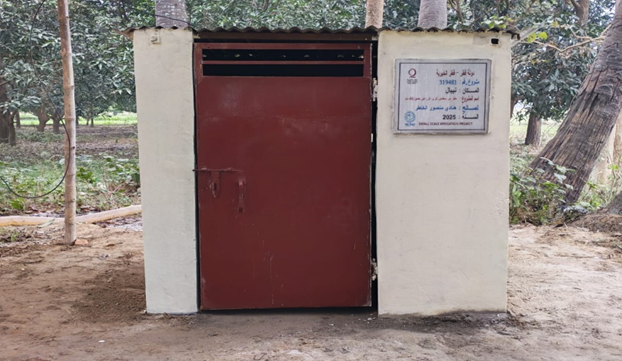
The installation of irrigation pumps has significantly improved farmers’ capacity to manage water resources and adopt improved farming practices. With assured access to irrigation, farmers are now able to cultivate multiple cropping cycles per year, diversify crop varieties, and increase overall agricultural output. This has contributed directly to improved household food availability and nutritional security, particularly during dry periods when crop production was previously not possible.
The project also enhanced farmers’ resilience to climate variability. By reducing the risks associated with drought and irregular rainfall, irrigation support has helped stabilize agricultural production and income. Farmers are now better positioned to plan their farming activities, invest in quality seeds and inputs, and adopt climate-smart agricultural practices. As a result, the intervention supports both short-term food needs and long-term livelihood sustainability.
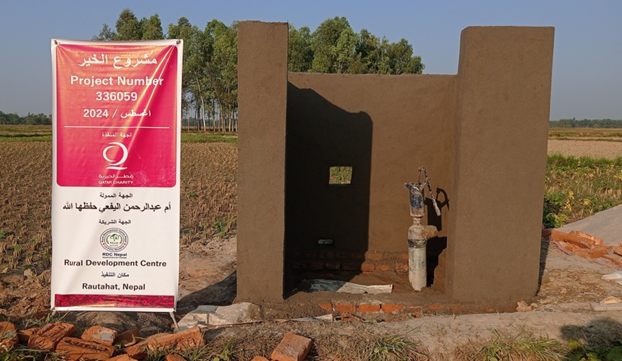
In addition to productivity gains, the irrigation support has generated positive socio-economic impacts at the community level. Increased agricultural production has enabled farmers to sell surplus produce in local markets, creating additional income opportunities. This has helped improve household purchasing power, reduce indebtedness, and support essential expenses such as education and healthcare. The availability of local agricultural produce has also contributed to improved food access for surrounding communities.
The project emphasized proper utilization and maintenance of irrigation equipment to ensure sustainability. Beneficiary farmers received basic orientation on pump operation, routine maintenance, and water-efficient irrigation practices. This capacity-building approach aimed to maximize the lifespan of the equipment and encourage responsible water use, thereby protecting local water resources.
Overall, the Small-Scale Irrigation Support Project has made a meaningful contribution to improving agricultural productivity, food security, and economic resilience in Rautahat District. By providing practical and affordable irrigation solutions, the project has empowered farmers to overcome climatic and resource-related challenges. The intervention demonstrates how targeted irrigation support can serve as an effective strategy for rural development, poverty reduction, and sustainable agriculture, while strengthening the adaptive capacity of farming communities in vulnerable regions.